Falmouth is a town and the administrative center of the parish of Trelawny in Jamaica. It
is located on the north coast of Jamaica, 18 miles east of Montego Bay.
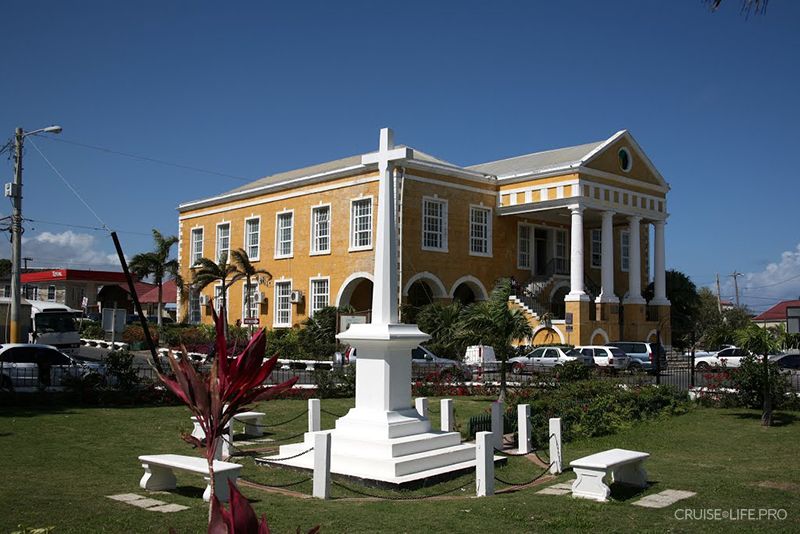
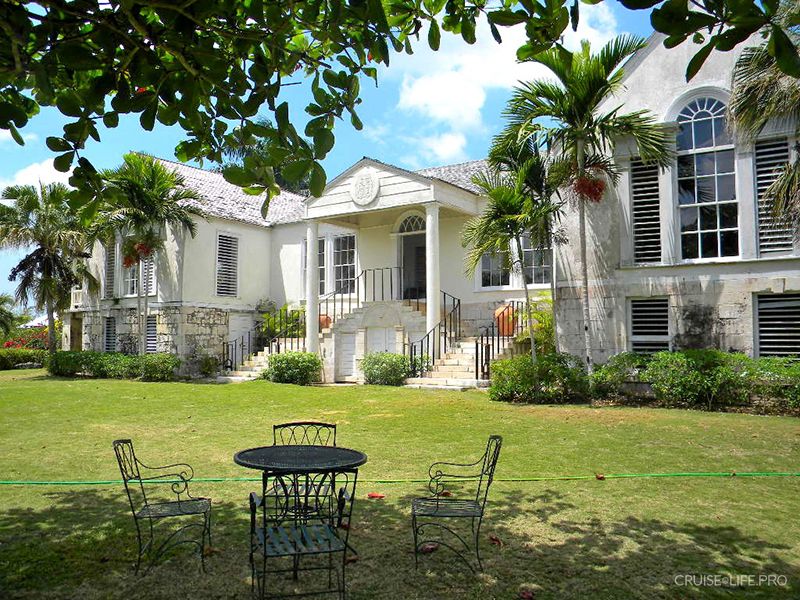
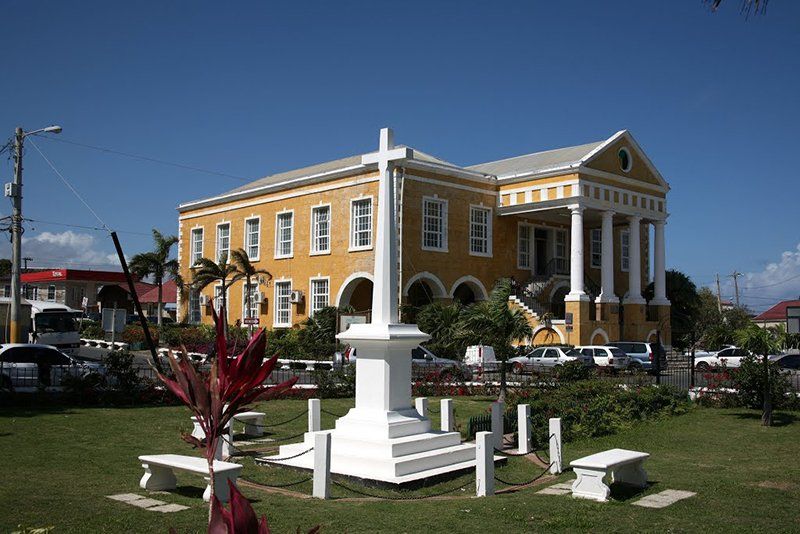
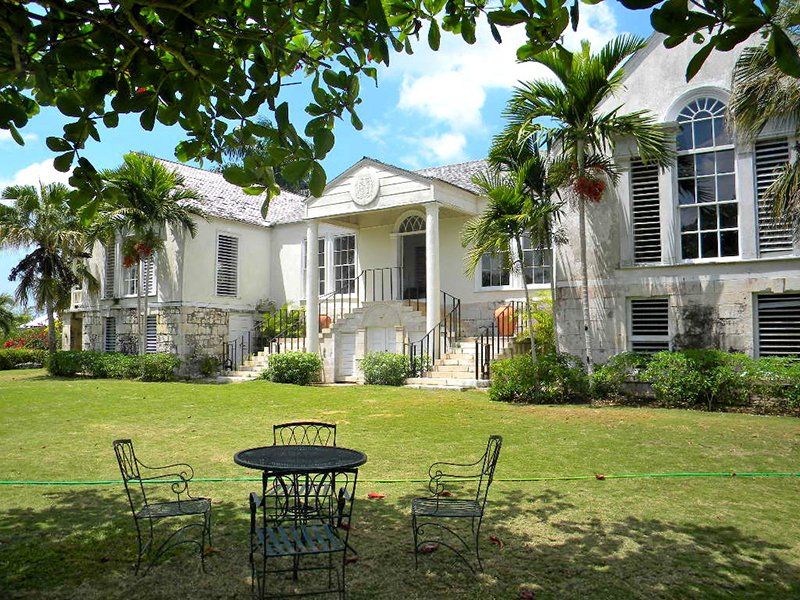
Small yet very beautiful, Falmouth is known above all for its
architecture-many houses from the late 18th to the early 19th
centuries have been preserved, built in Jamaican Georgian style.
Founded in 1769, Falmouth prospered for forty years as a center of commerce
and as a port during the time when Jamaica was the world’s leading producer of sugar.
The town was named after Falmouth, a port city in Cornwall (Great Britain),
the birthplace of Sir William Trelawny-governor of Jamaica, who
played an important role in its development. From the very beginning, the town was
carefully planned, with wide streets laid out in a consistent grid, with
ample water supplies and
public buildings. Even a water supply system was built
earlier than in New York.
In the late 18th and early 19th centuries, Falmouth was one of the busiest ports
in Jamaica. It was a prosperous town in a prosperous parish. In the parish, almost one hundred plantations
actively produced sugar and rum for export to the United Kingdom.
Falmouth declined in the second half of the 19th century, when slavery was abolished,
and larger ships began to be used
to transport cargo, requiring
greater depth. The town was unable to survive this double blow and quickly lost
all of its wealth.
Over the past few years, major cruise companies and the government of Jamaica
have been negotiating about establishing a high-class cruise port in Falmouth. And
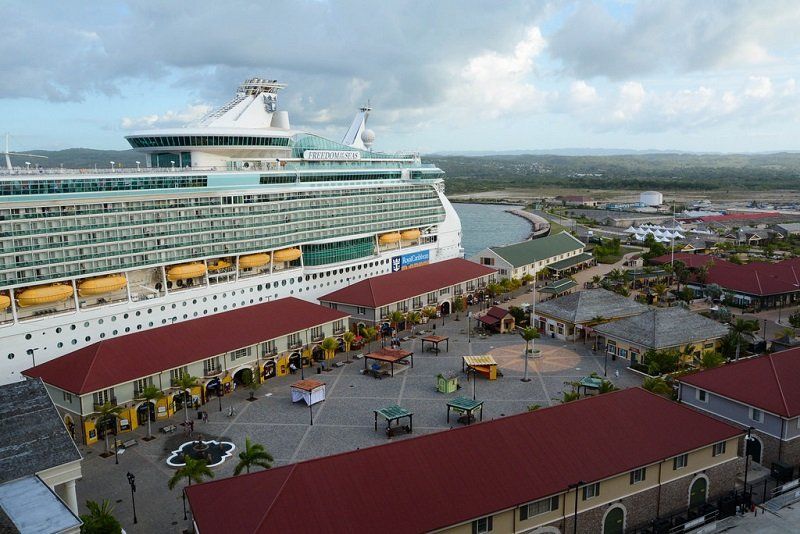
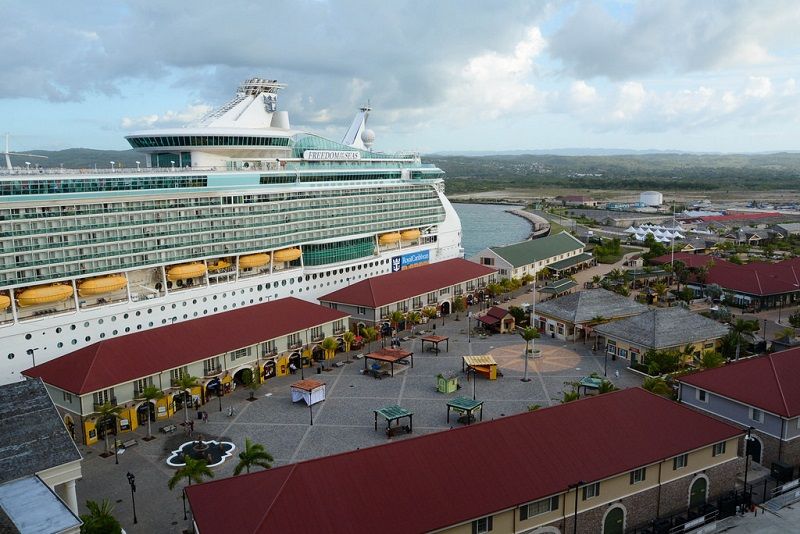
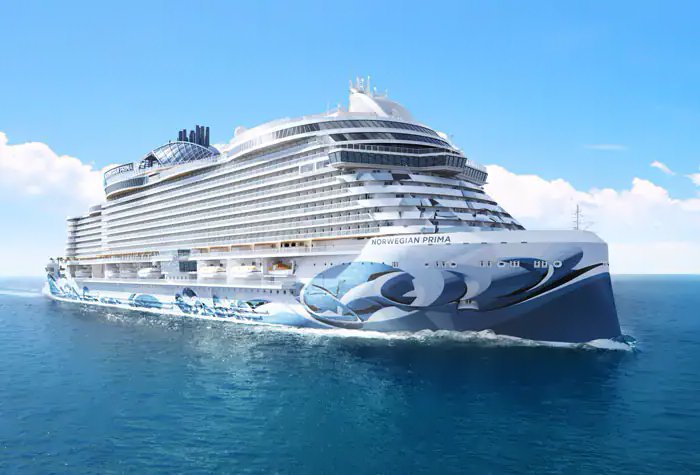
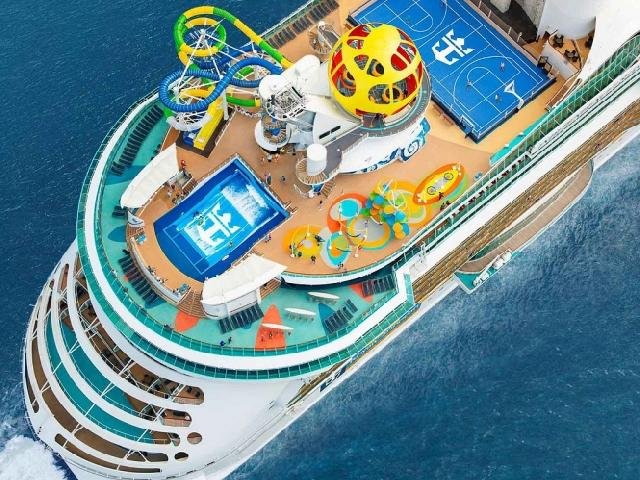
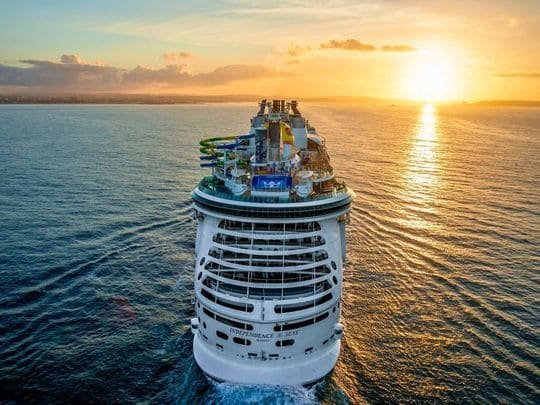
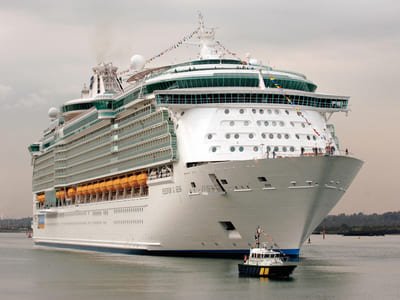
in 2011 the port finally opened! Now magnificent cruise liners
stop here, and the town’s infrastructure is designed
for visiting tourists.
Here there is a huge concentration of historical
architectural
sights; the port city offers its guests a wide choice of
entertainment both on water and on land.
Jamaica is the third largest island in the group of the Greater Antilles.
This island nation is part of the British Commonwealth in
the West Indies. To the northwest it borders
Cuba’s territorial waters; to the east with
Haiti’s territorial waters; to the south with
Colombia’s territorial waters.
ClimateJamaica is located in a tropical climate zone with the dominance of
northeasterly trade winds. The temperature changes only slightly
throughout the year: the January averages are 24–25 °C, and
July averages 26–27 °C.
Rainfall is seasonal and is especially intense in May and October, although
in the summer months there are also thunderstorms with heavy
downpours. The rainy season lasts from
May to October, and in the winter months (from December to March) cold northern winds from
the North American continent reach the island.
Jamaica is located in the Atlantic hurricane belt, which causes
significant damage to the population and the economy.