Fort Stella
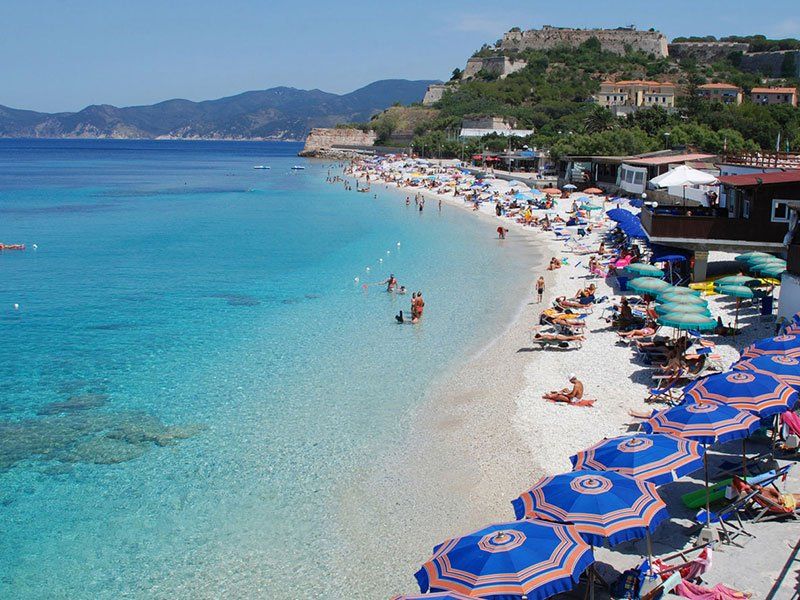
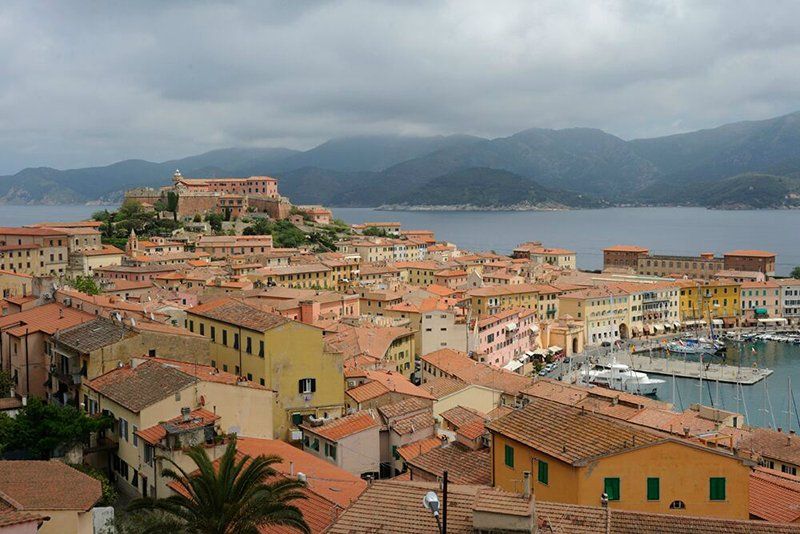
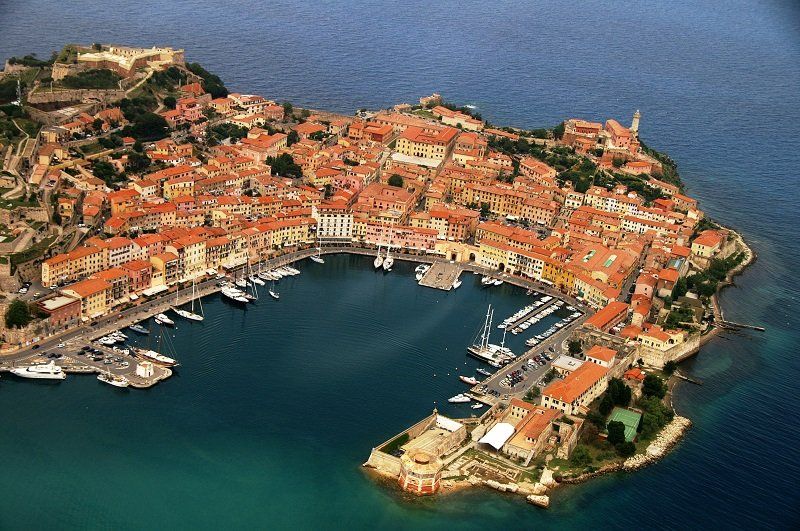
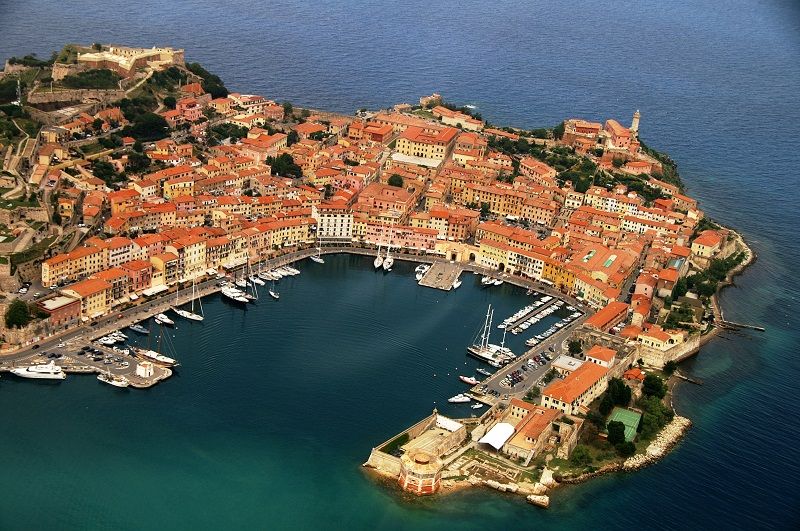
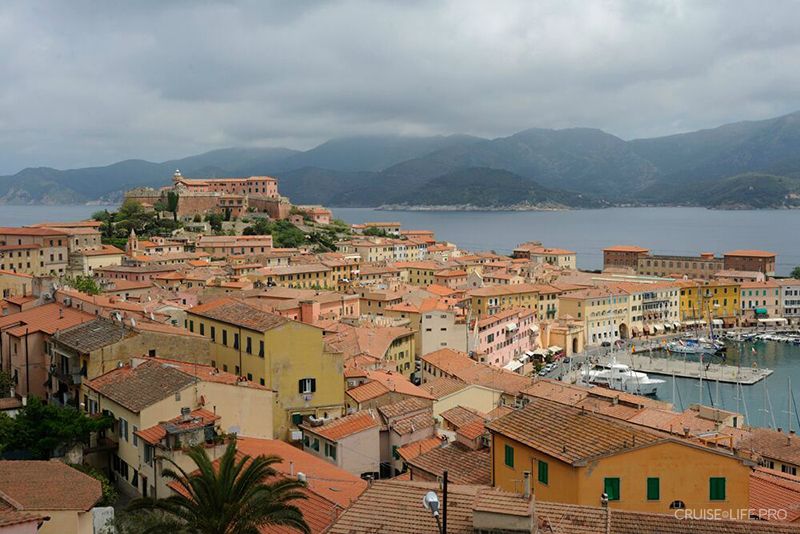
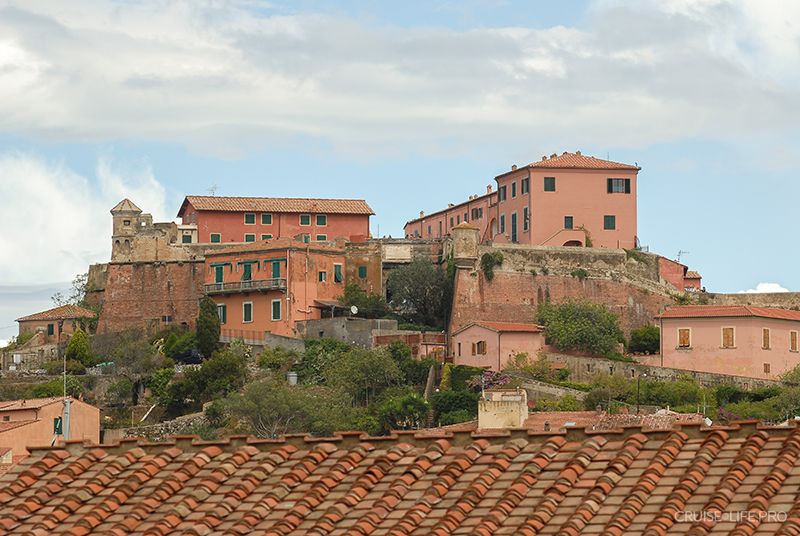
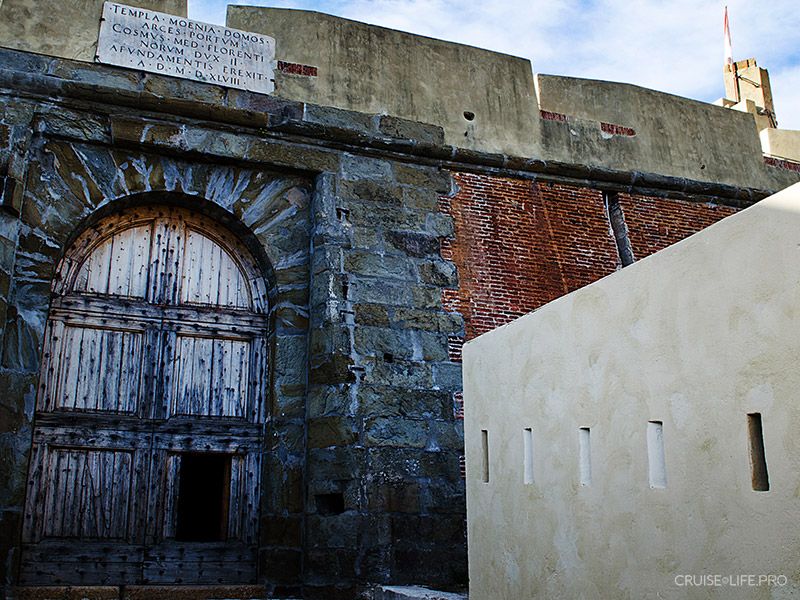
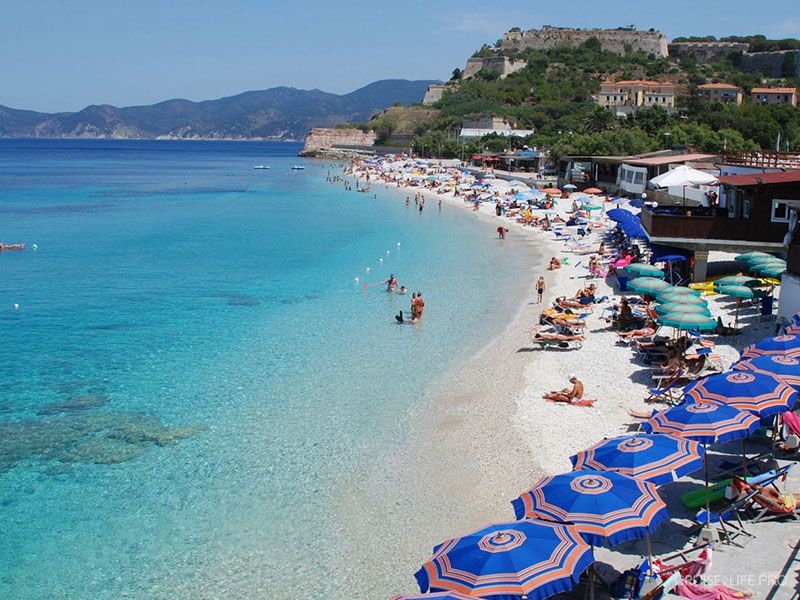
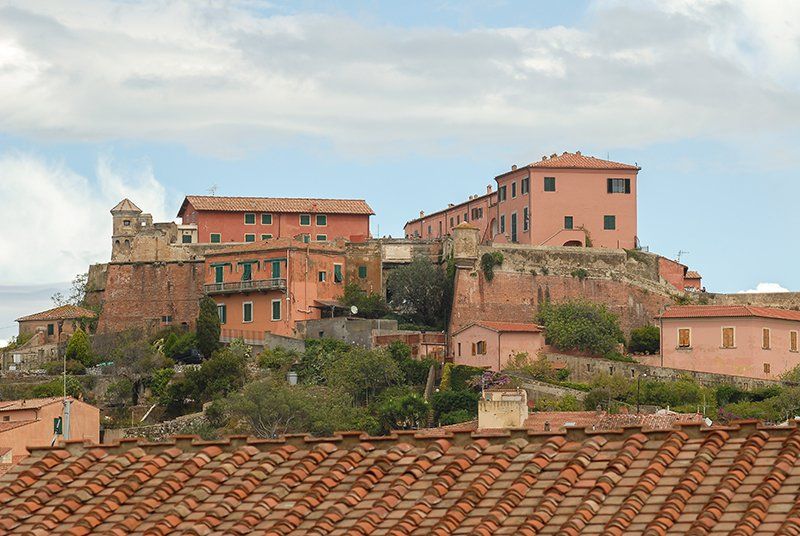
Fort Stella has served as the coastal fortification of Portoferraio since 1548. The fort was named for its shape - an irregular pentagon. The design of this powerful fortification was created by architects Giovan Batista Beluzzi and Giovanni Camerini. It consisted of several structures, and it was additionally surrounded by moats; and its entire layout accounted for the terrain on which it stood. As a result, the complex has many passageways and underground rooms, used as temporary shelters. Externally, the fort’s structure is enclosed by brick walls on massive supports. The upper part of the fortress stands out thanks to five corner bastions with watch posts. On the north-eastern side, you can see an ancient lighthouse.
Ancient Roman Villa delle Grotte
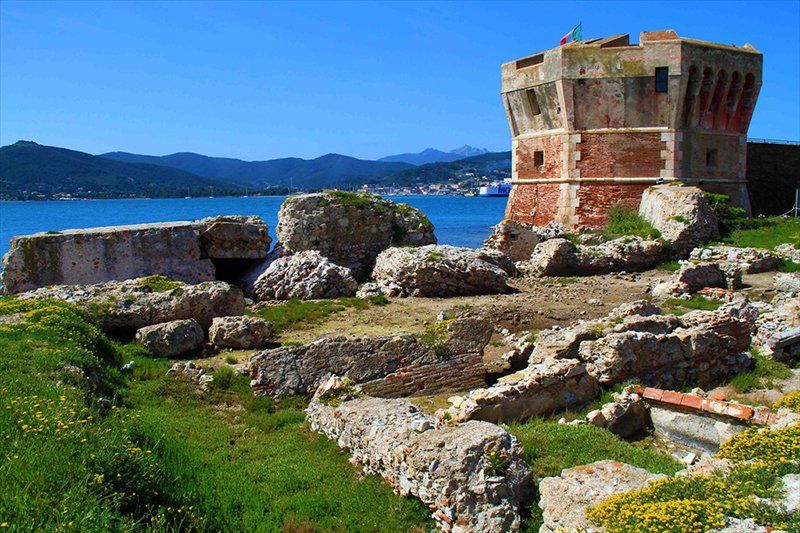
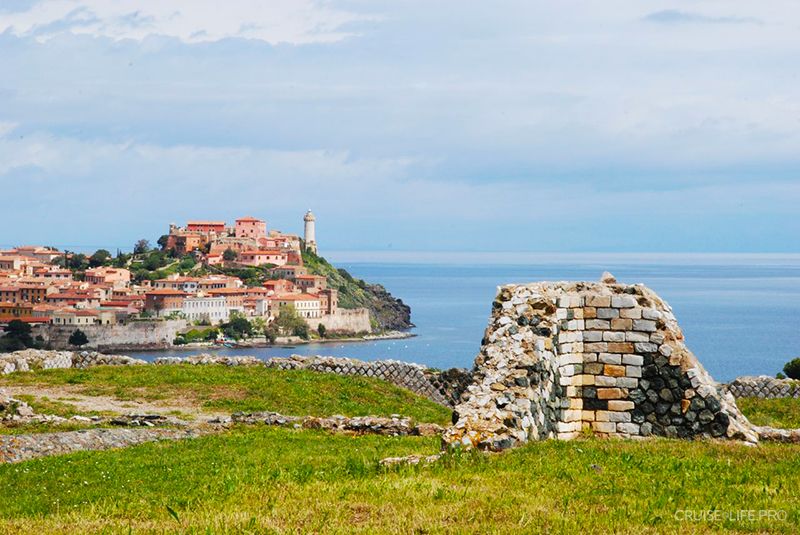
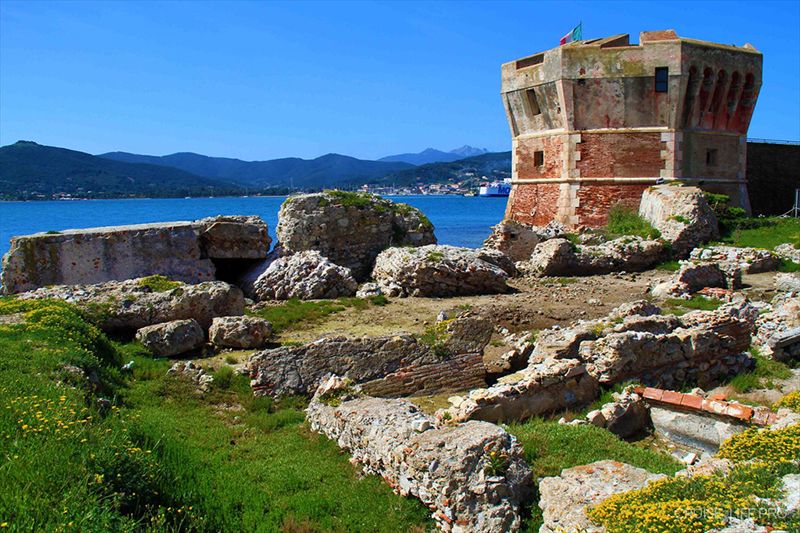
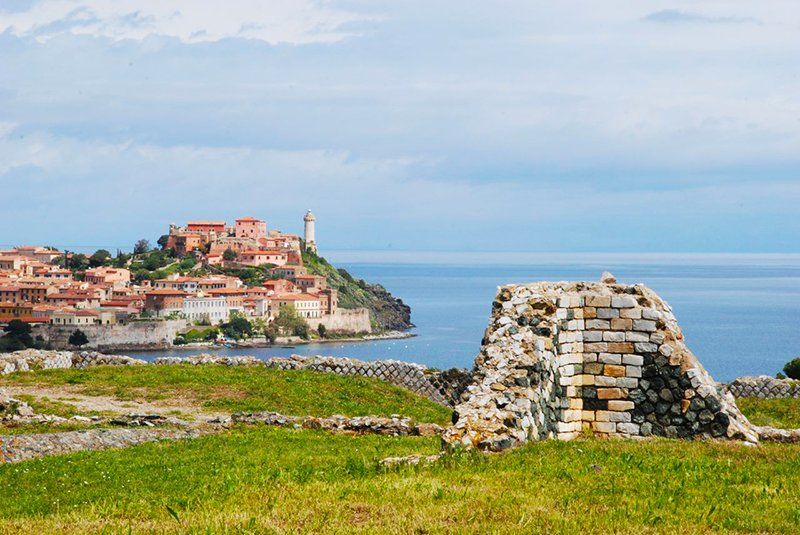
The ancient Roman villa “delle Grotte,” which has survived to our day in the form of ruins, was built in the 1st century BC. It is located on the eponymous headland, where a wonderful view of the Portoferraio bay opens up. The villa was discovered during excavations led by Giorgio Monaco in the period from 1960 to 1964. Further research made it possible to determine what its structure was like. The villa was built using a special type of ancient Roman masonry, “opus reticulatum.” The central feature was a large pool with an open courtyard, surrounded by a covered colonnade. On the property there were three large gardens, one of which was located along the shoreline. There was also a distinctive spa complex here, with a caldarium (warm bath) and a frigidarium (cold room).
Residence of Napoleon Bonaparte
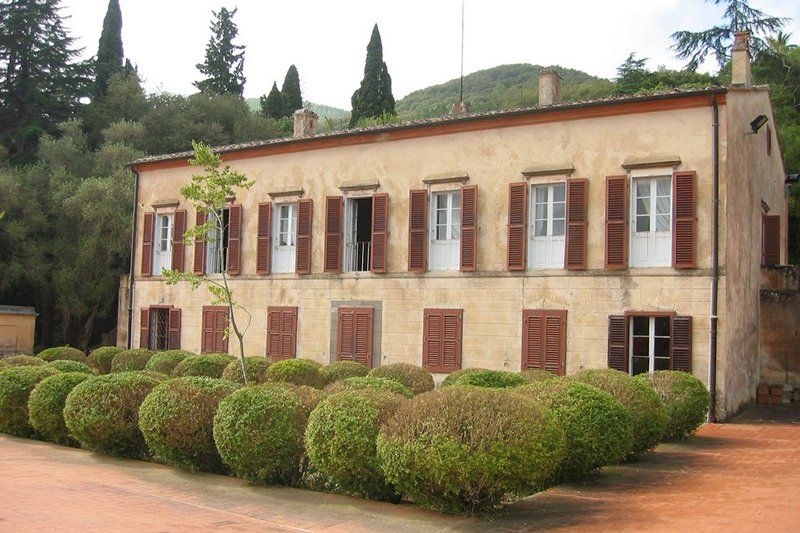
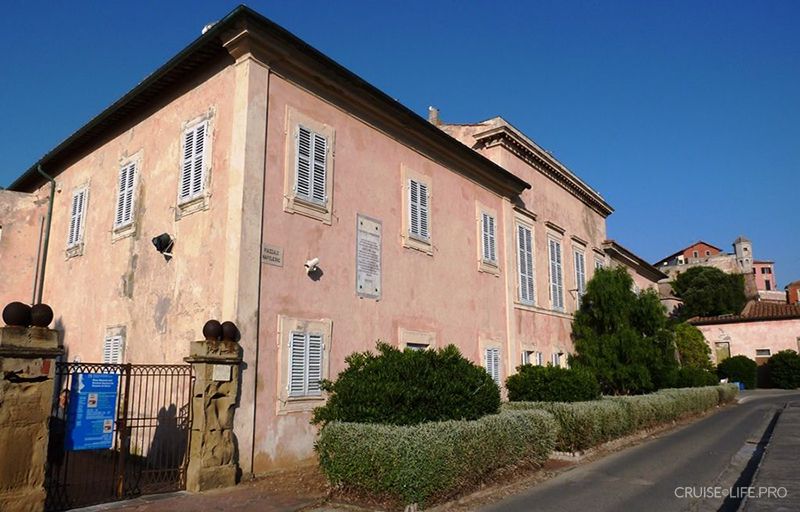
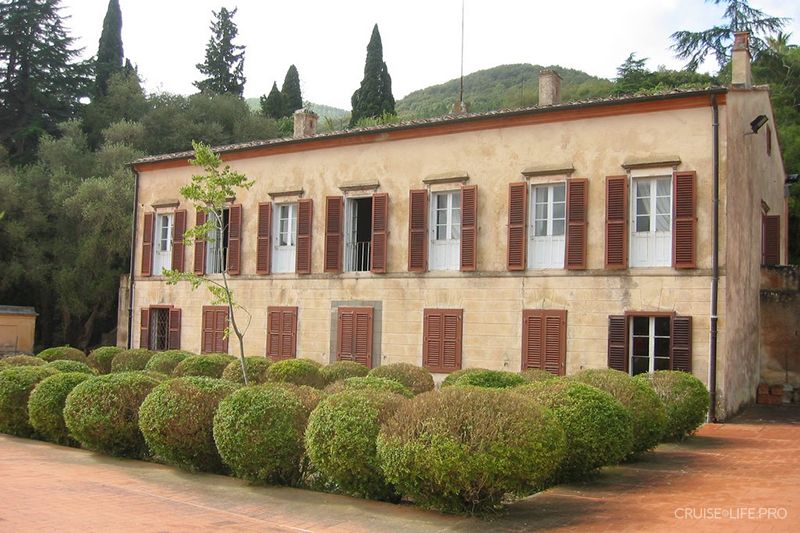
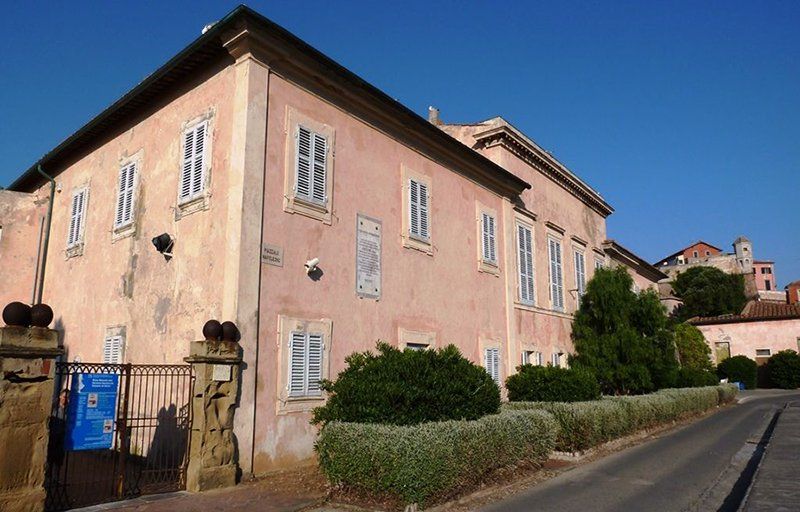
The residence of Napoleon Bonaparte, the Palazzina Dei Mulini, was intended for the emperor’s public life in exile in 1814 - 1815. Its name “Mulini” comes from the mill on whose site the house was built. In the mid-19th century, the two-story neoclassical building was reconstructed and converted into the national museum of Bonaparte. On its façade, you can see beautiful sundials that have been preserved since Napoleonic times. The house’s interior has retained its original features, including Empire-style furniture, wall paintings, and inlaid mirrors. The museum’s impressive exhibits include paintings, the emperor’s personal belongings, documents, and commemorative gifts. Of particular interest is Napoleon’s library.
Fort Falcone
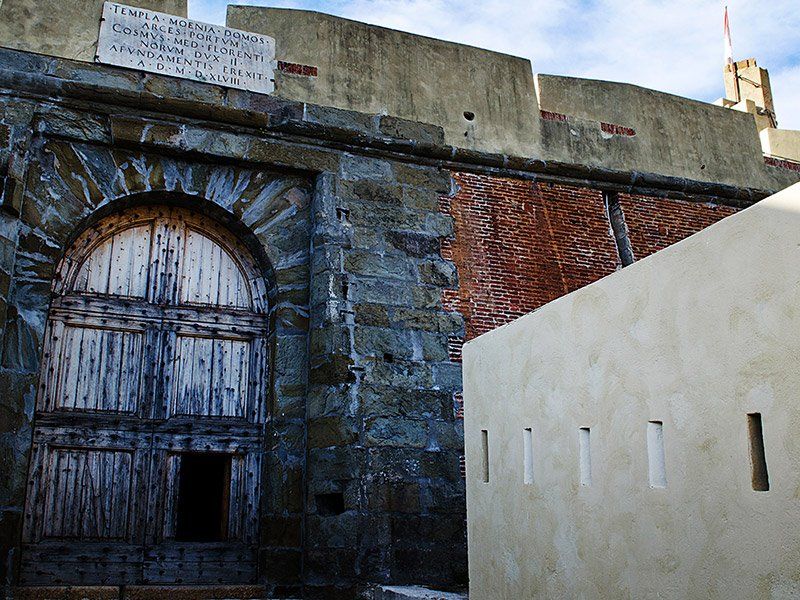
Fort Falcone is a coastal fortification of the city of Portoferraio, built in 1548 according to the design of Giovanni Camerini. Together with the Fort Stella and the Lingella Tower, it was part of a powerful defensive system on the island of Elba. The fort was an imposing fortress located north of the city port. It had a quadrangular layout with high walls and watchtowers. Beneath them ran underground tunnels used as storage areas and prisons. The total area of the fort was about 2,500 square meters. The fortress has been well preserved to this day. While strolling around its grounds, travelers can enjoy a picturesque panorama of the island and the bay.
Church of Mercy
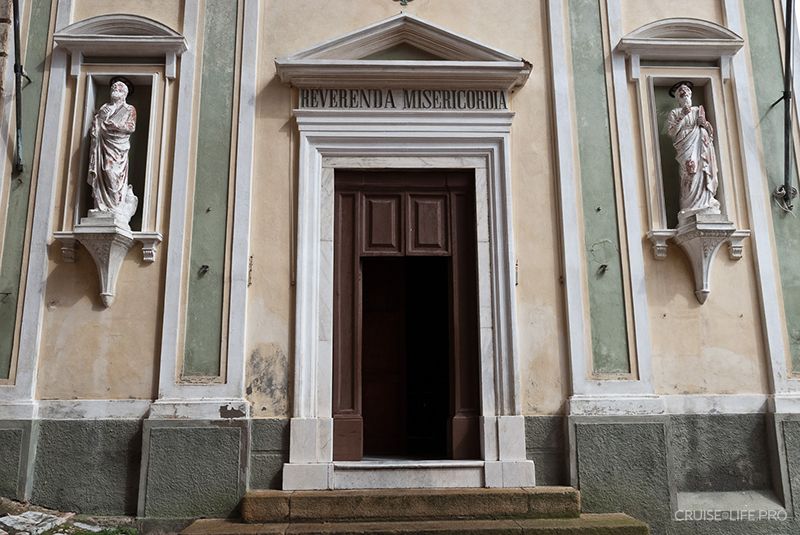
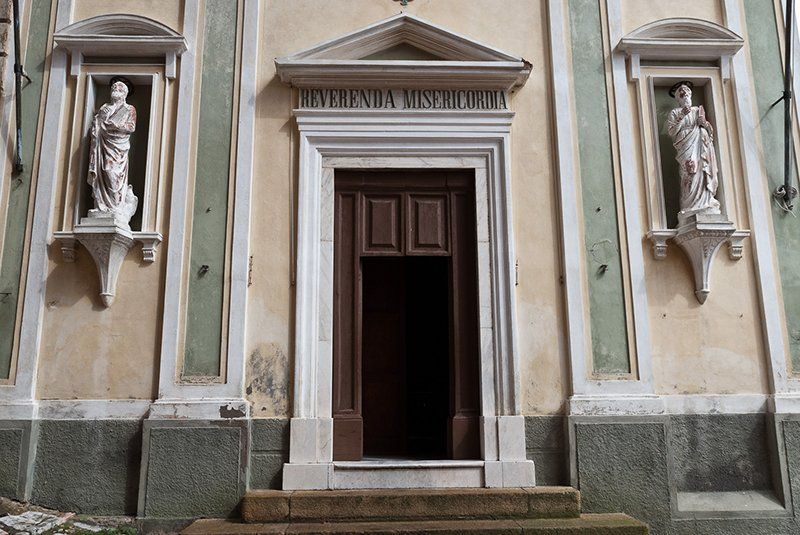
The Brotherhood of Mercy was founded by Reverend Giovanni Medici in 1566. In 1677, a small church was built for worship services and named in honor of the Brotherhood as the Church of Mercy. In this cathedral, the relics of Saint Christina the Martyr, the patron saint of Elba, are kept. Starting in 1852, a Mass in honor of Napoleon has been celebrated here every 5 May. Of particular value is the organ built in the church in 1792, and the statue of the Madonna and Child, created by Giovanni Pisano’s student, Tino Camaiano. Next to the church there is a small museum housing the Brotherhood’s sacred relics and items associated with Napoleon.