

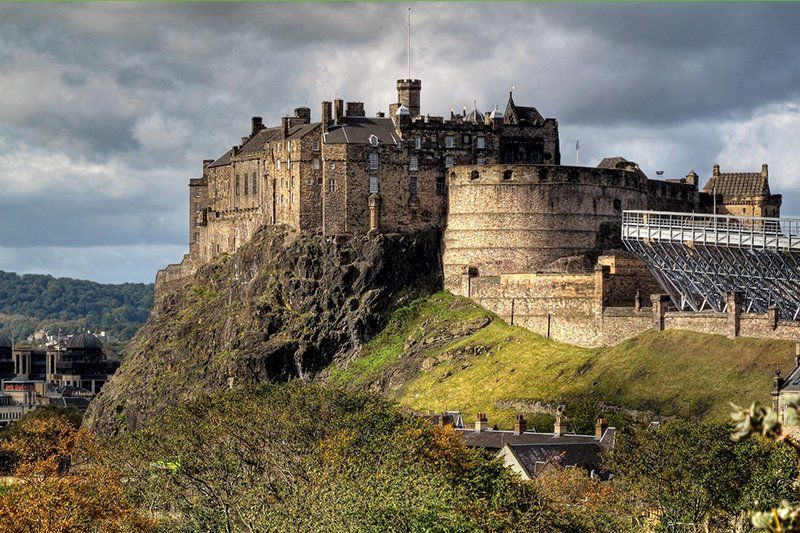
Edinburgh Castle
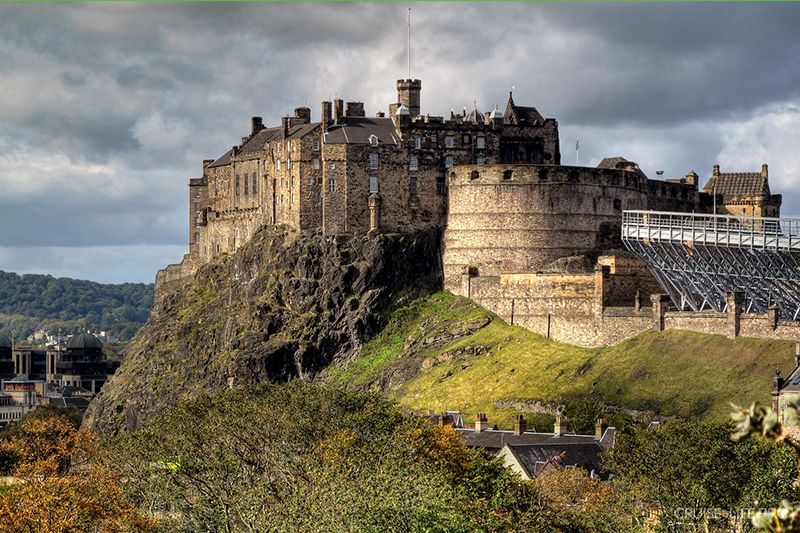
The famous castle, a symbol of Scotland, can be seen from practically anywhere in Edinburgh, since it stands right in the middle of the city-on a steep cliff, once a once-active volcano. Inside the medieval walls there is a treasury, where ancient weapons, jewelry, and other historical treasures are kept. The most important of these are the golden Crown of Scotland and the Stone of Destiny (or the Stone of Scone), on which Scottish rulers sat during their coronations, hoping that the stone would grant them the wisdom and foresight needed to govern the country.
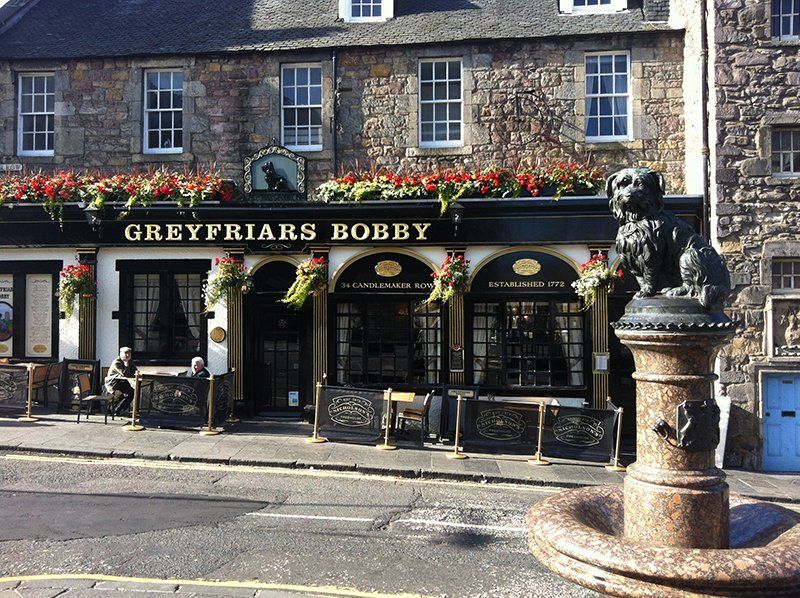
Monument to the dog Greyfriars Bobby
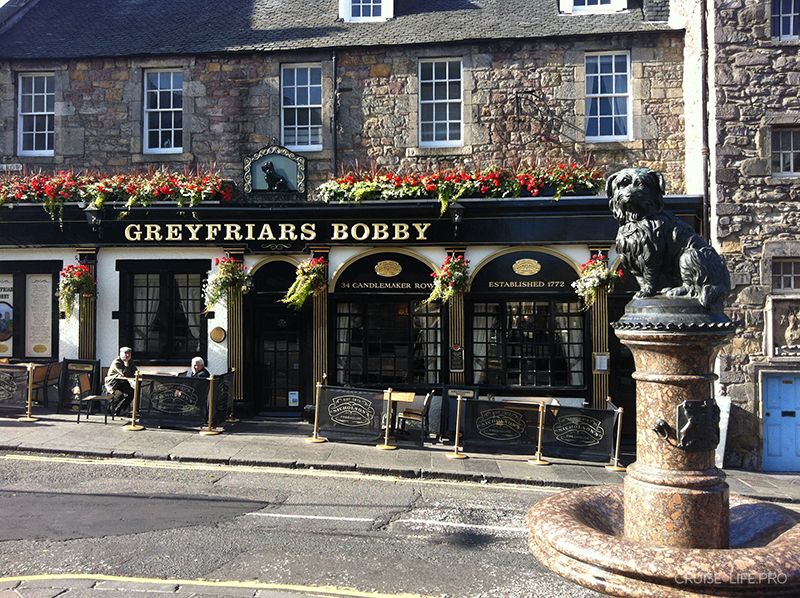
In the 19th century, Bobby the Scottish Skye Terrier became one of the most famous dogs in the world thanks to his loyalty to his owner. The little dog was a faithful companion to Police Officer John Gray, who served as a night watchman. When the officer died of tuberculosis, Bobby endured the separation from him very hard and began to sit by his grave for days on end. That’s how he spent the remaining 14 years of his life. Struck by Bobby’s loyalty, the head of the town ordered a special collar for him, engraving his name on it and writing the word “permitted.” This was done so that the ownerless dog would not be put to death as a stray. Bobby’s monument was erected in 1873, a year after the terrier’s death. The dog himself was buried in front of the cemetery gates, not far from his owner.
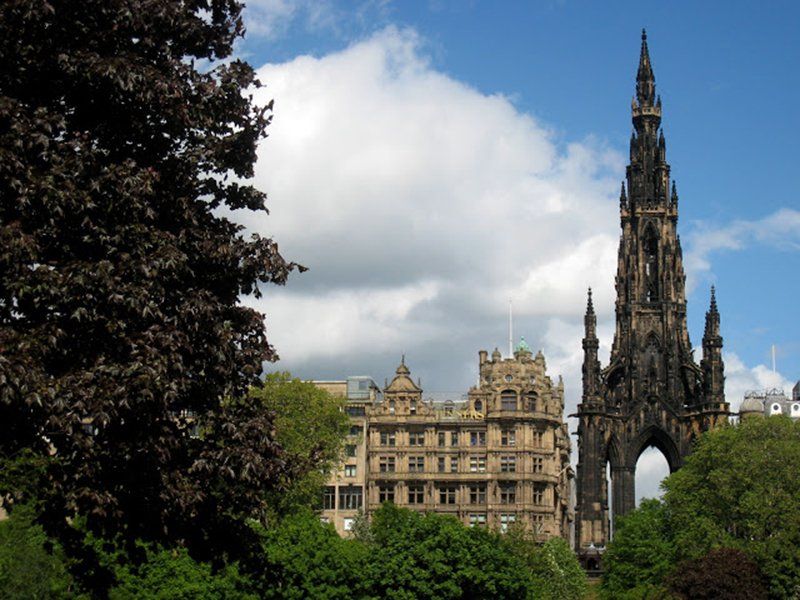
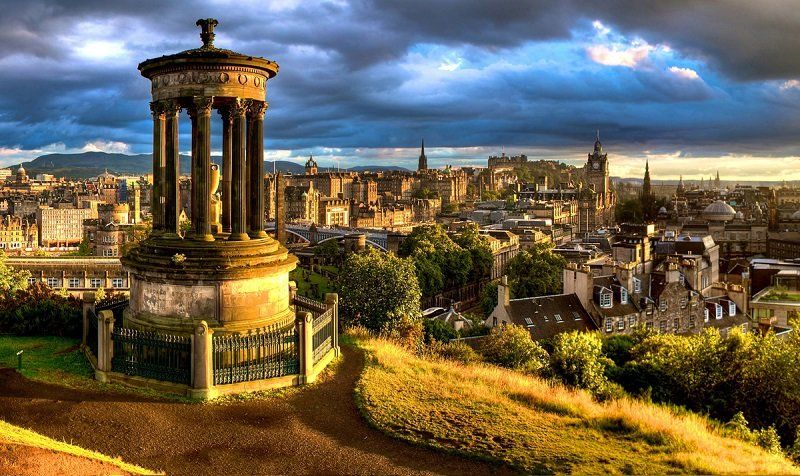
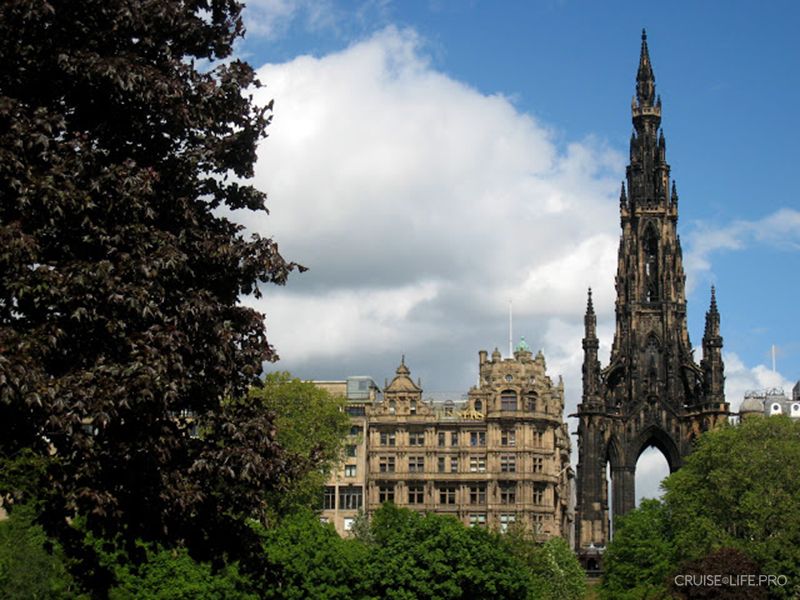
Monument to Walter Scott
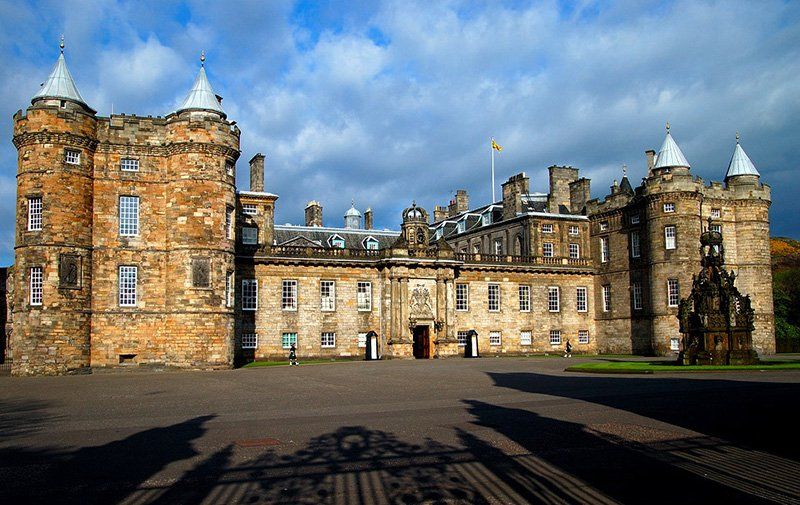
Holyrood Palace
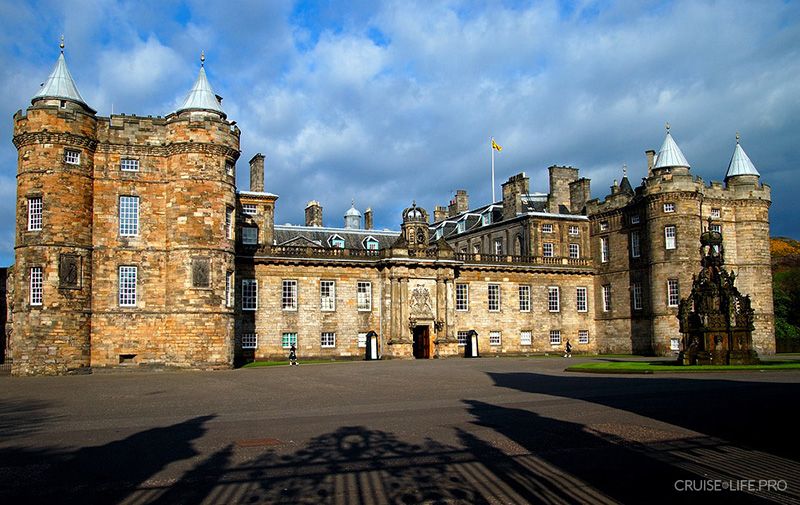
Holyroodhouse in the 12th century was a monastery. And now it is one of the official royal residences, much like Buckingham Palace. It was at Holyroodhouse that Mary, Queen of the Scots, lived, and it was here that conspirators stabbed her secretary-an Italian, Riccio-with daggers. At the site of the murder, in the finest traditions of British ghost stories, an indelible bloodstain remains, and so that visitors won’t miss it, it is marked with a special plaque. The main value, however, is the chance to visit Mary’s private rooms and the recently opened Queen’s Gallery, where temporary exhibitions of treasures from the royal collection are held. However, an extra fee is required to enter the gallery’s temporary exhibitions.
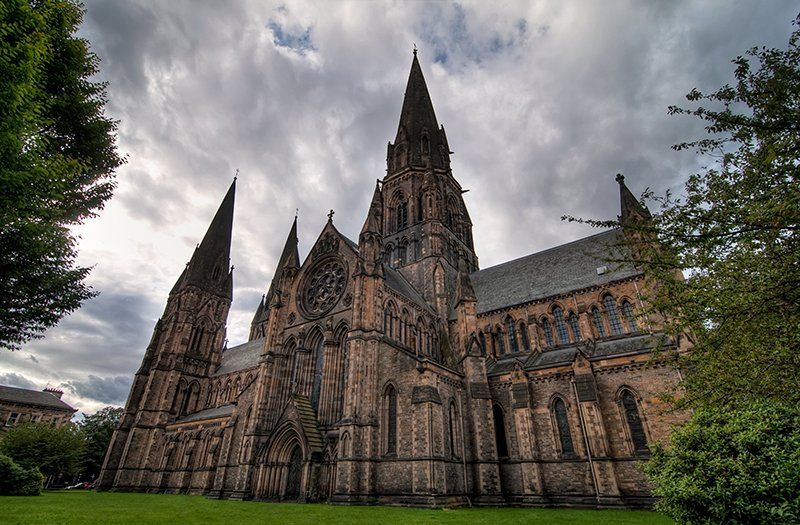
St. Mary’s Cathedral
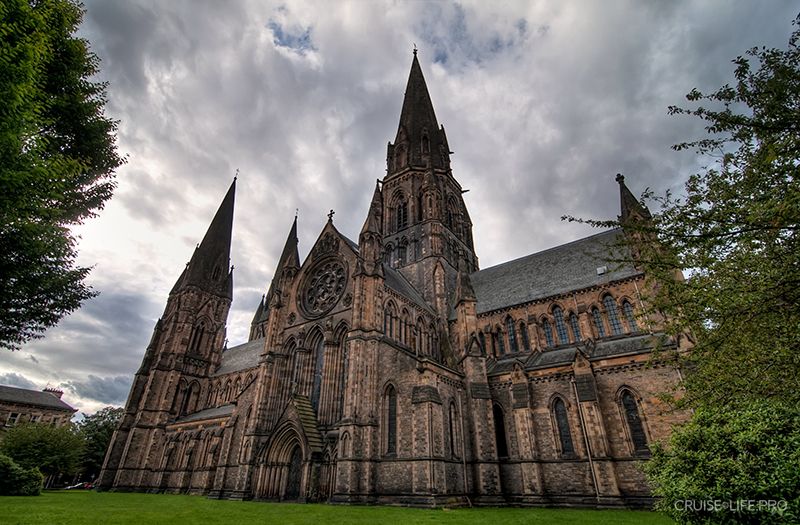
St. Mary’s Cathedral is the only cathedral in Scotland that has preserved the tradition of daily choral singing. The cathedral was built in the late 19th century in the West End. It was designed by architect George Gilbert Scott, who turned the cathedral into one of the best examples of Gothic Revival architecture in Scotland. The foundation stone was laid in May 1874. Inside the stone, a vessel was placed containing a copy of the trust deed, as well as newspapers and coins. Later, in the early 20th century, twin spires were erected in the western part of the building. Externally, the Cathedral looks majestic, in the spirit of Enlightenment-era Britain. Thanks to its architecture and unusual lighting, it is one of the most beloved attractions.