Dublin, Ireland

Port of call

Dublin, Ireland

Description — Dublin, Ireland

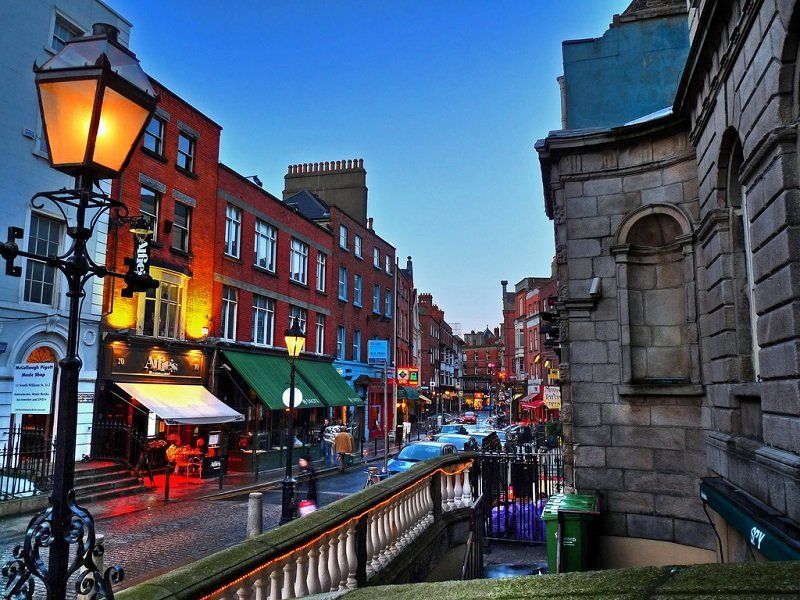
Dublin is a city-county in Ireland and the country’s capital. It is located in County Dublin (Leinster province). It lies where the River Liffey flows into Dublin Bay of the Irish Sea. The largest city on the island of Ireland and in the republic, covering almost 115 km². The country’s main port on the Irish Sea. The main center of the country’s political, economic, and cultural life. The River Liffey, the largest river that runs through the territory of present-day Dublin from west to east, divides the current city into roughly two equal halves: the north and the south.

Dublin really impresses: with the history that took place here, the old buildings that have been preserved here, and the amount of drinking that is steadily growing here. It is these cheerful red-haired revelers who give Dublin its slightly unruly, but quite friendly, atmosphere and the charm of a kind of “provincial capital.” The sense of provinciality is reinforced by the city’s appearance as well-first of all, compared with other European capitals, Dublin is not that big (and Moscow is even smaller by a factor of 20); secondly, there are very few modern “glass” buildings that, in recent years, have been taking over large cities at a frightening pace; and thirdly, there are many parks and gardens, which the city authorities take great care of. The sights here, however, are more than enough for a standard vacation-no wonder Dublin is so loved by travelers from all over the world.

Climate

Dublin has a temperate maritime climate, with characteristic mild winters, cool summers, and no sudden temperature swings. The maximum temperature in January is - 8 °C, and in July - 20 °C. The sunniest months are June and July. Dublin receives about half as much rainfall as Western Ireland, and the amount of precipitation is roughly the same as in London. The wettest months of the year are December and August, during each of which 74 mm of precipitation or more falls. The driest month is April, with up to 45 mm.

Because of the high latitude where Dublin is located, daylight hours can be as long as 19 hours, and short winter days last up to 9 hours. Strong gusty winds sometimes affect Dublin, but overall they are felt more strongly in other parts of Ireland than in the capital. The likelihood of strong winds exists throughout the year, highest in winter, especially between October and February. The coldest months are December, January, and February. From November to April, snow also falls, but it lasts only slightly more than 4–5 days.

Location on the map

Sights

St. Patrick’s Cathedral

St. Patrick’s Cathedral

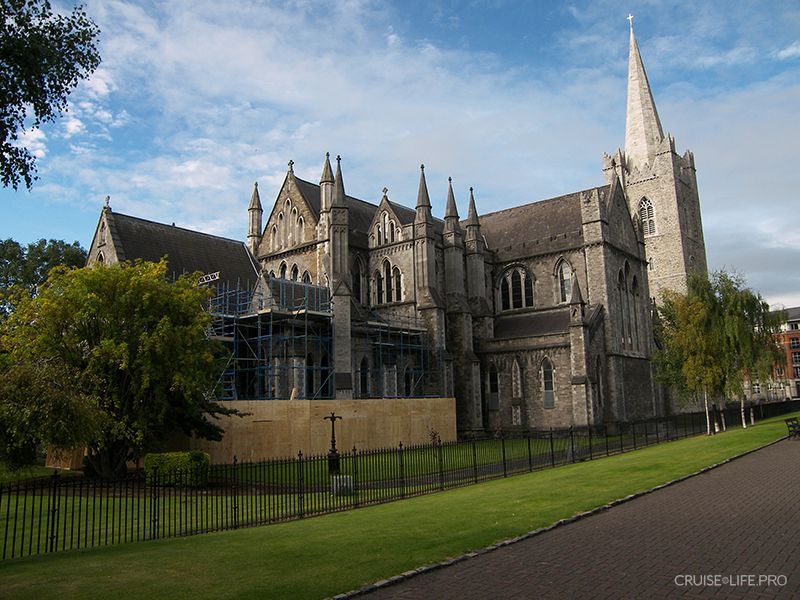
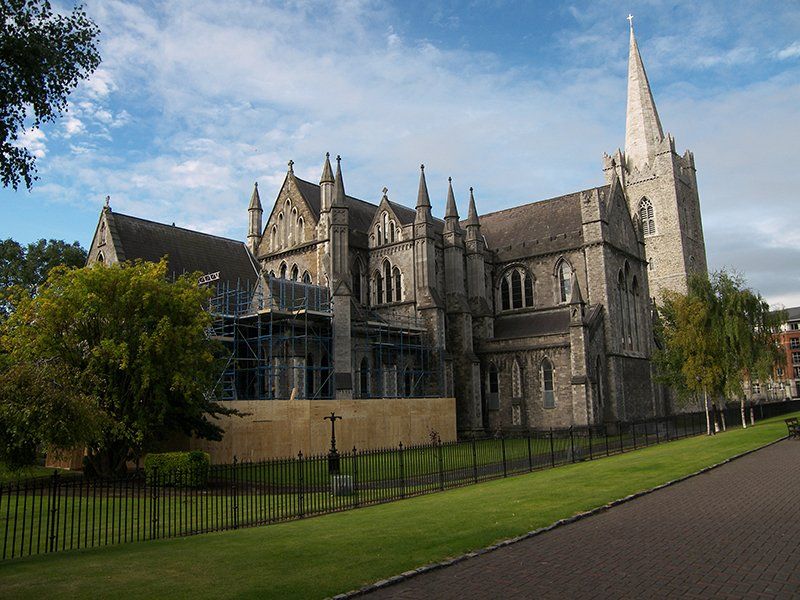
This is the largest cathedral in Ireland. It was decided to build it in the 12th century on the site where, according to legend, Saint Patrick baptized the Irish. Not far from the cathedral there is a flowerbed, on the site where a well used to be. From there, Saint Patrick took water for baptism. On one side, it is a church with all the religious attributes; on the other, it is a museum: in the cathedral lies the author of “Gulliver” Jonathan Swift, who in the 18th century was its dean. The temple houses a whole exhibition, where the writer’s works are displayed, along with his death mask, as well as his table and chair. Above the cathedral choir, there are heraldic banners that have remained ever since knights of the Order of Saint Patrick were invested within the cathedral walls. Concerts are also held in the cathedral.
Dublin Needle

Dublin Needle

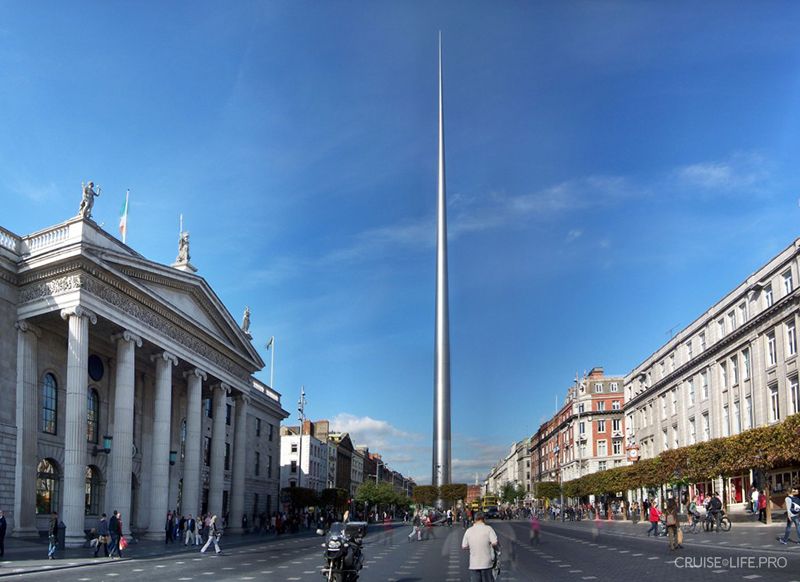
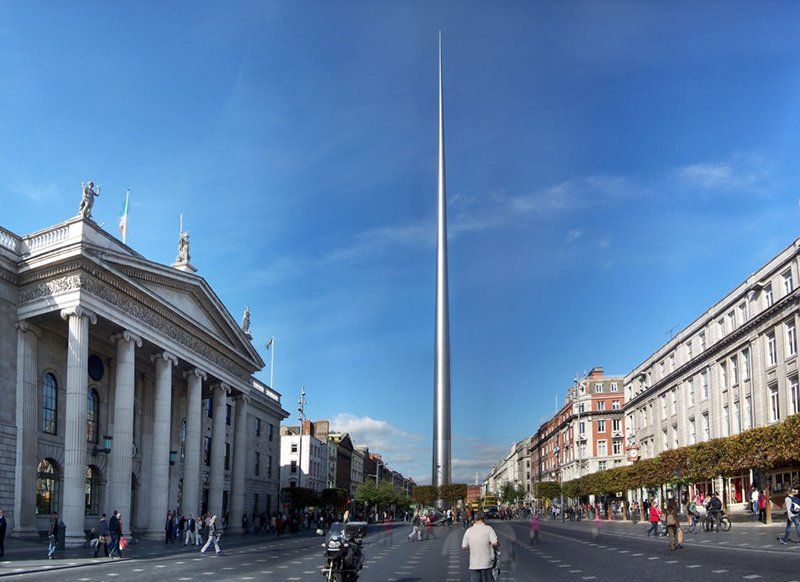
A steel monument in the form of a needle piercing the clouds, officially known as “Monument of Light”, is the tallest monument in the world: it stands 120 meters tall. Visible from afar and, thanks to its neon illumination in the evenings, it serves as a city landmark for late-night Dubliners.
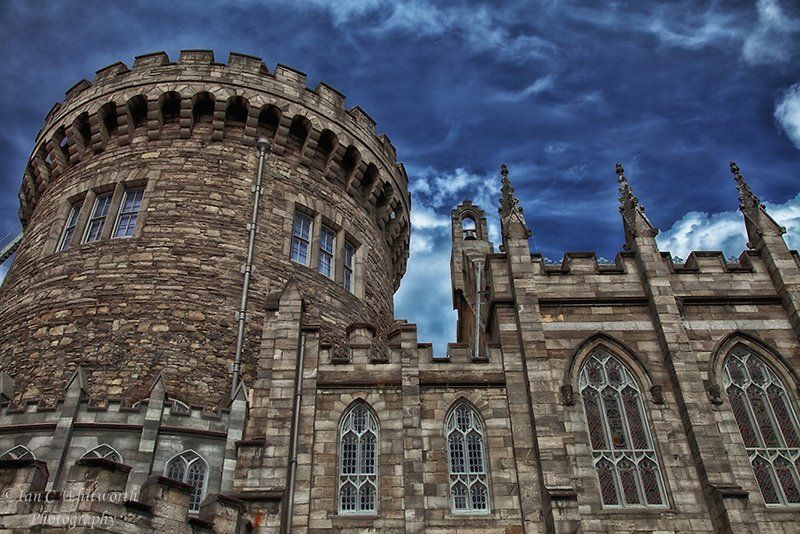
Dublin Castle

Dublin Castle

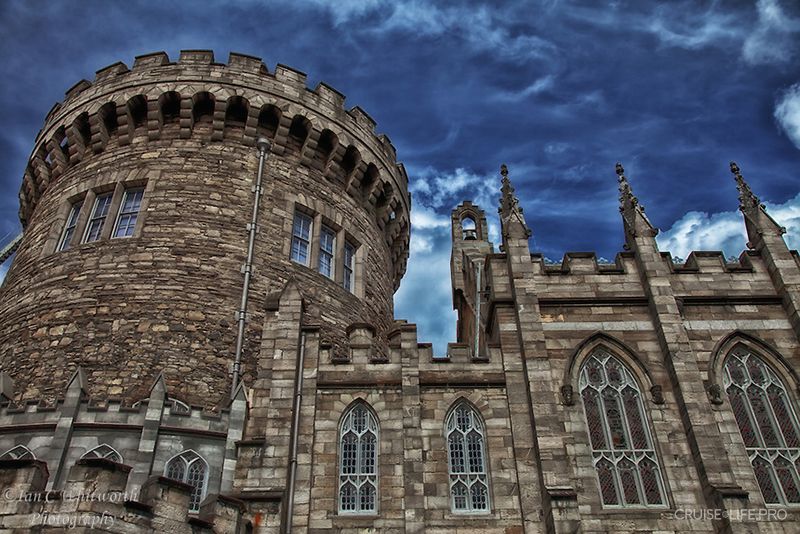
For centuries, Dublin Castle remained an “wasp’s nest” for the Irish. Here, 700 years of English Crown viceroys met in Ireland. The castle was built in the 13th century, presumably on the site where a settlement was founded by the Vikings. Construction began right after the Anglo-Norman invasion (at that time, many fortress castles appeared in Ireland). It was practically constantly rebuilt. That’s why only the “Record” tower remains from the earliest buildings-and even that has a 19th-century extension. The fortress was converted into a state treasury, a prison, and even a court. Later, its stone walls reliably protected the English administration. The English returned the castle to the Irish only in 1922. Today, it houses a variety of spaces: a royal chapel, a treasury, and a restaurant.
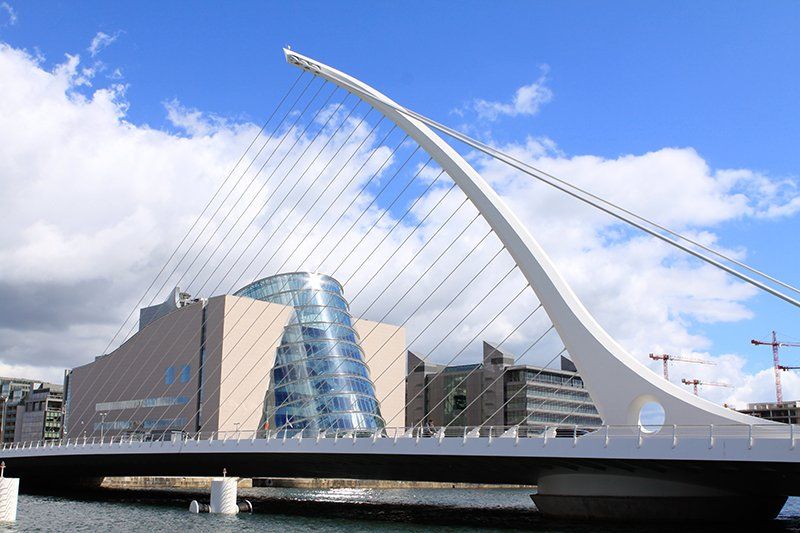
Samuel Beckett Suspension Bridge

Samuel Beckett Suspension Bridge

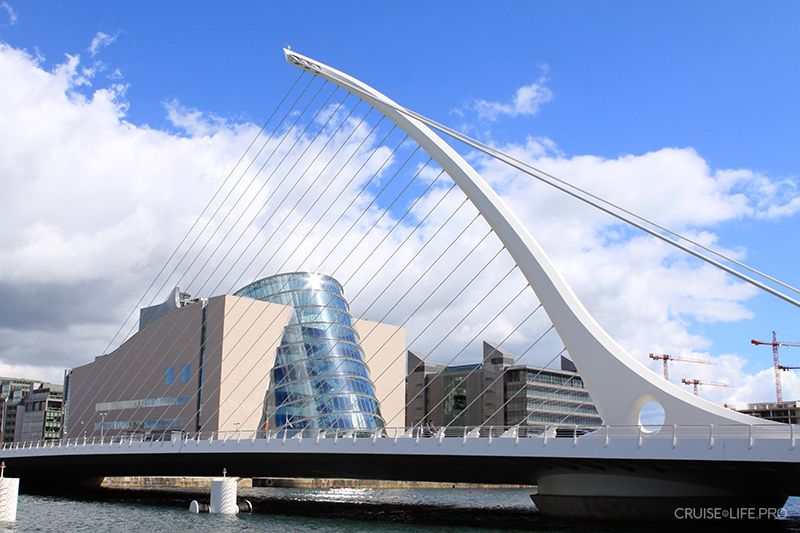
The Samuel Beckett Suspension Bridge is a unique structure built quite recently. The bridge can rotate 90 degrees, thereby opening the way for ships traveling along the river. Externally, it resembles a harp, which is not only the logo of Guinness beer, but also a political symbol of Ireland. The image of the harp is used on the coat of arms, on coins, in passports, in official state documents, and also on the seals of the president and the government.
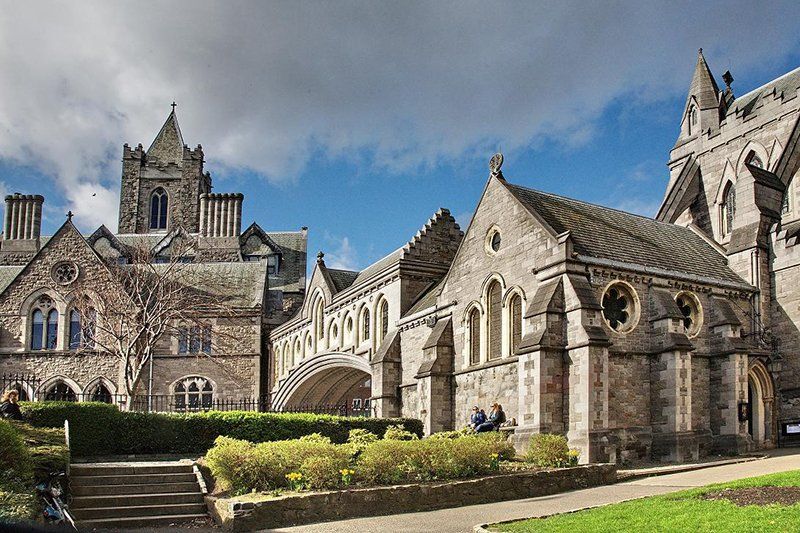
Christ Church Cathedral

Christ Church Cathedral

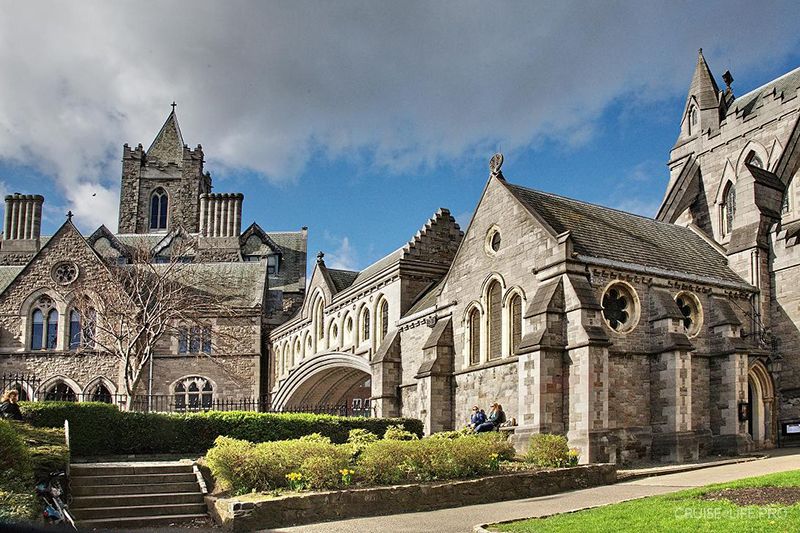
The cathedral was erected long ago, during the time of the Vikings, in 1030, and its current appearance dates back to a reconstruction in 1180. The cathedral building is connected by a stone passage to the house for church assemblies-the synods. The nave columns belong to the early 13th century. Each column is clad with Dandrian stone brought from Bristol. The crypt of Christ Church Cathedral is one of the largest medieval crypts in Ireland and the UK, as well as the oldest structure in Dublin. One of the exhibits in a small exhibition is a mummified cat and a rat. It is believed that in the mid-18th century a rat and the cat chasing it got trapped in the organ pipes, where they subsequently mummified.
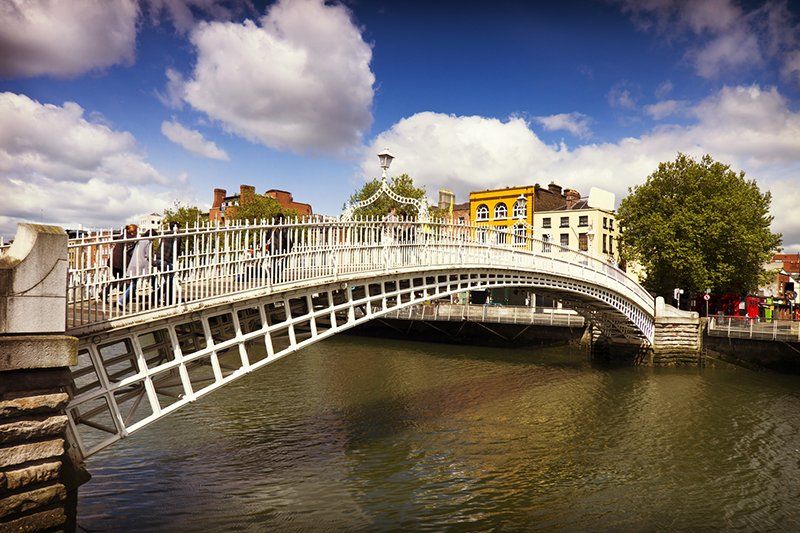
Penny Bridge

Penny Bridge

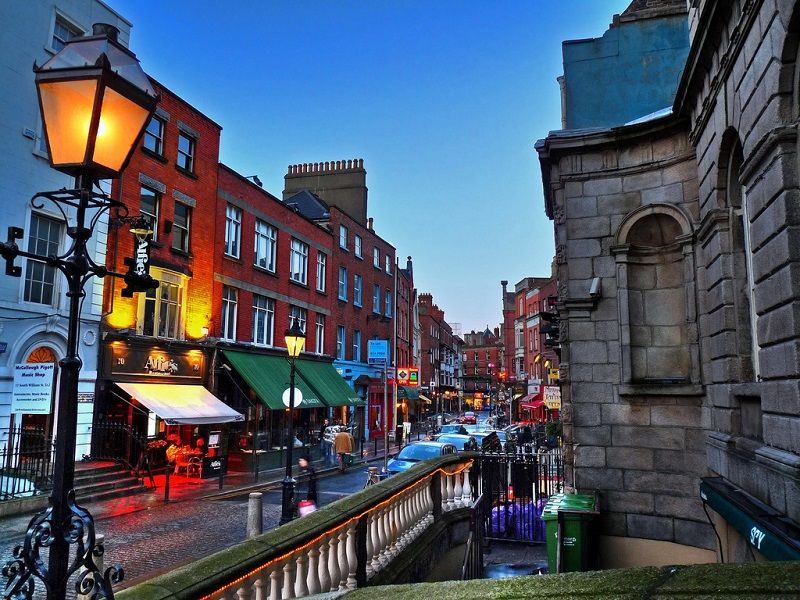
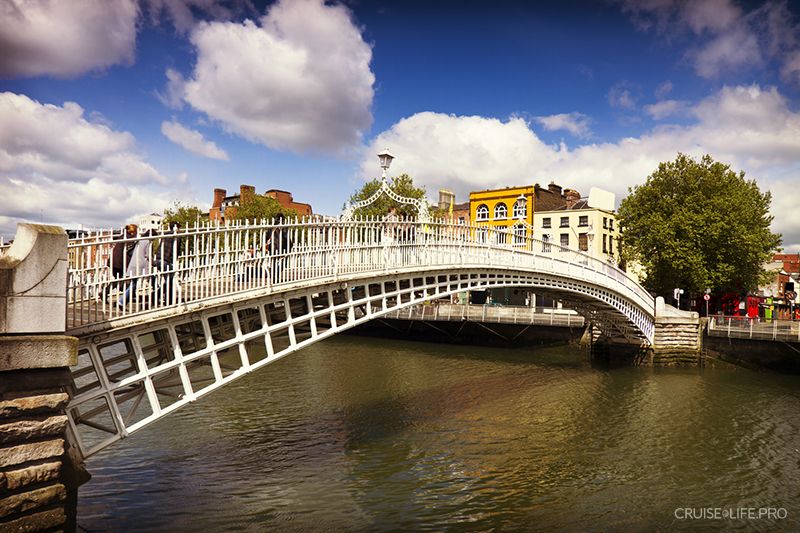
One of the most iconic attractions in Dublin is the Halfpenny Bridge - a pedestrian bridge over the River Liffey that is often photographed by tourists. The bridge got its name because, originally, crossing it was paid and cost half a penny.
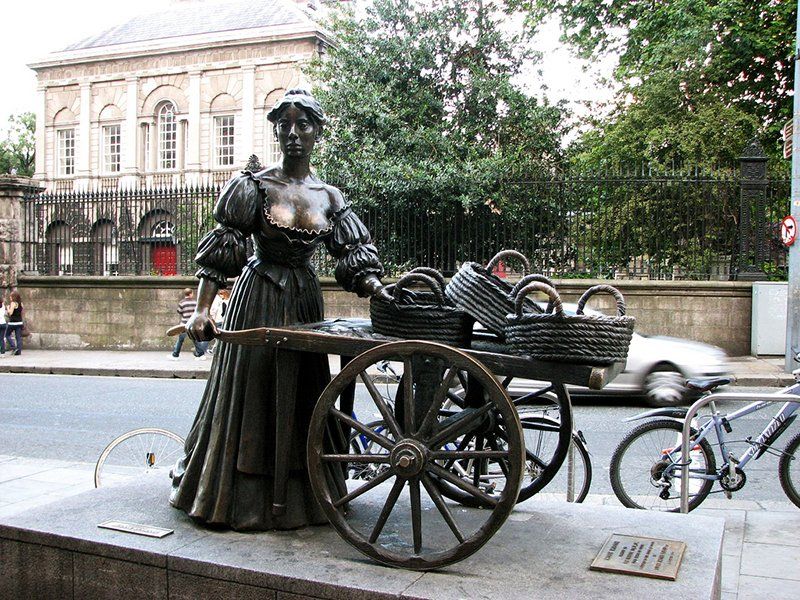
Molly Malone Monument

Molly Malone Monument

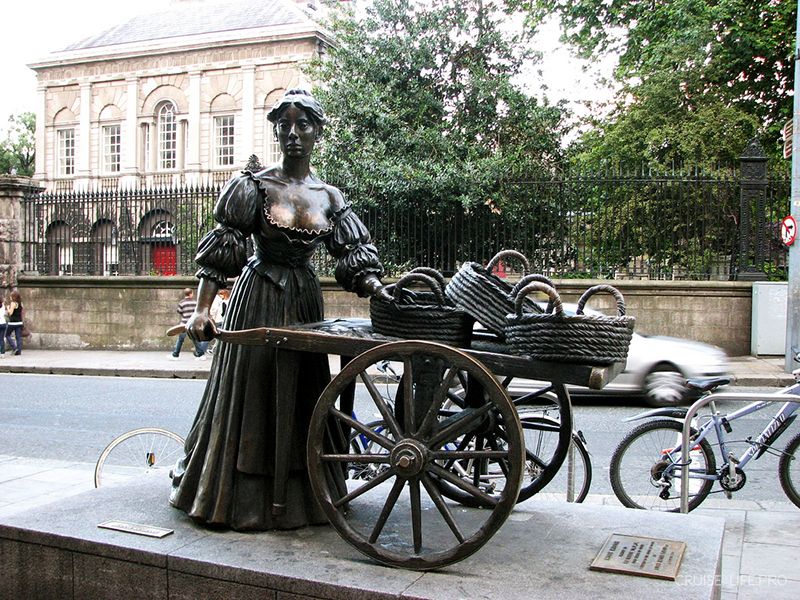
Molly Malone’s Monument is a monument to the heroine of the famous 19th-century Irish song “Cockles and Mussels.” But Dubliners say it was a real woman and that she actually once lived in their city. By day, Molly delivered fish and fruit on a cart, and at night she worked as a prostitute. That’s why locals call the monument “The Harlot with the Cart.”
What to see

Temple Bar Street

Temple Bar Street

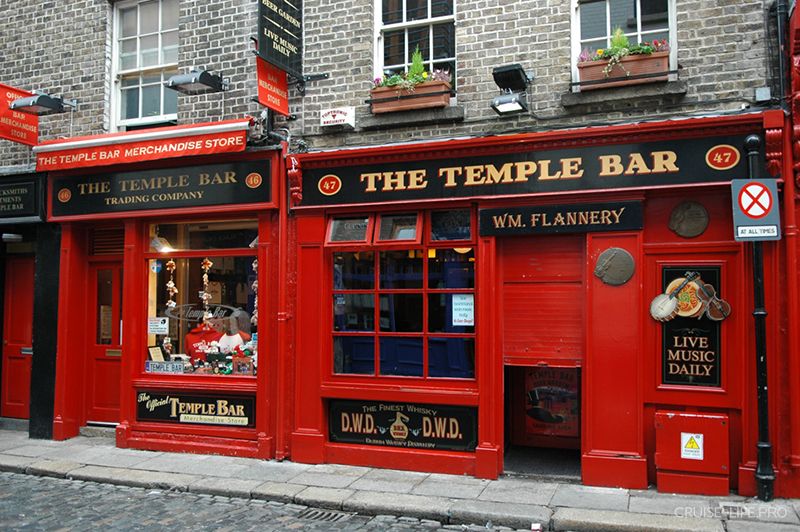
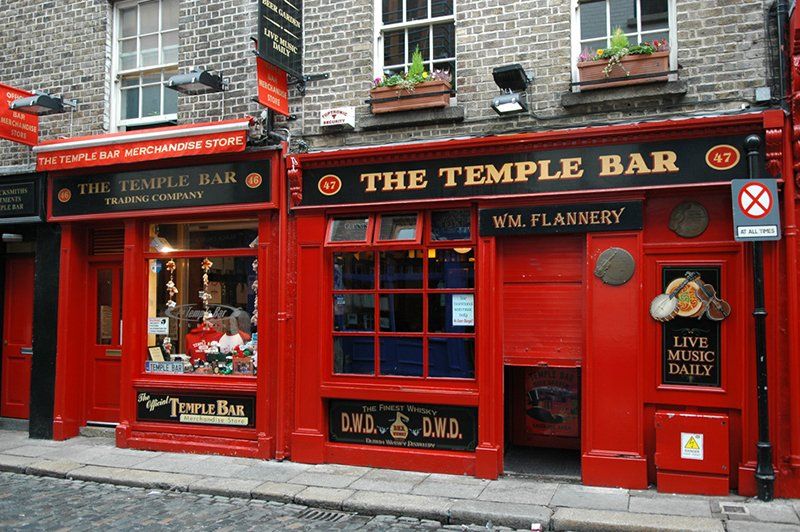
One of the oldest quarters of Dublin, located right in the city center between Dame Street and the River Liffey. It is named after William Temple, the rector of Ireland’s main university (Trinity College), who lived here in the 17th century, and the word “bar” refers to this area’s position on the riverbank. In the 1980s, Irish bohemia put down roots here, and over time Temple Bar became the cultural hub of Dublin. Today you’ll find small museums, trendy shops, art galleries, restaurants, and pubs. The main drinking spot-Temple Bar-stands out among the other buildings with its red façade. Here there are a great many different types of beer and more than 100 varieties of whisky.

Guinness Beer Museum

Guinness Beer Museum

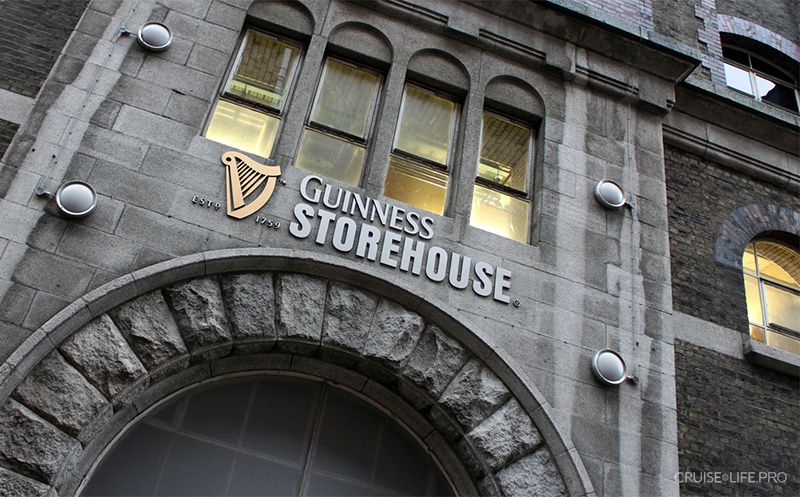
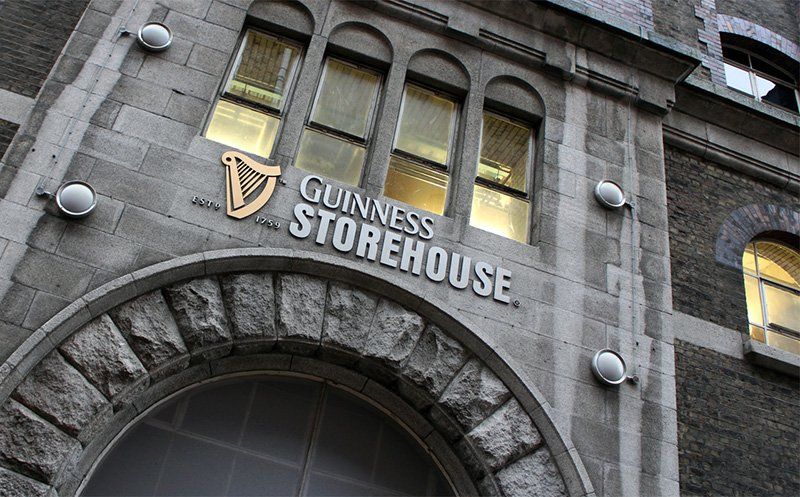
The official name is “The Brewery at St. James’s Gate.” This is where they brew the famous dark Irish beer by the brand “Guinness.” There is also a museum here, where you can learn what beer is made from and which ingredients give the drink its dark color and distinctive flavor. Nearby is the home of Arthur Guinness, the founder of the brewery. By the way, the famous collection of world records is called Guinness for a reason: the first Guinness book was published at the request of the Dublin brewery, to settle a long-running dispute between the company’s manager and his friends about which bird is the fastest in the world. At the very top of the building there is a viewing platform, from which, on a clear day, you can see almost the entire city.

Dublin Museum

Dublin Museum

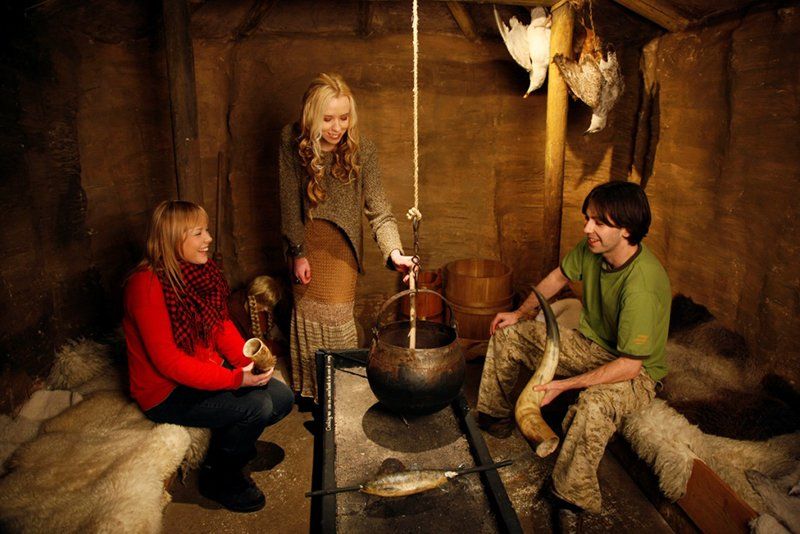
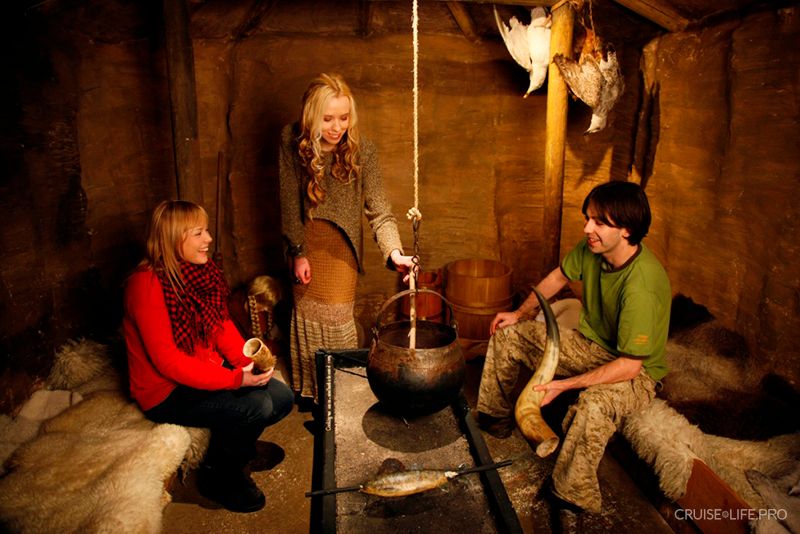
The Dublin Historical and Archaeological Museum tells the story of medieval Ireland, but not in a boring way-in a fun, interactive format-so it will be especially interesting for children. The museum’s exhibits are made up of themed scenes: peasant life, a medieval street, a Viking expedition, a trading port, or even a village toilet with an ancient resident sitting on the toilet. All the exhibits can be touched, and you can try on the clothes.

Phoenix Park

Phoenix Park

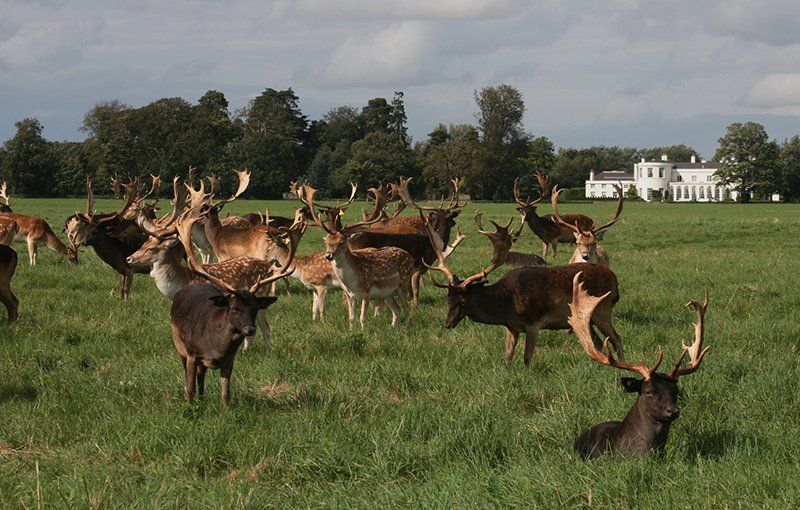
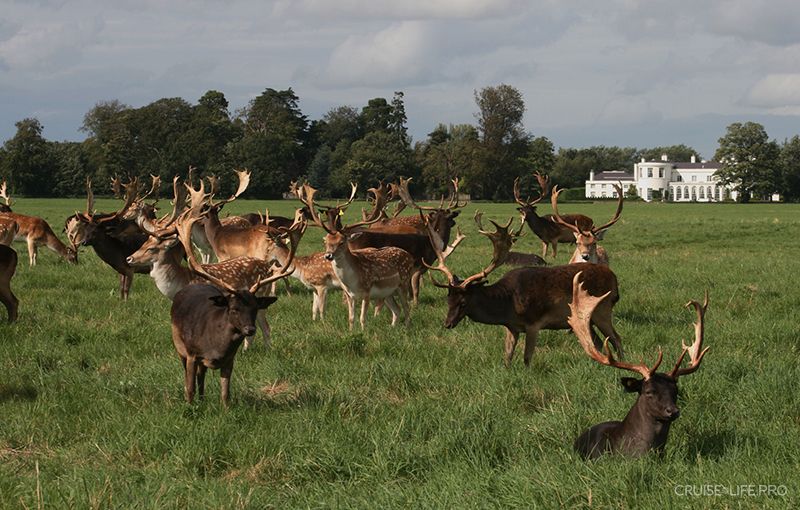
Phoenix Park is one of the largest urban parks in the world, covering an area of 707 hectares. It is located in the north-east of Dublin, 3 kilometers from the city center. In the 12th-16th centuries, the land on which the park is situated belonged to the Order of the Knights of Saint John, but in 1662, after the seizure of the land, the Duke of Ormonde founded a royal hunting park on this site, and in 1745 it was opened to the public. On its grounds you can see 351 species of plants, and visit attractions such as the presidential residence, built in 1754, the 15th-century Ashtown Castle, the Dublin Zoo, home to more than 700 different species of animals and birds, the 63-meter monument to Wellington, installed in the 18th century.

Recommended excursions

Dublin Sightseeing Tour

Dublin Sightseeing Tour

Walking guided tour around the center of Dublin, with visits to the main attractions: Trinity College - Ireland’s oldest university, founded in 1592, the bohemian Temple Bar area, Georgian Dublin, with its unique doors, Merrion Square and the statue of Oscar Wilde, St. Stephen’s Park, St. Patrick’s Cathedral, where the dean was Jonathan Swift, Dublin Castle, Christ Church Cathedral - Ireland’s oldest cathedral, founded by the Vikings back in 1030, a walk along the quays and the “Half Penny” bridge, O’Connell Street - Ireland’s widest street, and O’Connell Bridge - the only bridge in Europe that is wider than it is long, the Customs House building, the schooner “Jenny Johnston” and the “Famine” memorial.

For a more detailed list of excursions and their prices, you can view it after booking your cruise in your “Client Personal Account”.

Cruises calling at this port

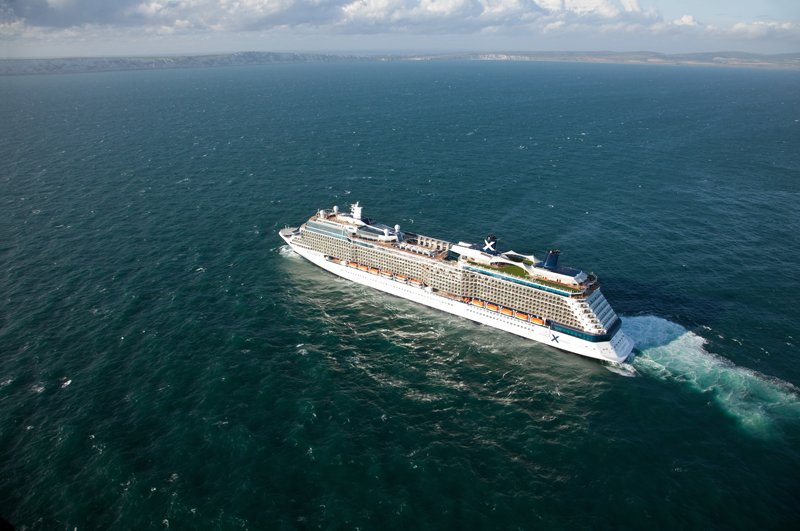
Celebrity Eclipse
Celebrity Cruises
Celebrity Eclipse
Northern Europe and Norwegian fjords
06.05.2027 · 13 nights Port of departure: Amsterdam (Rotterdam), Holland ALL (NO DRINKS)

Amsterdam (Rotterdam), Holland, At Sea, Cork, Ireland, Dublin, Ireland, At Sea, Liverpool, England, Belfast, Northern Ireland, Glasgow (Greenock), Scotland, At Sea, Lerwick/Shetland, Scotland, Inverness/Loch Ness Scotland, Kirkwall, Scotland, At Sea, Amsterdam (Rotterdam), Holland

from €3,810
I Interior €4,031
B Balcony €6,681
S Suite €21,234

Press "Details" button to see an actual price. Price per cabin.

Details
Norwegian Star
Norwegian Cruise Line
Norwegian Star
Northern Europe and Norwegian fjords
23.05.2027 · 11 nights Port of departure: Southampton (London), United Kingdom ALL

Southampton (London), United Kingdom, Paris (le Havre), France, Brussels (Zeebrugge), Belgium, Amsterdam (Rotterdam), Holland, At Sea, Edinburgh (Leith), Scotland, Invergordon, At Sea, Bosporus Strait (Cruising), Dublin, Ireland, At Sea, Southampton (London), United Kingdom

from €6,029
I Interior €6,029
O Ocean View €6,489
B Balcony €10,699
S Suite €11,859

Press "Details" button to see an actual price. Price per cabin.

Details
Norwegian Star
Norwegian Cruise Line
Norwegian Star
Northern Europe and Norwegian fjords
03.06.2027 · 10 nights Port of departure: Southampton (London), United Kingdom ALL

Southampton (London), United Kingdom, At Sea, Edinburgh (Leith), Scotland, Invergordon, Portree, United Kingdom, Bosporus Strait (Cruising), Cork (Ringaskiddy), Liverpool, England, Dublin, Ireland, At Sea, Southampton (London), United Kingdom

from €4,739
I Interior €4,739
O Ocean View €5,189
B Balcony €8,269
S Suite €8,649

Press "Details" button to see an actual price. Price per cabin.

Details
Norwegian Star
Norwegian Cruise Line
Norwegian Star
Northern Europe and Norwegian fjords
13.06.2027 · 11 nights Port of departure: Southampton (London), United Kingdom ALL

Southampton (London), United Kingdom, At Sea, Dublin, Ireland, Bosporus Strait (Cruising), Portree, United Kingdom, Invergordon, Edinburgh (Leith), Scotland, Newcastle, UK, Amsterdam (Rotterdam), Holland, Brussels (Zeebrugge), Belgium, Paris (le Havre), France, Southampton (London), United Kingdom

from €6,219
I Interior €6,219
O Ocean View €6,599
B Balcony €10,339
S Suite €10,649

Press "Details" button to see an actual price. Price per cabin.

Details
Norwegian Star
Norwegian Cruise Line
Norwegian Star
Northern Europe and Norwegian fjords
24.06.2027 · 10 nights Port of departure: Southampton (London), United Kingdom ALL

Southampton (London), United Kingdom, Portland, England, Great Britain, Cork (Cobh), Ireland, Dublin, Ireland, Bosporus Strait (Cruising), Stornoway, United Kingdom, Kirkwall, Scotland, At Sea, Edinburgh (South Queensferry), Scotland, At Sea, Southampton (London), United Kingdom

from €4,649
I Interior €4,649
O Ocean View €4,919
B Balcony €7,449
S Suite €8,049

Press "Details" button to see an actual price. Price per cabin.

Details
Norwegian Star
Norwegian Cruise Line
Norwegian Star
Northern Europe and Norwegian fjords
15.07.2027 · 10 nights Port of departure: Southampton (London), United Kingdom ALL

Southampton (London), United Kingdom, At Sea, Edinburgh (Leith), Scotland, Invergordon, Portree, United Kingdom, Bosporus Strait (Cruising), Dublin, Ireland, Liverpool, England, Cork (Cobh), Ireland, Portland, England, Great Britain, Southampton (London), United Kingdom

from €4,629
I Interior €4,629
O Ocean View €4,989
B Balcony €7,339
S Suite €8,009

Press "Details" button to see an actual price. Price per cabin.

Details
Norwegian Star
Norwegian Cruise Line
Norwegian Star
Northern Europe and Norwegian fjords
25.07.2027 · 11 nights Port of departure: Southampton (London), United Kingdom ALL

Southampton (London), United Kingdom, Amsterdam (Rotterdam), Holland, Brussels (Zeebrugge), Belgium, Newcastle, UK, Edinburgh (Leith), Scotland, Invergordon, Portree, United Kingdom, Bosporus Strait (Cruising), Dublin, Ireland, At Sea, Paris (le Havre), France, Southampton (London), United Kingdom

from €5,609
I Interior €5,609
O Ocean View €5,919
B Balcony €9,079
S Suite €9,919

Press "Details" button to see an actual price. Price per cabin.

Details
Norwegian Star
Norwegian Cruise Line
Norwegian Star
Northern Europe and Norwegian fjords
05.08.2027 · 10 nights Port of departure: Southampton (London), United Kingdom ALL

Southampton (London), United Kingdom, Portland, England, Great Britain, Cork (Ringaskiddy), Liverpool, England, Bosporus Strait (Cruising), Dublin, Ireland, At Sea, Invergordon, Edinburgh (Leith), Scotland, At Sea, Southampton (London), United Kingdom

from €4,629
I Interior €4,629
O Ocean View €4,989
B Balcony €7,069
S Suite €8,049

Press "Details" button to see an actual price. Price per cabin.

Details