Da Nang, Vietnam

Port of call

Da Nang, Vietnam

Cruises in Asia (Southeast Asia)

Description — Da Nang, Vietnam

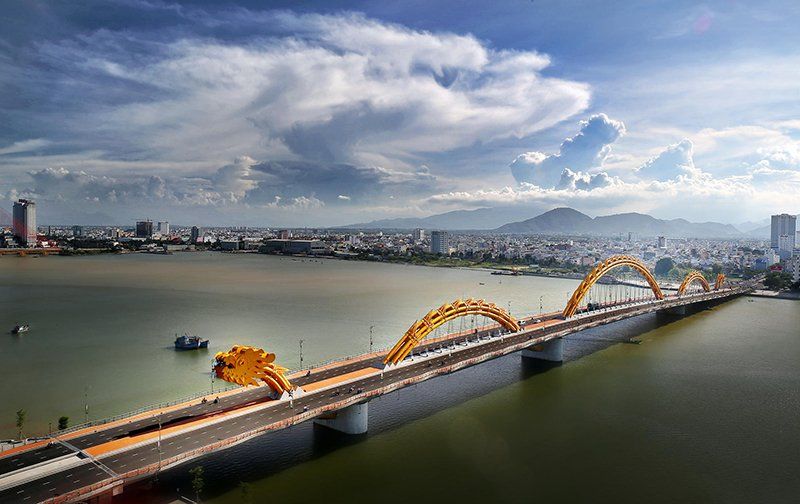
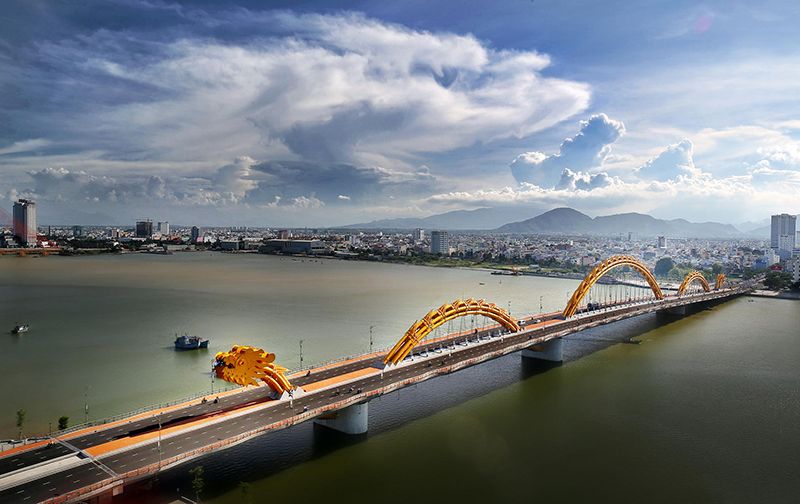
Da Nang is one of Vietnam’s five centrally governed cities, the fifth city by population. It is located on the coast of the South China Sea in central Vietnam, 759 km from Hanoi and 960 km from Ho Chi Minh City. Population - 887,069 (2009).

It was first settled by people from Indonesia, who established a settlement called Indrapura in 192. Known during the French colonial era as Tourane, Da Nang inherited Hoi An as the most important port in central Vietnam throughout the 19th century, and it remains so to this day.

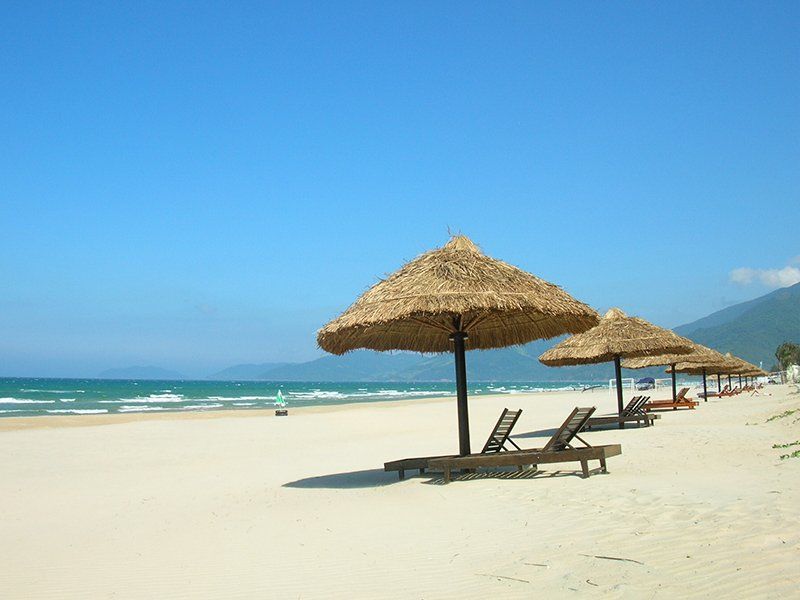
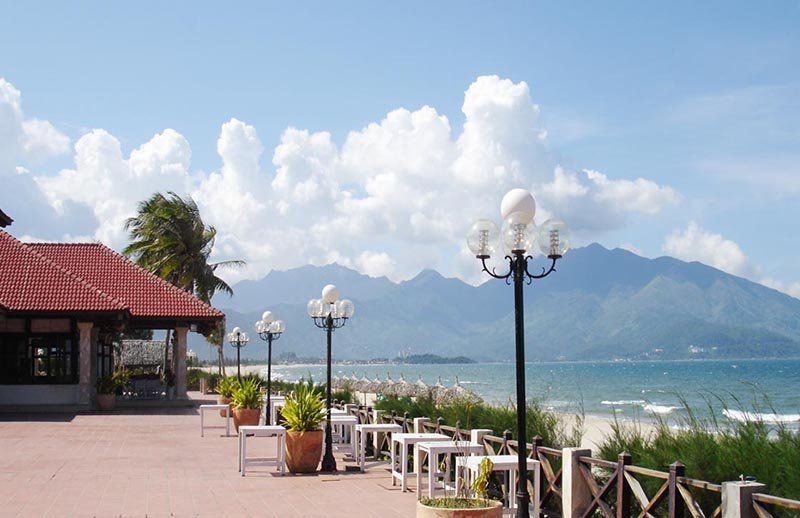
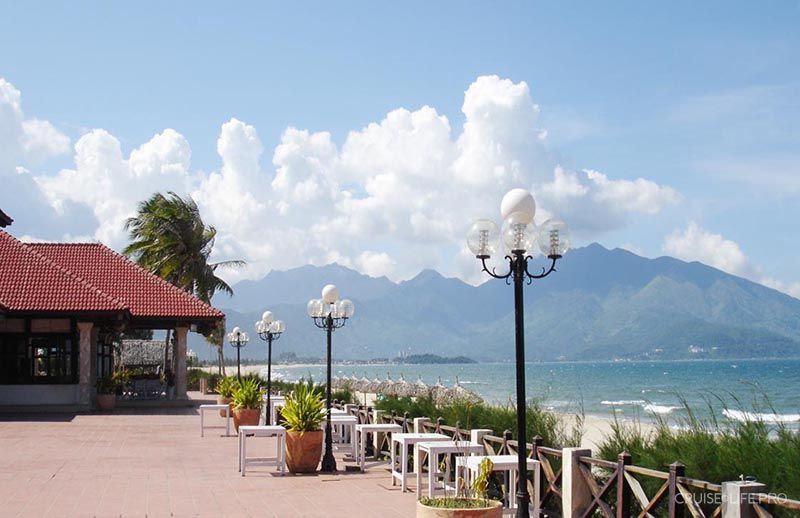
Da Nang managed to combine all the hallmarks of a metropolis with the features of a luxurious beach destination. It has long become one of the country’s most popular seaside resorts. That is where you’ll find China Beach-a beach famous worldwide for its fine, very soft, and clean sand. The coastline of Da Nang and its surroundings offer over 40 kilometers of excellent sandy beaches with white, fine sand, considered the best in Vietnam. The area around Da Nang is rich in fascinating attractions, and the city’s infrastructure offers everything you need for a quality vacation, while developing very dynamically.

Climate

Da Nang is located in the northern zone of Vietnam’s tropical region and is known for its good climate year-round. The climate in Da Nang is a tropical monsoon climate with two clearly defined seasons. The dry season runs from March to August, with an average air temperature of +27…+30°C and humidity of 75%. The hottest months-May, June, July, and August-can see temperatures reach up to +39°C. The wet season lasts from September to February (average air temperature +22…+27°C, humidity 85%). The rainiest months are September, October, and November. The best time for a beach holiday in Da Nang is from March to August, when the sea is calmest and rainfall is minimal.

Location on the map

Sights

Linh Ying Pagoda

Linh Ying Pagoda

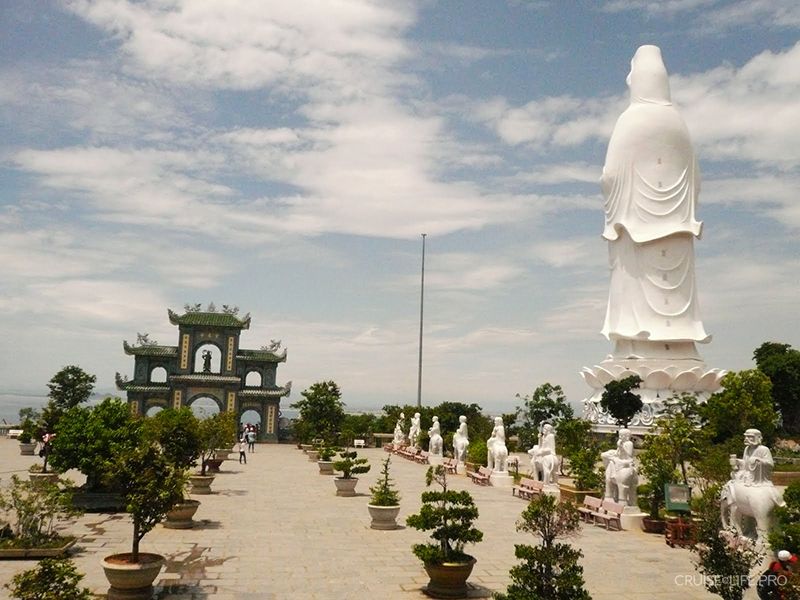
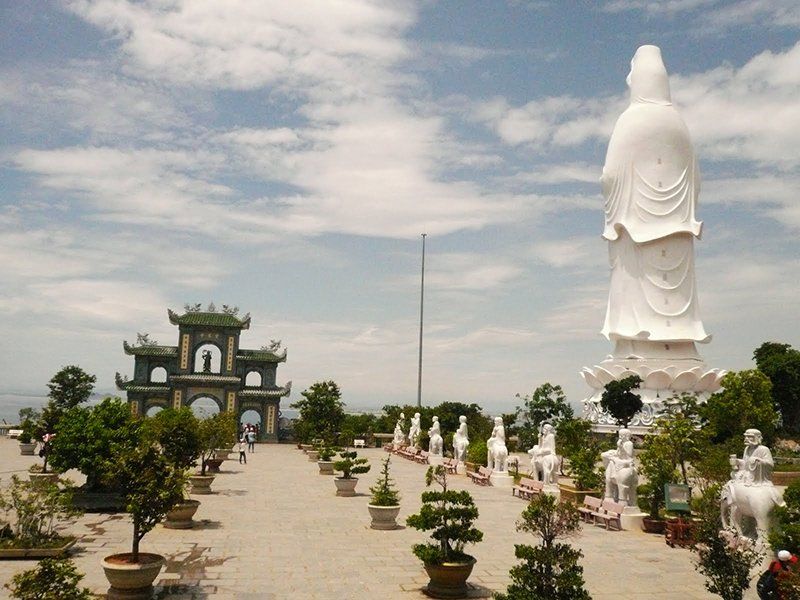
Lin Ynh Pagoda is famous for its statue of the Vietnamese goddess Kuan Am and its observation deck. The city’s largest temple was built in the traditional Eastern style in the 18th century. The temple is located at an altitude of 200 meters above sea level. The 67-meter-tall statue of the goddess stands with her back to the mountain and faces the sea, and in her hand she holds a magical lotus flower that brings well-being to sailors. On the goddess’s hat, there is a 2-meter-tall statue of Buddha. Inside the statue there are 17 floors, and on each of them there are 21 Buddha statues in different poses with different facial expressions, but only the first floor is open to visitors. If you climb up to the observation deck, you can enjoy a wonderful view of the Danang bay and the city itself. There are also 18 small statues on the pagoda grounds.
Fuk Quyen Chinese Temple

Fuk Quyen Chinese Temple

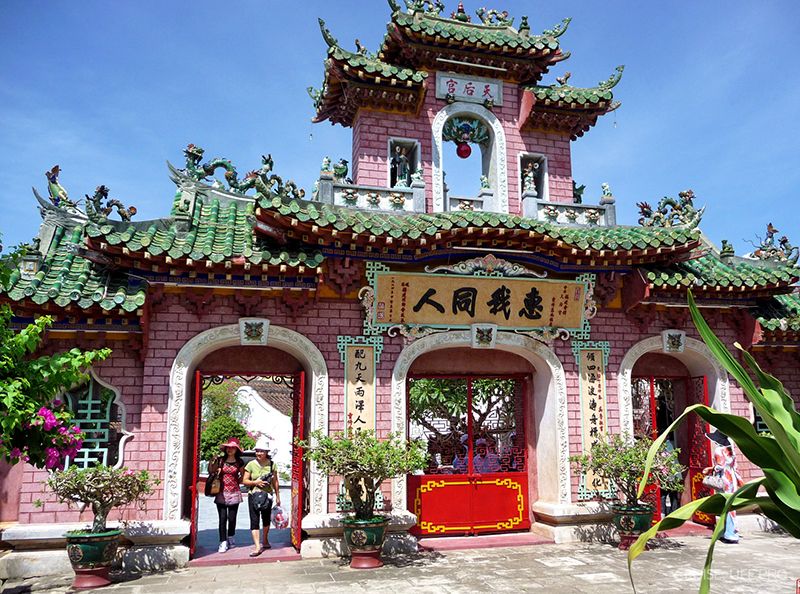
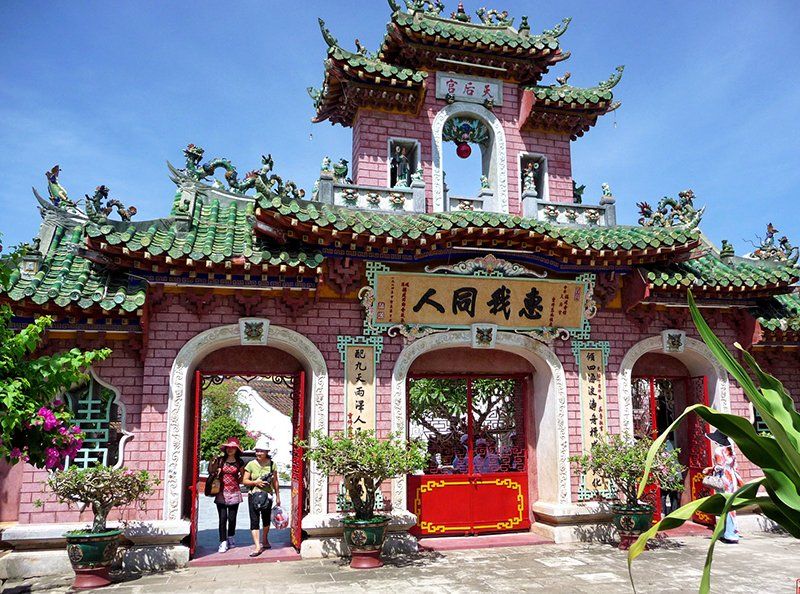
The Chinese temple of Fuk Kien, sometimes referred to as the Hall of Assembly, was built in 1679. The building is a magnificent example of traditional Chinese architecture. The main theme used in the temple’s decor is connected with the sea. To the right of the altar there is an exact replica of a sail junk, and in the inner courtyard there is an altar dedicated to the founders, who are depicted as six seated figures. The Fuk Kien Pavilion is home to the goddess Thyen Hau - the patron of sailors. In the temple’s decoration, you can see a large number of patterns featuring animals. For example, the fish sculpture symbolizing luck and achievement is placed in the center of a fountain decorated with mosaic. The building’s decor also includes images of a dragon, a unicorn, a phoenix, and a turtle.
What to see

Museum of Cham Culture

Museum of Cham Culture

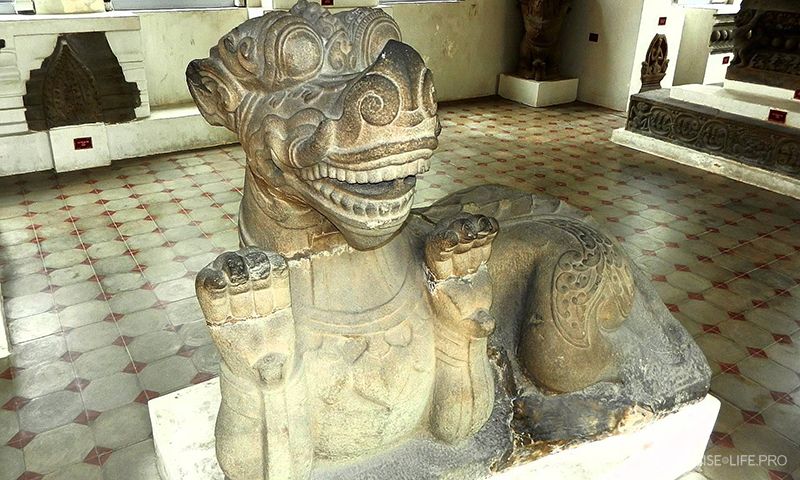
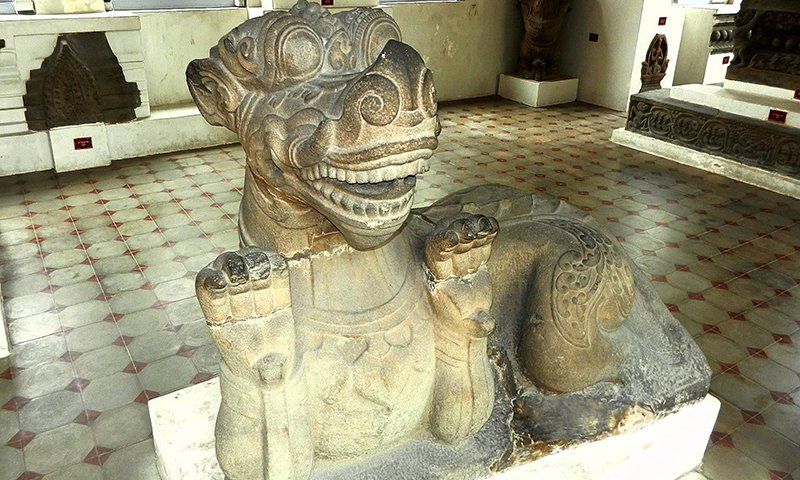
One of the most fascinating museums in Da Nang. To date, the museum houses the world’s richest collection of Cham (Cham) sculpture. A museum guide compiled in three languages was prepared by the museum director, Tran Ki Phuong, who is considered an outstanding researcher of the ancient Cham civilization. Today, the museum displays around 300 examples of skilful stone carving and fired clay wares dating from the 7th to the 15th centuries. These are distinctive examples of Cham creativity-an astonishing, original art form. In the history of Cham art, two periods stand out. Before the 10th century, it was emotional and quite expressive. From the 10th to the 14th centuries, more formal features emerged, which is associated with the decline of Champa, which was involved in harsh wars.

Ba Na Cable Car

Ba Na Cable Car

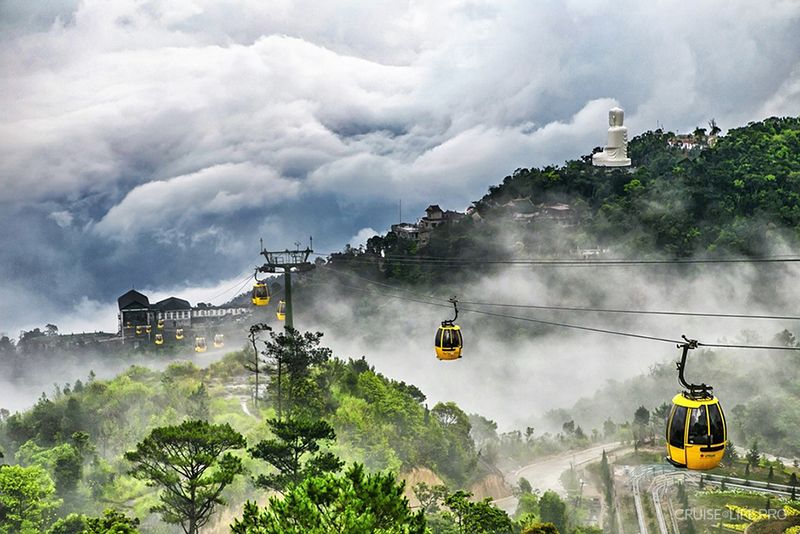
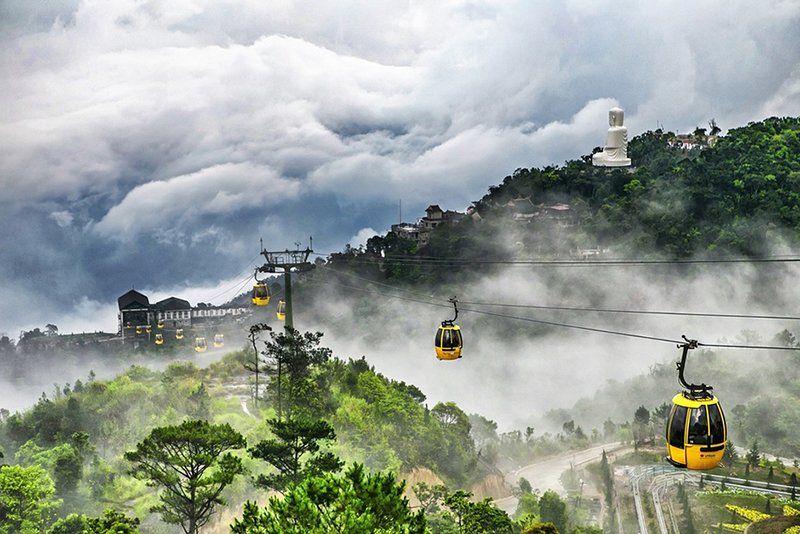
The Ba Na cable car has been entered into the Guinness Book of Records thanks to its length of 5042 meters and a height of 1300 meters. The total ride time on Ba Na is 17 minutes. The cable car is equipped with the latest comfortable cabins. A journey on Ba Na will turn into a real fairy tale for you-you will be greeted by magnificent landscapes of evergreen forests, waterfalls, and valleys. About 543 species of vascular plants grow in these forests, 12 of which are listed in Vietnam’s Red Data Book. In addition, 60 species of mammals, 178 species of birds, and 17 species of reptiles live here.

Chayna Beach

Chayna Beach

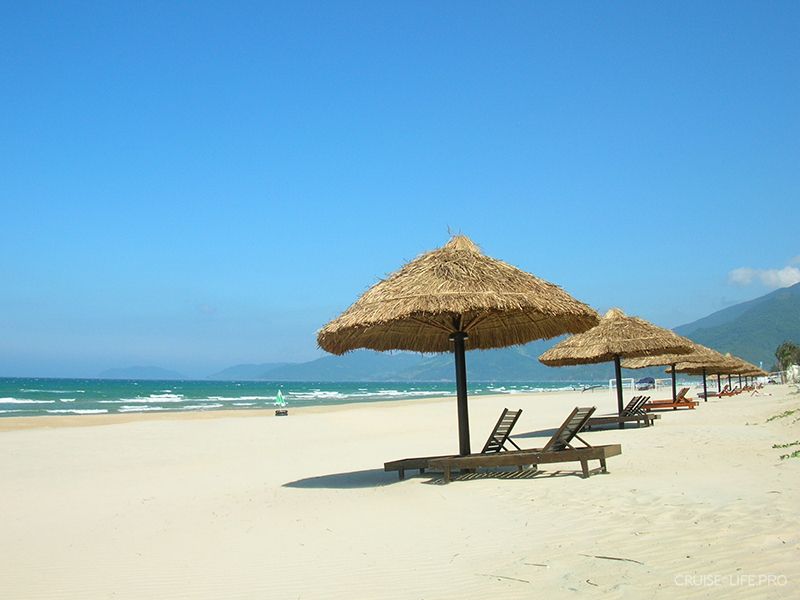
China Beach, or the Chinese Beach, included in the list of the world’s best, cleanest and most beautiful beaches (according to Forbes-2005). A snowy-white stretch of sand, 7 km from the center of Da Nang, extends for 4 km; it is on this luxurious beach that the most expensive hotels and chic resorts are located. Here it’s comfortable to relax in any season, and for wave-lovers the period from September to December is best. An international surfing championship is held right on this part of the coastline. The entire China Beach is dotted with small cafés, snack bars, and cozy restaurants-places where it would be appropriate to stop in even with children.

Monkey Island

Monkey Island

Actually, there are no monkeys here at all, and in fact this is not an island but a peninsula. Instead, you’ll find an abundance of beautiful beaches, delightful nature, fresh clean air, and azure water. The Monkey Island is a vast park with temple complexes, well-kept pathways, restaurants, cafés, bars, and souvenir shops. Be sure to climb up to the viewpoint, where you’ll enjoy a breathtaking view of Da Nang and the surrounding area. You can also buy original marble and other valuable-material sculptures here. Deeper inside the peninsula, there is a flower park.

Recommended excursions

City sightseeing tour

City sightseeing tour

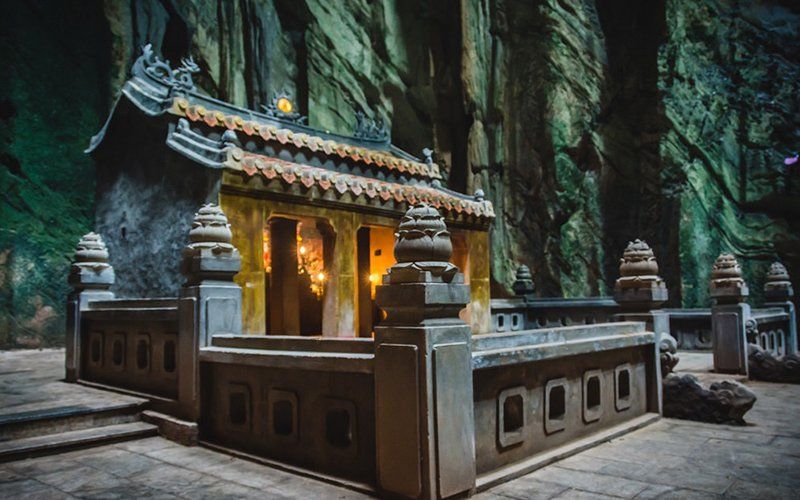
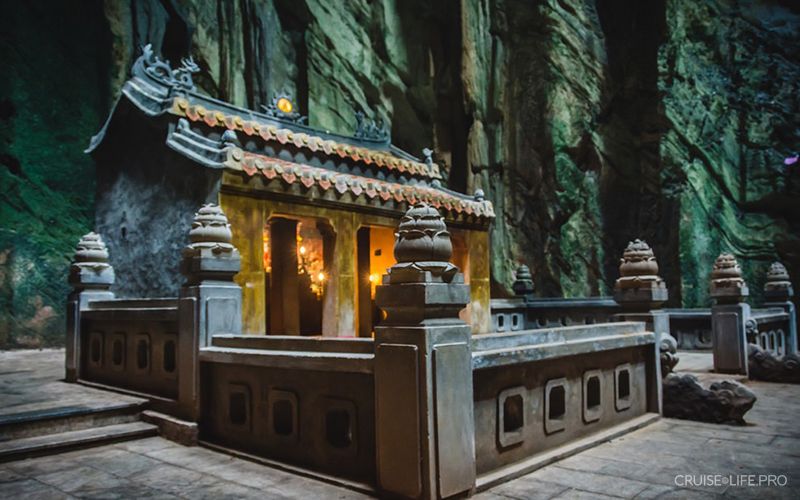
The excursion includes a visit to the Linh Ung Pagoda on Son Tra Peninsula, where a 67-meter Buddha statue is located, the Fifth Military Zone Museum at 03 Duy Tan Stree, the Marble Mountains (Ngu Hanh Son). The Marble Mountains are one of the most striking attractions in the region. They consist of five stone hills, once islands and formed from marble. Each of them represents one of the five elements of the universe and has a corresponding name: Thuy Son (Water), Moc Son (Wood), Hoa Son (Fire), Kim Son (Metal) and Tho Son (Earth). In the largest and most famous one-Thuy Son-there is a series of natural caves (dong), where, over the centuries, Buddhist shrines were built. In conclusion-visit to the Non Nước stone carvers’ village and lunch.

Mishon Architectural Complex

Mishon Architectural Complex

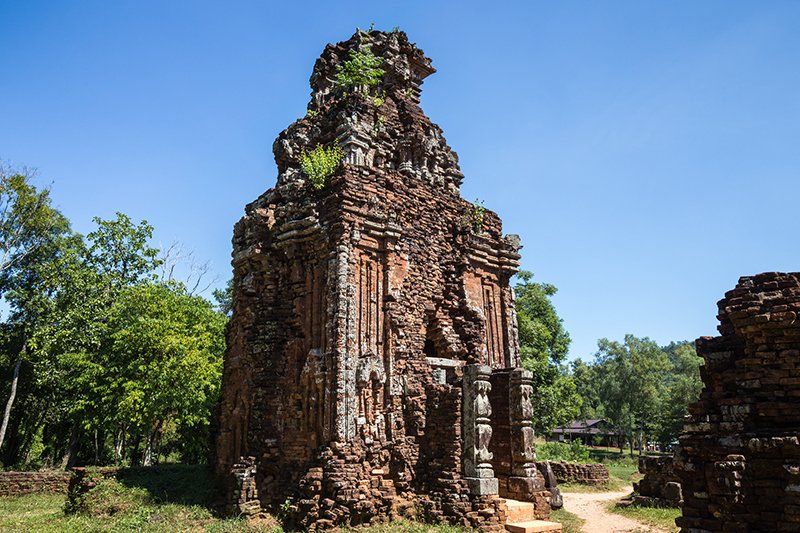
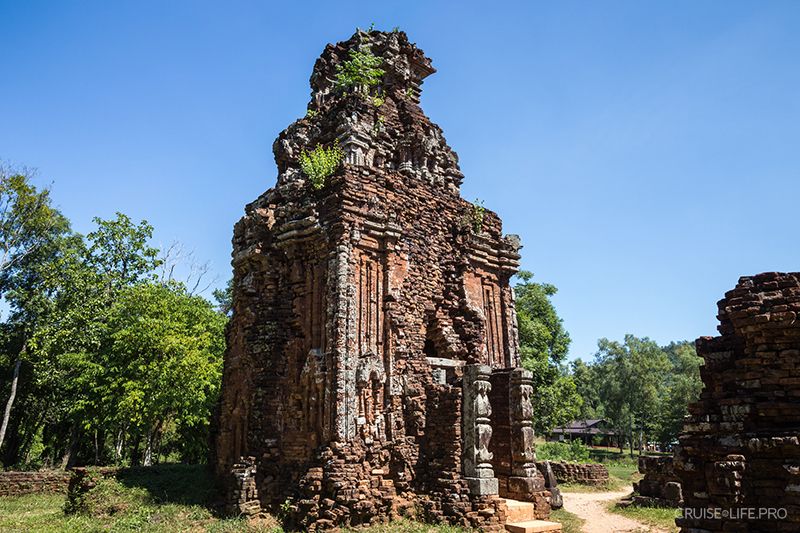
70 km from Danang lies the architectural complex of My Son. It consists of brick towers rising straight out of the jungle, adorned with sculptures of gods and demons. My Son was the cradle of the ancient kingdom of Champa. From the 4th to the 13th century, My Son was the largest center of this state. Thanks to trade with India, they adopted Hinduism; in the 17th century, it was completely absorbed into Vietnam. The ornaments on the exterior walls serve as an excellent example of the decorative Champa style typical of the 9th century. This style is unique to My Son and is found nowhere else in Southeast Asia. Today, My Son is a vast temple complex where traces of at least 70 buildings can be seen. The site was first discovered by French researchers in 1890. In 1999, it was recognized by UNESCO as a World Cultural Heritage site.

For a more detailed list of excursions and their prices, you can view it after booking your cruise in your “Personal Account”.