Civitavecchia, Rome, Italy

Port of call

Civitavecchia, Rome, Italy

Cruises from Civitavecchia, Rome, Italy

717 cruises, from €206

View cruises

Description — Civitavecchia, Rome, Italy

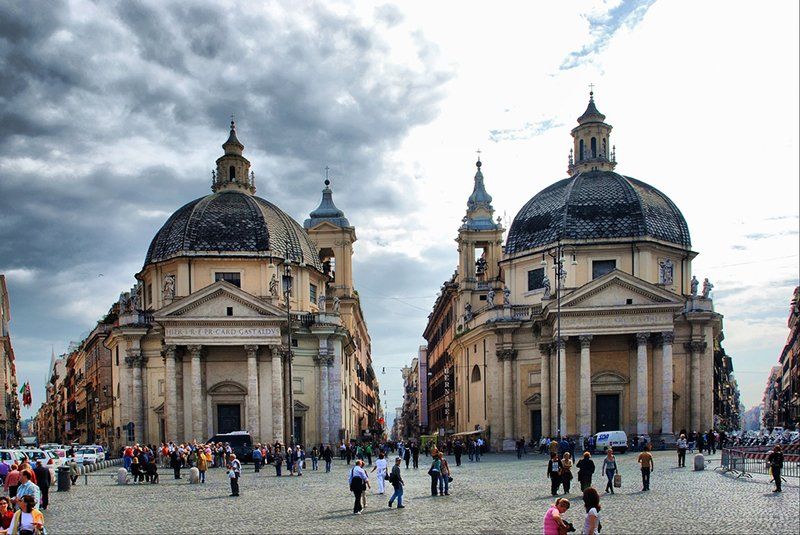
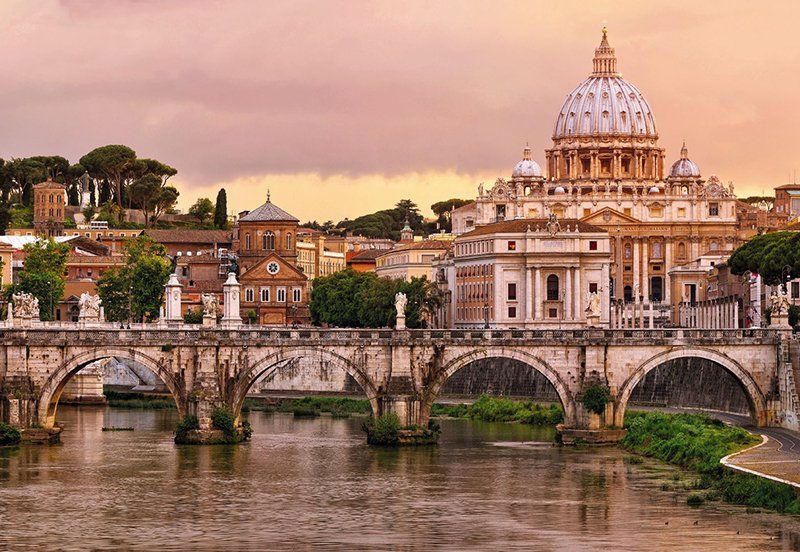
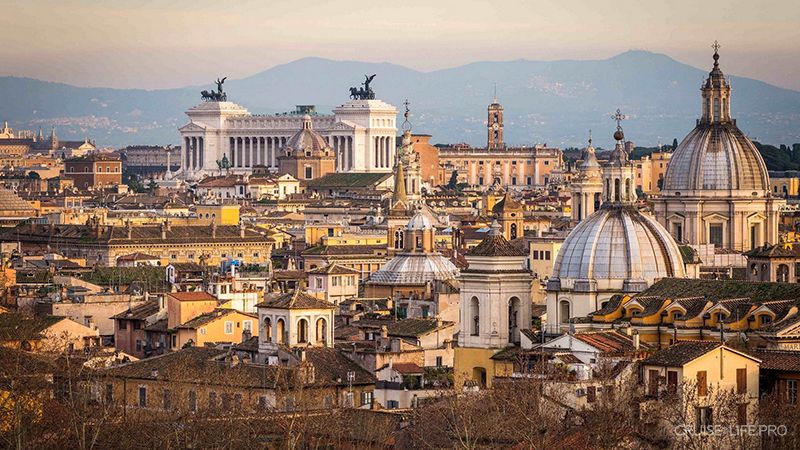
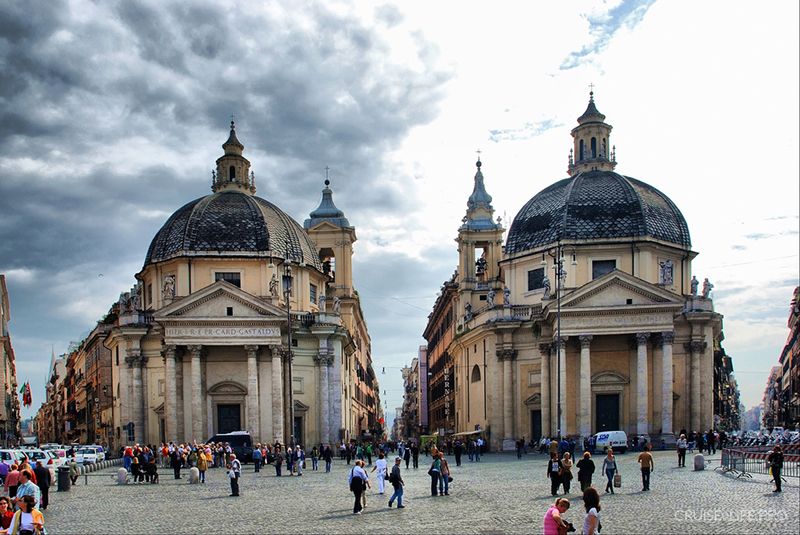
Civitavecchia is a Roman port. Rome is the capital of Italy, the administrative center of the Province of Rome and the Lazio region. The city covers an area of 1,285 square kilometers and has a population of 2,823,873 (as of 2004). As the regional capital of Lazio, Rome is part of central Italy together with Marche, Tuscany, and Umbria. It is located on the Tiber River, 25 km from the Tyrrhenian Sea, and at almost the same distance from the Apennine mountain range, in a valley that slopes down from the Apennines to the sea. Rome is one of the oldest cities in the world and the ancient capital of the Roman Empire. Rome is called “the City of Seven Hills.” Initially, settlements were located on the Palatine Hill; later, the nearby hills were also inhabited: the Capitoline and Quirinal. A little later, settlements appeared on the last four hills (Caelius, Aventine, Esquiline, and Viminal). According to legend, Rome was founded on April 21, 753 BC by Romulus-one of the royal twins raised by a she-wolf-and was named after the other twin, Remus-Rome. However, archaeologists’ research suggests that the first settlements at the site of ancient Rome appeared much earlier. During Romulus’s time, Rome was only a small village with thatched-roof huts. From 753–510 BC, Rome was ruled by kings; then, from 510 to 30 AD, during the Republic, by consuls; and from 30 BC to 476 AD by emperors. Starting in the 13th century, secular power of the church was established in the city, and Rome became the residence of the Pope. On September 20, 1870, the Italian government recognized Rome as the capital of the United Italy. Rome is one of Europe’s largest cities, a political and economic center not only of Italy but of the entire European community. And for any tourist, it’s a vast collection of world-famous attractions located conveniently close to one another. The city has been keeping its time for 29 centuries.

Climate

Rome’s climate is subtropical Mediterranean. The highest rainfall occurs in winter, while in summer precipitation is relatively rare. A “climatic winter” (the period when the average daily temperature remains steadily below zero) does not occur; in the winter months, temperatures usually stay within 5–10 degrees. Overall, the climate is characterized by a very long and hot summer and a mild, rainy winter. Frosts and snowfalls are rare in winter, and in summer temperatures can exceed 40 degrees. You can visit Rome at any time of year. The best season is spring, from the Easter holidays until June. However, autumn is also a good time to visit the capital.

Location on the map

Sights

Colosseum

Colosseum

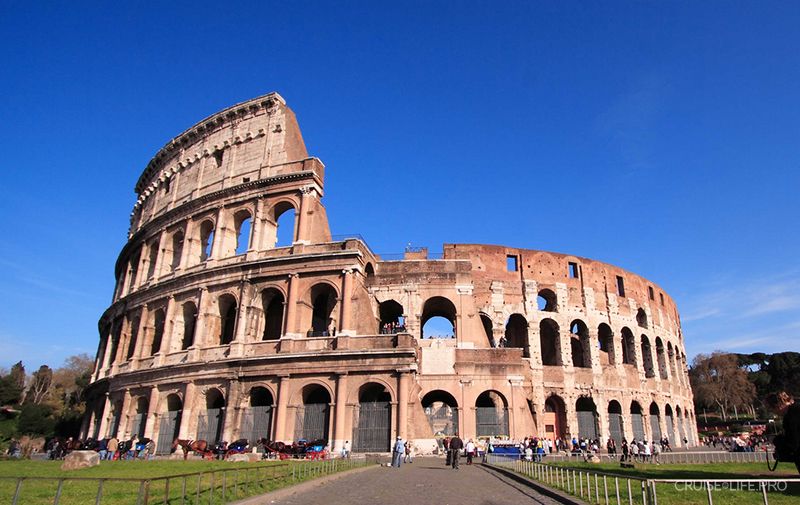
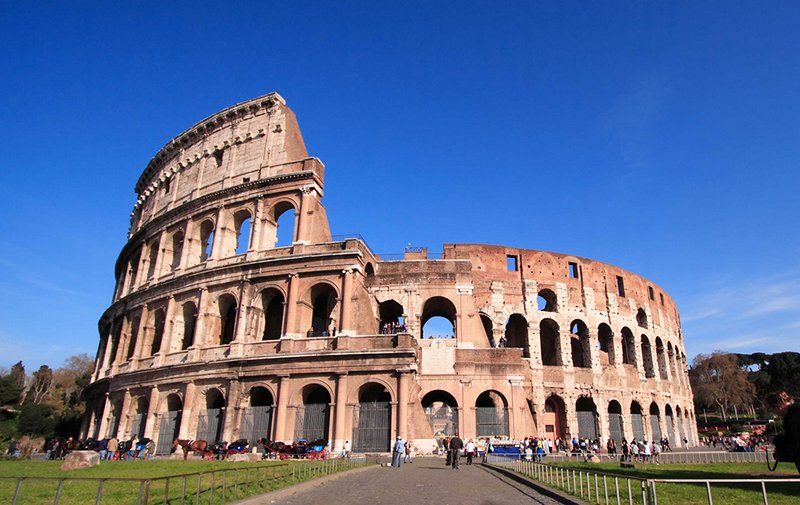
The symbol of Italy’s capital. Once, it was an arena with complex mechanisms for spectacular battles between muscular gladiators and wild beasts, and the Colosseum stands could hold 50,000 bloodthirsty spectators! This grand structure truly impresses, both from the outside and inside. A ticket to the Colosseum costs 12 euros, is valid for one day, and in addition includes entry to Palatine Hill and the area of the Imperial Forums. But best of all-both for the Hill and the Forums-is to take a look from above from the street Fori Imperiali; the emotions are the same, and the effort spent is many times less.
Pantheon

Pantheon

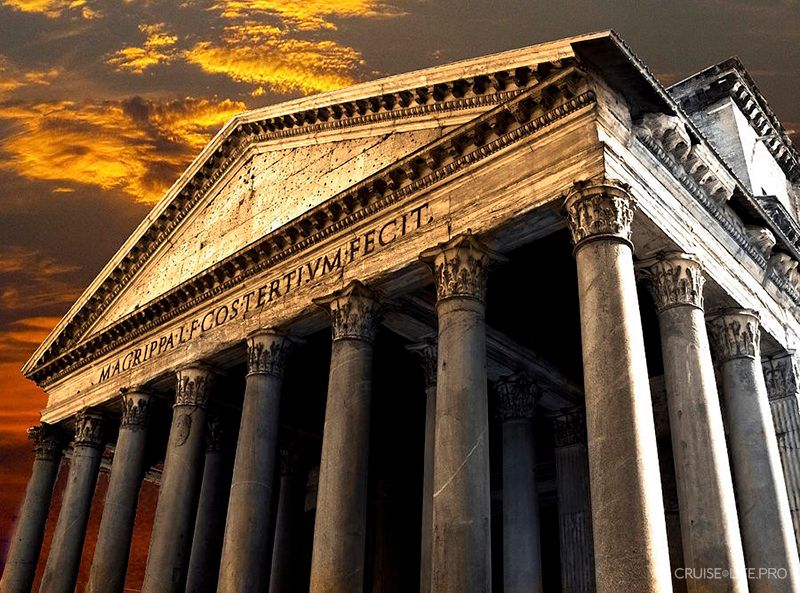
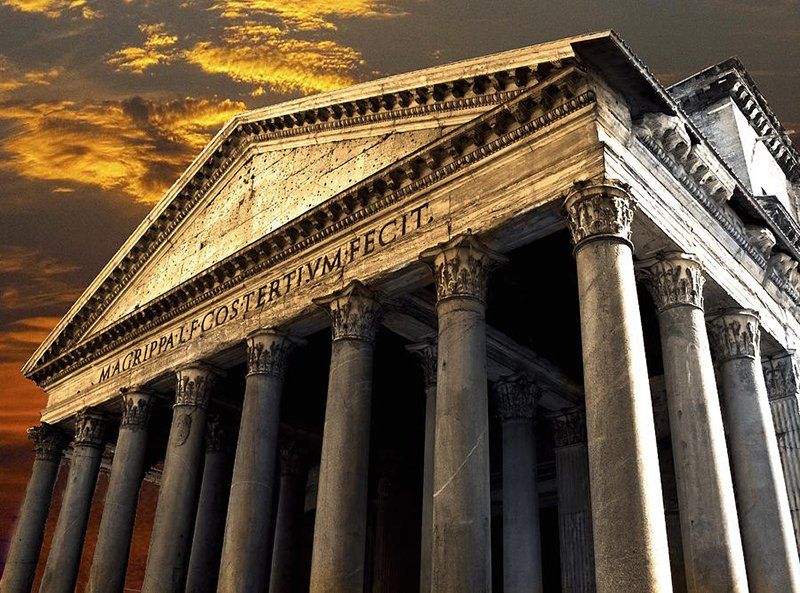
Not far from Piazza Navona is the Pantheon-the Temple of all the Gods, also known as the resting place of famous figures such as Raphael and Vittorio Emanuele. The enormous dome of the Pantheon is considered an engineering and architectural masterpiece: its diameter is 45 meters, and the dome has no single supporting pillar. In the middle there is a wide circular opening, from which light enters the temple. Tourists are often lured into the Pantheon by the chance to see a real column of light exactly at noon-so dense that it’s almost tangible. However, please note that this column can be seen only in summer, when the sun is high in the sky.
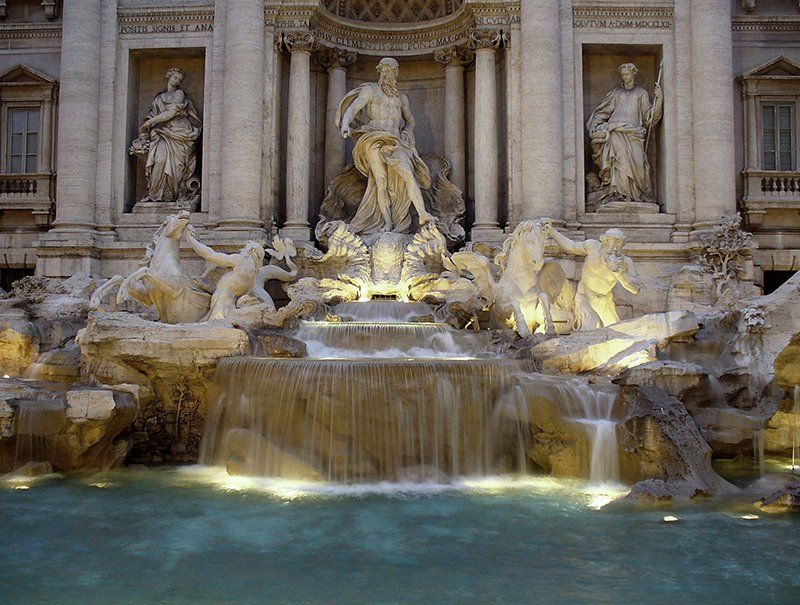
Trevi Fountain

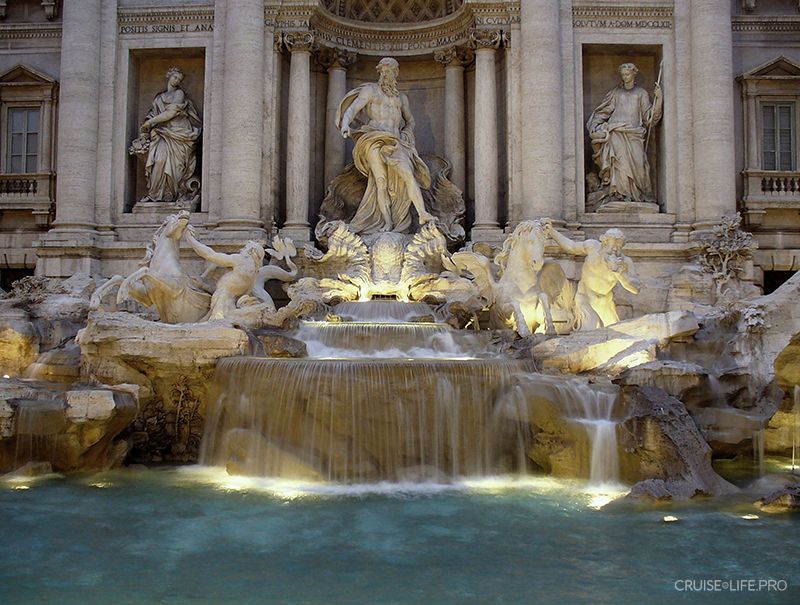
Trevi Fountain

The famous Trevi Fountain, one of the most beautiful in Rome, is not just a statue in a basin, but an entire sculptural-and-water composition that occupies a small, yet distinct, area. In the center of a small pond with emerald water, framed in stone, stands the majestic Neptune on a chariot in the form of a huge sea shell, giving directions to sea horses and water streams. If you throw a single coin into the Trevi Fountain, you are sure to return to Rome; the second coin will help you meet an Italian man, and the third guarantees a prompt wedding. By the way, every day the Trevi Fountain increases its earnings by an average of 1500 euros thanks to the coins tossed into it. In a week, Neptune’s income is about 11 thousand euros!
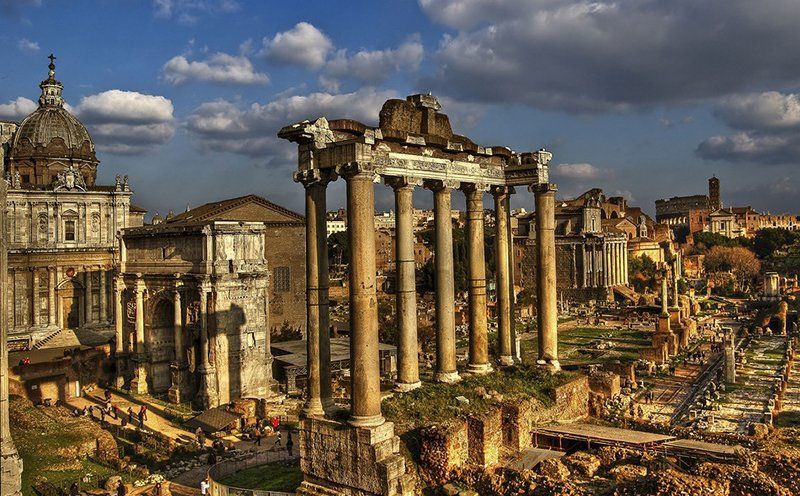
Roman Forum

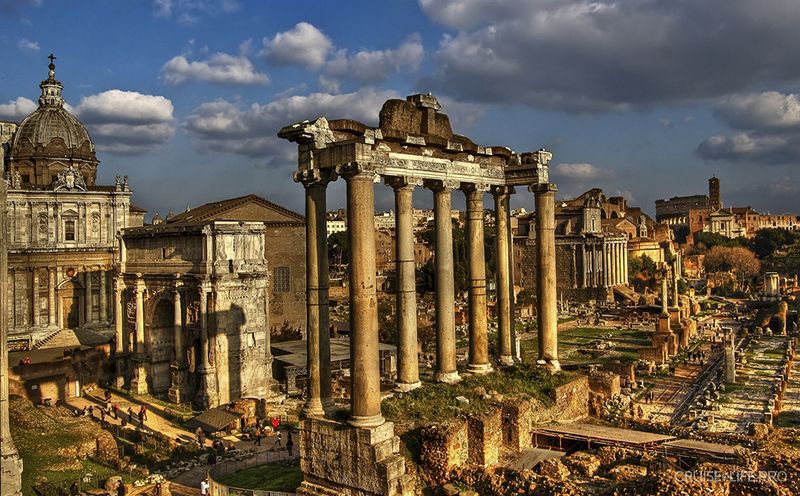
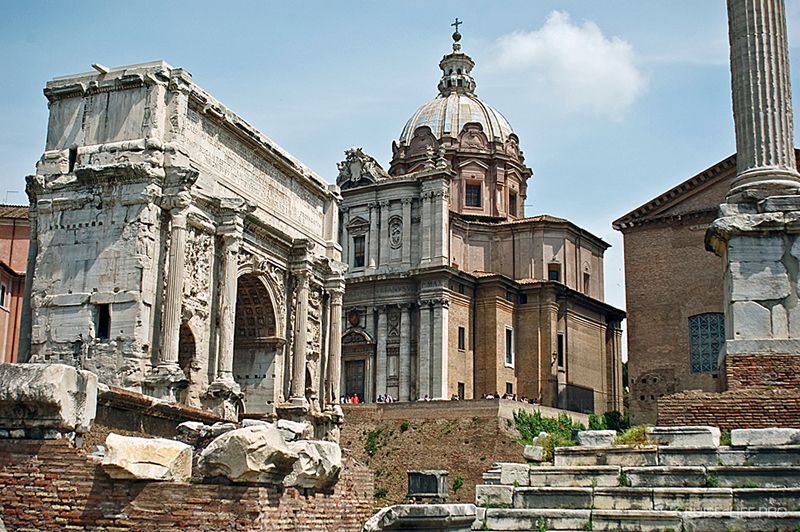
Roman Forum

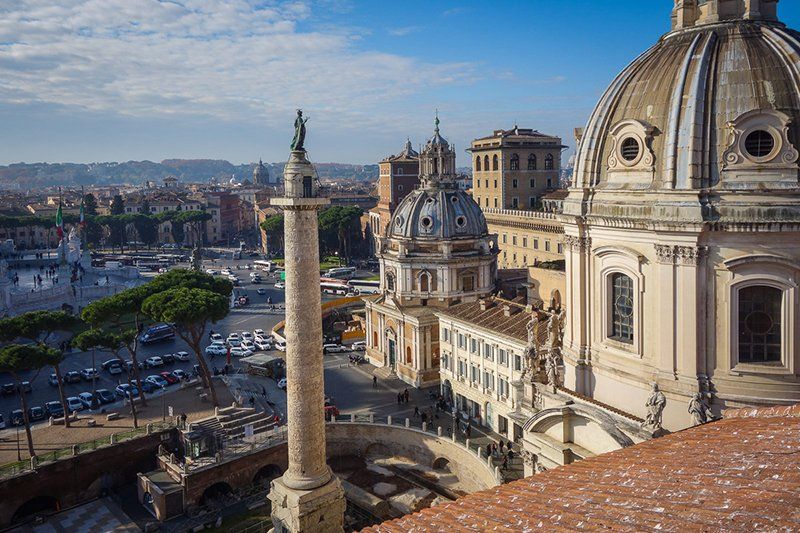
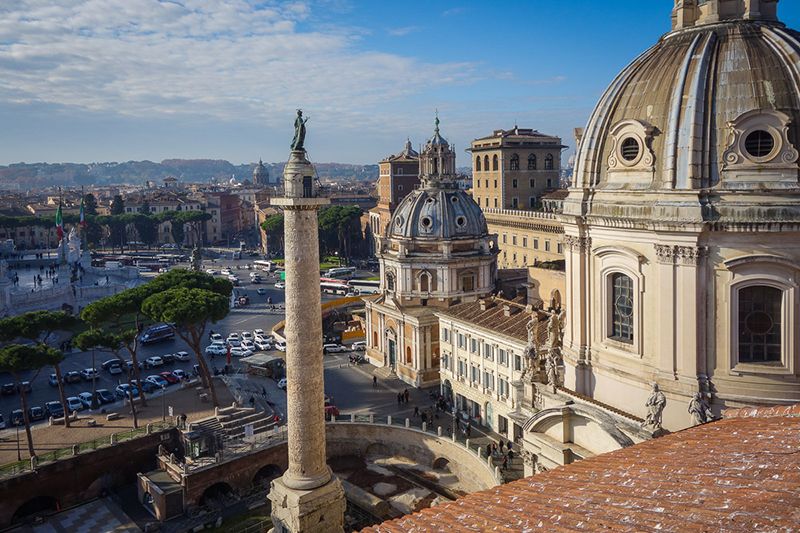
Once, in the valley between Rome’s seven hills, a swamp churned and frogs croaked. In the 7th century BC, the marsh was drained and large-scale construction began of political, economic, administrative, and religious institutions; that is why it was here, during the Republican era and partly during the time of the Great Empire, that the center of public life for Romans was located: arches honoring military victories, temples, courthouses and oratories, basilicas, and other architectural structures. Today, alongside the restoration of monuments, archaeological excavations continue on the site of the Roman Forum. You can stroll along special walkways among the ruins of temples and half-preserved columns, and visit the Forum Museum near the Arch of Titus - Antiquarium Forense, where the treasures discovered during the excavations are gathered: fragments of statues and temples, tombs, and pottery.
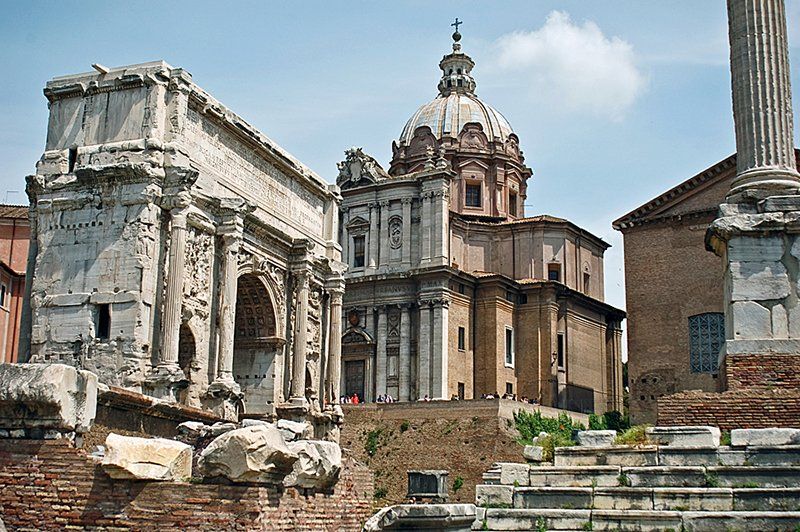
Palatine

Palatine

According to legend, it was on this elevation that the legendary brothers Romulus and Rem were raised by a she-wolf, and later Great Rome was founded. Here, magnificent palaces of Roman emperors were built and fell with the passage of time, as were the villas of wealthy citizens and the papal chambers, which considered it prestigious to live 70 meters above the valleys, with air that was especially clean compared to the lowlands. Here you can see what remains of the imperial halls of Septimius Severus and Tiberius, Augustus and Flavius, Romulus’ hut, the Temple of Apollo, as well as marble pavilions, fountains, and the flower meadows of the Farnese Gardens-Europe’s first botanical garden, created in 1550 by Cardinal Alessandro Farnese. And in the largest of the palaces-Domitian’s-there is now the Antiquarium museum, showcasing discoveries made on the Palatine Hill and the area of the Roman Forum during archaeological excavations: ceramics, frescoes, mosaics, sculptures, and fragments of buildings.
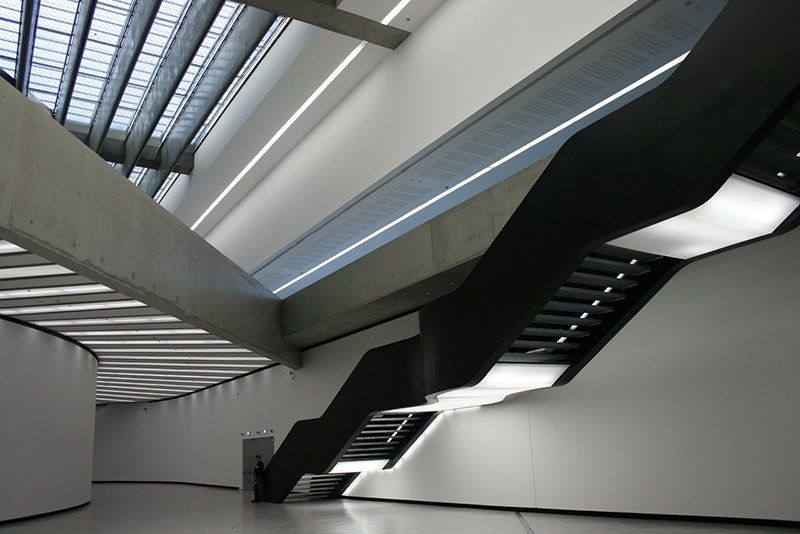
What to see

21st Century Art Museum

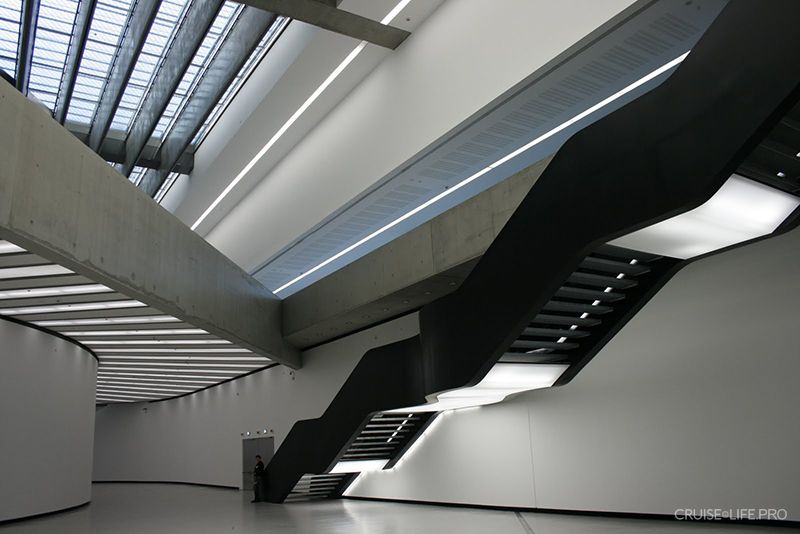
21st Century Art Museum

The museum is so new that it’s hard to even call it a museum. It doesn’t smell like the dust of centuries and mothballs from the cardigan of the exhibition attendants. It’s clean, fresh, and extremely interesting. Here you’ll see projects, photographs, and video installations of architectural objects of the future-houses, streets, parks, and even entire cities. It feels as though you’ve stepped into a time machine and traveled a few decades ahead, looking at our civilization in an entirely different way. Landscape design and fine art, photography and fashion, music and literature-all transformed in a new way. In short, it’s better to see it once than to read about it a hundred times.

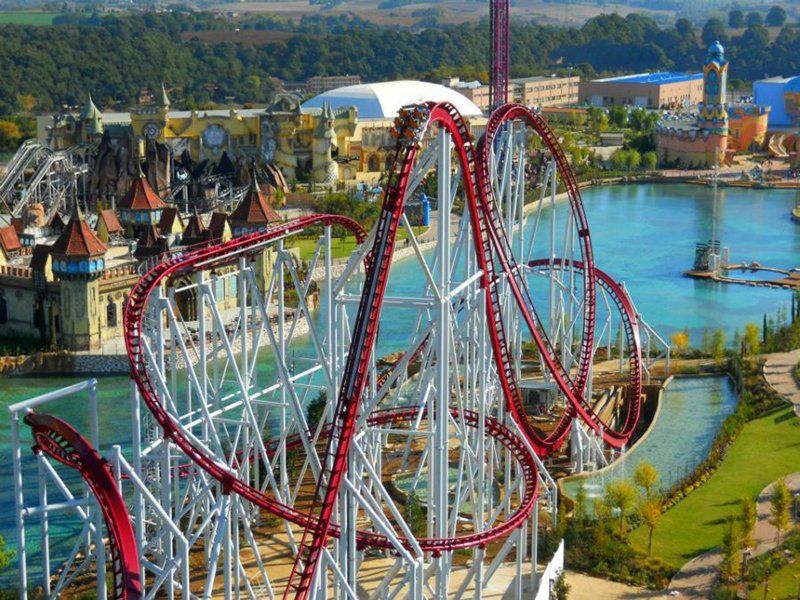
Rainbow MagicLand Amusement Park

Rainbow MagicLand Amusement Park

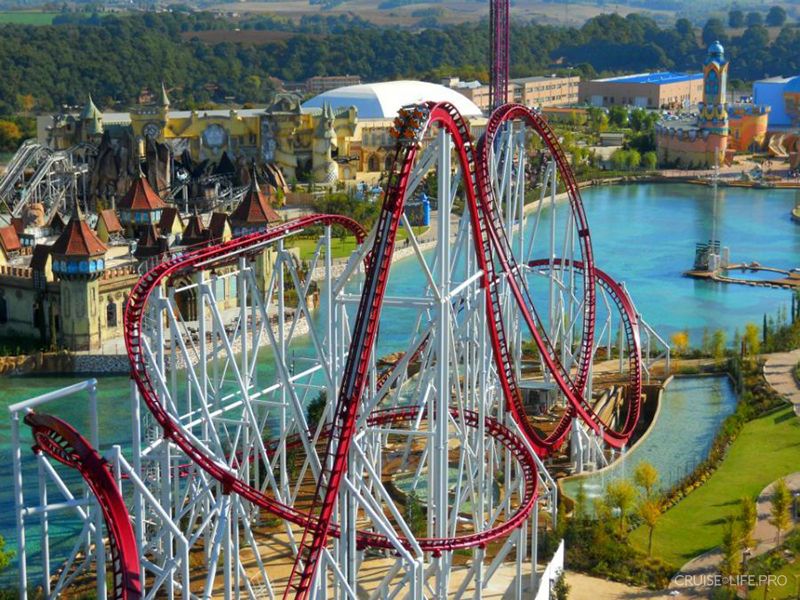
At Rainbow MagicLand amusement park, there are plenty of exciting attractions to suit every taste. One of the most popular is Shock, created based on American roller coasters. There is also a racing area where daredevil auto enthusiasts pull off mind-blowing stunts. For girls, the unforgettable attractions are those connected with Winx dolls. The most popular of them is “Winx City”, where you ride on a funicular, and your favorite characters pop out from the darkness. In addition, in different parts of the park throughout the day, themed performances, acrobatic shows, and stunt acts are held. Every day in the morning, a free shuttle bus runs to Rainbow MagicLand from Termini station. You can use it to get back to Rome as well. Journey time is about 40 minutes. It’s especially nice that there’s no crowding in the park, either on weekdays or on weekends.

Capitoline Museums

Capitoline Museums

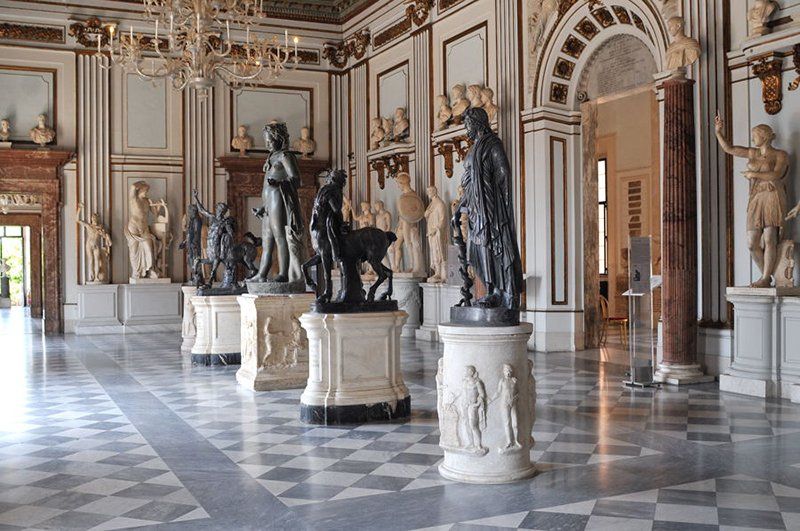
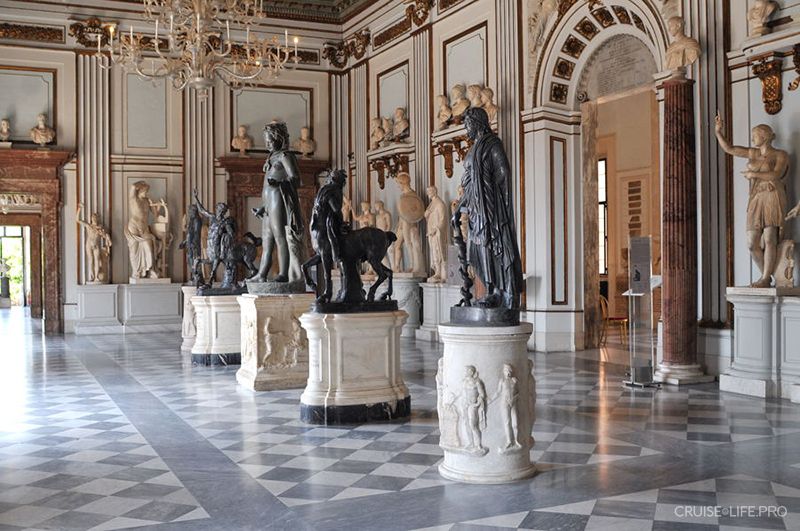
In the mid-15th century, Pope Sixtus IV presented to the Eternal City as a gift his personal collection of bronze statues of immense symbolic significance: the she-wolf feeding Romulus and Remus, a giant head and a hand from a sculpture of the Emperor Constantine, a globe with an Egyptian obelisk atop it, and a couple more masterpieces. From that moment on, the Capitoline Museums have been counting their lifespan-among the oldest in the world-occupying the spaces of the Palazzo Senatorio, Palazzo Nuovo, and Palazzo dei Conservatori around Piazza Campidoglio. Next to Palazzo Nuovo stands the equestrian statue of Marcus Aurelius II c. - a copy of the only pre-Christian sculpture in Rome. The most interesting exhibits are the Hall of the Dying Gaul with an enormous statue of a fatally wounded handsome man, whom you are even allowed to touch using specially provided rubber gloves, and the Young Hercules in an amazing shade of blue-this is a type of marble.

Vatican Museum Complex

Vatican Museum Complex

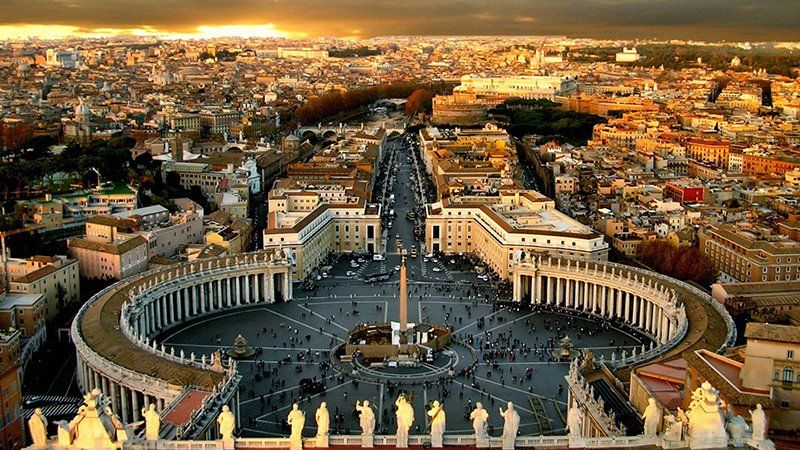
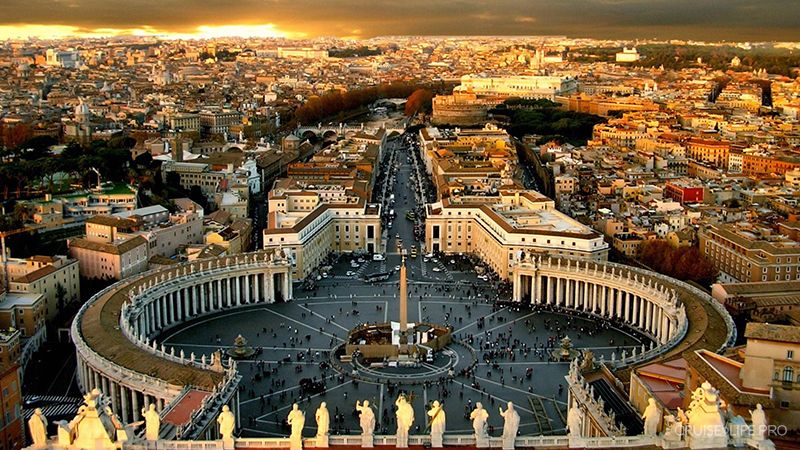
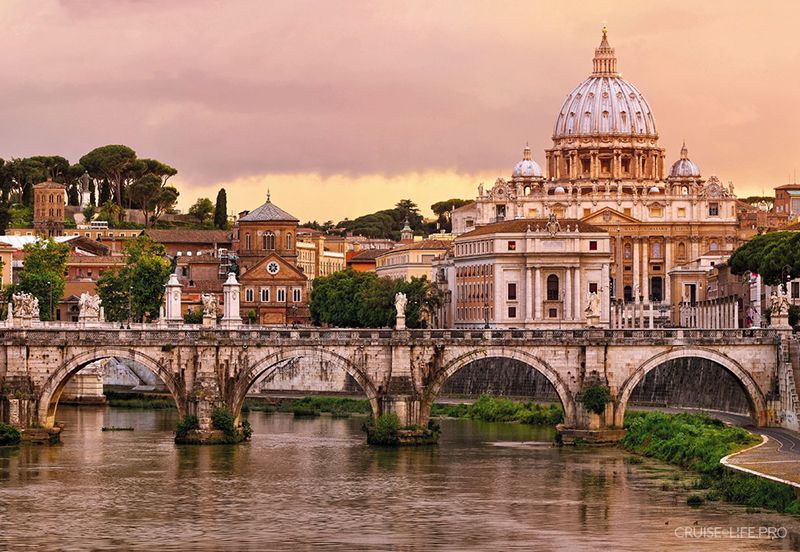
The Vatican Museums complex is rightfully considered one of the largest historical and art museums in the world. Within Vatican territory, there are about two dozen museums and museum halls, as well as the famous Sistine Chapel, where, starting in the 15th century, cardinals have gathered in conclave to elect a new Pope. It is famous worldwide for Michelangelo’s frescoes. The Vatican itself is also a huge museum- not only a religious one. Here, extraordinary architectural monuments are brought together: the city began to be built in the 14th century- the Church of St. Paul was founded, the first residence of the Supreme Pontiff was erected, and it was rebuilt already in the 13th century. In the 19th century, the Vatican’s fortification walls were constructed, after which it developed as a state within a state and housed ever more cultural monuments from different eras.

Tivoli

Tivoli

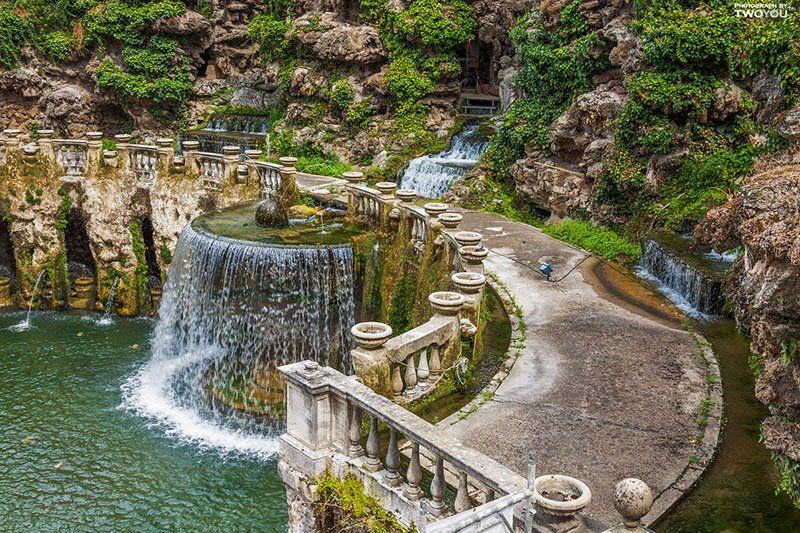
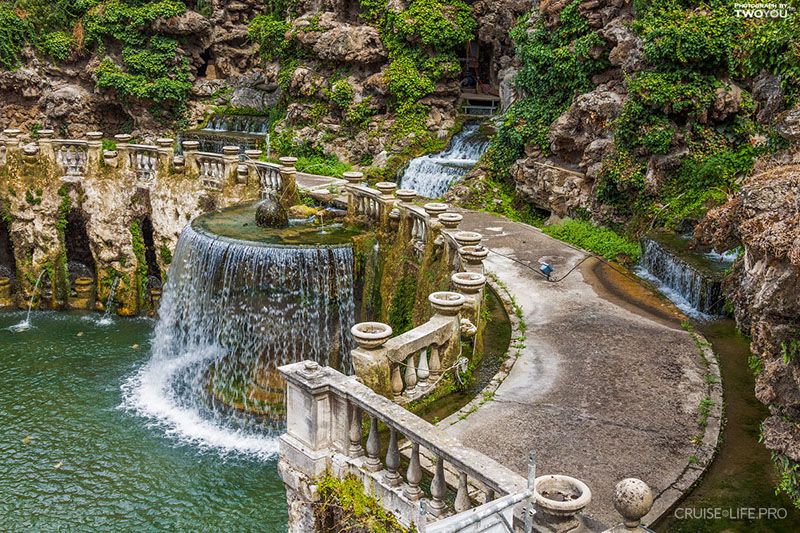
Tivoli is a small, cozy town located not far from Rome, on the Anio River in the Lazio region. A friendly, small population, delicious Italian cuisine in little family-run restaurants, ancient architecture, and exceptionally beautiful scenery with healing springs-Tivoli welcomes its tourists with open arms. The town’s main attractions are its magnificent historic villas. Villa d’Este-an inspiration for Versailles and Petrodvorets-was built by Cardinal Ippolito d’Este in the 16th century. Sculpted shrubs, magnificent fountains, masterful statues, and the villa’s architecture will easily leave even the most seasoned traveler with their mouth open in amazement. Villa Gregoriana, or the Gregorian Villa, is located at the other end of Tivoli. Setting off for Gregoriana, be ready for the most thrilling spectacle of your life. On the villa grounds, you’ll be met by giant grottoes, hundred-meter waterfalls, ancient temples, dark caves, and mountain trails. However, it’s pointless to describe it-you have to see it.

Recommended excursions

Rome and Vatican Sightseeing Tour

Rome and Vatican Sightseeing Tour

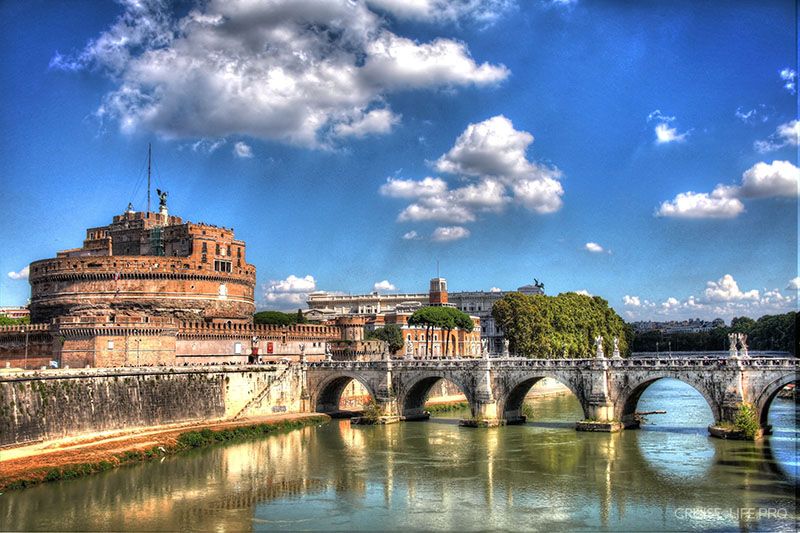
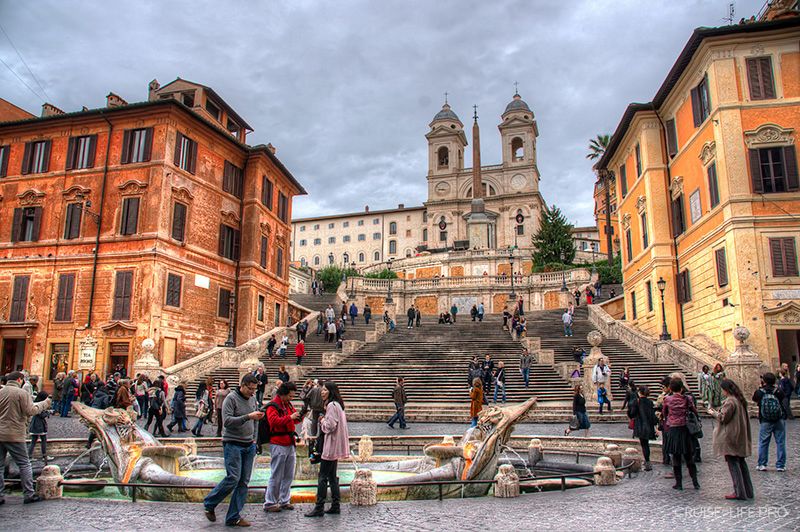
The excursion begins near the grand monument of Imperial Rome - the Flavian Amphitheatre, known all over the world as the Colosseum. Through the Imperial Forums, the group proceeds to Venice Square, above which the White Monument of the Altar of the Fatherland rises, and to Navona Square, where during the time of Julius Caesar there was an arena for horse races. Tourists will see the Palazzo Senatorio, the Temple of all gods, the Pantheon, the Field of Mars, the Palaces of Parliament and Government, the Trevi Fountain, Spain Square, and the famous Spanish Steps, as well as the French church Trinità dei Monti. Next, the group heads to the city-state of Vatican, where it will visit the Castel Sant’Angelo, the Via della Conciliazione, see the Vatican walls, the secret corridor of Passetto, visit Piazza Pio XII, and the Basilica of Saint Peter. Group 1 - 6 people, price - from 220,00 €.

Rome Pagan - Rome Christian

Rome Pagan - Rome Christian

During the excursion you will see the Colosseum, a three-tier archaeological complex, one of the oldest early Christian basilicas - the Church of Saint Clement, the Holy Stairs, said to have been brought by Saint Helena from Jerusalem - the very one on which Jesus Christ climbed up to stand trial before Pontius Pilate, the magnificent Basilica of Saint John, the medieval church of Saint Stephen, one of the most beautiful villas in Rome - the Villa Celimontana, the Aventine Hill, one of the seven ancient hills of the city, which by now has turned into one of the most expensive areas of Rome. Here you will find several interesting churches, an orange grove, as well as the famous «Keyhole» (Buco della serratura), through which the dome of St. Peter’s Basilica is visible, surrounded by the trees of the park. Group 1 - 6 people, price - from 140,00 €.

Rome Sightseeing Tour

Rome Sightseeing Tour

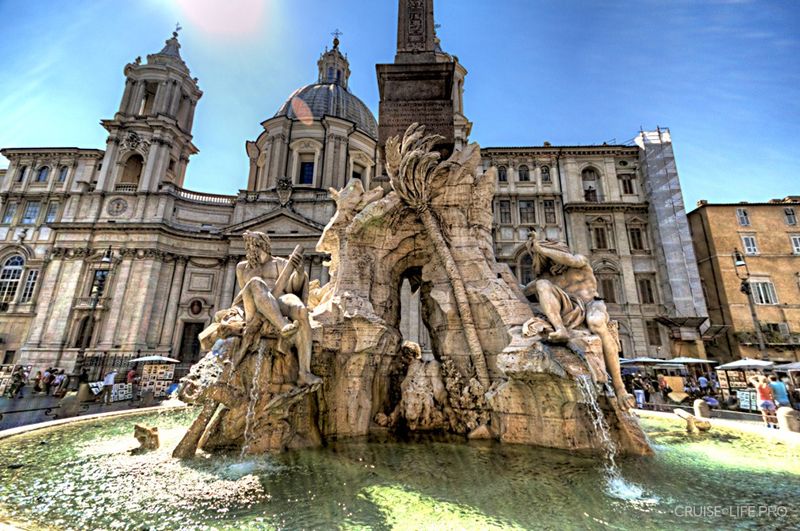
During the excursion, the group will visit the Valley of the Five Hills-Capitoline, Palatine, Aventine, Esquiline and Caelian-Imperial Forums Avenue, where the Republican and Imperial Forums and Trajan’s Markets are located, the Colosseum, Oppio Hill, where Nero’s Golden House once stood, the Capitoline Hill, home to the complex of the Capitoline Museums and the Renaissance-era Senate, Piazza Venezia with the Altar of the Fatherland, the Baroque quarters festively decorated with fountains, the Trevi Fountain and Piazza Barberini, Via Dolce Vita, immortalized in the films of director Federico Fellini, the quarters of writers, artists and foreigners, the Spanish Steps quarter, decorated with the “Small Boat” fountain by architect Bernini, the oldest pagan temple-the Pantheon, Piazza Navona, which was an ancient stadium and is today a popular place for strolls and concerts, with the Fountain of the Four Rivers. Group 1-18 people, price-starting from 120,00 €.

Cruises calling at this port

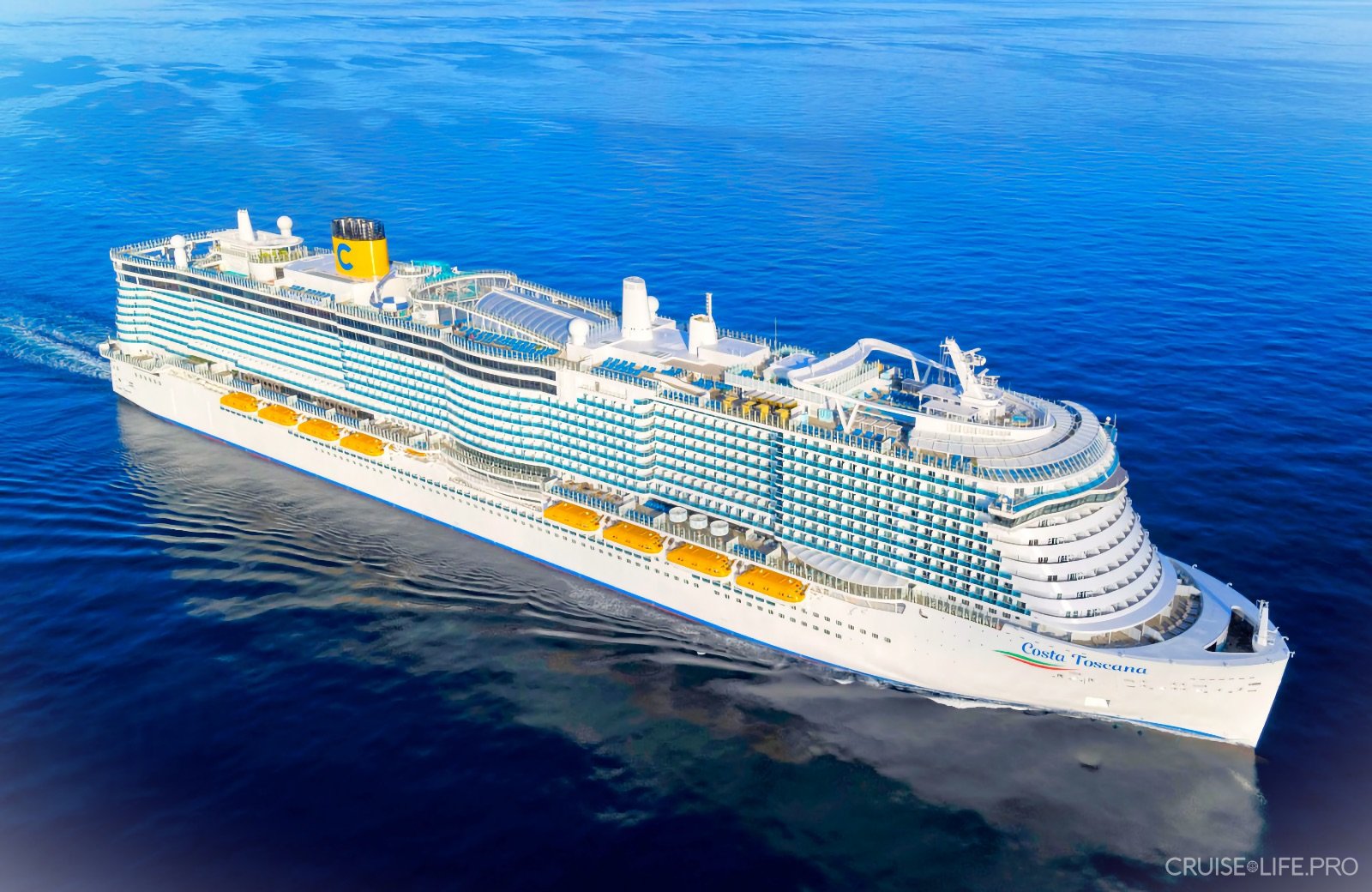
Costa Toscana
Costa Cruises
Costa Toscana
Mediterranean/Europe
16.10.2026 · 7 nights Port of departure: Genoa, Italy ALL (NO DRINKS)

Genoa, Italy, Marseille, Provence, France, Barcelona, Spain, Balearic Sea, Balearic Sea, Cagliari, Cerdeña, Naples, Italy, Civitavecchia, Italy, Genoa, Italy

from €1,098
I Interior €1,098
O Ocean View €1,338
B Balcony €1,298

Press "Details" button to see an actual price. Price per cabin.

Details
MSC Divina
MSC Cruises
MSC Divina
Mediterranean/Europe
16.10.2026 · 7 nights Port of departure: Civitavecchia, Italy ALL (NO DRINKS)

Civitavecchia, Italy, At Sea, Mykonos, Greece, Ephesus (Kusadasi), Turkiye, Marmaris, Turkiye, At Sea, Naples, Italy, Civitavecchia, Italy

from €1,466
I Interior €1,466
O Ocean View €1,726
B Balcony €1,926
S Suite €2,806

Press "Details" button to see an actual price. Price per cabin.

Details
Costa Smeralda
Costa Cruises
Costa Smeralda
Mediterranean/Europe
16.10.2026 · 7 nights Port of departure: Civitavecchia, Italy ALL (NO DRINKS)

Civitavecchia, Italy, Savona, Marseille, Provence, France, Barcelona, Spain, Balearic Sea, Balearic Sea, Cagliari, Cerdeña, Palermo, Sicily, Italy, Civitavecchia, Italy

from €898
I Interior €898
O Ocean View €1,538
B Balcony €1,198

Press "Details" button to see an actual price. Price per cabin.

Details
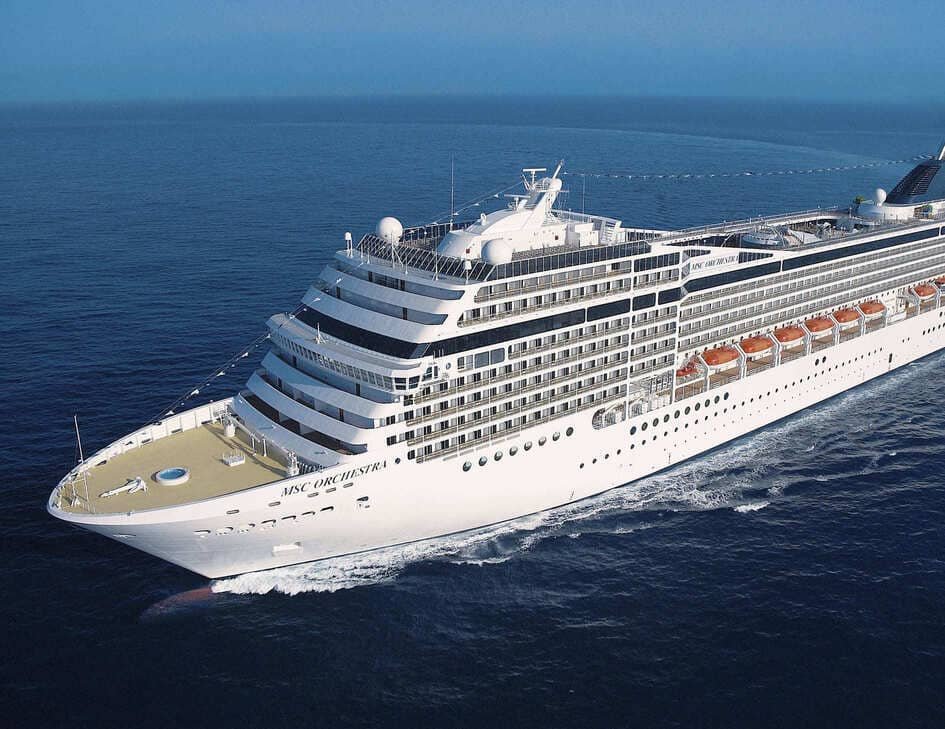
MSC Orchestra
MSC Cruises
MSC Orchestra
Mediterranean/Europe
16.10.2026 · 7 nights Port of departure: Barcelona, Spain ALL (NO DRINKS)

Barcelona, Spain, Valencia, Spain, At Sea, Livorno, Italy, Civitavecchia, Italy, Genoa, Italy, Marseille, Provence, France, Barcelona, Spain

from €1,386
I Interior €1,386
O Ocean View €1,586
B Balcony €1,926

Press "Details" button to see an actual price. Price per cabin.

Details
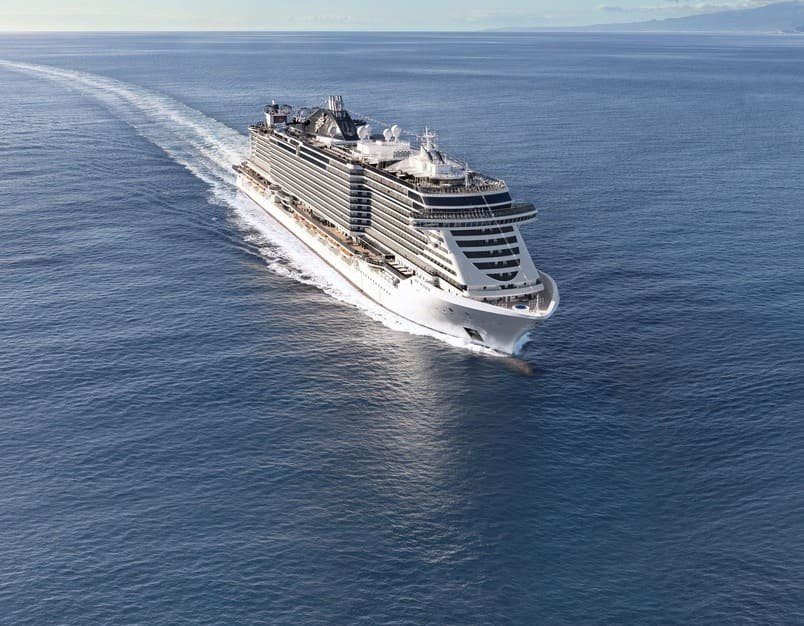
MSC Seaview
MSC Cruises
MSC Seaview
Mediterranean/Europe
16.10.2026 · 7 nights Port of departure: Marseille, Provence, France ALL (NO DRINKS)

Marseille, Provence, France, Genoa, Italy, Civitavecchia, Italy, Palermo, Sicily, Italy, At Sea, Ibiza, Spain, Barcelona, Spain, Marseille, Provence, France

from €1,726
I Interior €1,726
O Ocean View €2,006
B Balcony €2,166

Press "Details" button to see an actual price. Price per cabin.

Details
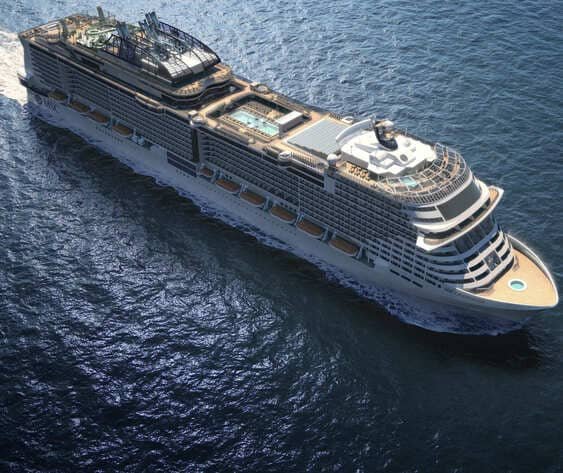
MSC Grandiosa
MSC Cruises
MSC Grandiosa
Mediterranean/Europe
16.10.2026 · 7 nights Port of departure: Palma de Mallorca, Spain ALL (NO DRINKS)

Palma de Mallorca, Spain, Barcelona, Spain, Cannes, France, Genoa, Italy, La Spezia, Italy, Civitavecchia, Italy, At Sea, Palma de Mallorca, Spain

from €1,807
I Interior €1,807
O Ocean View €2,206
B Balcony €2,167

Press "Details" button to see an actual price. Price per cabin.

Details
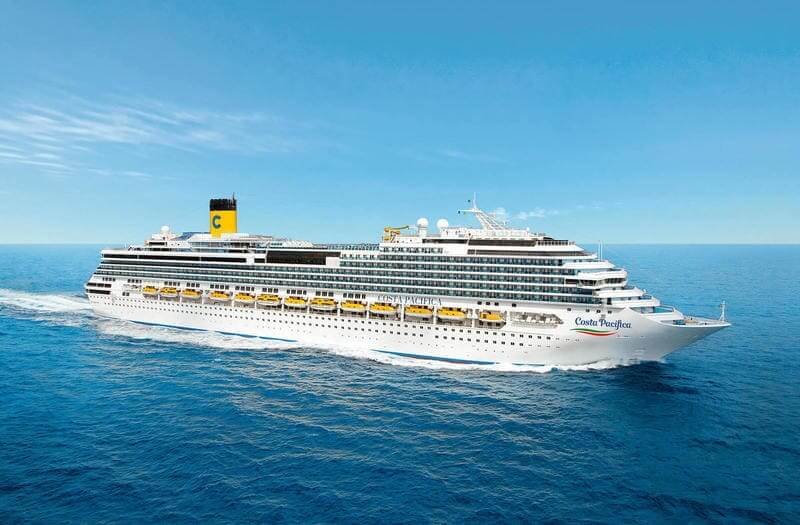
Costa Pacifica
Costa Cruises
Costa Pacifica
Mediterranean/Europe
17.10.2026 · 7 nights Port of departure: Civitavecchia, Italy ALL (NO DRINKS)

Civitavecchia, Italy, Savona, Marseille, Provence, France, Barcelona, Spain, Balearic Sea, Balearic Sea, La Goulette, Tunisia, Palermo, Sicily, Italy, Civitavecchia, Italy

from €1,098
I Interior €1,098
O Ocean View €1,438
B Balcony €1,538
S Suite €1,898

Press "Details" button to see an actual price. Price per cabin.

Details
MSC Orchestra
MSC Cruises
MSC Orchestra
Mediterranean/Europe
17.10.2026 · 7 nights Port of departure: Valencia, Spain ALL (NO DRINKS)

Valencia, Spain, At Sea, Livorno, Italy, Civitavecchia, Italy, Genoa, Italy, Marseille, Provence, France, Barcelona, Spain, Valencia, Spain

from €1,346
I Interior €1,346
O Ocean View €1,466
B Balcony €1,546

Press "Details" button to see an actual price. Price per cabin.

Details