Cherbourg, France

Port of call

Cherbourg, France

Description — Cherbourg, France

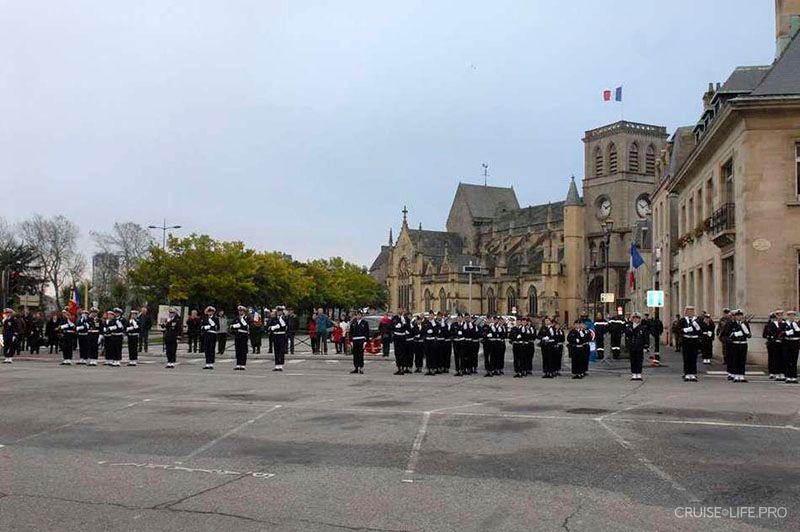
Cherbourg-Octeville (until February 2000 - Cherbourg) is a port city in the north-west of France, in the Manche department (Lower Normandy region). Cherbourg-Octeville appeared on the map of France only in 2000. Before that, these were two different cities, the first of which became famous worldwide thanks to the “umbrellas,” while the second remained virtually unknown.

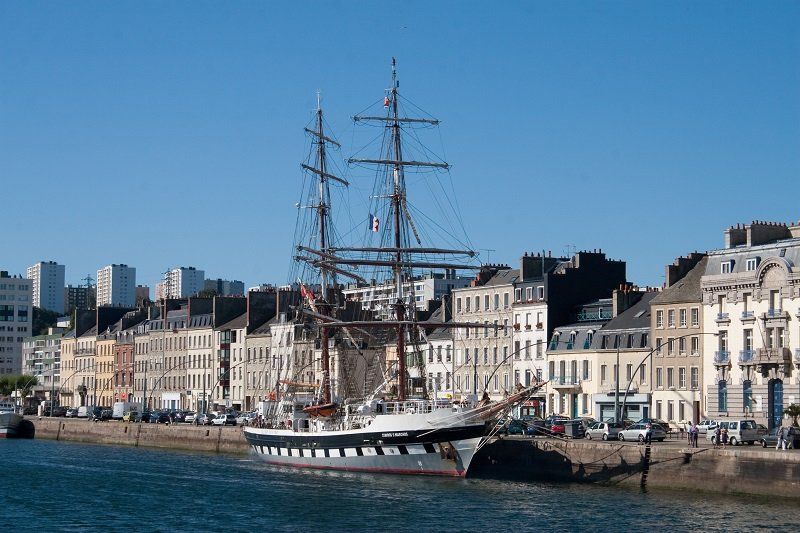
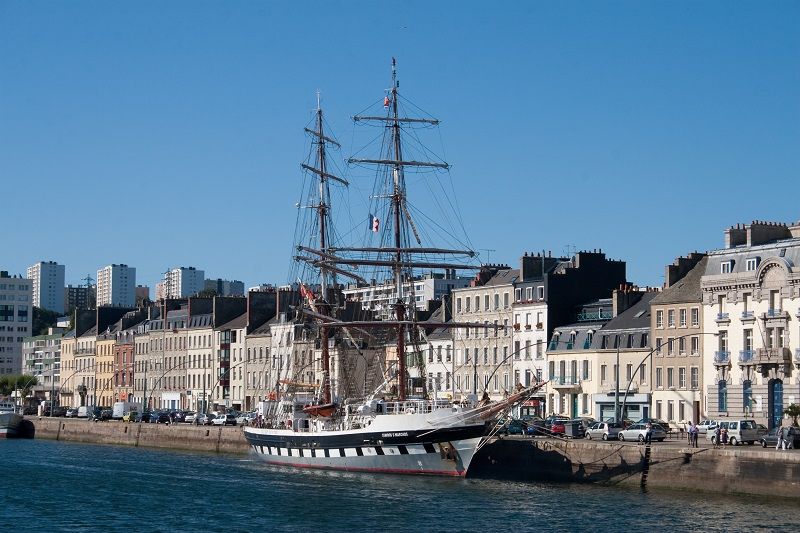
The city is located on the Cotentin Peninsula, on the coast of the English Channel, and it is not a romantically sleepy harbor with pristine white yachts, but a serious cargo, passenger, commercial, and military port (the second largest in the country). It is entirely lined with fortified forts, warehouses, industrial buildings, crisscrossed by dams, and marked by a long breakwater.

At the same time, Cherbourg has the charm of an old port, from which ships once departed for the New World. Even today, Cherbourg retains the same look as it did decades ago. What is it enchanting with? Its winding streets and houses with stone-facade fronts.

Restaurants and cafés here are also available in great variety; the French are known for their hospitality, as well as for exquisite fish dishes.

Climate

Cherbourg has a mild maritime climate. Summers are not hot here: on average, 13 degrees Celsius, and winters are warm-temperatures rarely fall below zero.

Location on the map

Sights

Fortress Rudder

Fortress Rudder

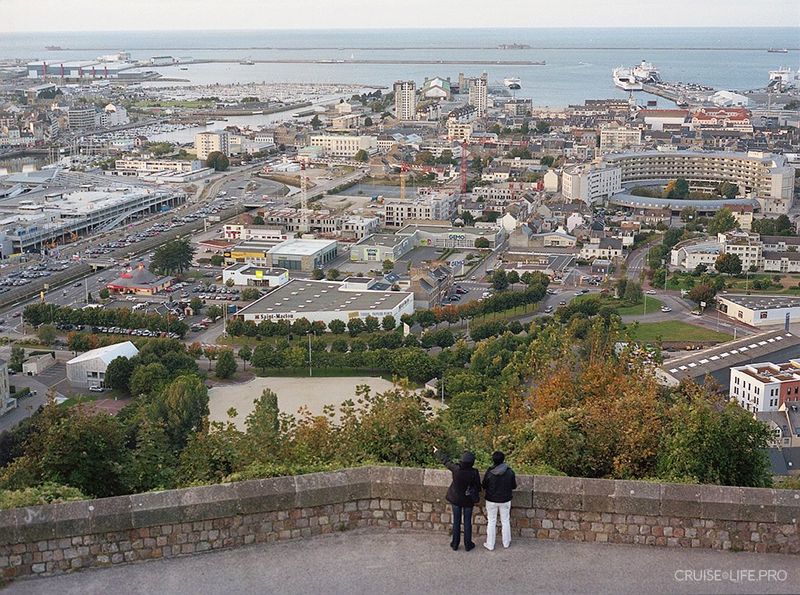
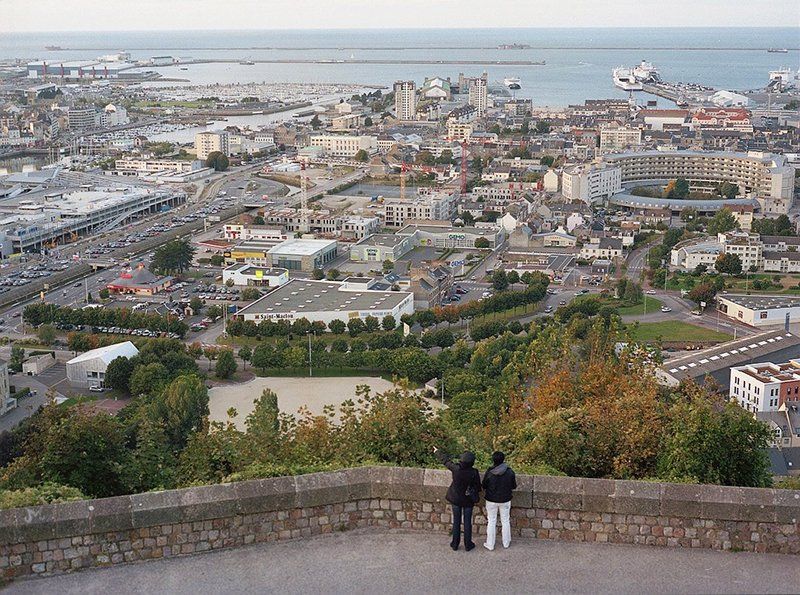
On a high hill above Cherbourg stands the legendary Fort Roul-an XIX century fortress where, in 1944, the battle for the city took place. When the Allied forces pushed the German units out of the fort, Fort Roul’s citadel became a symbol of Cherbourg’s liberation. Today, the fortress houses the Liberation Museum, dedicated to the events of the Second World War. Here you can find battle plans, historical photographs, weapons, and uniforms of the time. From the viewpoint located at the entrance to the museum, you can enjoy a breathtaking view of the city and the harbor.
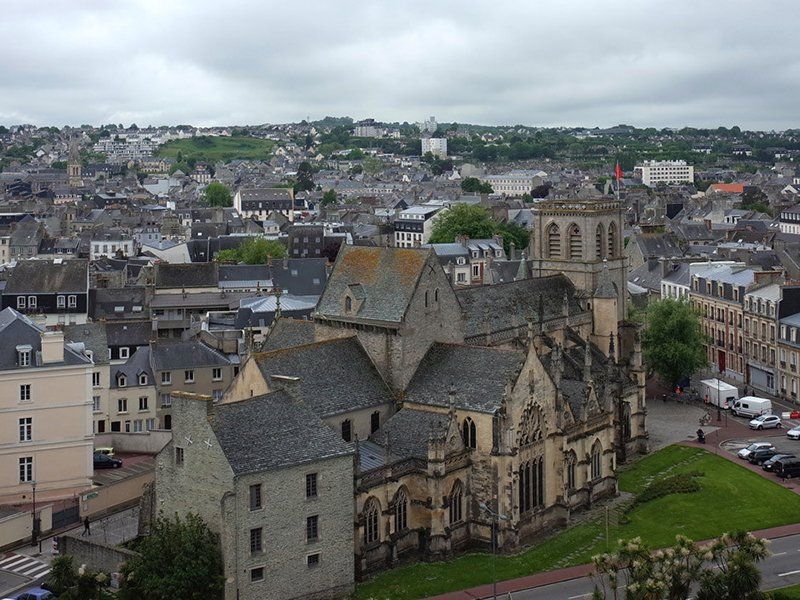
Basilica of the Holy Trinity

Basilica of the Holy Trinity

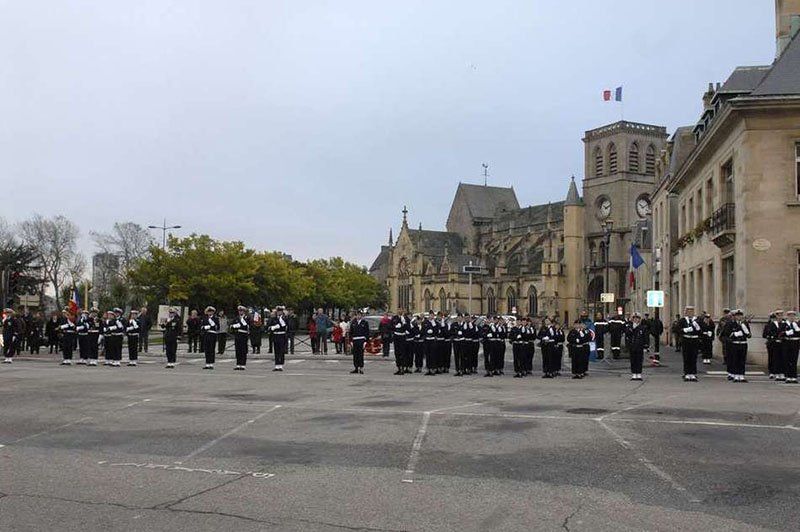
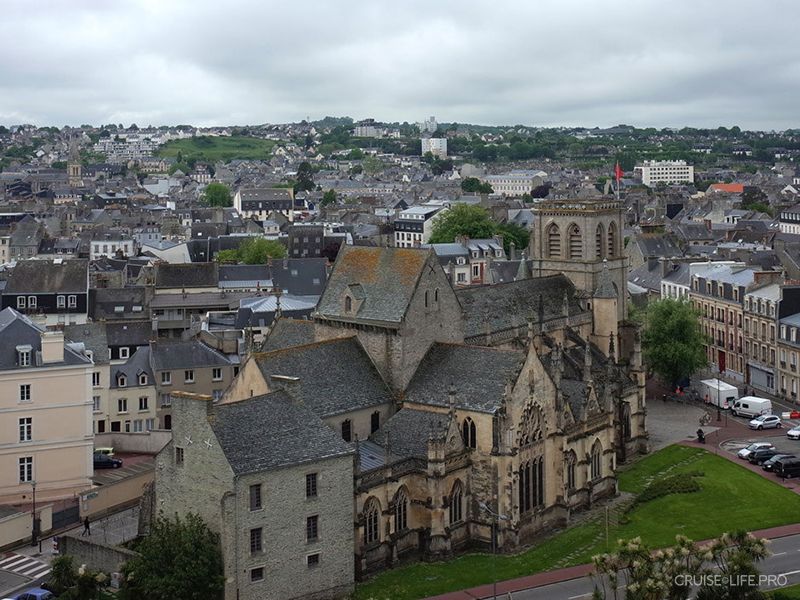
Basilica of the Holy Trinity - the oldest religious building in Cherbourg, whose construction took place from the 11th to the 19th century. In different eras, the temple looked different. And today it resembles a huge architectural puzzle put together from elements of various styles - from Baroque to Gothic. The most important treasures are hidden inside the basilica. First of all, these are the amazing carved bas-reliefs on the vaults of the nave, including the astonishing “Dance of Death.” Second, the historic organ made by the famous master Cavaillé-Coll. Third, two altars made for the basilica in the early 19th century.
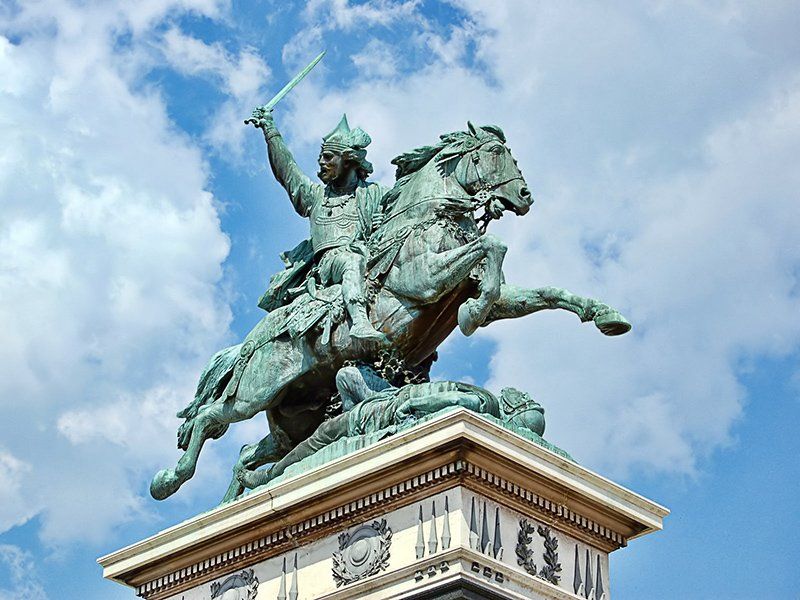
Napoleon Monument

Napoleon Monument

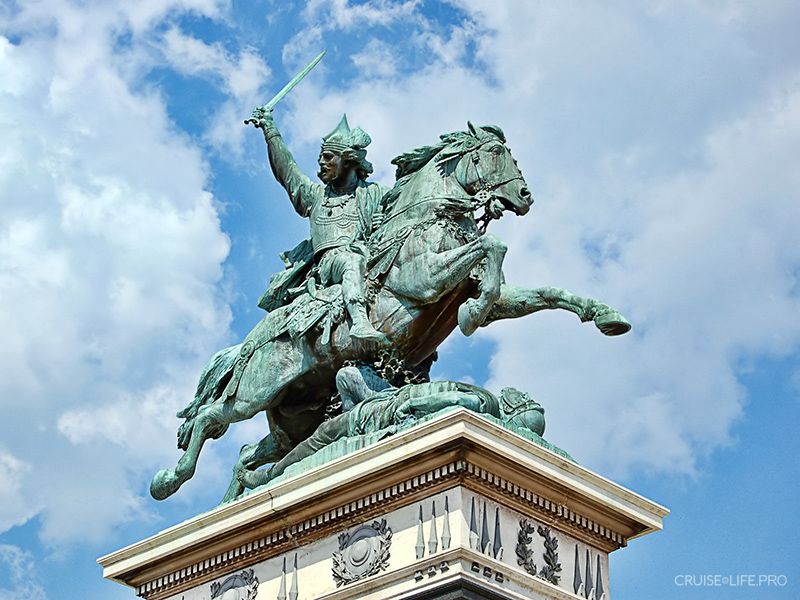
The equestrian statue of Napoleon is a tribute by the French to their greatest commander. It is believed that the port of Cherbourg made Bonaparte famous. He ordered the construction of a transatlantic military port of international importance here. Grateful residents immortalized him in stone in 1857. The Napoleon monument depicts the commander while inspecting the Cherbourg roadstead and the military port under construction. And on the pedestal, it reads: “I decided to renew Cherbourg in the spirit of the wonders of Egypt.”
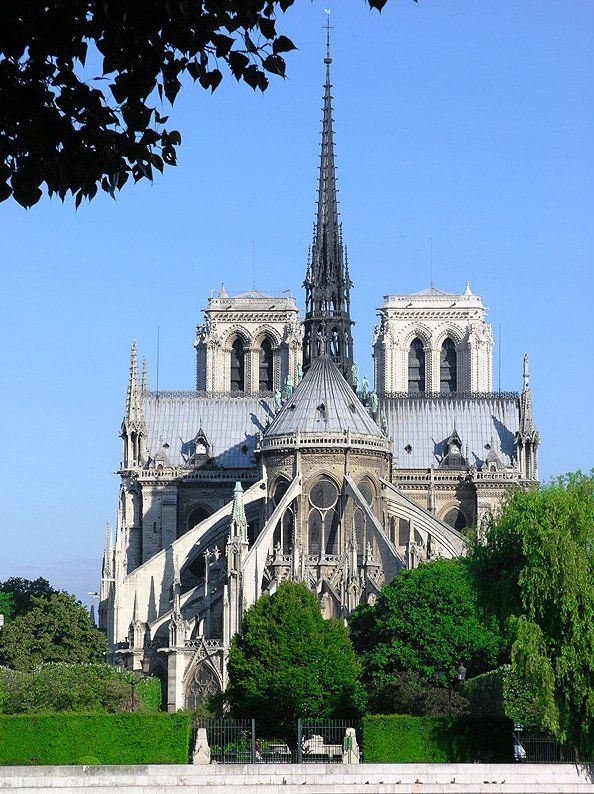
Notre-Dame-du-Vœ Church

Notre-Dame-du-Vœ Church

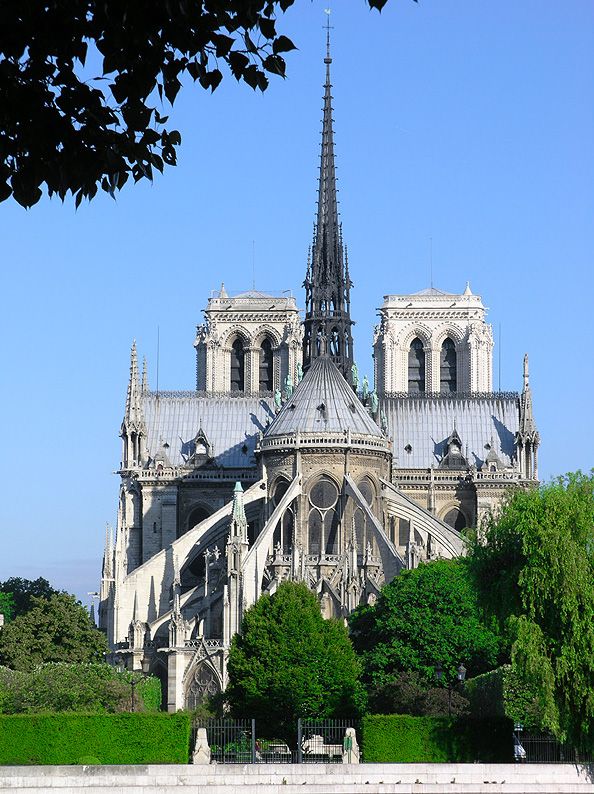
The most beautiful temple of Cherbourg - the Church of Notre-Dame-du-Vœ - was built in the 19th century. Notably, the cathedral’s façade is designed in the Romanesque style, while the two towers on either side are in the Gothic style. The church was badly damaged during air raids in the Second World War. In the 1950s, it was restored, adding to the already rich interior with modern stained-glass windows. Although the cathedral also has original 19th-century stained-glass. Be sure to pay attention to the richly decorated wooden altar and to the church organ-it was made in 1885 and was later recognized as a historical monument.
What to see

Emmanuel Laye Park

Emmanuel Laye Park

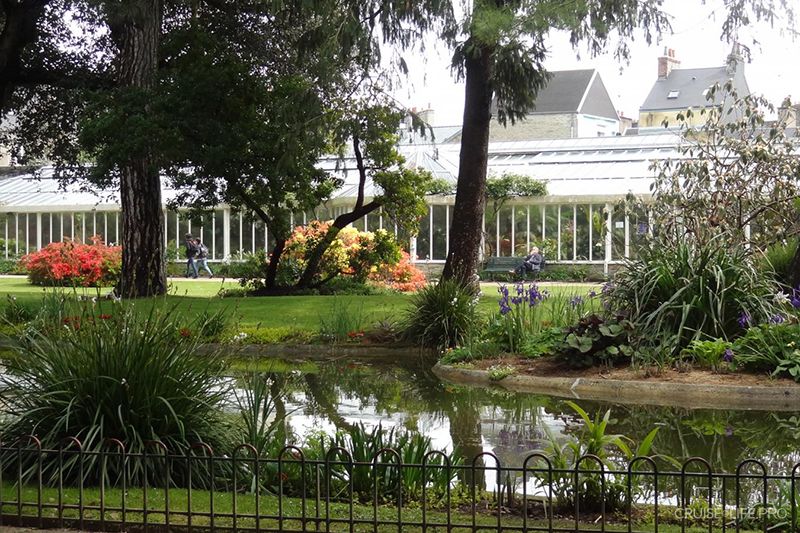
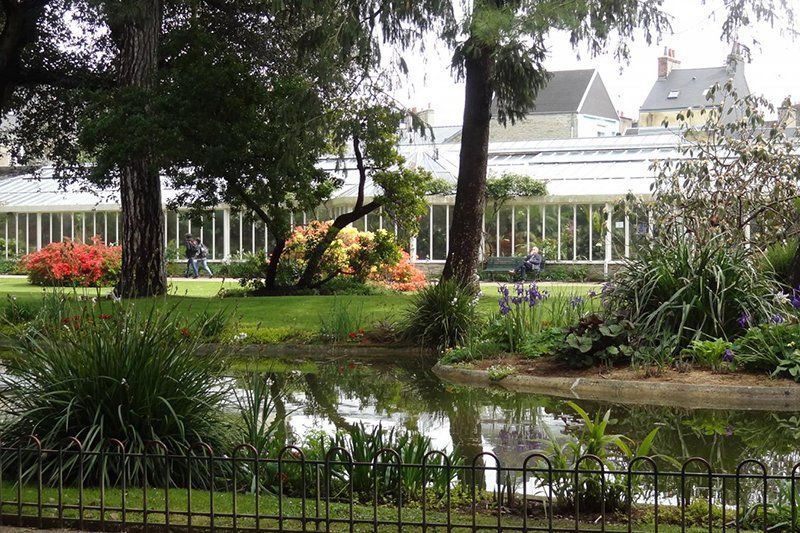
The city’s Central Park is named after the explorer, biologist, traveler and politician Emmanuel Lejean, who in the 19th century founded a botanical garden on this site. Today, you can stroll for a long time along the park’s winding paths, admiring century-old cypresses, pausing by small ponds and enjoying the lilies growing in the water. There’s also a chance to visit a greenhouse, where the world’s rarest exotic plants are collected-many of which were brought from South America and China. You can see what a ginkgo biloba tree looks like, watch huge eucalyptus trees grow, walk through a real cactus desert and admire Brazilian palms. In addition, the park features an unusual cabinet of curiosities, housing artifacts that Mr. Lejean brought back from his travels around the world.

Château de Ravale

Château de Ravale

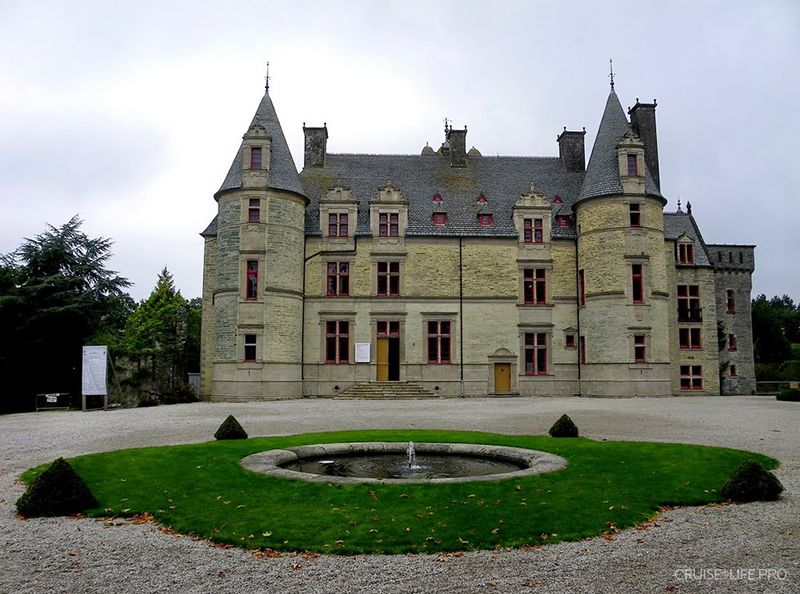
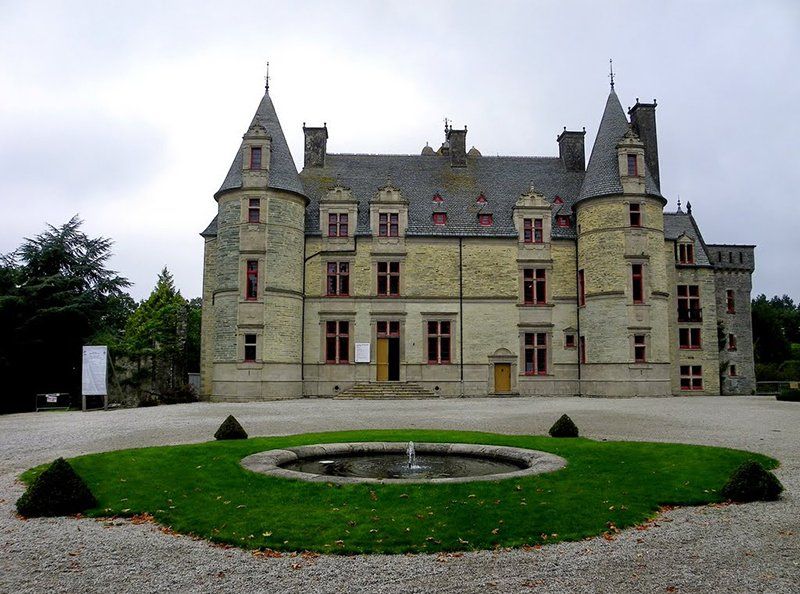
The walls of the 16th-century Château de Ravale in the village of Tourlaville hold a dark and tragic love story. The children of the first owner of the château, siblings Marguerite and Julien Ravale, fell in love with each other despite the fact that their feelings were considered sinful. Their father cursed them, forcing them to flee the château, but in 1603 the lovers were captured and executed in Paris at the Place de Grève. The Renaissance Château de Ravale has been wonderfully preserved to this day, even though during the First World War it housed a military hospital, and during the Second World War the château was first occupied by the Germans and then by the Americans. Today, visits to the Château are limited: you can see the château’s interiors only on certain days. However, the English-style park is open all the time.

Sea transatlantic terminal

Sea transatlantic terminal

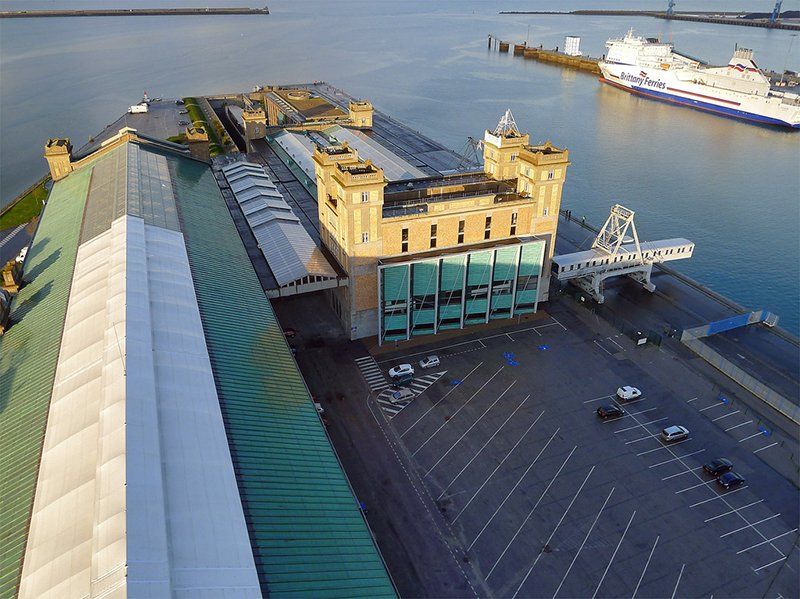
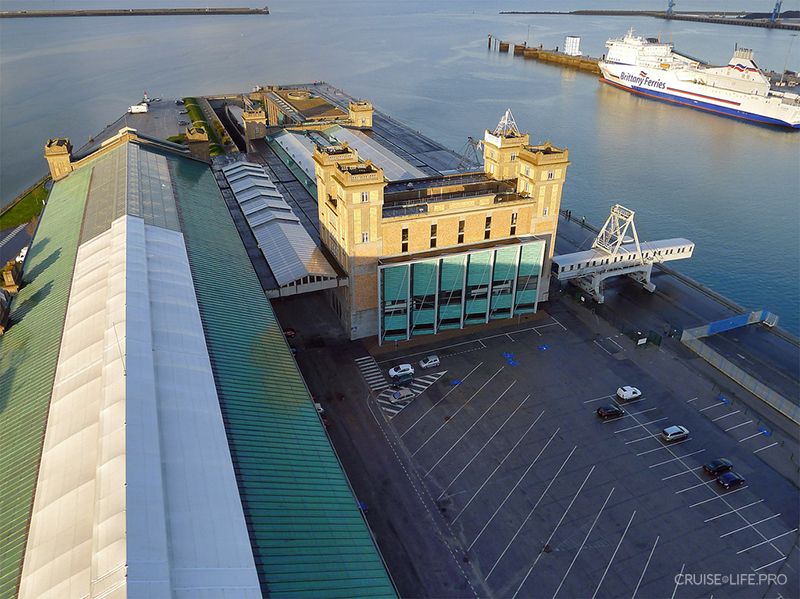
The Port of Cherbourg sea transatlantic terminal is known worldwide for the fact that on 10 April 1912 the world-famous liner “Titanic” made its penultimate stop here, tragically. In the majestic early 20th-century building, built in Art Deco style, the La Cité de la Mer (“Sea Town”) complex has been located since 2002, bringing together several museums under one roof. One of them is devoted to the history of “Titanic”: on interactive screens, film footage and photographs are shown; some items from the sunken ship are also kept here. Visitors can also take part in a reconstruction of the liner’s tragic disaster and “step into” the passenger cabins. Nearby, a deep-sea aquarium is operating, where several thousand species of tropical fish swim.

Recommended excursions

Shore Excursion: Cherbourg Overview

Shore Excursion: Cherbourg Overview

During this walking tour you will go along the main city sights, such as the Abbey of Veux, the Roule fortress, the Basilica of the Holy Trinity, Napoleon Square with the eponymous monument, the City Hall, the theatre, and many other beautiful buildings and interesting landmarks.

For a more detailed list of excursions and their prices, you can check after booking the cruise in your “Personal Customer Account”.