

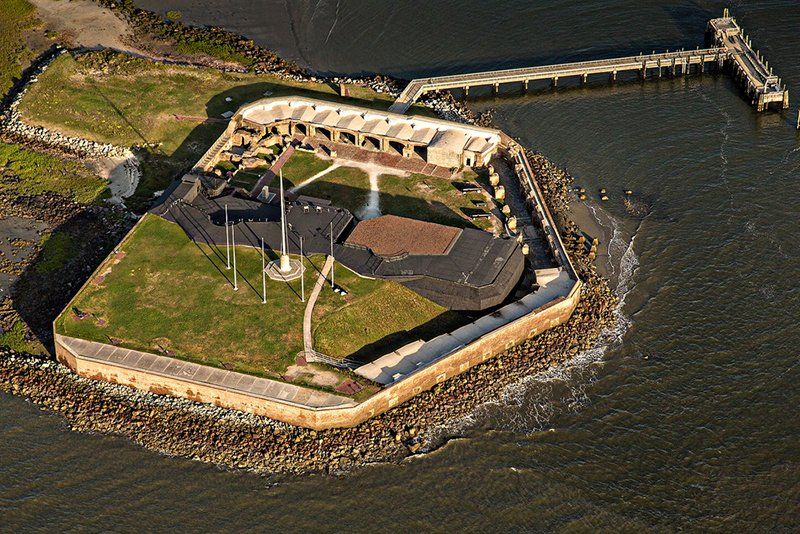
Fort Sumter
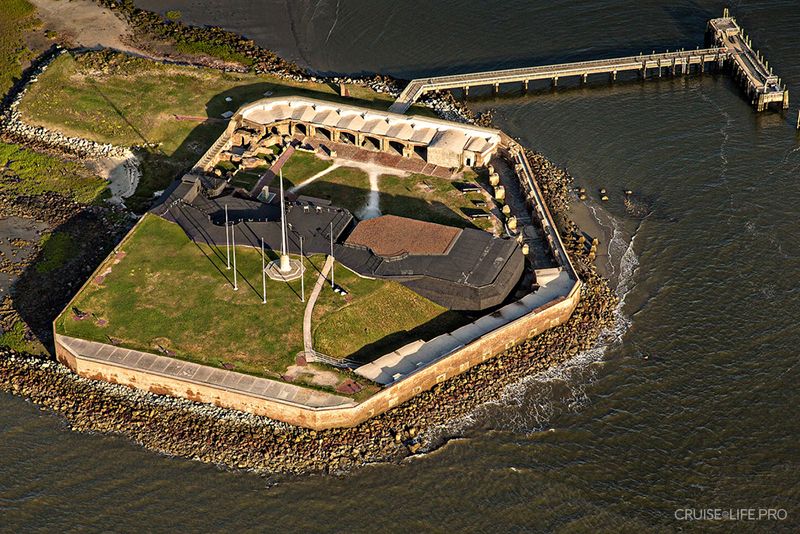
Fort Sumter is located on a small island in the Charleston harbor. The fort was built in 1812 as one of a series of fortifications along the United States’ southern coast. Fort is designed for 650 men and 135 cannons in three tiers, however this potential was never fully utilized. Fort Sumter is famous for the fact that the Civil War in the United States began with the attack by the Confederates on the fort on April 12, 1861. After the war, Fort Sumter was a complete ruin, however the U.S. Army worked diligently to restore it. Today, Fort Sumter is a National Monument; within the fort’s walls there is a military history museum. On October 15, 1966, the fort was added to the National Register of Historic Places in the United States.
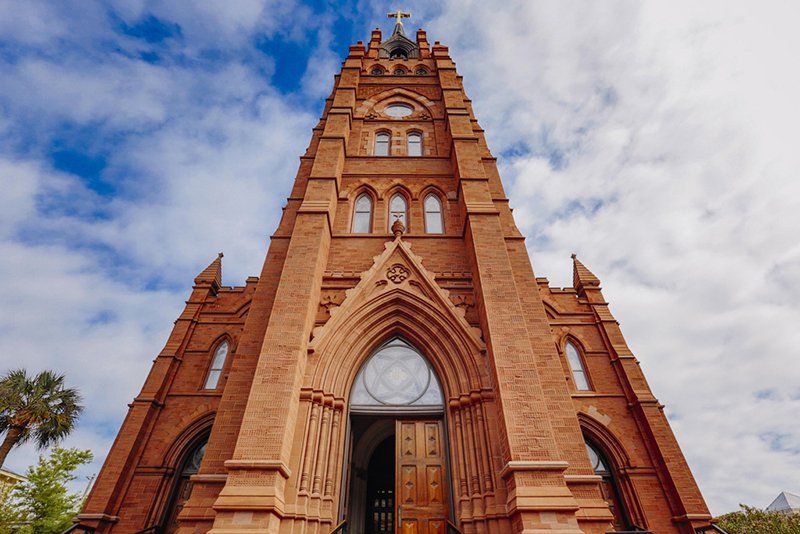
Cathedral of St. John the Baptist
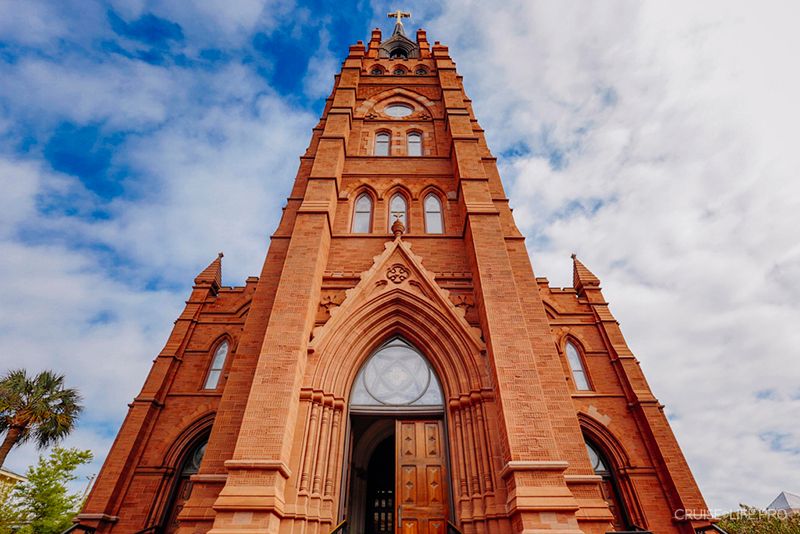
The Cathedral of St. John the Baptist was consecrated on 6 April 1854; however, on 11 December 1861, the cathedral was practically destroyed by a fire, as was much of Charleston. In 1890, the cornerstone of the new St. John the Baptist Cathedral was laid. The building’s spire was completed much later due to lack of funds, and construction was finally finished only on 25 March 2010. At that time, a bell tower with bells was also added. The cathedral’s interior design was handled by the well-known German company Franz Mayer & Co., famous for its magnificent stained-glass windows. The cathedral’s walls are decorated with hand-painted artwork in a neo-Gothic style. Today, several organs and the magnificent choir of this huge cathedral amaze visitors with their sound.
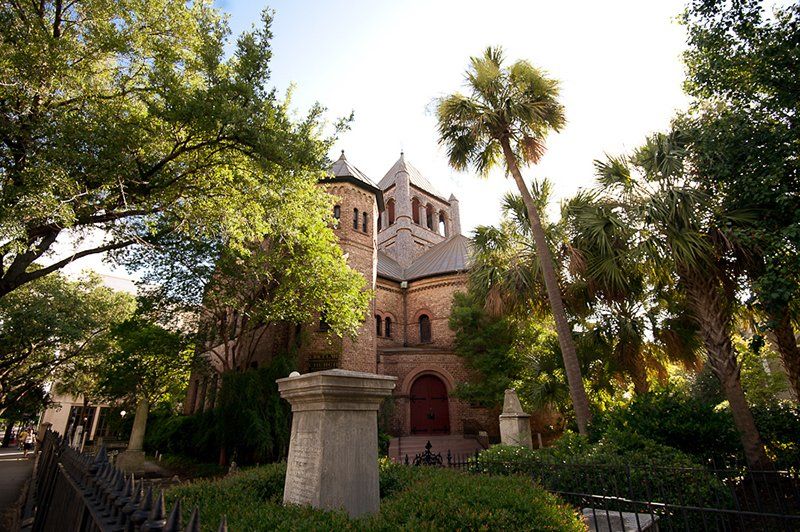
Round Church
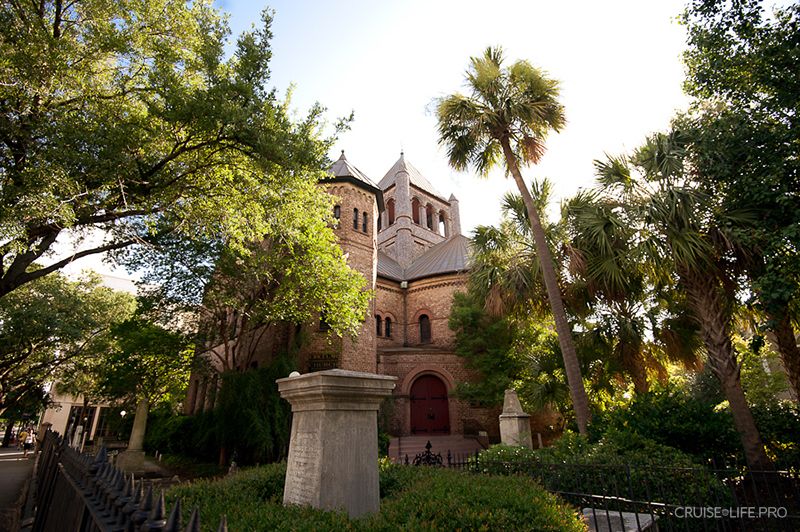
The round Congregationalist church is the famous “round” church of Charleston. The original magnificent building, built in 1681, burned down in a fire in 1861, and the new building was also destroyed after an earthquake. Only the fourth temple in the series has survived; like all the previous ones, it has a round shape. The church building is a vivid example of Romanesque architecture: a wide roof plane, a large arched entrance, low towers, and narrow windows. In Charleston, they say the church was built round so that the devil could not hide around the corner. Next to the church there is a beautiful parish house, also the work of architect John Mills. The church and parish house are listed in the National Register of Historic Places in the USA.
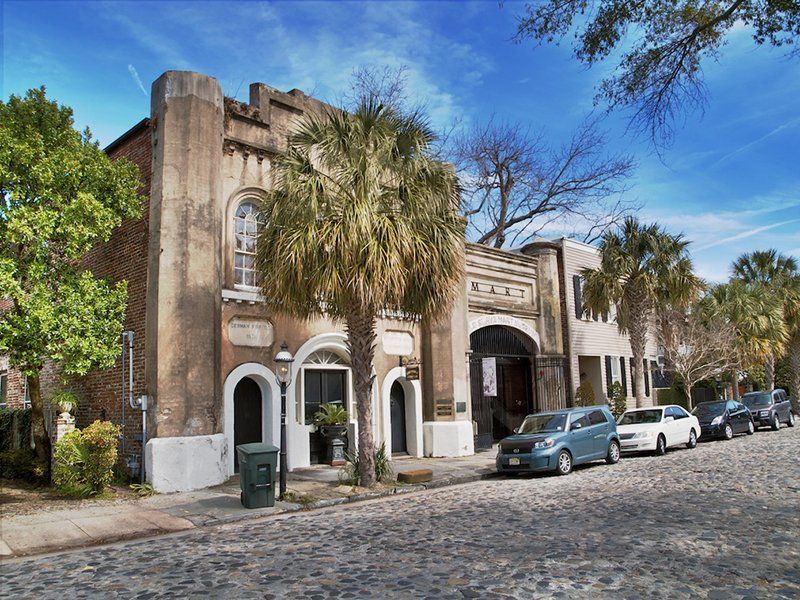
Old Slave Market
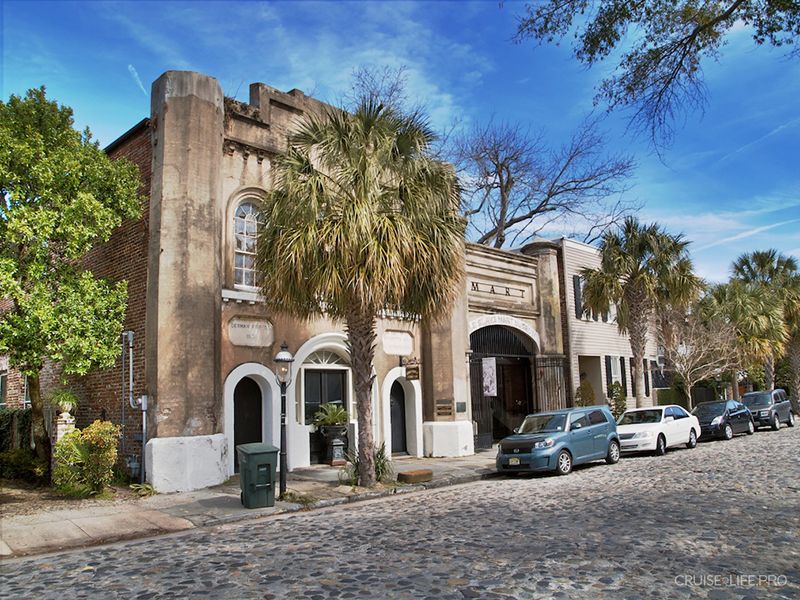
Built in 1859, the building witnessed the last recorded auction for the sale and display of enslaved people in South Carolina. In 1975, the Old Slave Market was added to the National Register of Historic Places. Today, this building houses the Old Slave Market Museum. In fact, the Old Slave Market was part of a larger slave-trading market known as Ryan’s Market, which covered much of the area between Chalmers and Queen Streets. The market was established in 1856 by the Charleston sheriff Thomas Ryan after a citywide ban on the sale of enslaved people was adopted and the need arose for private markets. The Old Slave Market Museum has been in existence since 1938.
Rainbow Row
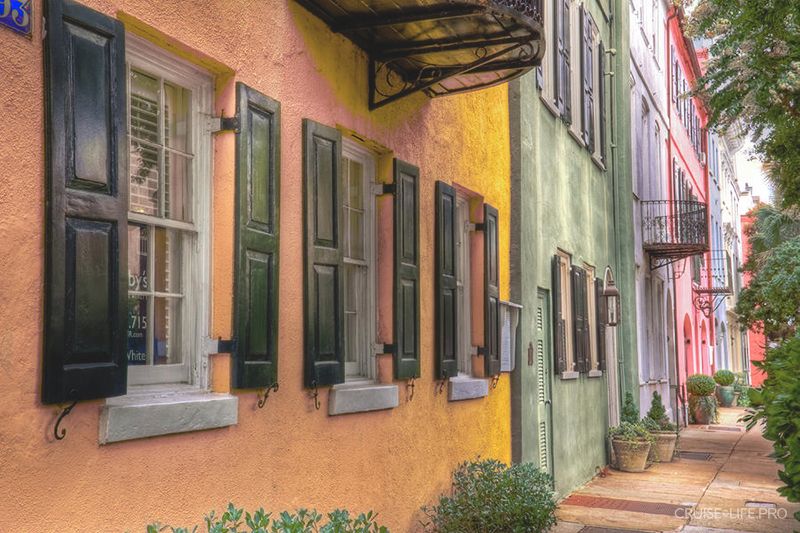
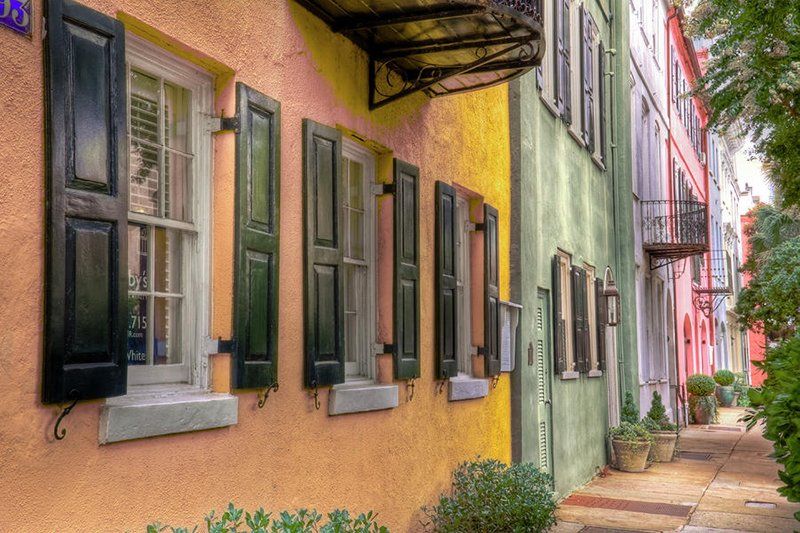
Rainbow Row is the name of several colorful historic houses in Charleston. The houses are located north of Tread Street and south of Elliott Street. It is one of the most photographed places in Charleston. After the Civil War, this part of Charleston was transformed according to conditions close to slum life. In the early 1900s, Dorothy Porcher Legge bought some of these houses on East Bay Street and began restoring them. Subsequently, other house owners in the area joined her. According to one of the fun stories about the colorful paint on the houses, they were painted in different colors back when shops were located there: this way, white masters could more easily direct their illiterate slaves to the building to go shopping in.
Old Charleston Prison
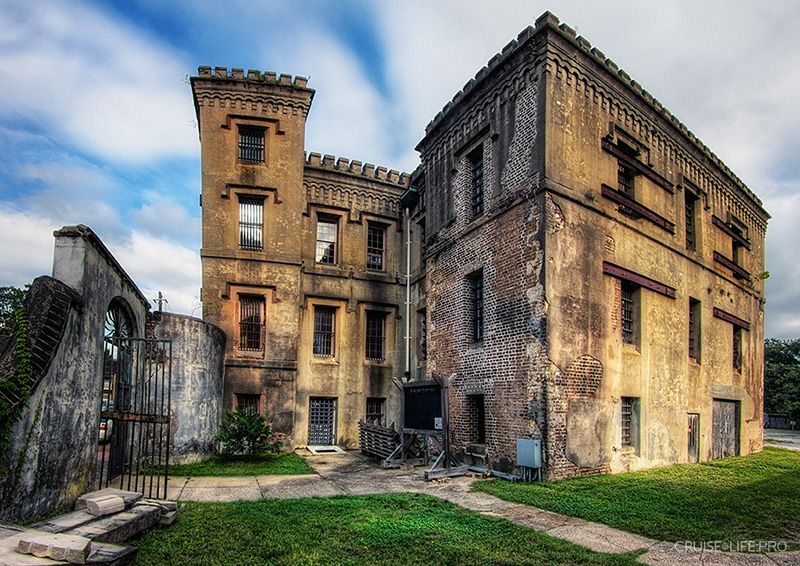
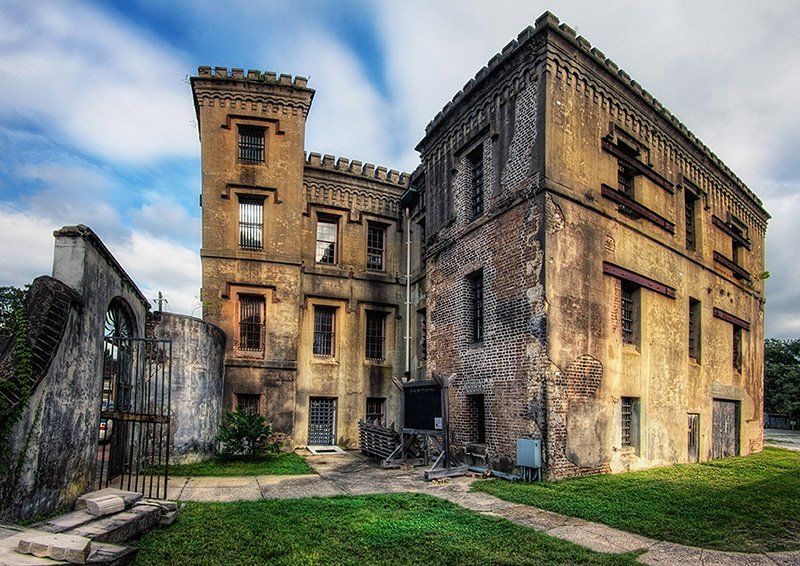
The Old City Jail is located on four acres of land designated by the city for public use since 1680. A hospital, houses for the poor, a workhouse for fugitive slaves, and finally a prison were built here. It housed the city’s most notorious criminals, federal prisoners of war, pirates, and rebel slaves. It consisted of four floors, topped with a two-story eight-sided tower. In 1855, the building was expanded and architectural details in the Romanesque style were added. In 2000, the building was purchased by the American College of Arts. Today, the Old City Jail is part of a National Trust for Historic Preservation project. Tours of the building are available by advance booking.