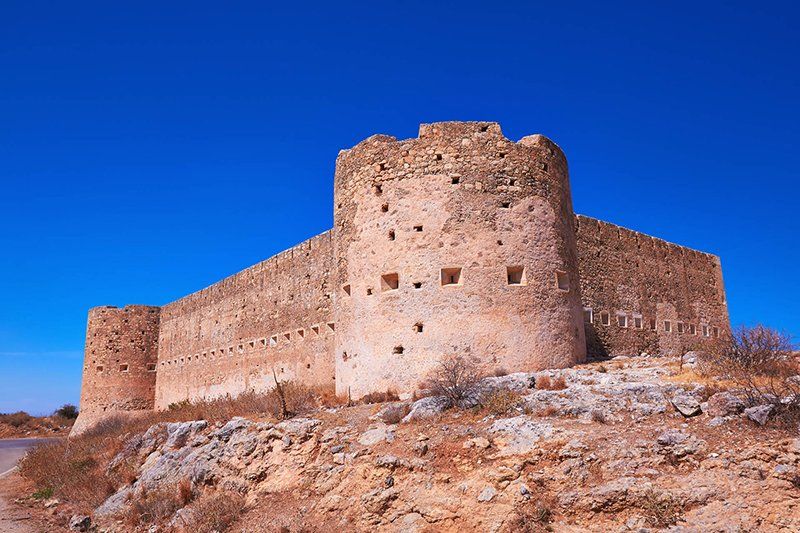
Aptera Fortress
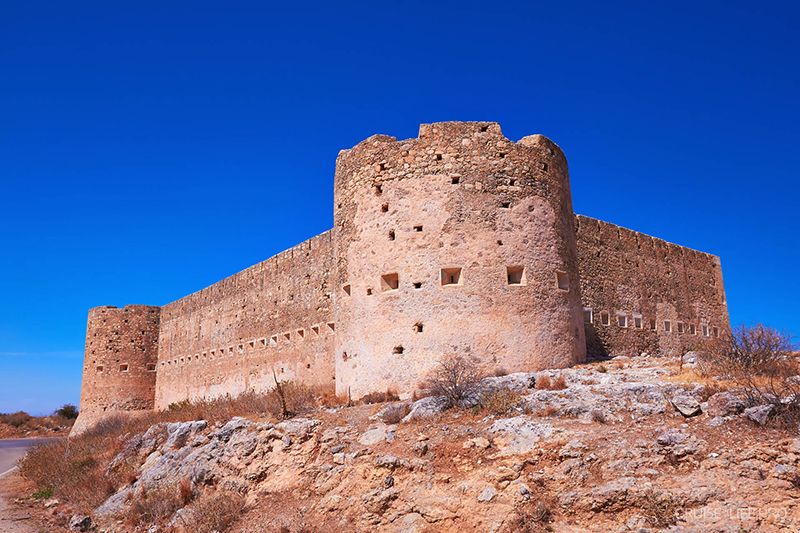
During the Minoan period, Aptera was a major trading port city; today, only the ruins of its fortification walls remain-4 kilometers long-within which buildings from different eras have been preserved quite well. From the Hellenistic period, a sanctuary and the ruins of a theater remain; from the Roman period, the rectorate building, aqueducts, and the remains of a necropolis. The Byzantine period is recalled by the Monastery of St. John the Theologian, which became an open-air archaeology museum in the middle of the 20th century, and Turkish rule is remembered by the 19th-century Izetdin fort and fortress. Coins, tableware, and statues were found on the territory of Aptera and are now kept in the Archaeological Museum of Chania.
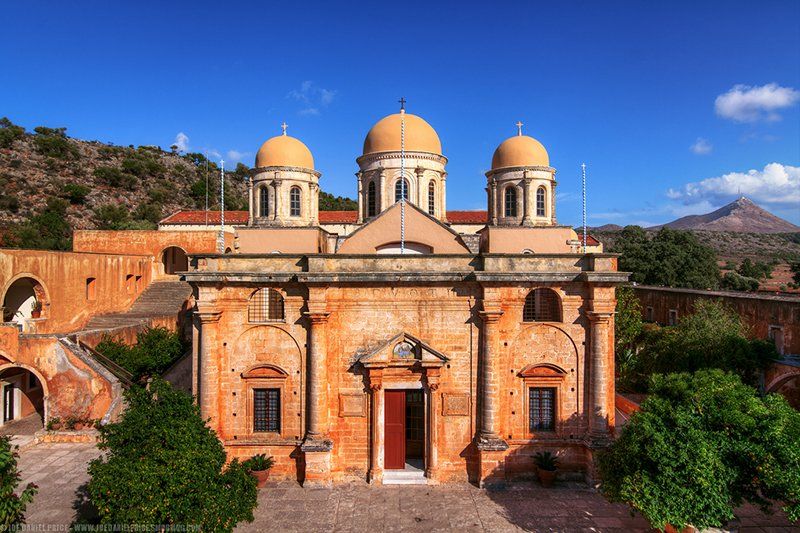
Agia Triada Monastery
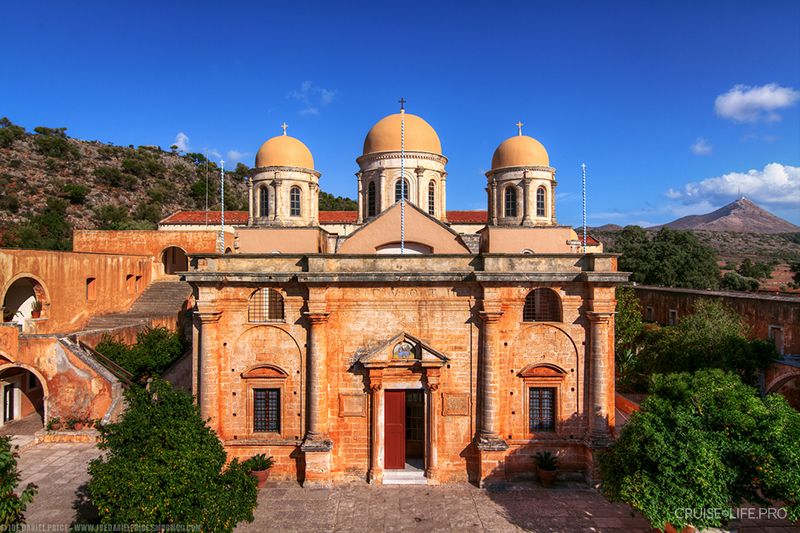
This male Orthodox monastery with Doric columns is familiar to everyone who has seen the film «Zorba the Greek»-it is here that its filming took place. Built in the 16th century on the Akrotiri peninsula by monk brothers from Venice, it was considered the wealthiest in Crete and was the only monastery operating in Crete during the Turkish occupation, as it could afford to pay tribute to the occupiers. Today, the monastery houses the Cretan Theological School, a rich library has been preserved, and a collection of icons and engravings is displayed. The monks have also set up their own production of olive oil, honey, and several types of tea.
The Historic Centre of Chania
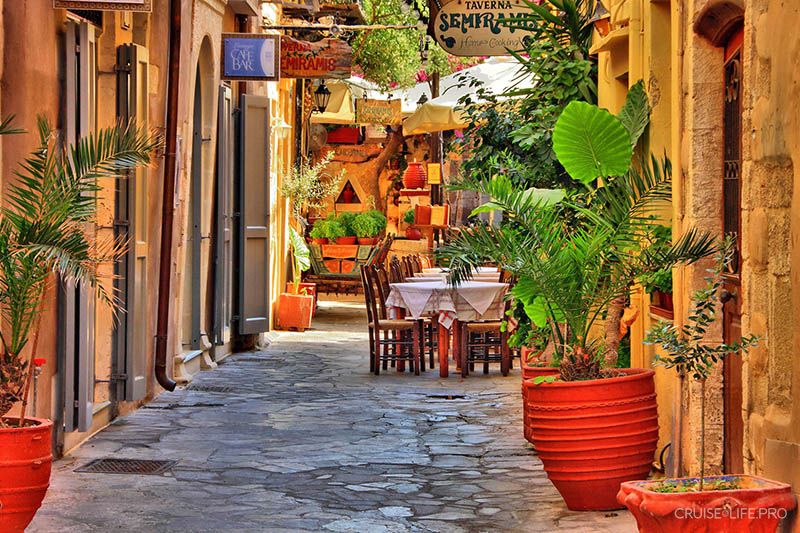
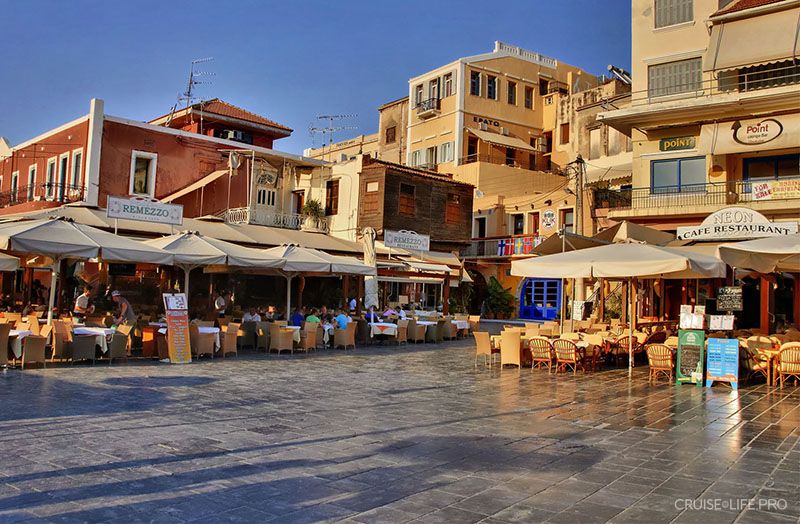
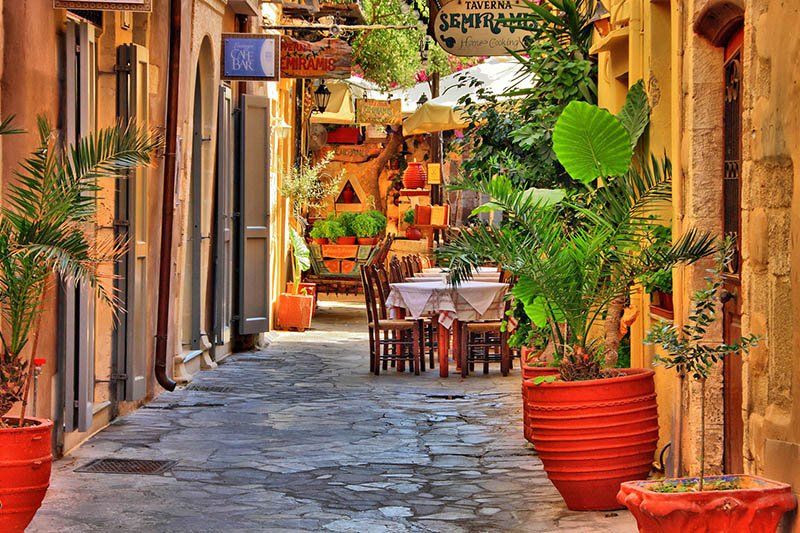
The historic part of Chania for the most part has remained untouched and has survived to this day. The Old Town is considered the most beautiful town in Crete. It is bordered by a Venetian fortress wall, and the city center is considered to be the Kastelli area, one of the five districts of the Old Town. To the west of Kastelli lies the most popular square with tourists-Eleftherios Venizelos Square, or Sentrivani. The famous Janissaries Mosque is also located here. On the west side of the Old Town is the Topanas district, where you can fully be transported back to the time of Venetian rule. And to the north of the Topanas district there is the fortress of Firka. South of the Topanas district is the Jewish Quarter. Here, old narrow streets and houses built by the Venetians have been preserved.
Venetian Harbor
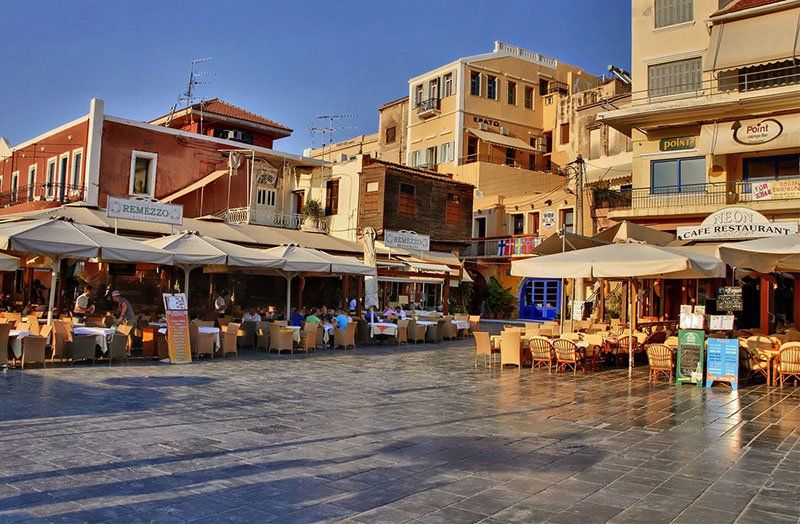
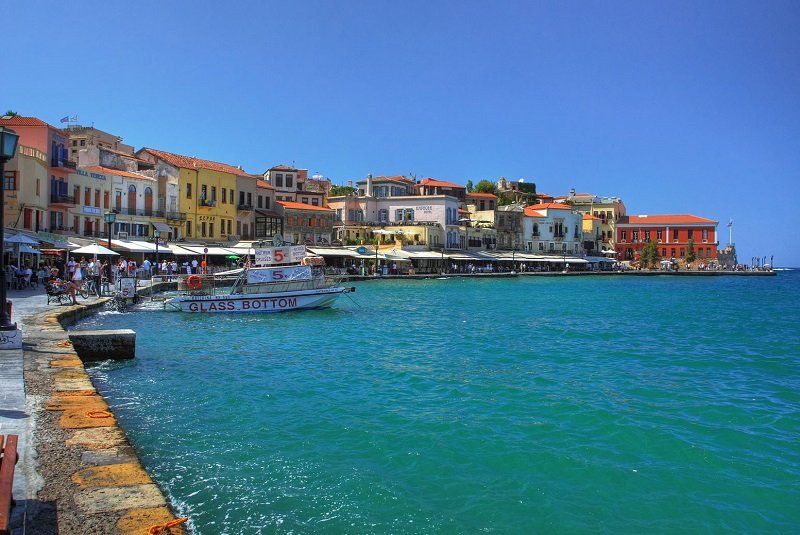
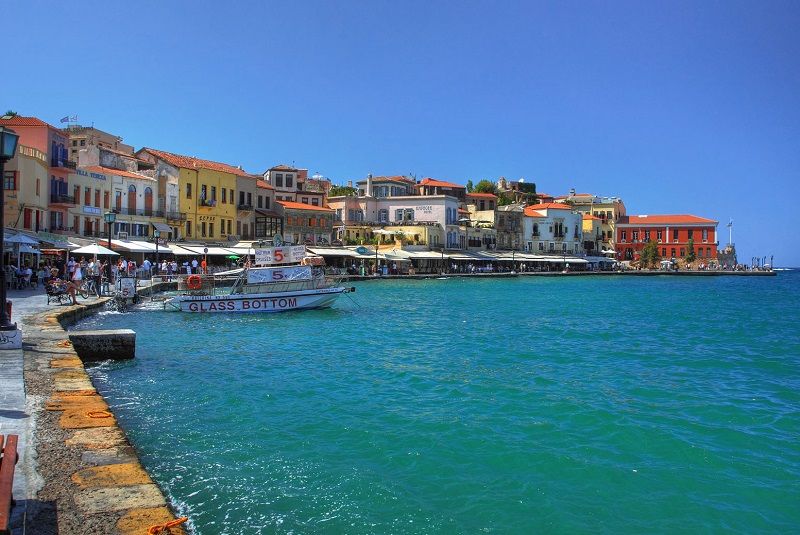
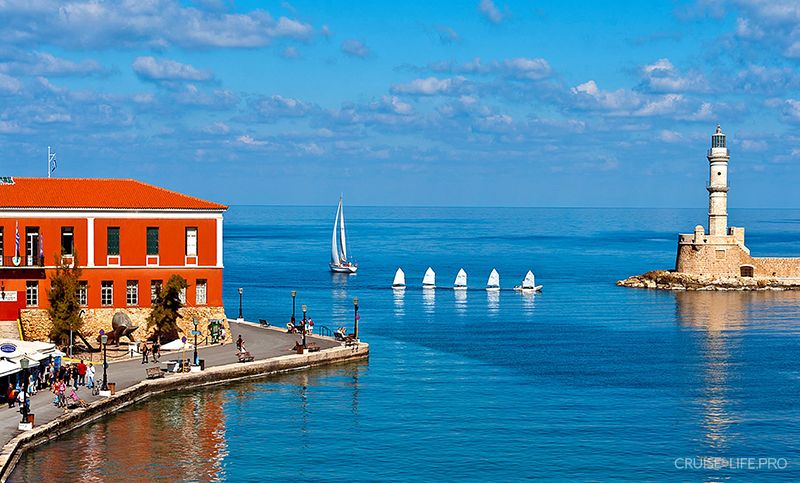
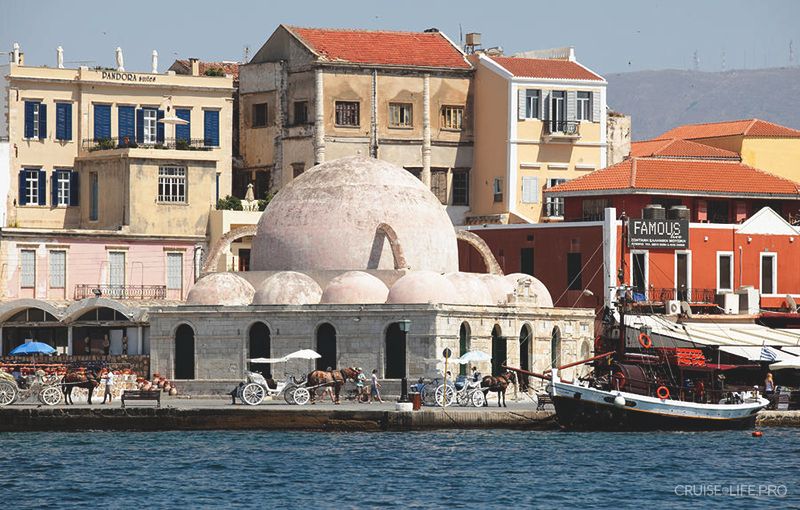
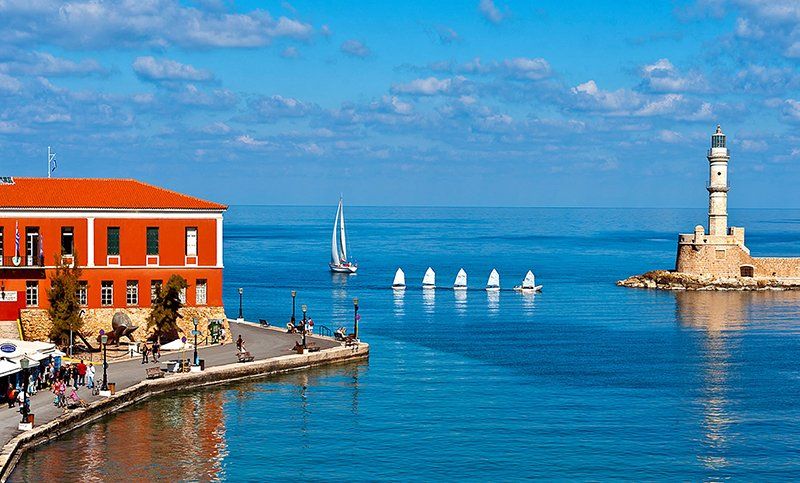
The Venetian harbor of Chania, built during Venetian rule, is one of the most visited tourist places in this Cretan city. On the shore of the harbor there are many cafés and taverns, as well as cruise boats that you can take for exciting sea excursions. The harbor, built by the Venetians for just 40 galleys, was constructed in 1356. At the entrance to the harbor there is the Firkas Fortress, near which the Cretan Maritime Museum is located. It was in the Firkas Fortress that, in December 1913, the Greeks raised the flag in honor of the union of Greece with the island of Crete. Other interesting sights of the harbor include the Turkish Muslim mosque dating back to 1645 and a lighthouse built by the Egyptians in 1840.
Yanychar Mosque
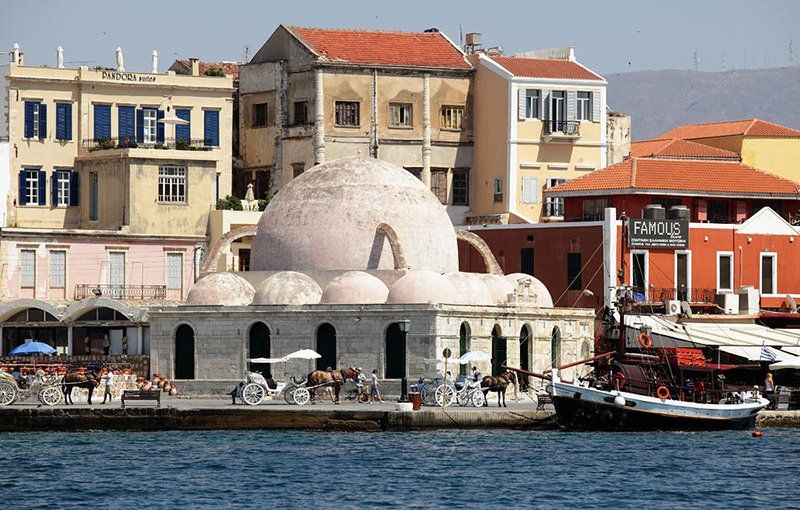
The Janissary Mosque dates back to 1645 and is considered the oldest Muslim building in Chania. The temple was started a little while after most of the island of Crete was captured by the Ottoman Empire. At that time, a significant number of Greek churches were converted into Muslim mosques, completely destroying their Christian symbols and elements. However, the Janissary Mosque is a purpose-built structure, not a repurposed one. The temple is a typical Muslim shrine, where little attention was paid to the exterior and interior decoration. The main purpose of the mosque was to use it as a center for worship and for teaching newly made Muslims.