Augustaeum
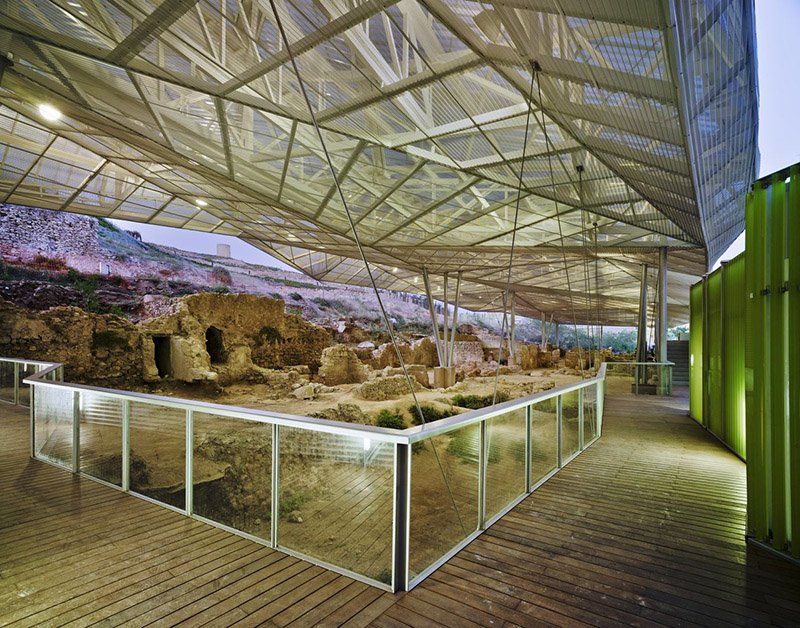
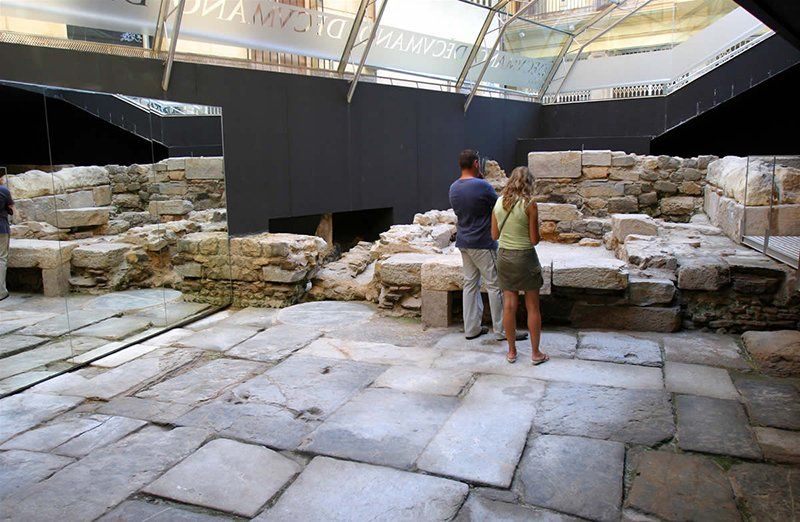
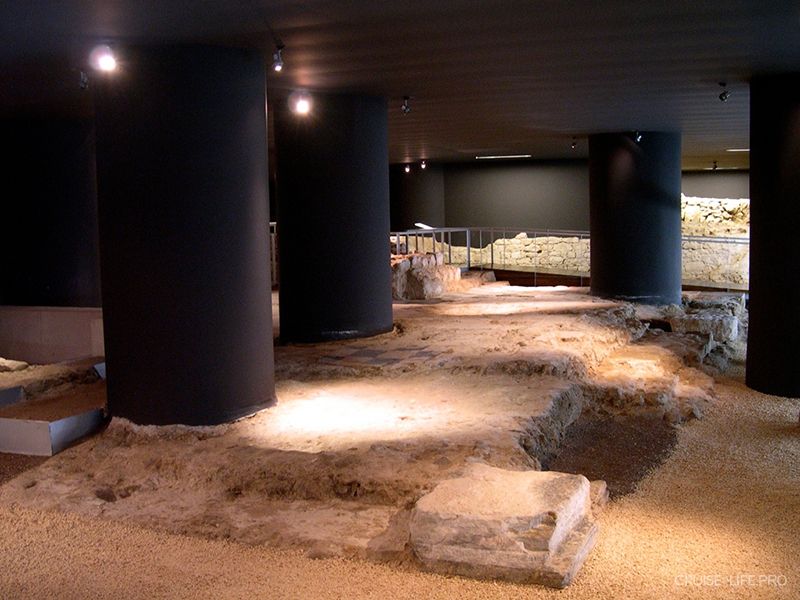
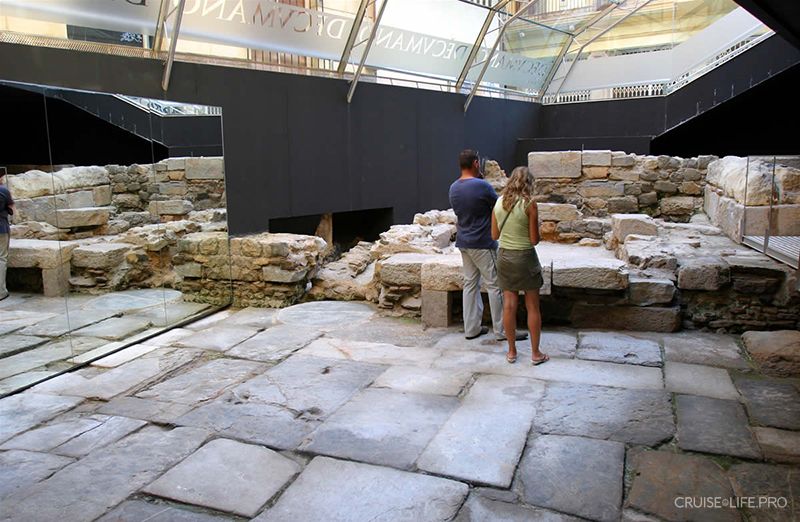
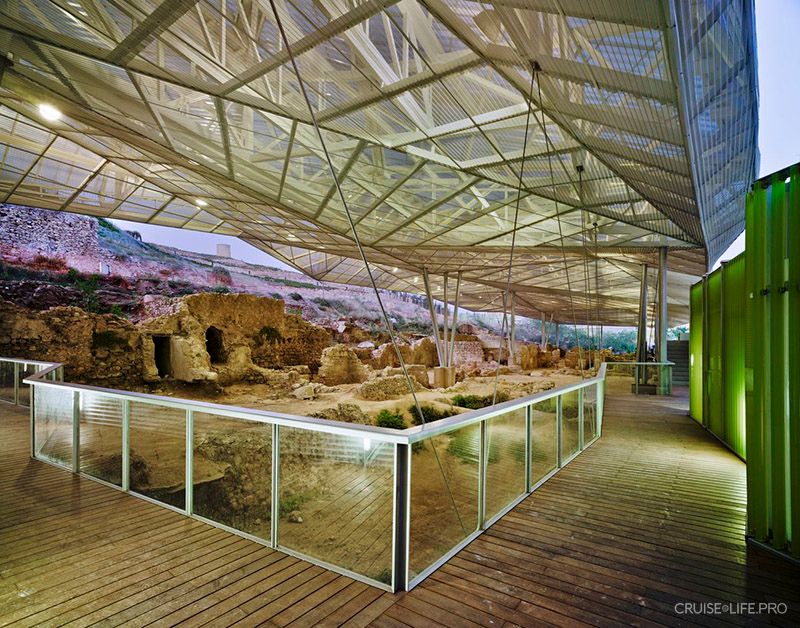
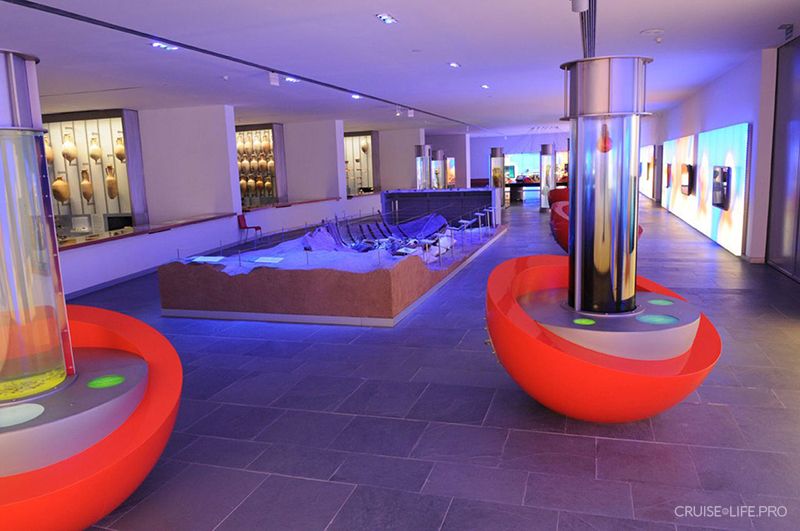
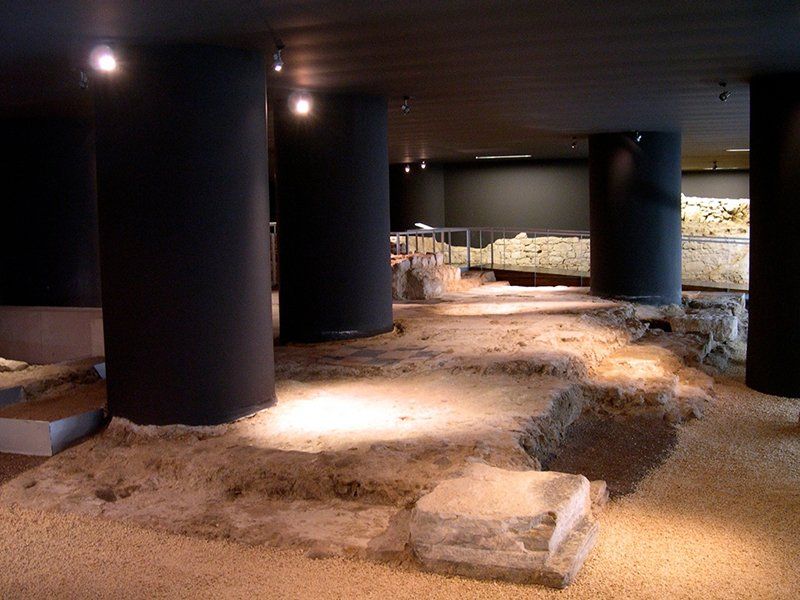
Augusteum, the residence of the priests of the imperial cult of Augustus, is one of the buildings of the Roman Forum, only partially excavated by archaeologists. To this day, only the foundation, and elements of the walls and columns have been preserved-though that, in fact, is not so little. Most of the items found during the excavations (for example, the statue of Augustus) are kept in the Archaeological Museum.
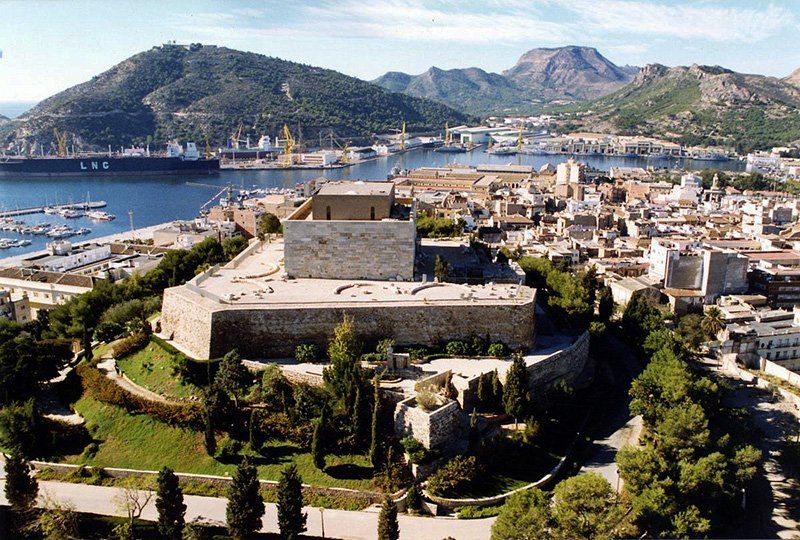
Concepción Castle
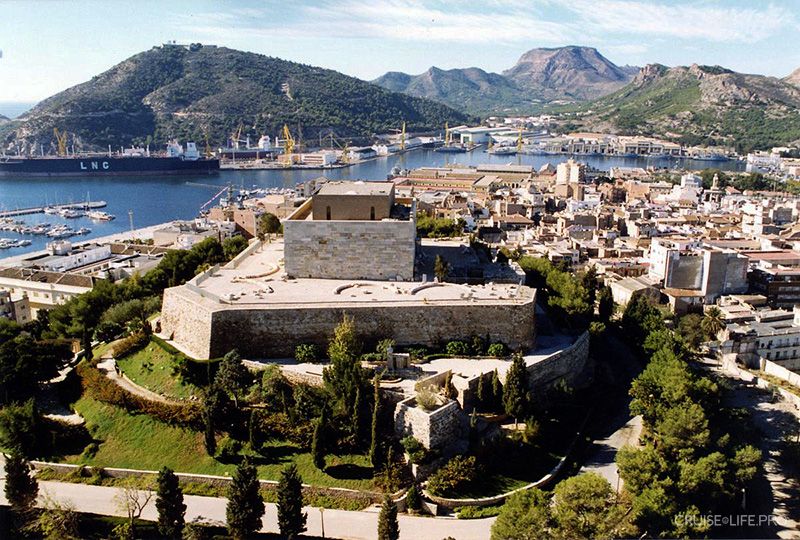
At first it was a Roman temple, the walls of which have survived at the base of the modern castle; then it became an Arab fortress, and only later-a Christian castle on the hill of Concepción (the highest point in the city). By the 20th century, the structure had turned into well-preserved ruins with a picturesque garden with ponds. Today, Concepción is known as the “Castle of Ducks” (“Castillo de los patos”). You can see an image of the castle on the coat of arms of Cartagena.
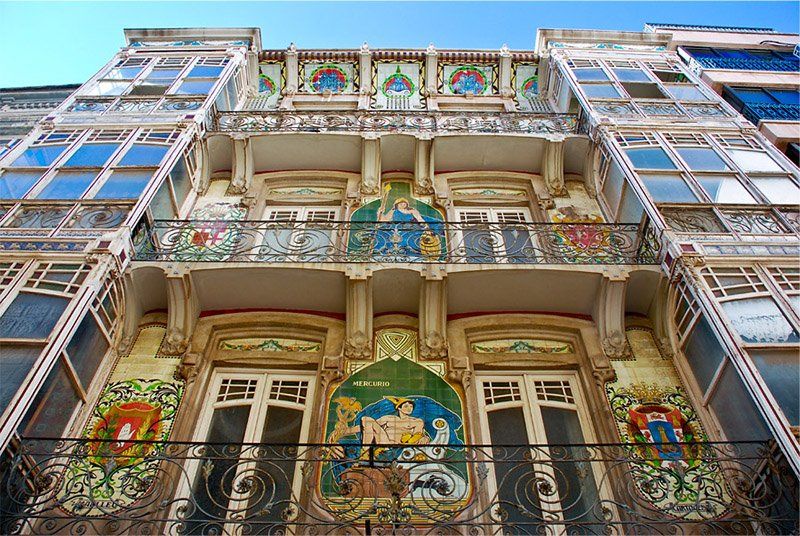
Llagoster House
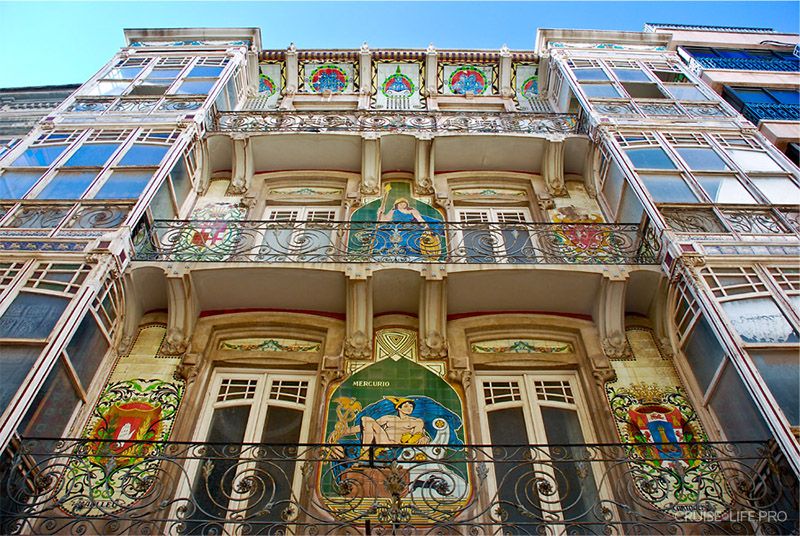
La casa Llá gostera on Calle Mayor is among the architectural masterpieces of the architect Víctor Beltrí (Víctor Beltrí y Roqueta), the author of several buildings in the Modernisme style in Cartagena. Unusual decorative elements adorning the façade-floral ornaments, mythical figures, and coats of arms-set the building apart from other structures of that time. The height of the house does not allow you to take in all the details at a glance, but you can still fully appreciate the architectural scope with which its former owner, Esteban Llagostera-a merchant who was among the influential residents of Cartagena in the early 19th century-approached the construction of the house.
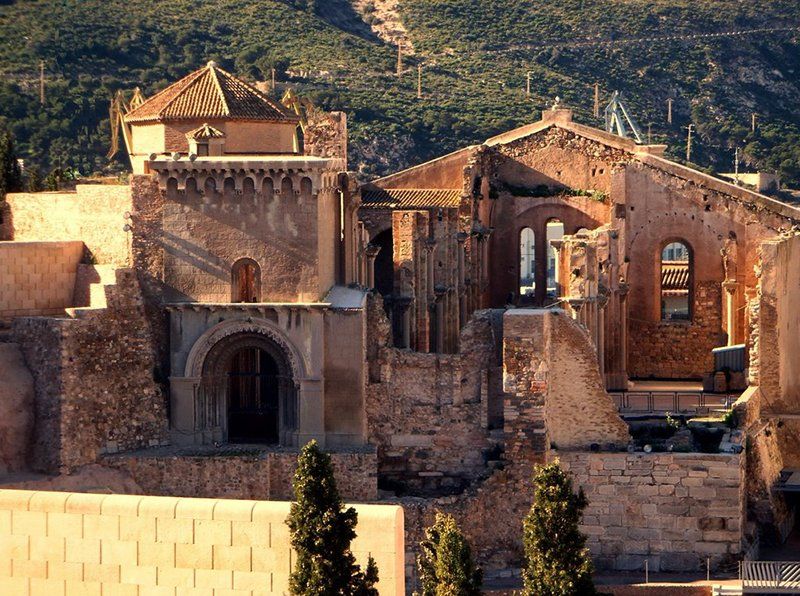
Cartagena Cathedral
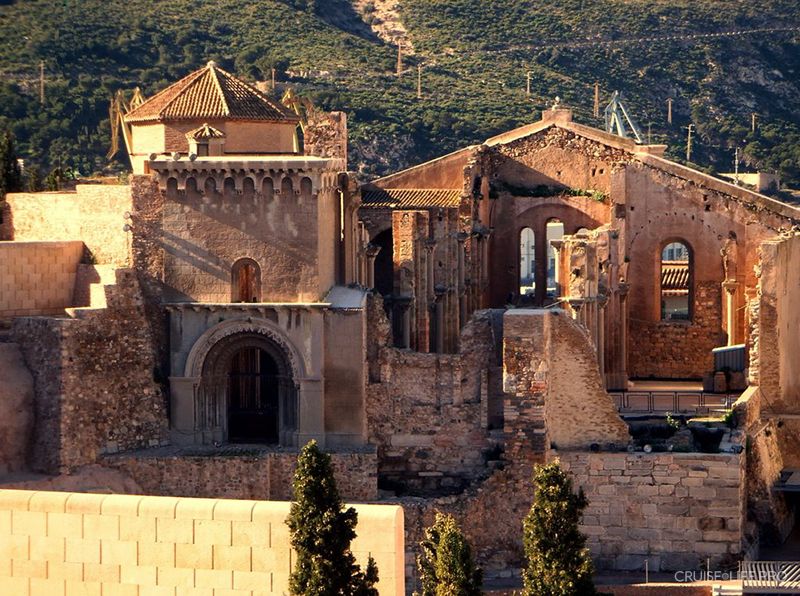
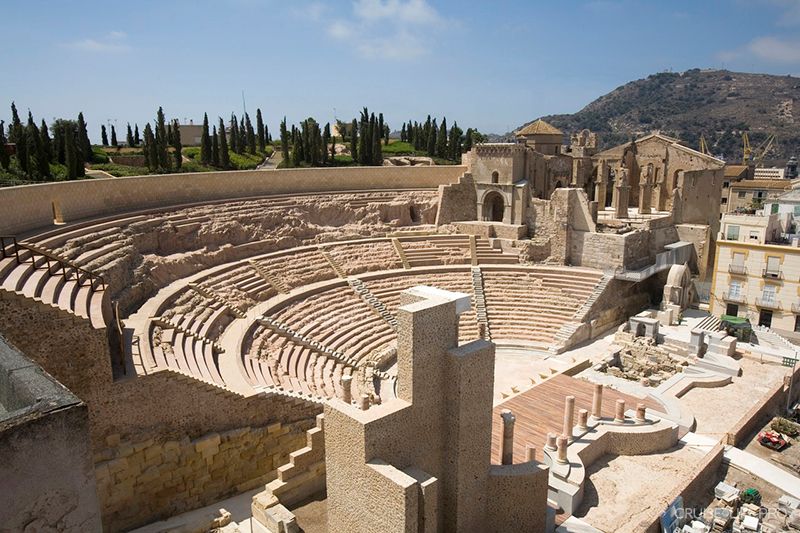
According to legend, the Cartagena Cathedral is the first Christian church in Spain. And its founder is the apostle James, although historians are not particularly inclined to trust this version. In the early 20th century, after the building collapsed, architect Víctor Beltrí effectively rebuilt the cathedral in a Neo-Romanesque style. It was subsequently looted, turned into a prison, and suffered severe damage during the 1936 Civil War. On the other hand, a Roman mosaic from the 1st century AD was discovered in the crypt beneath the cathedral. Today, the cathedral is a set of well-preserved ruins located near the Roman Amphitheater. All significant finds of cultural and historical value have been transferred to the Cartagena Archaeological Museum.
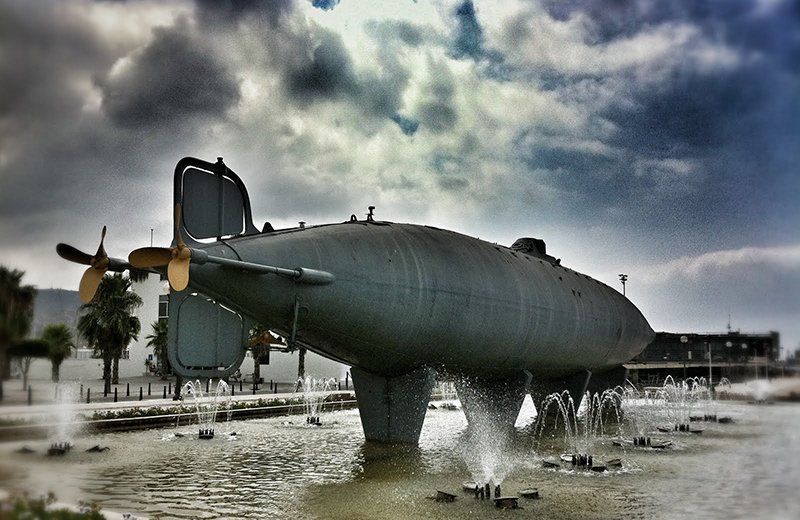
Peral Submarine
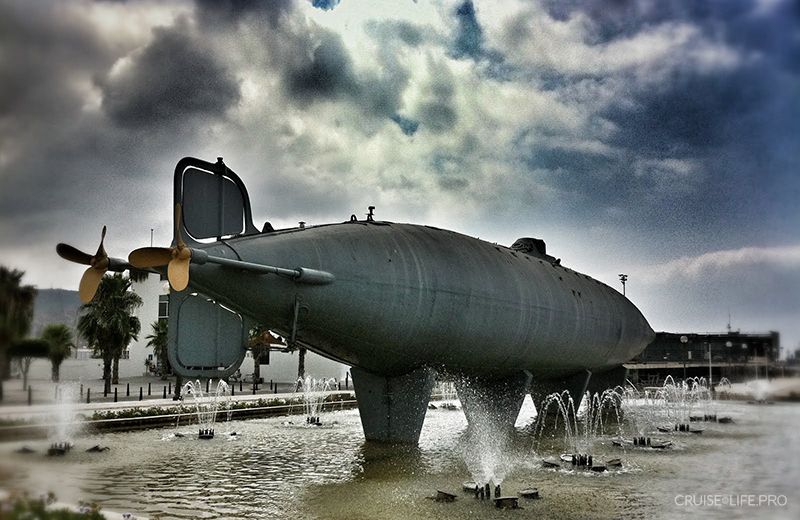
Three in one: a monument, a fountain, and a submarine. Built in the 19th century to the design of Isaac Peral, the sub withstood tests, but was deemed not advanced enough. After standing idle for about 40 years, it found a new purpose in life, becoming a monument-fountain on the Cartagena waterfront.
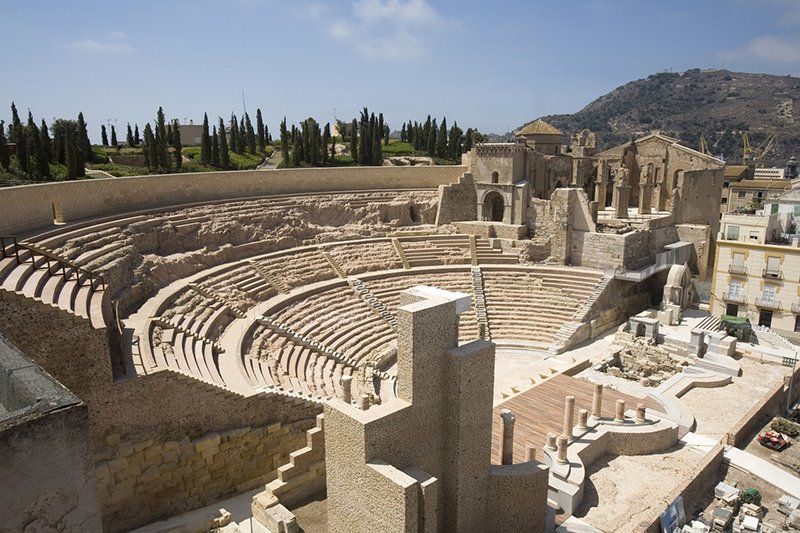
Roman Amphitheatre
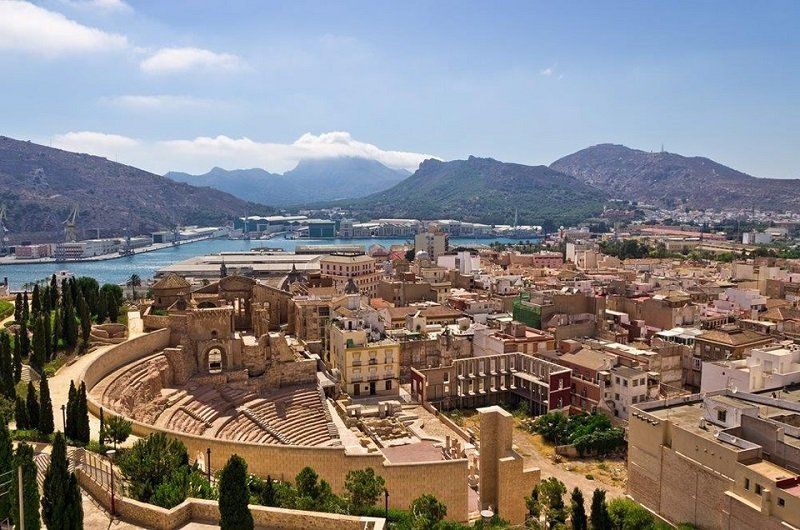
For a long time, no one knew about the existence of the amphitheater in Cartagena (for many years, a Byzantine commercial district and the Cathedral were located on its ruins). The theater ruins were excavated only at the end of the 20th century. The structure is enormous-one of the largest theaters of the Roman Empire period found within the territory of modern Spain. Nearby is the Museum of the Roman Theatre of Cartagena. The amphitheater was built by the Flavians in the 1st century AD. The arena stands could accommodate 6,000 people. The authorities’ plans are to preserve the amphitheater, as well as the nearby ruined bullring, and to open a Museum of Contemporary Art in this excavation area.