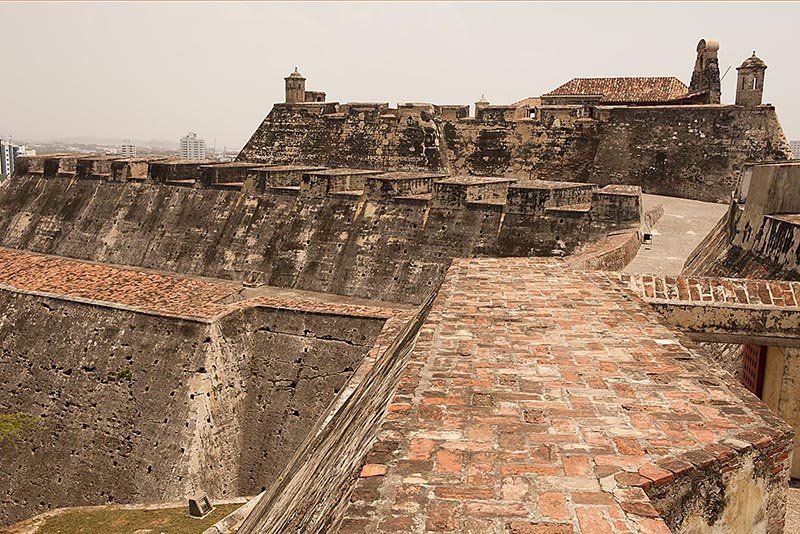
San Felipe Fortress
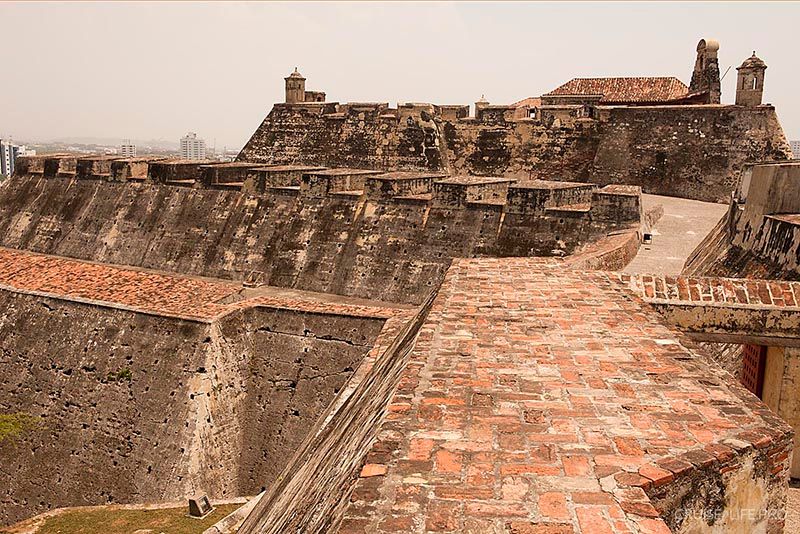
In Cartagena there was an enormous amount of wealth belonging to the Spanish king Ferdinand. Moreover, it was one of the main ports of the Crown. In the 15th century, the city suffered from numerous pirate attacks. Therefore, it was decided to build the Fort of San Felipe, for the construction of which it took about 200 years and 245 million gold. By the 17th century, San Felipe had become the largest fortress in Spain’s colonies. It resembled a labyrinth, from which only the fortress’s residents could find their way out. San Felipe stood on a hillside, and getting up to it was practically impossible. In 1741, the fortress withstood a two-month siege by English troops, who still were unable to capture it.
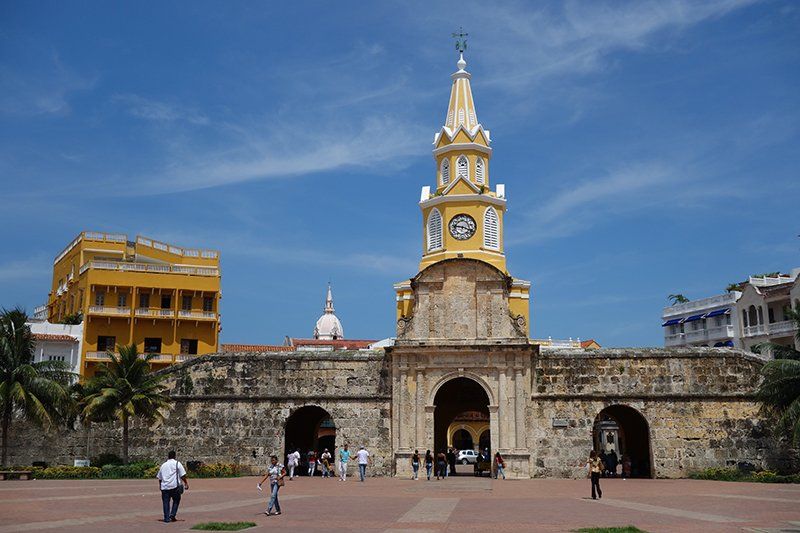
Clock tower
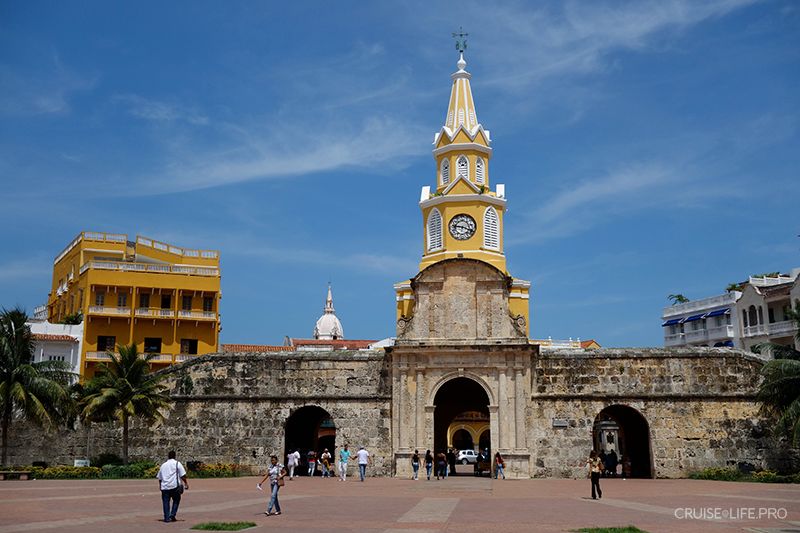
The Clock Tower is one of the main symbols of the colonial city of Cartagena. The tower is a surprisingly beautiful and well-preserved fortified structure dating back to the 16th-19th centuries, built in the traditional colonial Spanish style. It is located in the Old Town. Several centuries ago the tower was part of an entire system of city fortifications, namely its main gate. By the way, even today the gates in the tower are the main entrance to the historic part of the city. Incidentally, on both sides of the tower there is an ancient low stone wall as well, which is also excellently preserved.
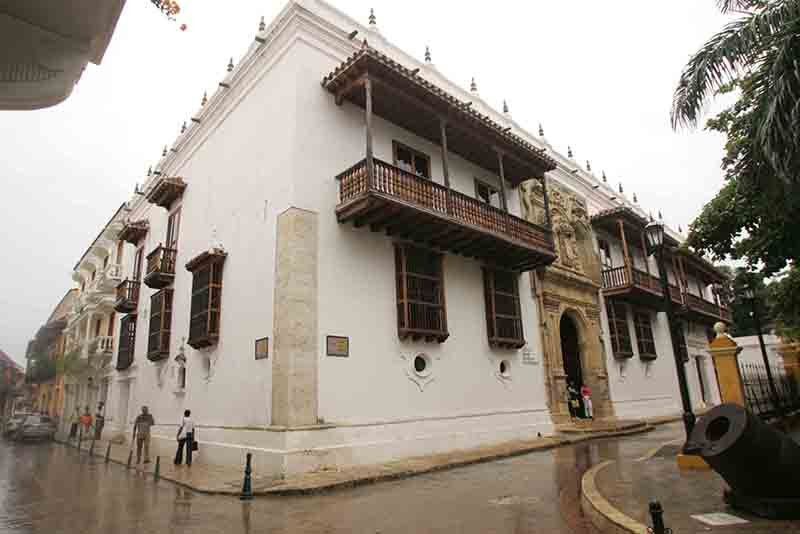
Palace of the Inquisition
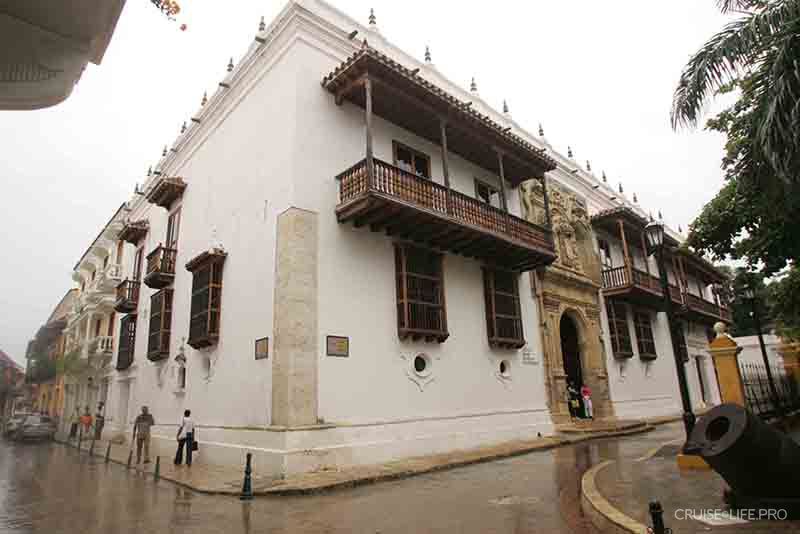
Thrill-seekers are in for the Palace of the Inquisition, home to the Torture Museum. The palace was built in the Baroque style and is under UNESCO protection. It is one of the most beautiful historic buildings in the city. It once served as the headquarters of the Holy Inquisition Tribunal. Inside, there used to be a prison and torture dungeons from which no one ever emerged. The Inquisition in Cartagena operated until 1821, when it was finally abolished. The horrifying instruments of torture, the scales for weighing sins, and the instructions for interrogators on how to identify a witch using tricky questions-all of these items are genuine!