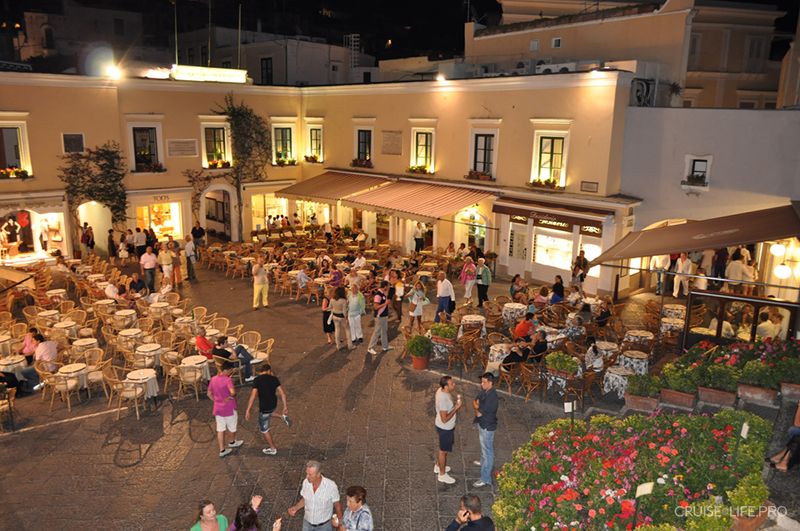
Umberto I Square (Piazzetta)
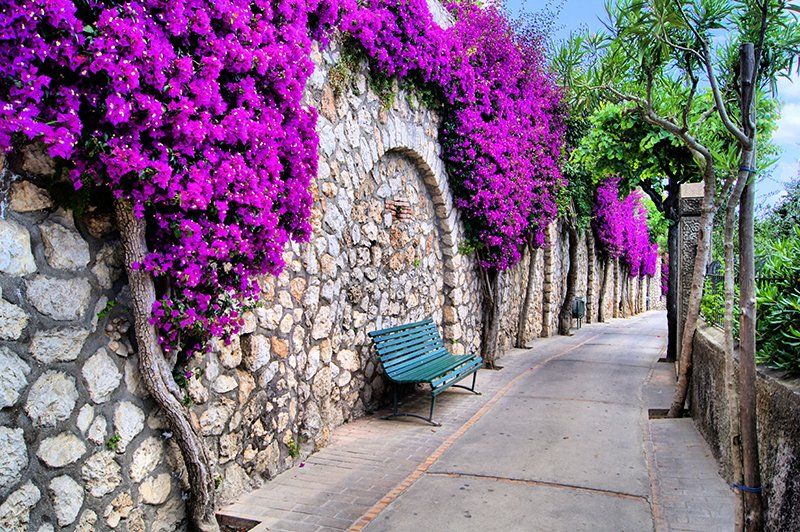
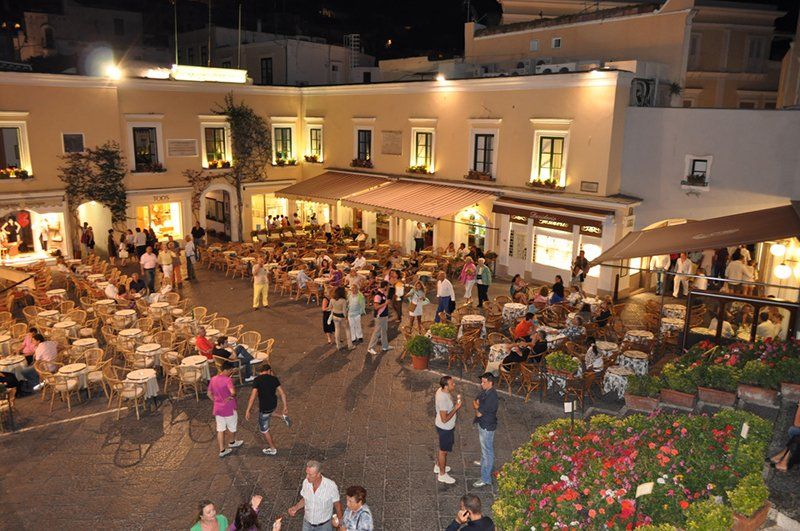
Hard to believe, but this tiny square-more than a piazza, a piazzetta-is considered one of the most elegant places in the world, where the stars show off their tans and outfits, while everyone else competes for the best spots in cafés and restaurants. There’s plenty to fight for: from the terraces you get breathtaking views of the Bay of Naples and of the little town of Capri itself. It’s easy to slip into a trance from such beauty, from which you’ll be brought out only by the steady chimes of the famous 17th-century tower-Torre del Orologio.
Villa Malaparte
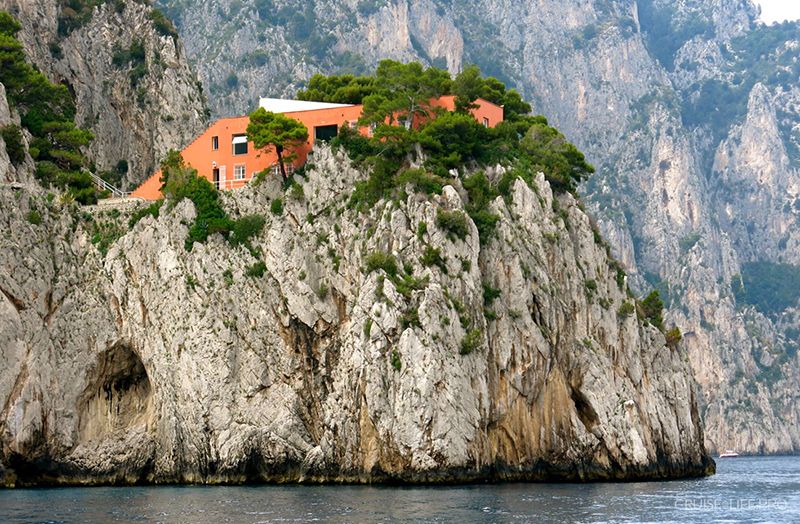
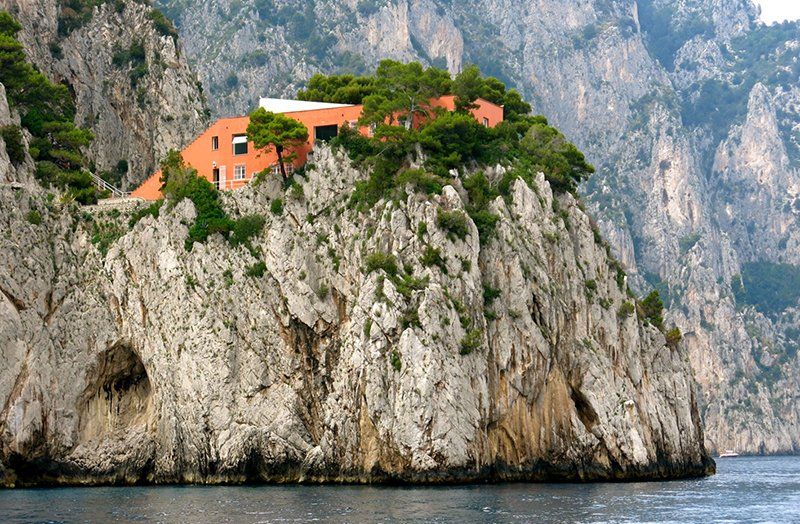
This villa, based on a design by the Roman architect Adalberto Libera, was built for journalist and writer Curzio Malaparte in 1938-1949. Over the years, it has hosted Alberto Moravia, Albert Camus, and many other prominent writers. A narrow building with red walls and a flat roof, it is located in the eastern part of the island on the Punta Massullo cliff, 32 meters above sea level. It looks truly striking against the backdrop of the local lush vegetation. In 1963, the villa was the filming location for Jean-Luc Godard’s film “Contempt,” starring Brigitte Bardot. Today, much of the villa’s original interiors and furnishings have been preserved; exhibitions and various social events are held here often.
Jupiter Villa
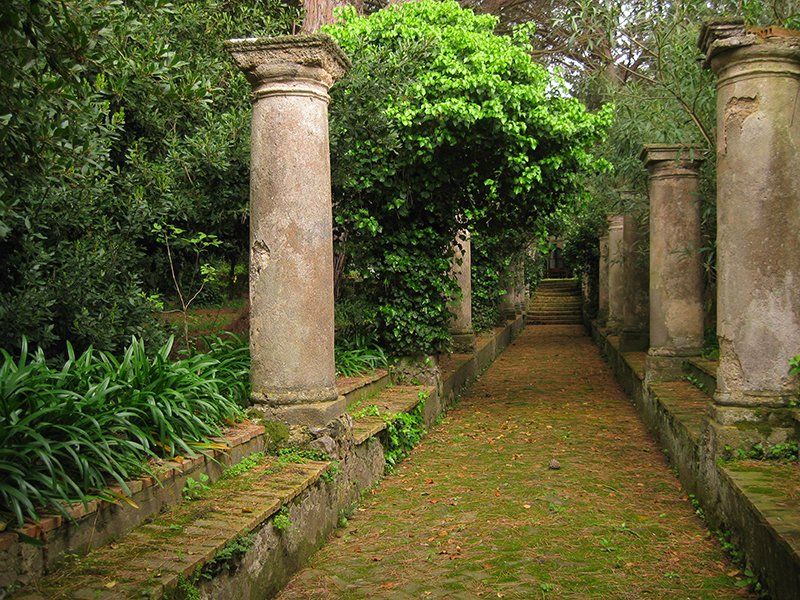
Many things on Capri are connected with the name of the Roman emperor Tiberius. For example, in the eastern part of the island, at the top of Monte Tiberio mountain, picturesque ruins of the Villa of Jupiter can be seen by travelers, where the emperor spent his final years. Archaeologists believe the villa covered an area of more than 7,000 square meters and consisted of endless labyrinths and corridors, numerous passageways, and rooms. The villa is located at the island’s highest point, and the best view of the sea and the rocks opens from the “Salto di Tiberio” viewpoint, which translates to “Tiberius’ Leap.” You can reach the Villa of Jupiter on foot from the town of Capri in about an hour. The trail is quite steep, so it’s best to make the climb in comfortable shoes.
San Michele Villa
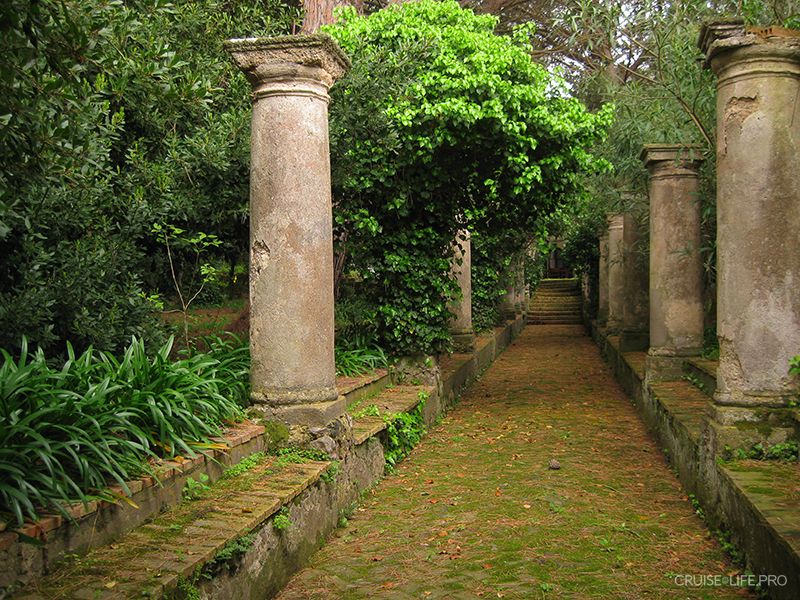
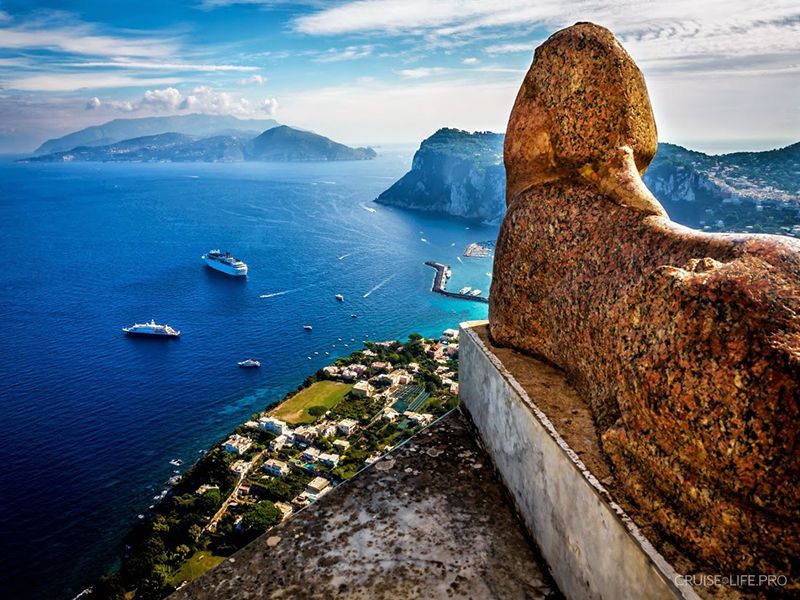
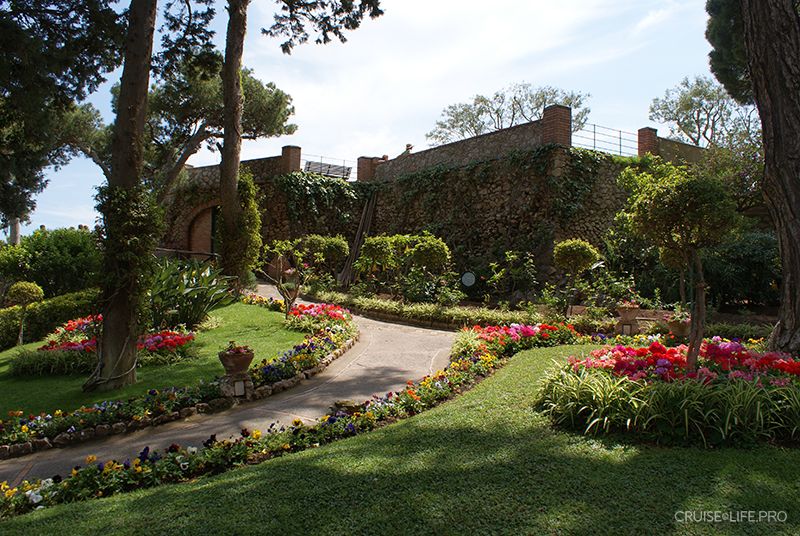
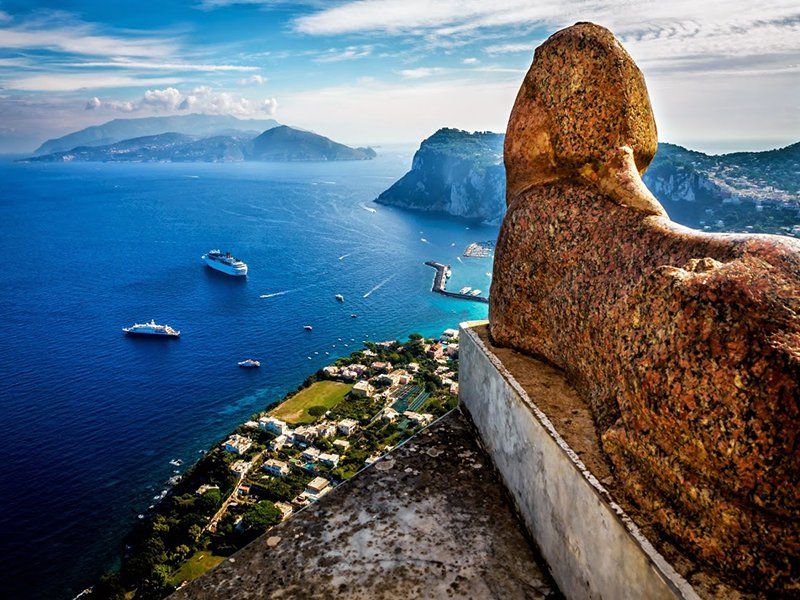
When the famous Swedish writer, doctor, and scientist Axel Munté decided to build a villa on Capri, he gave the designers this instruction: “My home must be open to the sun, and the wind, and the voices of the sea, like a Greek temple, and light, light, light everywhere!” The villa appeared here in the late 19th century on the site of a former ancient Roman structure, and Munté placed his entire extensive collection of artifacts there. Today, it is home to a truly impressive museum with a majestic Egyptian sphinx made of pink marble, blooming gardens with the ruins of an ancient Roman villa, and a small medieval chapel personally restored by Axel Munté, as well as an excellent viewpoint from which the entire Bay of Naples can be seen.
Phoenician Stairway
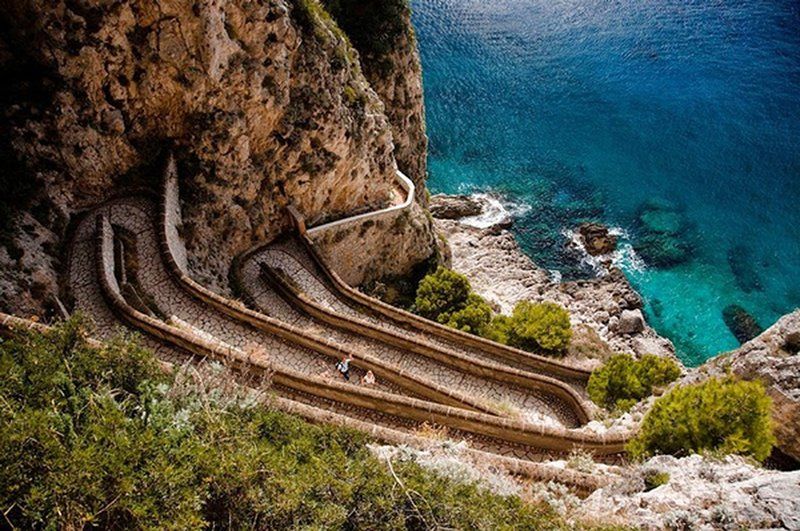
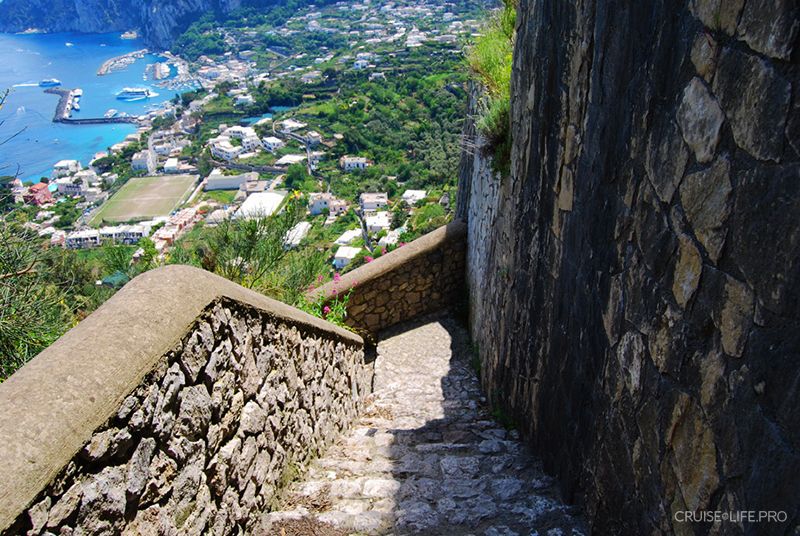
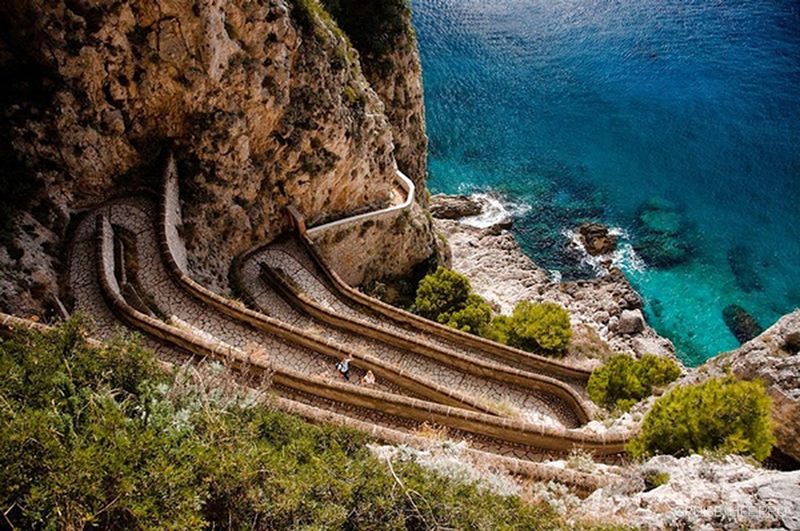
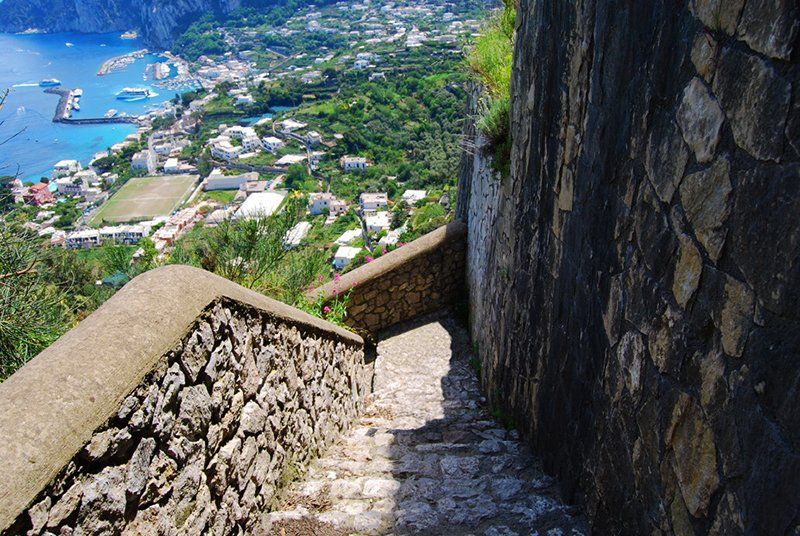
Two main (and only) cities on the island of Capri are separated by a mountain. A road runs along the mountain for nearly two kilometers and consists of 900 stone steps. It is called La Scala Fenicia - “the Fenician Stairway.” According to legend, the road was built in ancient times, even before our era, by the Phoenicians. It is believed that they were the first to settle on Capri. However, modern scholars tend to think that the road was built by the Greeks in the 7th-6th centuries BC. The Fenician Stairway was restored in 1998, and now it can be used for walks from Capri to Anacapri and back instead of the modern asphalt road. In Capri, the Fenician Stairway begins on Marina Grande Street.