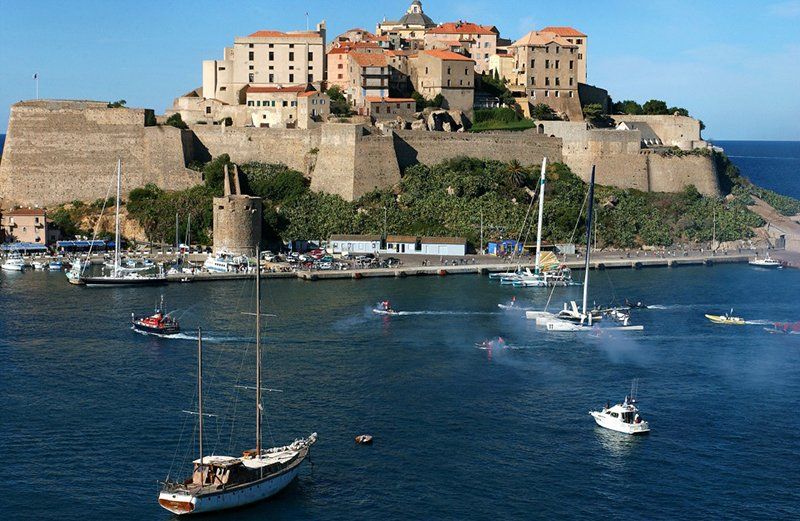
Citadel
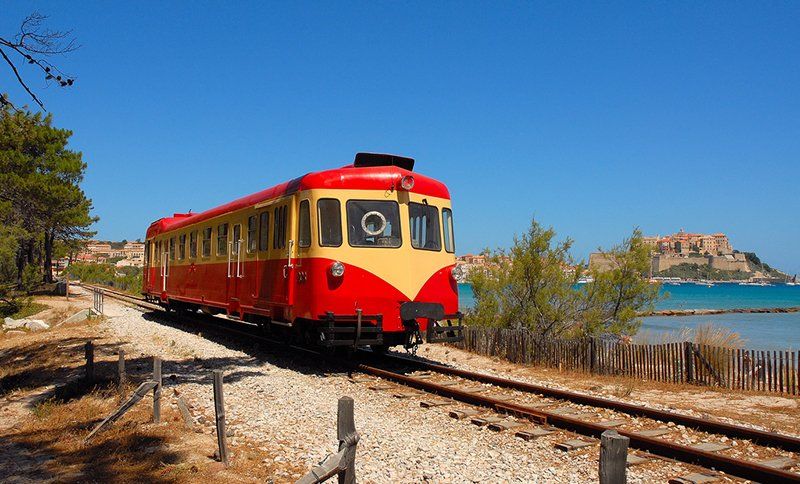
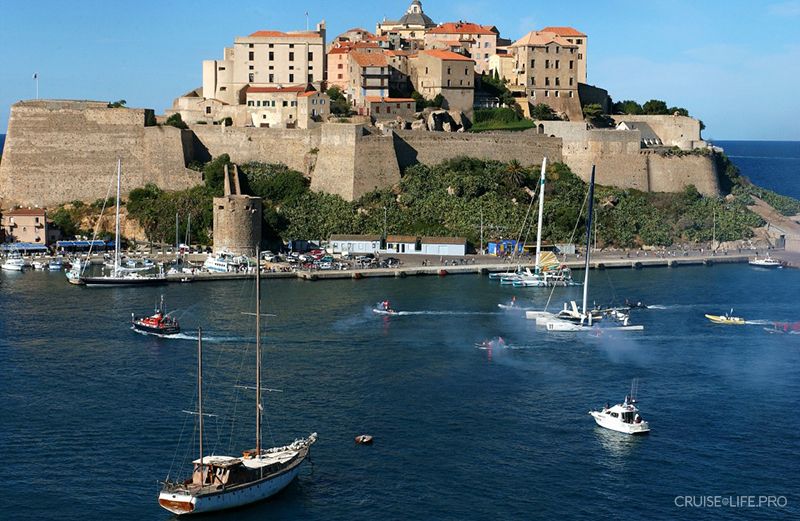
When attempting to besiege this citadel in 1794, Admiral Nelson lost his eye. Today, one of the regiments of the French Foreign Legion is based here. A fortress with five bastions, built in the 13th century, was the subject of a dispute between Genoa and Pisa. At its entrance, the marble bears the inscription “Civitas Calvi Semper Fidelis”. It means that Calvi is under Genoa’s rule. In reality, the citadel had also come under Turkish control, who captured it with the help of the French. At the fortress’s highest point stands the Cathedral of St. John the Baptist, built at the same time as the fortress. According to one of the legends, Christopher Columbus was born in this fortress, as evidenced by the commemorative plaque bearing his name and the mariner’s bust.
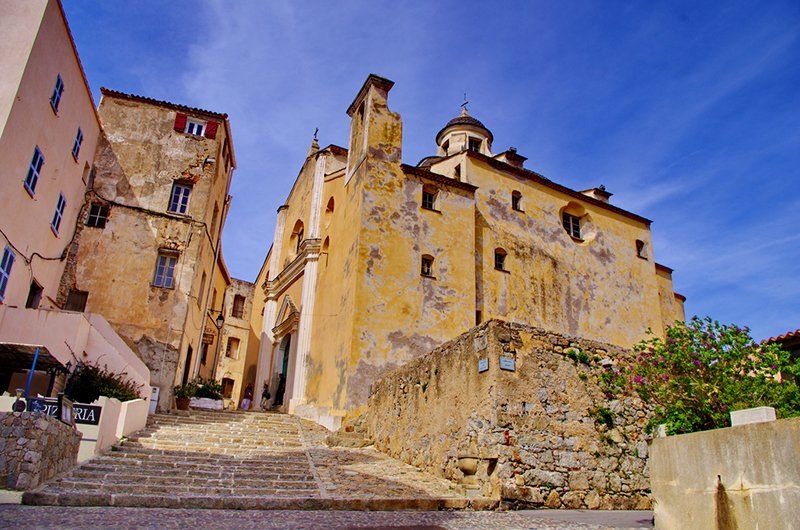
St. John the Baptist Cathedral
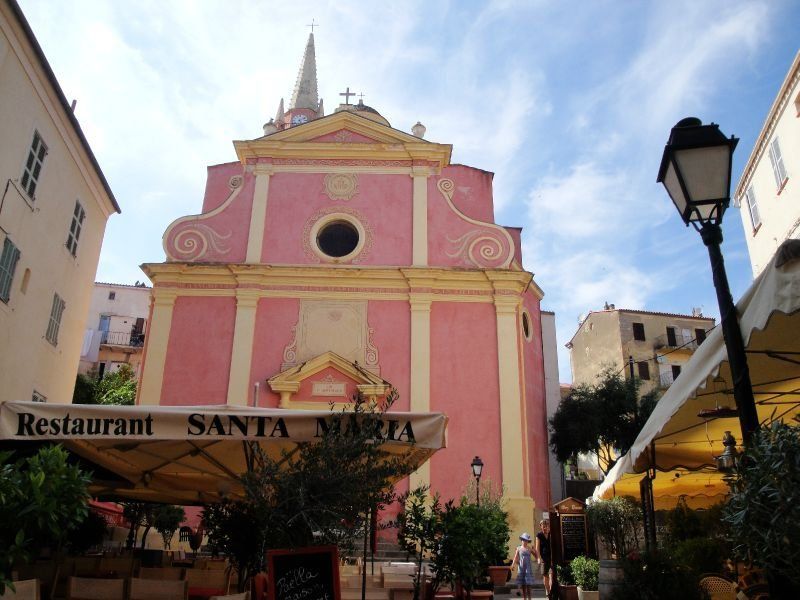
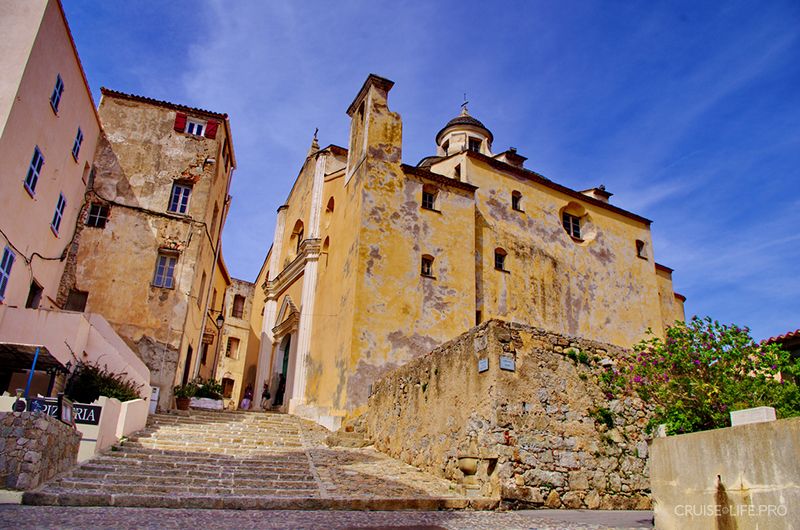
The current building of the Calvi Cathedral was built in the 16th century. It is located beyond the city walls and became the second church on this site. The first temple, built at the same time as the citadel, was damaged in an explosion at a gunpowder store in 1567 and later was rebuilt in the Baroque style and turned into a bishop’s residence. The church’s main shrine is a statue of Christ made of black wood. According to legend, when the Turks and the French approached the shores of Calvi in 1553, local residents held a procession around the fortress with this statue, and the invaders retreated. The other two important shrines of the cathedral are a 16th-century statue of the Virgin Mary and a 17th-century altar.
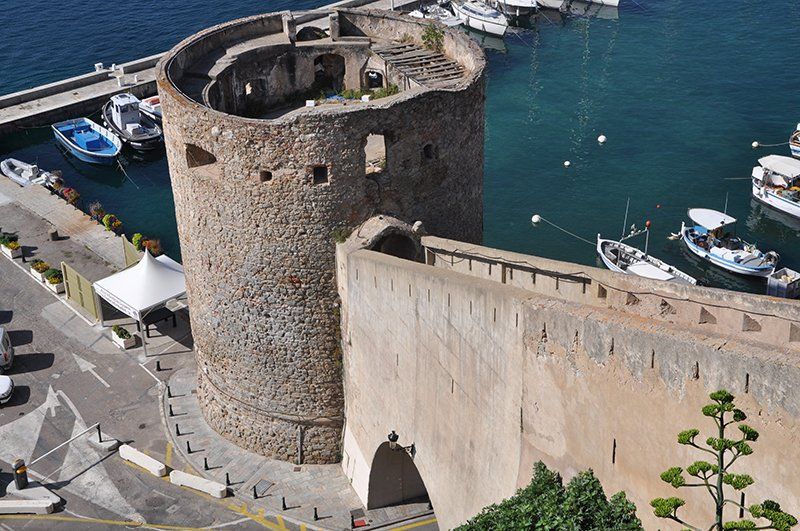
Salt Tower
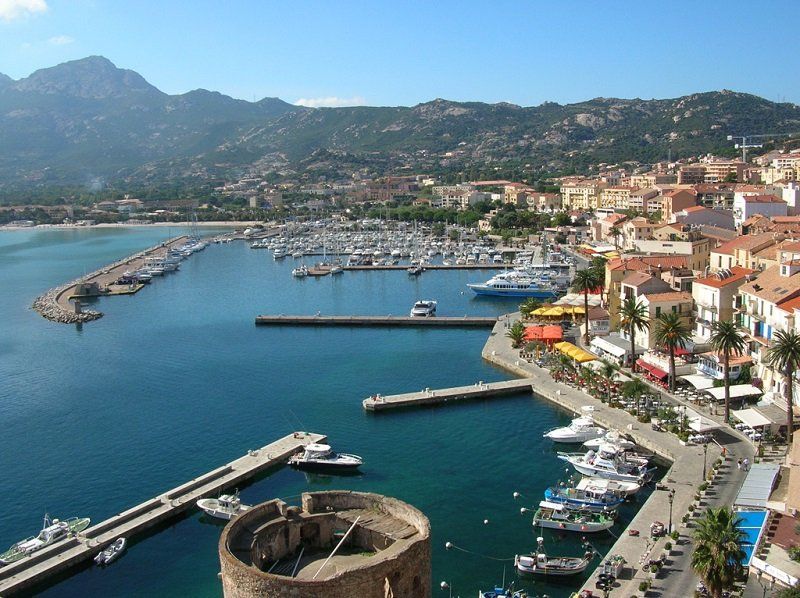
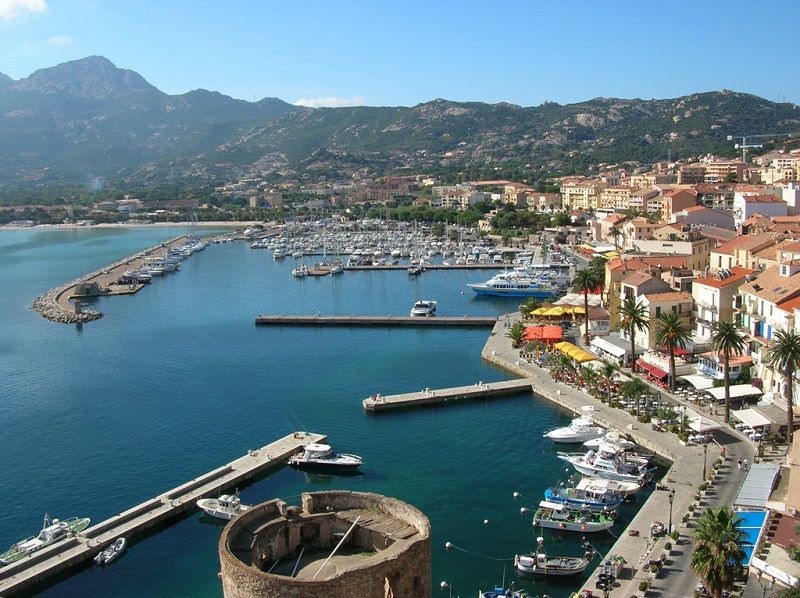
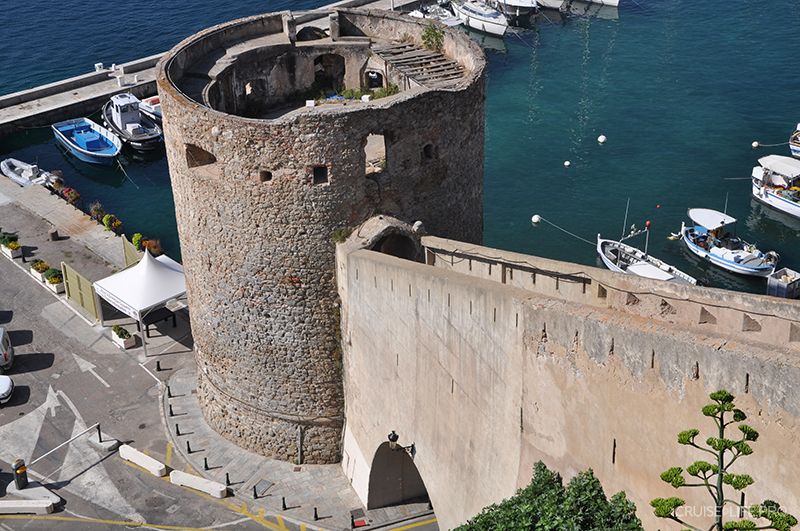
A massive medieval tower at the end of the Landri quay was built as a lookout point in order to warn of frequent attacks by Berber pirates. And during the growth of trade, it housed a salt store, which is what explains its name. In addition to salt, because of the low temperature it “kept,” the tower was also used for storing meat and other perishable goods.