

Port of call
Caldera, Costa Rica
Description — Caldera, Costa Rica
Puerto Caldera is a small port on the Pacific coast of Costa Rica. Cruise liners arriving in the Puntarenas region berth at two cruise piers-directly in Puntarenas itself or at a pier located about 20 minutes’ drive from the city of Puerto Caldera. There are no major attractions in the port itself, though tourists can enjoy souvenir and jewelry shops, bars, and restaurants. Nevertheless, the port is the starting point for exciting excursions.
It is located not far from such tourist towns as San José and Jacó, and there is plenty to do even in Puntarenas. In the Gulf of Nicoya, on the shoreline where the small town lies, there is the famous Tortuga Island, a bounty island, a resort of stunning beauty.
Costa Rica is a country in Central America. It borders two countries: Nicaragua to the north and the Republic of Panama to the southeast. The Pacific Ocean washes the shores to the south and west, and the Caribbean Sea to the east. It is a very small country, but in terms of living standards among Central American states it ranks 2nd, behind only Panama, and it is also the happiest country in the world according to the international Happiness Index for 2012. In addition, Costa Rica is the only neutral state in all of the Americas-back in 1948 it completely renounced the use of the army. Since then, the only law-enforcement force in the country has been the police. The capital of the country is the city of San José.
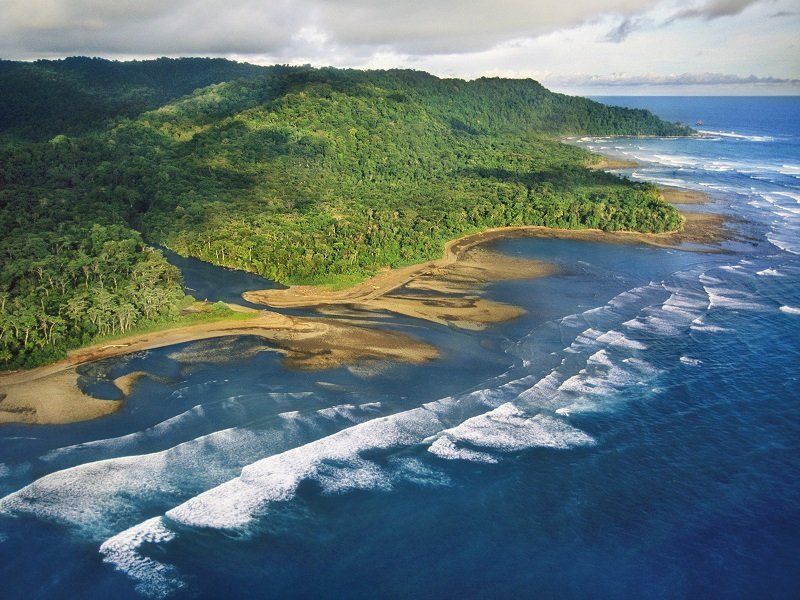
Costa Rica is a reserve country (there are 74 protected reserves in total), where the abundance of wild flora and fauna is surrounded by mountains and the ocean. The country’s main attractions include national parks, mountain and underwater caves, as well as waterfalls, scenic mountain and river valleys, and volcanoes. Protected natural areas take up about 27% of the country’s territory. The country accounts for only 0.3% of the area of the entire Earth’s land surface, yet here live and grow almost 5% of the total number of animal and plant species on Earth. No wonder the name Costa Rica comes from the English “rich coast”-“rich coast”.
ClimateCosta Rica belongs to the subequatorial climate zone. On the Pacific coast, dry and wet periods are clearly pronounced.
The rainy season lasts from April-May to November-December, when about 90% of all precipitation falls. In total, 1000 to 1600 mm of precipitation fall per year. On the north coast, during the dry season there may be no rain for several months, while in the south the dry season is shorter. From June to September thunderstorms are possible. Relative humidity here is lower than on the Caribbean coast and ranges from 70% in the dry season to 80–85% in the rainy season.
The annual temperature pattern is also fairly steady. The average daytime temperature is +30°C, and at night it is +23... +25°C.
-
-
-
-
-
-
-
-
-
-
-
-
-
Location on the map
Sights
What to see
Beaches of the Pacific Coast
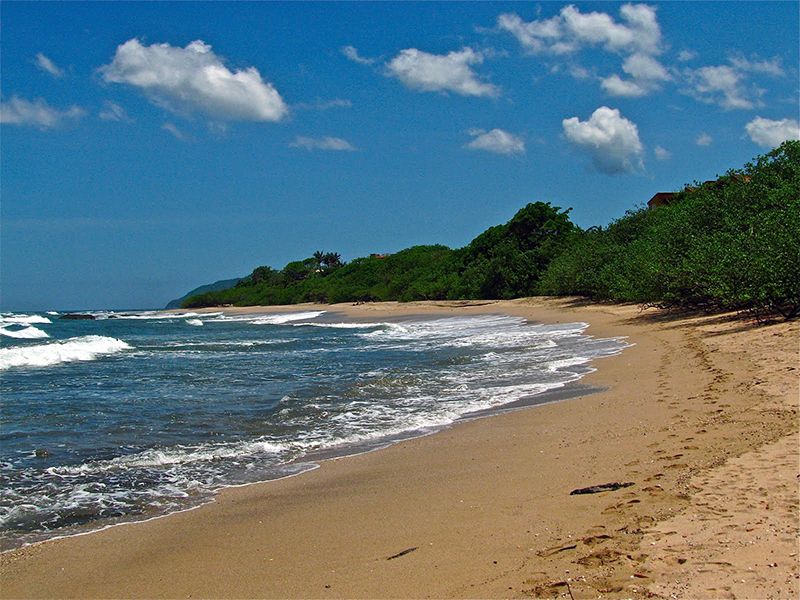
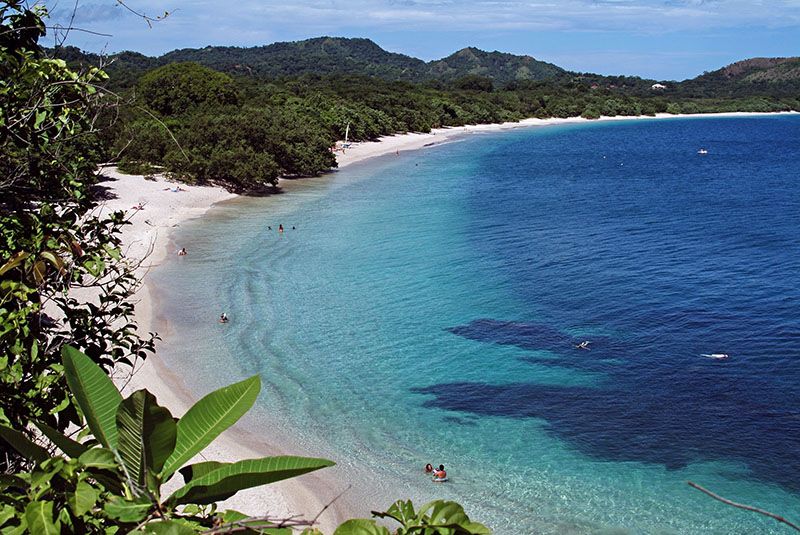
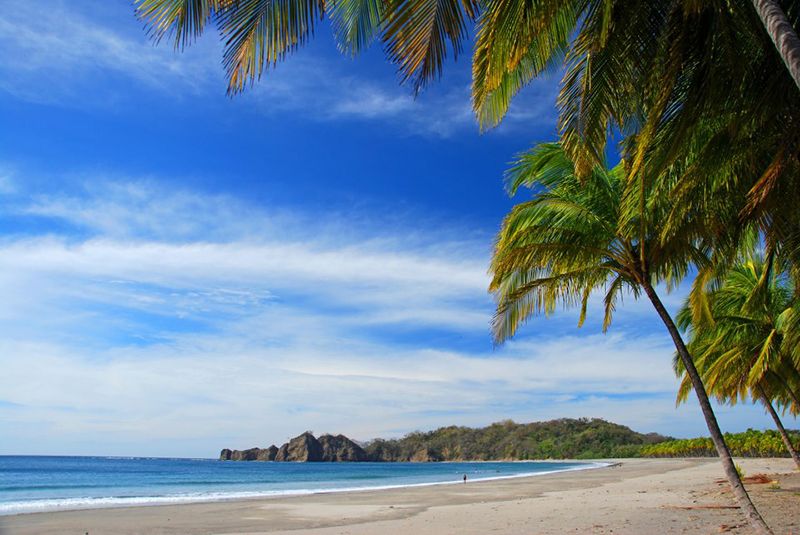
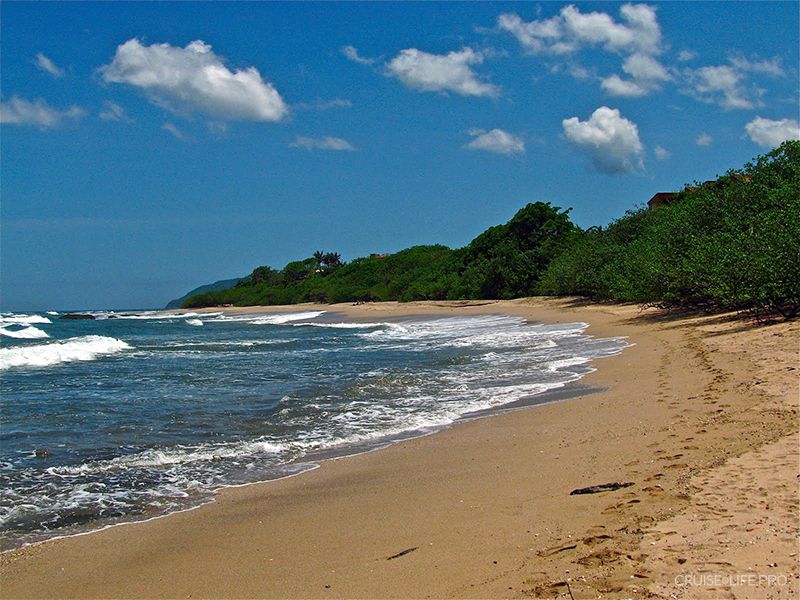
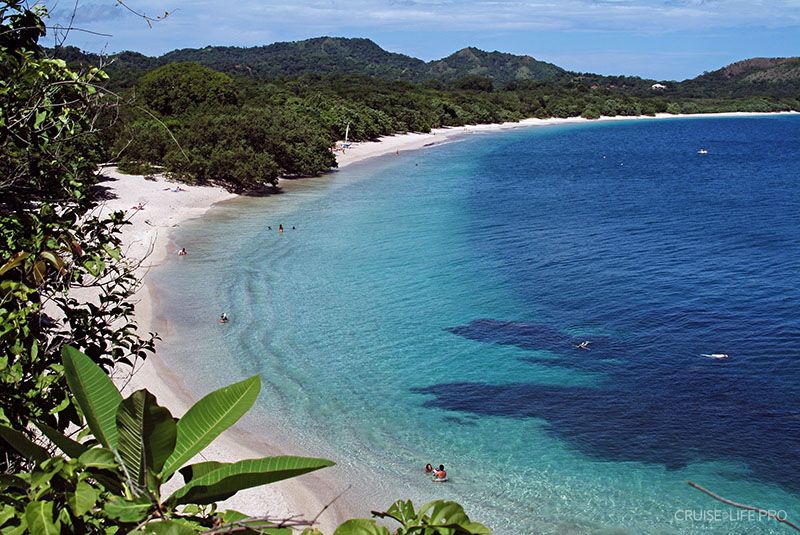
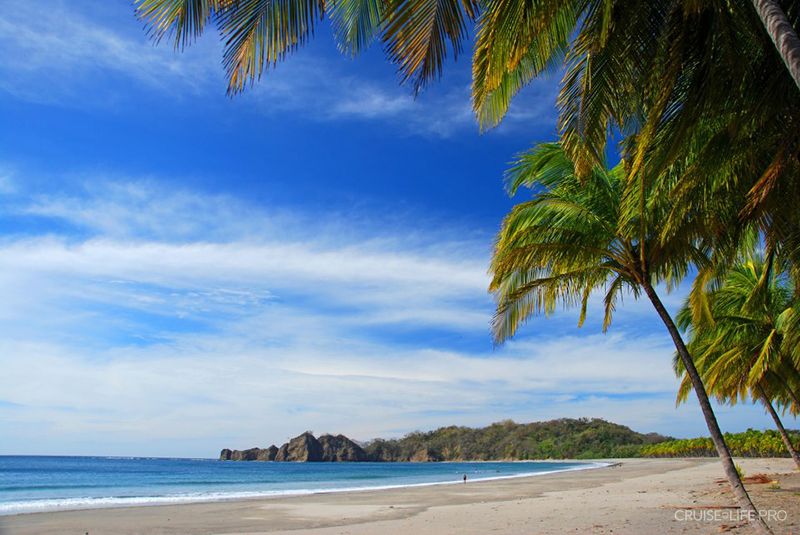
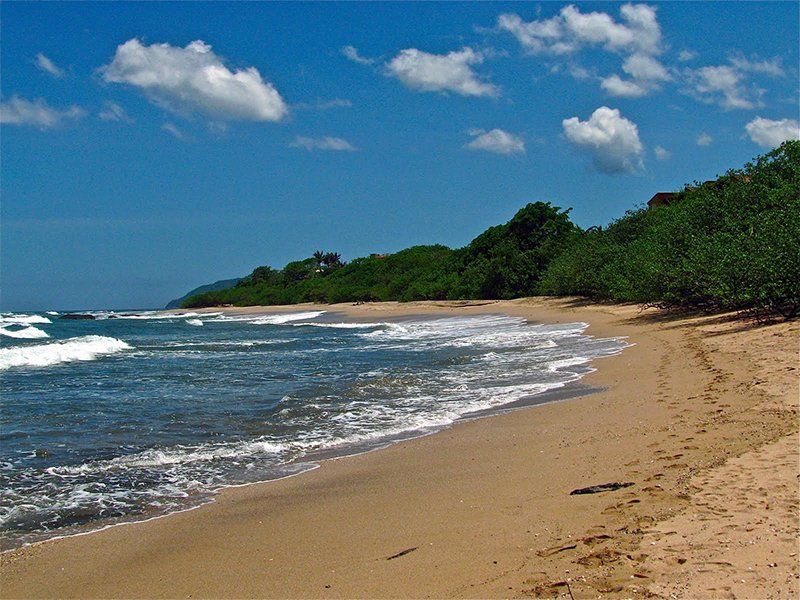
The lion’s share of beach tourism is concentrated along the Pacific coast: in the central region near San José, on the Nicoya Peninsula, and near the dry tropical forests of Guanacaste. Less frequented by tourists, but no less beautiful, are the beaches around the wet tropical forests of the southern Pacific coast, near Corcovado National Park. Tamarindo Beach, located on the western coast of the Nicoya Peninsula, offers its guests the chance to relax on unspoiled beaches amid a wide variety of wildlife. Jaco is the most popular beach in Costa Rica. It’s a surfers’ paradise and the best place for active recreation-horse riding, hiking, kayaking trips, and sport fishing. Playa Grande is a cozy, quiet beach with white sand-the largest nesting site for leatherback turtles on the Pacific coast.
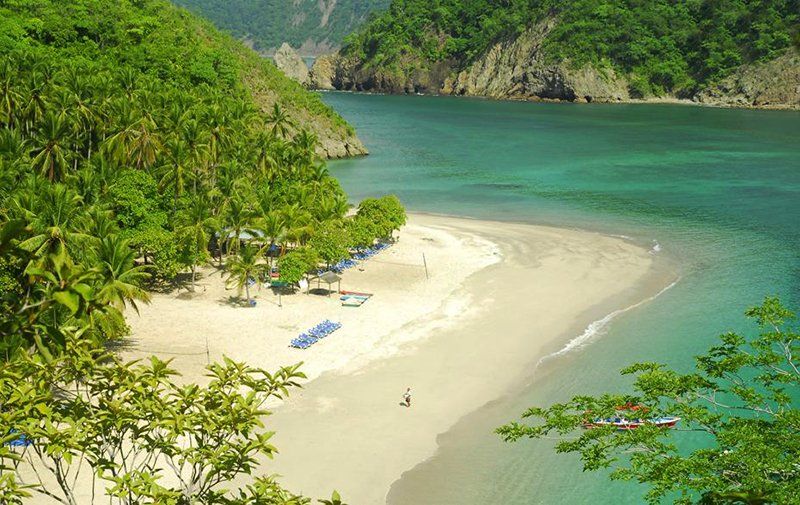
Tortuga Island
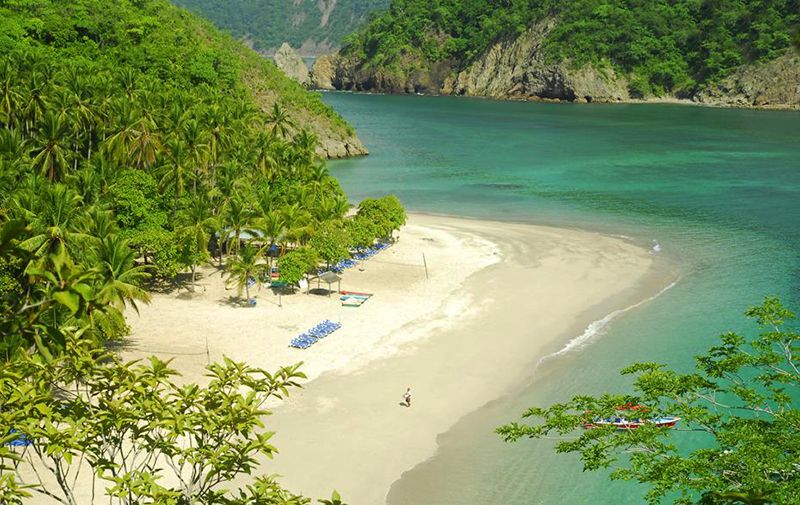
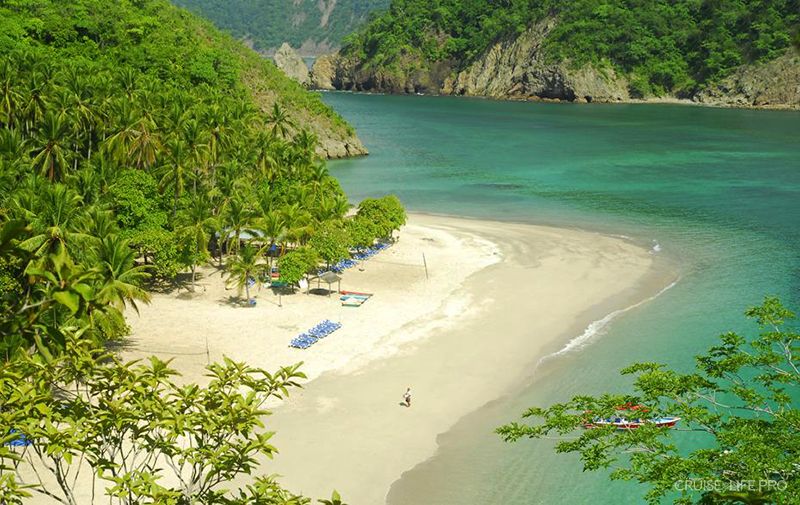
Tortuga Island is a beautiful tropical island and a popular destination for tourists, known for its untouched beaches and natural scenery. The island is located in the Pacific Ocean, not far from the Nicoya Peninsula. Tourists are drawn to the island’s stunning nature. Here, the cleanest sandy beaches with an abundance of coconut palms border the mountains. Visitors are offered a wide variety of ways to relax-hiking in the mountains, lounging or playing volleyball on the beach, and kayaking. Swimming underwater and diving are perhaps the most popular pastimes among visitors. Near the island, you can see a great variety of marine life, including rays, dolphins, and even sharks. Visiting shipwrecks will be just as exciting.
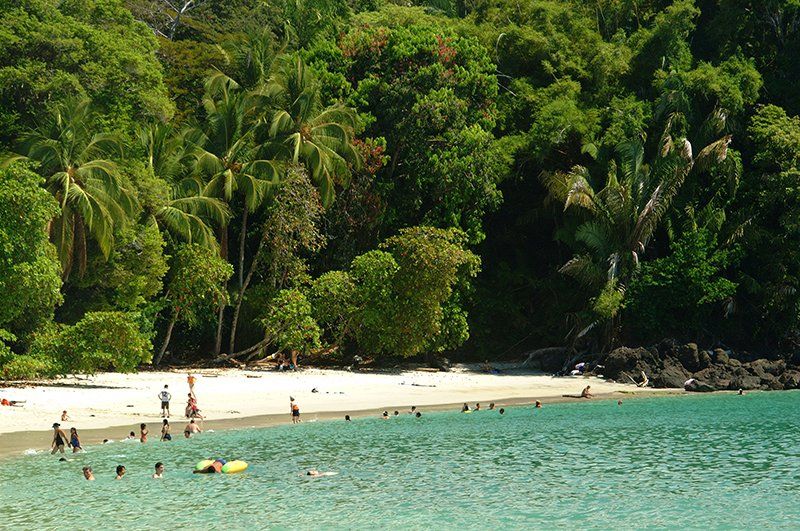
Manuel Antonio Beach
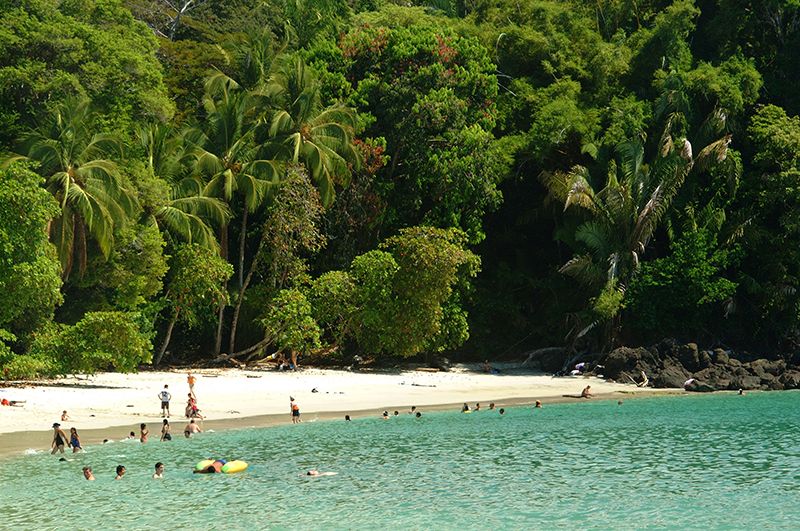
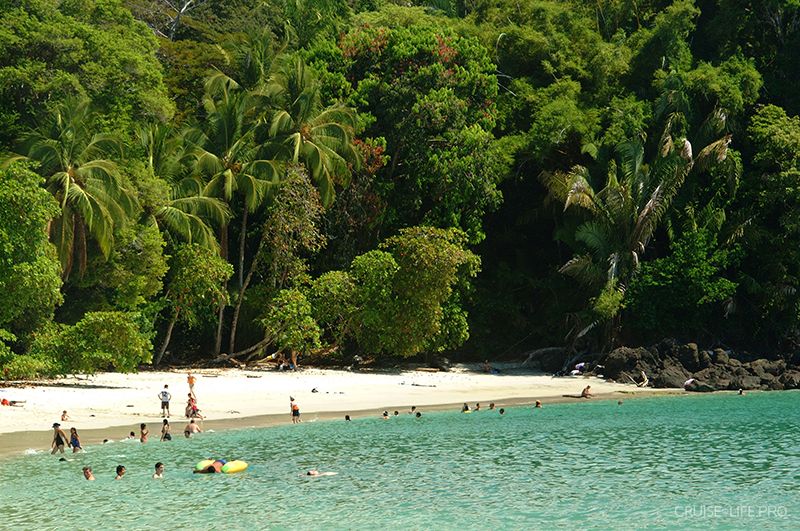
Manuel Antonio - a true natural paradise on the Pacific coast of the country. This charming combination of a rainforest of tropical rainfalls, coral reefs and an ocean beach. By general agreement, Manuel Antonio is one of the most beautiful spots in the country. And although the Manuel Antonio National Park located here is, by area, the smallest of all Costa Rica’s national parks, it remains one of the richest in terms of biodiversity. In 2011, the park was included in the list of 12 most beautiful national parks compiled by Forbes magazine. Here live 109 species of mammals, including monkeys, squirrels, iguanas and sloths; 184 species of birds and many reptiles, including millions of crabs inhabiting the coastline.
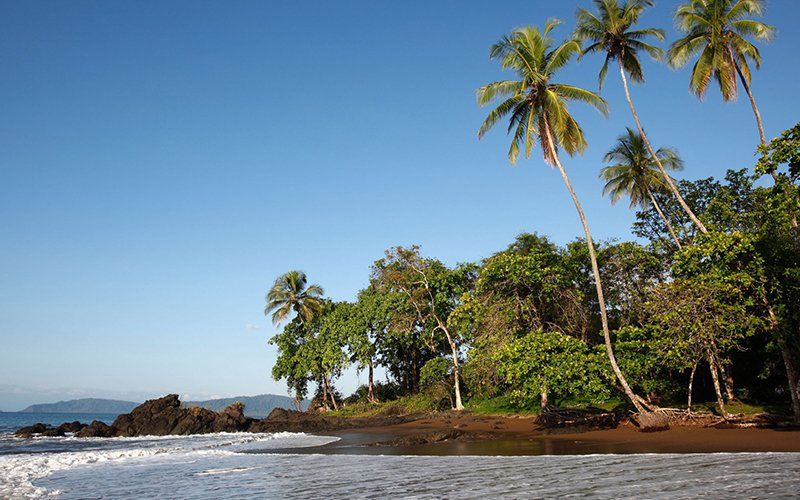
Drake Passage
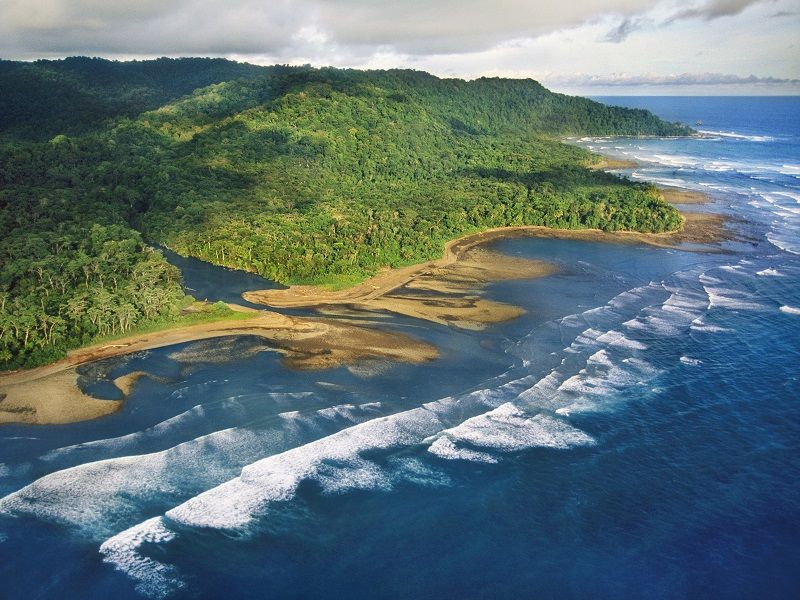
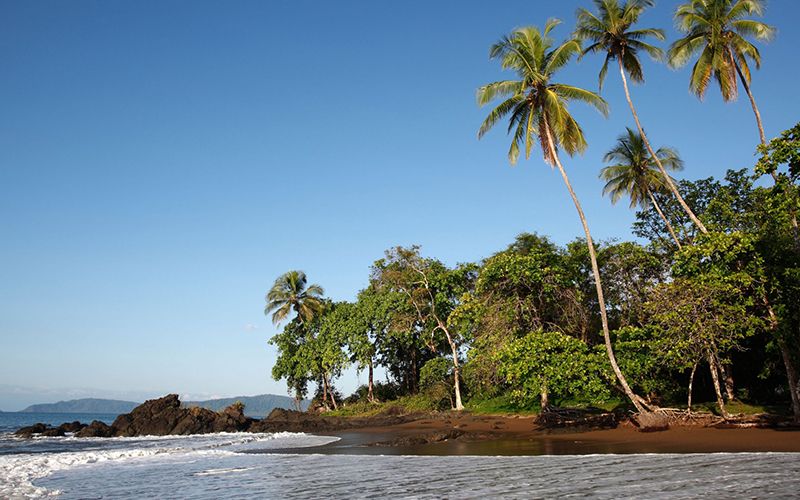
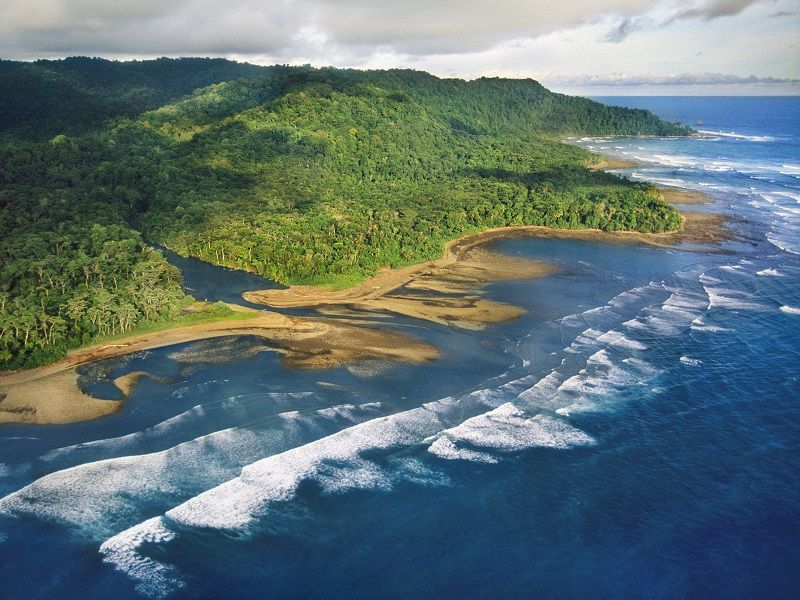
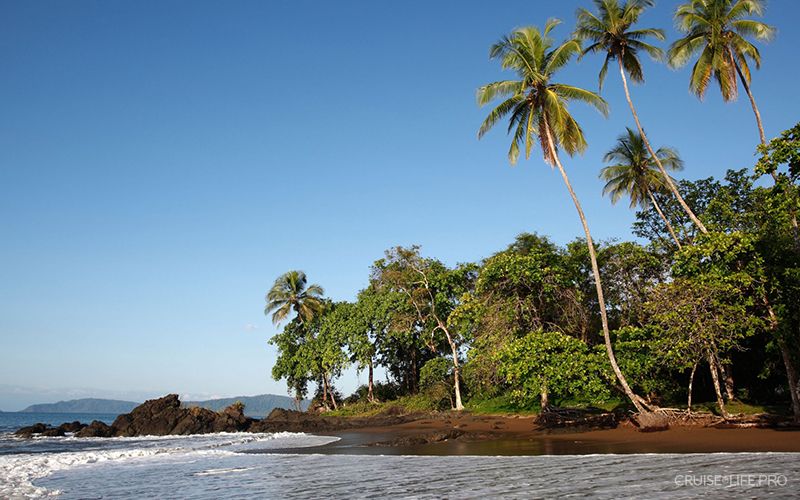
Drake Bay - a small quiet Pacific bay located on the Osa Peninsula in Costa Rica. The entire coastline around the bay is one huge sandy beach, surrounded by lush tropical rainforest. Warm weather prevails here all year round, turning Drake Bay into the perfect place for a peaceful family seaside vacation. The bay was first discovered in the 16th century by Sir Francis Drake during his circumnavigation voyage, and since then these lands have remained almost untouched, which undoubtedly adds to their exotic charm. In Drake Bay, tourists can enjoy spacious, comfortable beaches, lagoons with the cleanest water for swimming, as well as an entire network of beautiful underwater caves suitable for diving. This is where the famous Corcovado National Park begins.
Recommended excursions
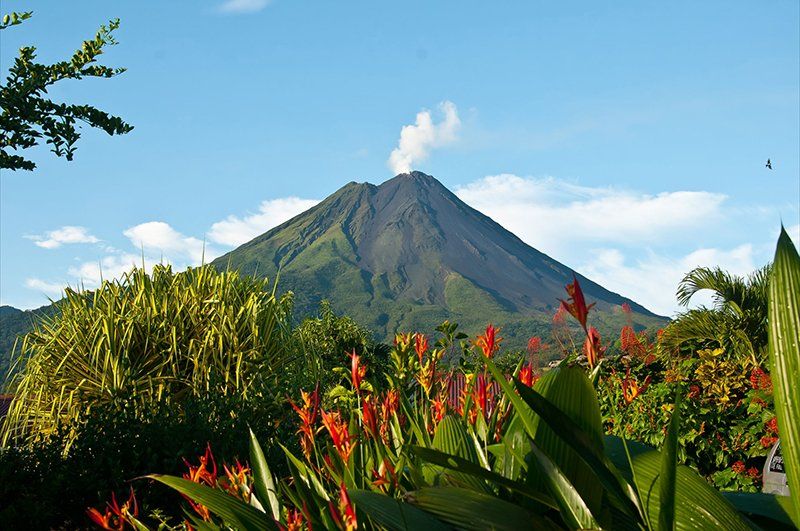
Arenal National Park
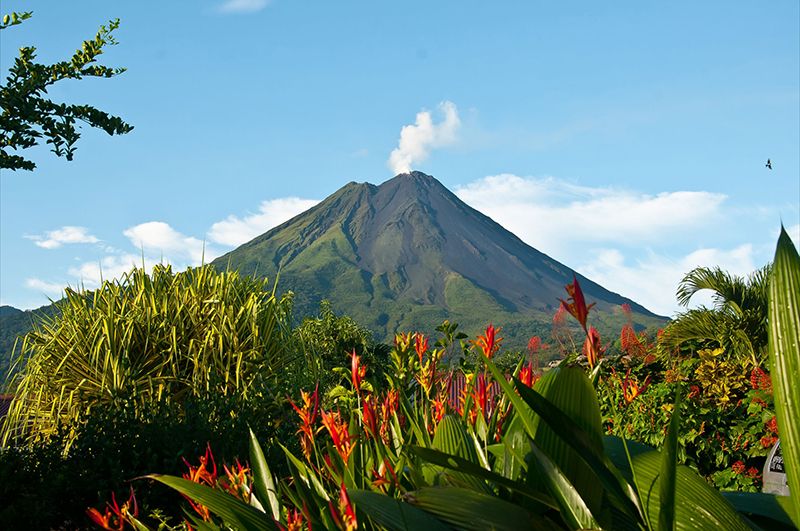
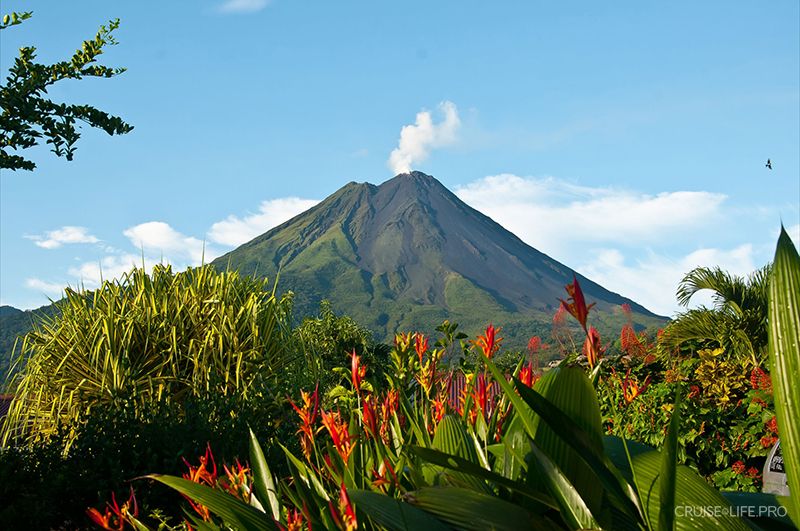
Famous natural attractions of Costa Rica include, above all, Arenal Volcano. Although the volcano itself entered an inactive phase in 2010, it still offers an impressive sight. Arenal Volcano is an ideal place for those who enjoy traveling amid pristine nature. The volcano’s cone, which features almost perfect symmetry, is on all sides surrounded by tropical rainforest forming part of Arenal National Park. Visitors to the National Park can look forward to a whole host of exciting activities: rafting down mountain rivers, zip-lining over a waterfall, and hiking. The area around the volcano is just as impressive: hot springs, forests and lakes, waterfalls and caves, as well as lovely small towns steeped in old-world charm, such as La Fortuna.
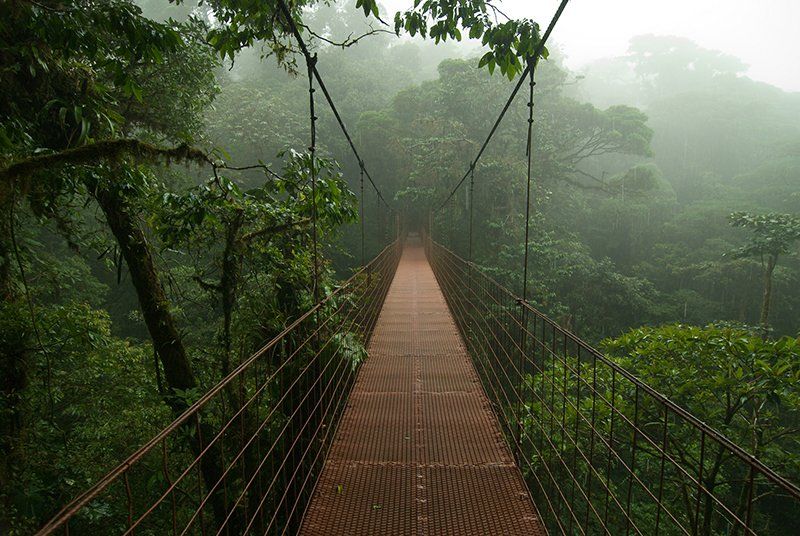
Montverde Nature Reserve
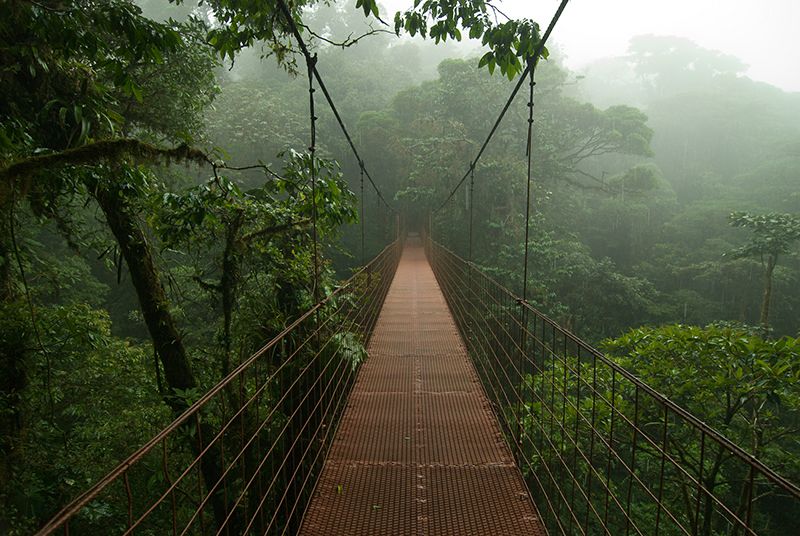
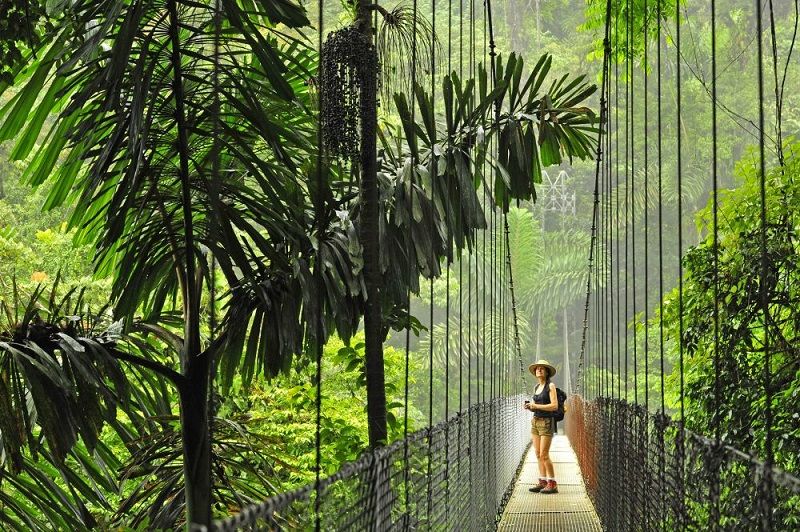
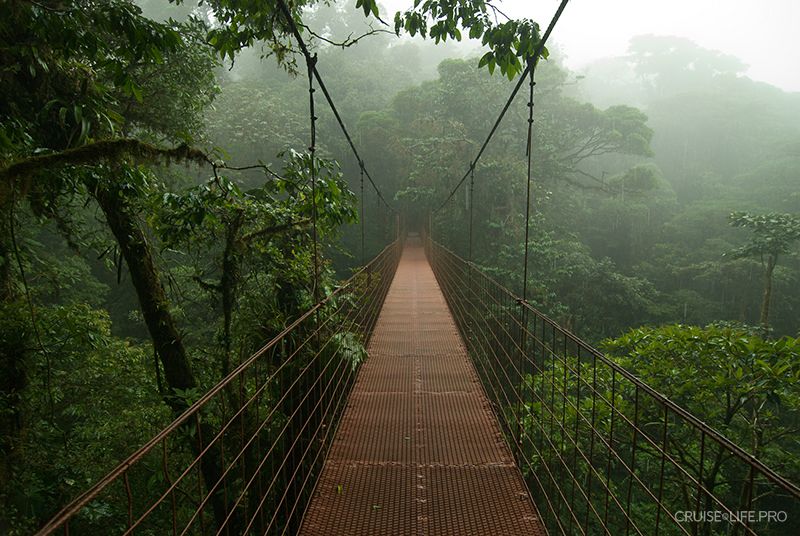
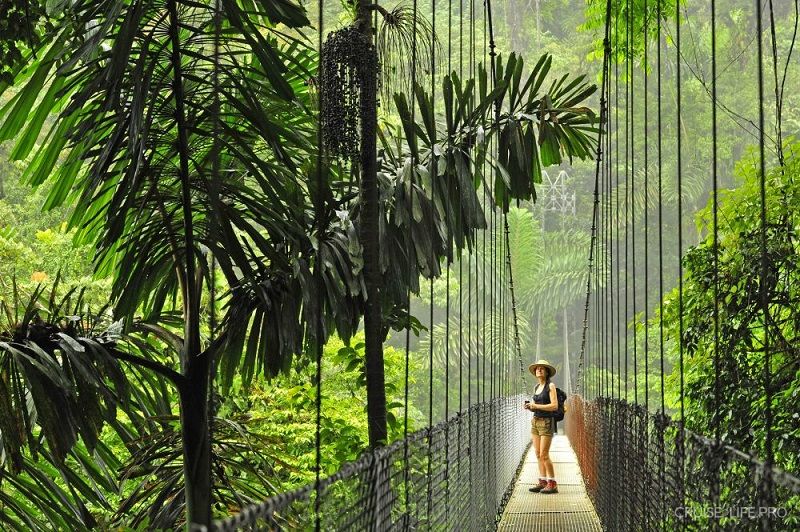
Monteverde Natural Park is a unique mountain reserve in the north of Costa Rica. The entire Monteverde area is home to the so-called “cloud forests”-high-altitude jungles that grow in the zone where fog condenses. The Monteverde Reserve is an extraordinarily beautiful and exotic place-a true paradise for all lovers of wild, untouched nature. Biodiversity in Monteverde is one of the most extensive on Earth. More than one hundred species of animals and about four hundred species of birds live here. Many species are listed in the Red Book and are found only here. The reserve is also famous for its orchids-there are more than five hundred species, and 34 of them are found nowhere else. Due to the uniqueness of the local ecosystem, visits to Monteverde are strictly limited-each day, only one hundred and fifty tourists are allowed into the reserve, and getting into that number is not easy. Monteverde is rightfully considered one of the “Seven Wonders of Costa Rica.”
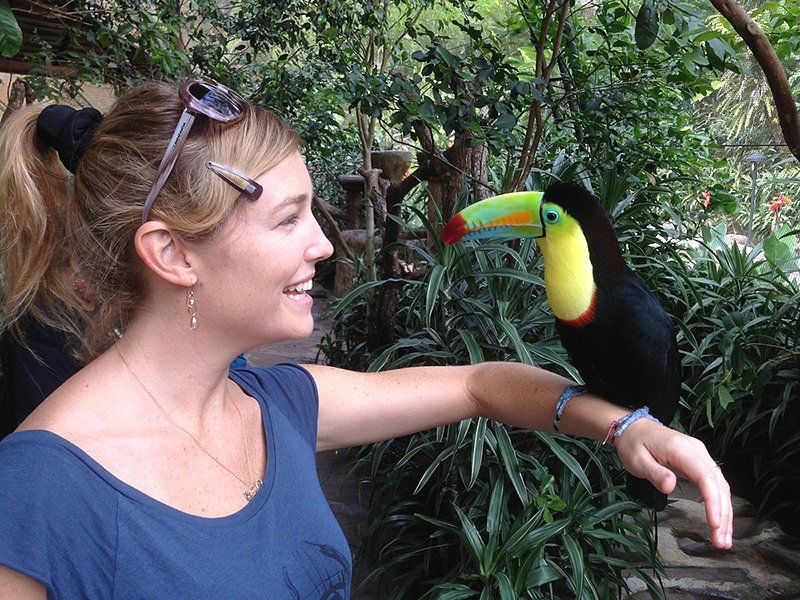
La Paz Waterfalls
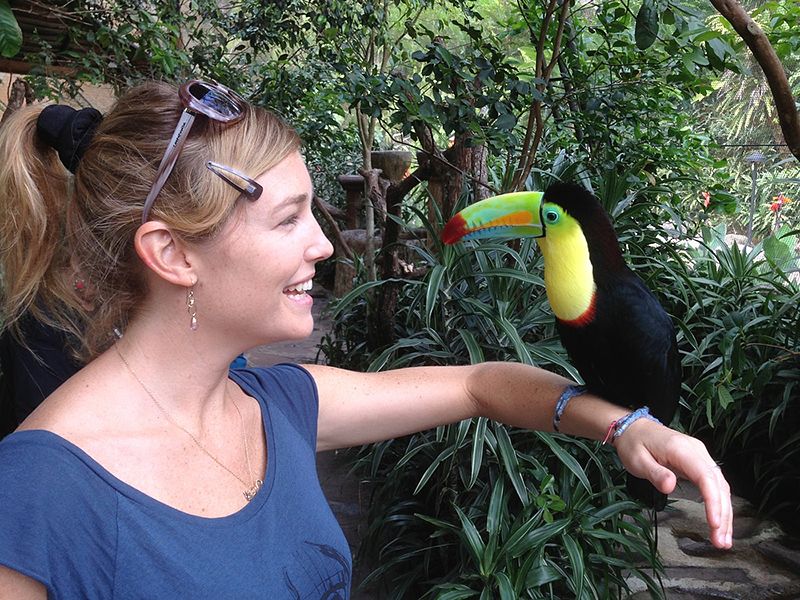
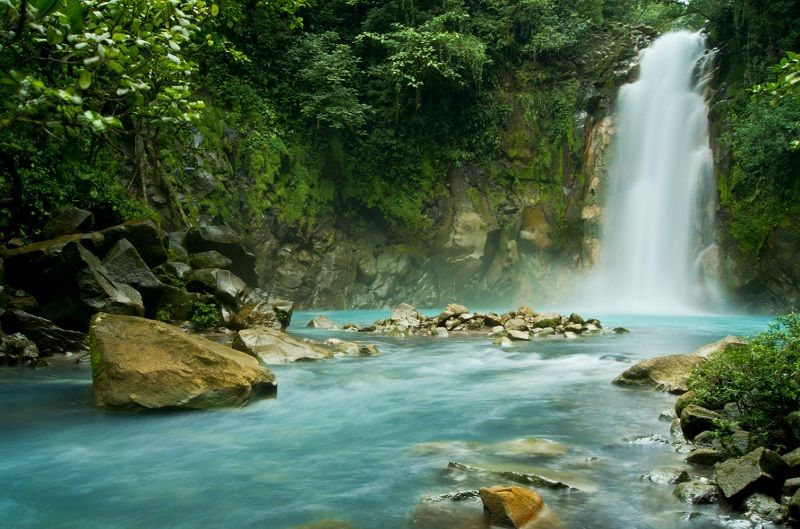
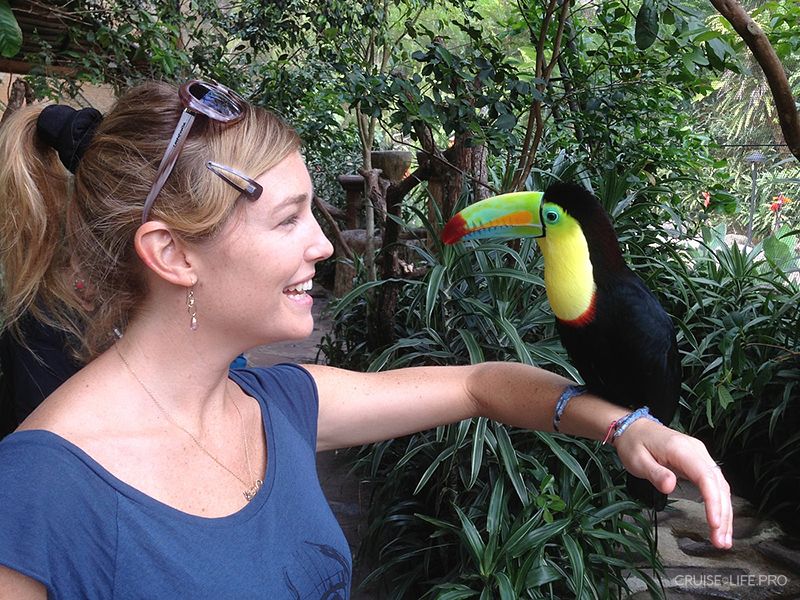
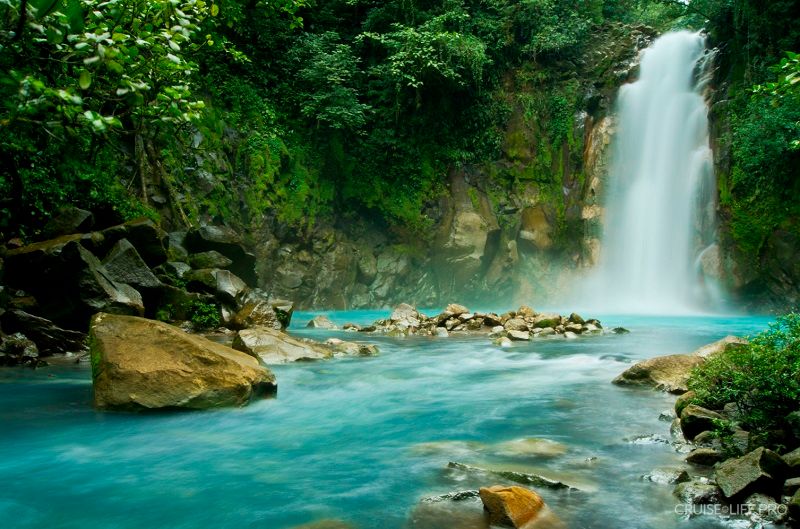
This pearl of Costa Rica is hidden on the slope of Poás Volcano-the largest active volcano in the world-and boasts five magnificent waterfalls. On the territory of the waterfall park, there are many trails and routes that allow you to explore the stunning nature of this region. The excursion will pass unnoticed, because you’ll spend this time surrounded by incredible scenery, vibrant and curious birds, and plants. It’s worth noting that the birds are a special pride of the waterfall park, and all of them are under the careful care of its staff. Many birds are not afraid of people; they fly up to tourists, eat from the hand, and allow themselves to be photographed. Isn’t it a miracle to see a hummingbird perched on your palm or a toucan pecking from your hand? And there is also an impressive collection of butterflies in the park-one that, too, isn’t afraid of travelers and calmly “lands” on their hands, shoulders, and heads.
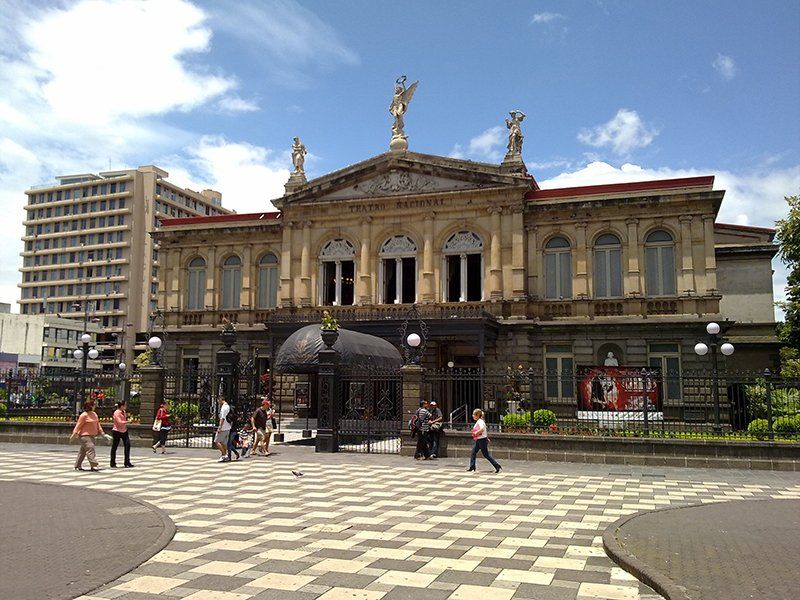
Sno José City Tour
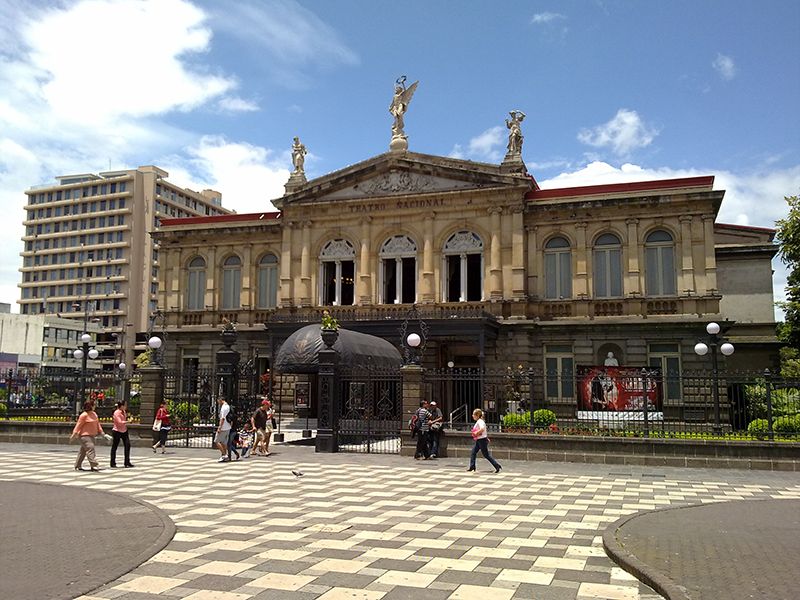
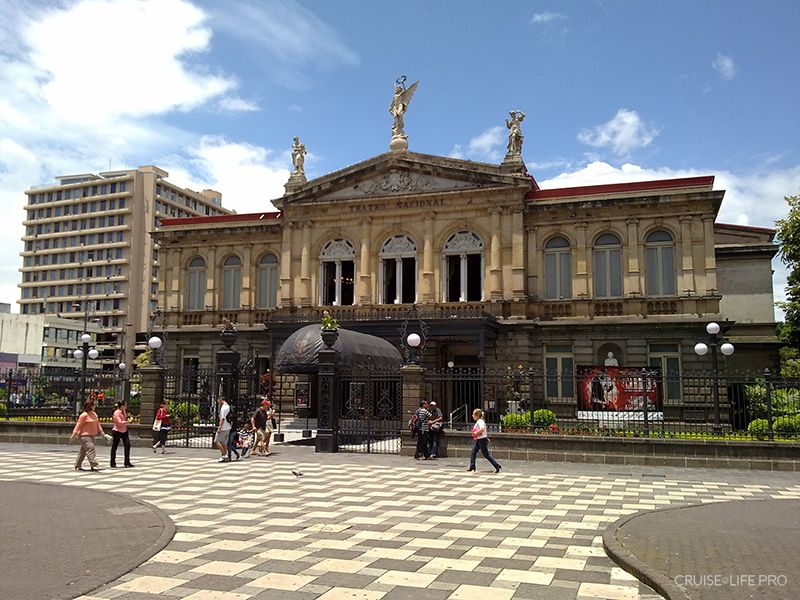
During the excursion, you will learn about Costa Rica’s rich historical past and cultural heritage. First, you will visit the stunning Sabana Park. Next, you will see the National Historical Theatre, built in 1897 and an architectural masterpiece. The next item on the program is the Archaeological Museum with an extensive collection of ancient exhibits. A visit to the University of Costa Rica and the Supreme Court will be of great interest. The excursion will end with a brief stop in the Moravia area, with a look at the craft shops.
You can find a more detailed list of excursions and their prices in your “Client Personal Account” after booking the cruise.