Busan, South Korea

Port of call

Busan, South Korea

Description — Busan, South Korea

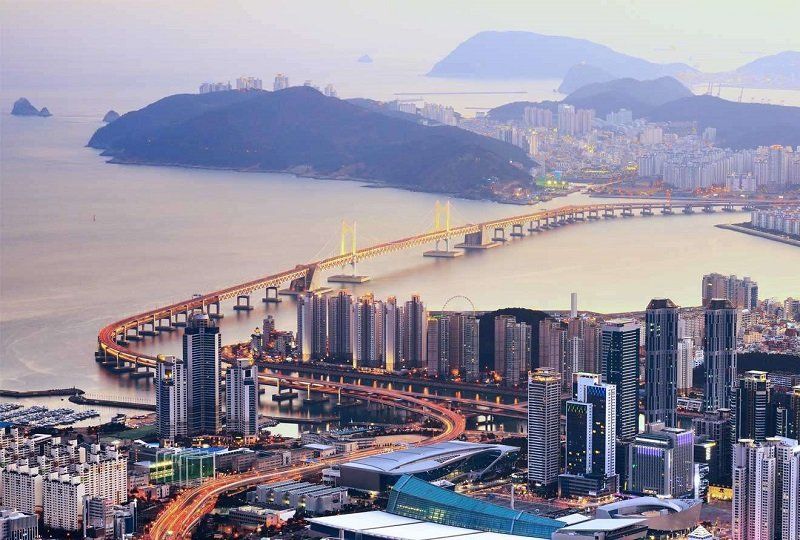
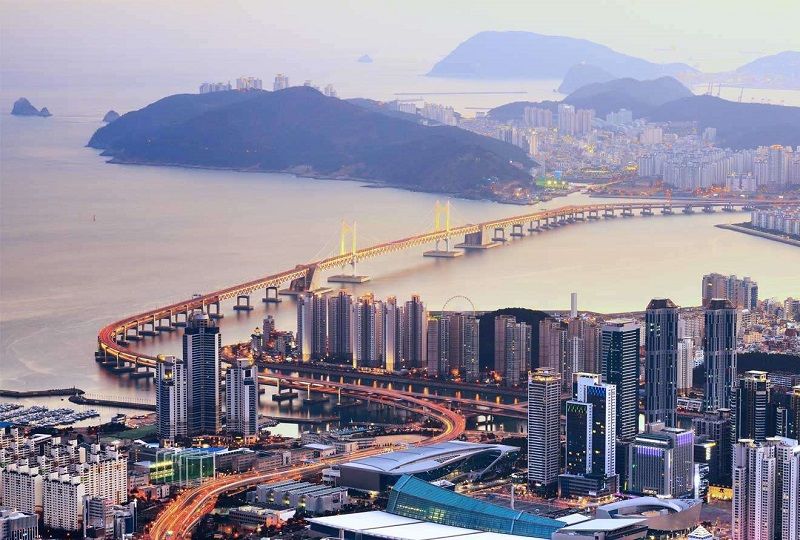
Busan is a city in the Republic of Korea, the country’s second-largest city after Seoul. The largest port in the country, known as the “Maritime Capital of the Republic of Korea.” The city’s official name is the Busan Metropolitan City.

Busan is located on the southeastern tip of the Korean Peninsula, on the coast of the Korea Strait. The most densely built-up areas are situated in several narrow valleys between the Nakdong and Suyeong rivers; mountains serve as natural boundaries for some urban districts.

Busan is one of Asia’s most modern cities. The city is known for its numerous skyscrapers and other architectural attractions. Here you can find the world’s largest department store-“Shinsegae Centum City”-and the tallest building in the Republic of Korea-“Doosan Haeundae We've the Zenith Tower A.” Other megastructures are also being built in the city. For example, the “Lotte Super Tower” building is expected to have 110 floors, with a planned height of 510 meters. In 2013, when construction is completed, the “Lotte Super Tower” will become one of the tallest skyscrapers in the world.

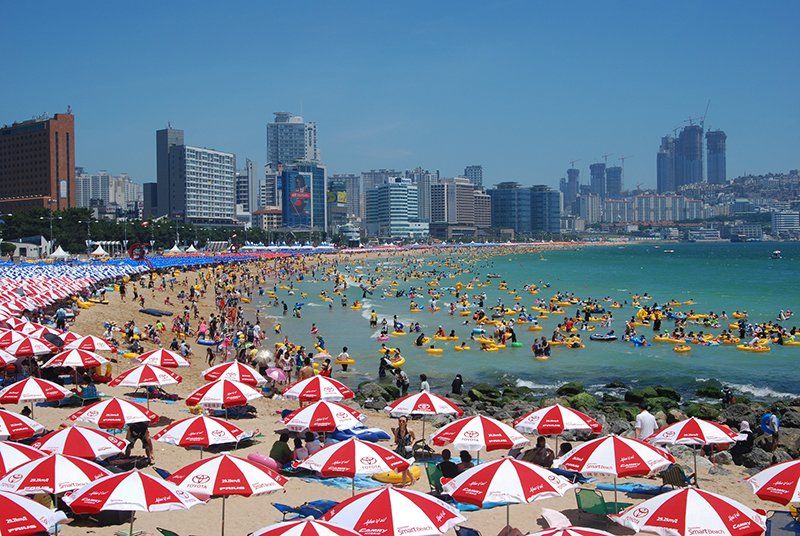
The city has a well-developed tourist infrastructure. Busan is called Korea’s summer capital; its six famous beaches attract tourists from all over the country. The city also offers a huge number of historical and cultural attractions, as well as entertainment centers.

Climate

Busan is located in a zone of humid subtropical climate. From May to July, late spring and early summer, due to the ocean effect the city is usually colder than the interior regions of the peninsula. In late summer and early autumn, from August to September, hot, muggy weather is typical; during this time, typhoons may strike the city. October and November are generally the most comfortable time in Busan, with clear skies and pleasant temperatures. Winter is cold and relatively dry, with strong winds, but it is significantly milder than in other parts of Korea. Busan and the surrounding areas receive the least snowfall compared to other regions of Korea due to its location.

The average summer temperature is +25 °C, and the average winter temperature is +4 °C.

Location on the map

Sights

Pomosa Temple Complex

Pomosa Temple Complex

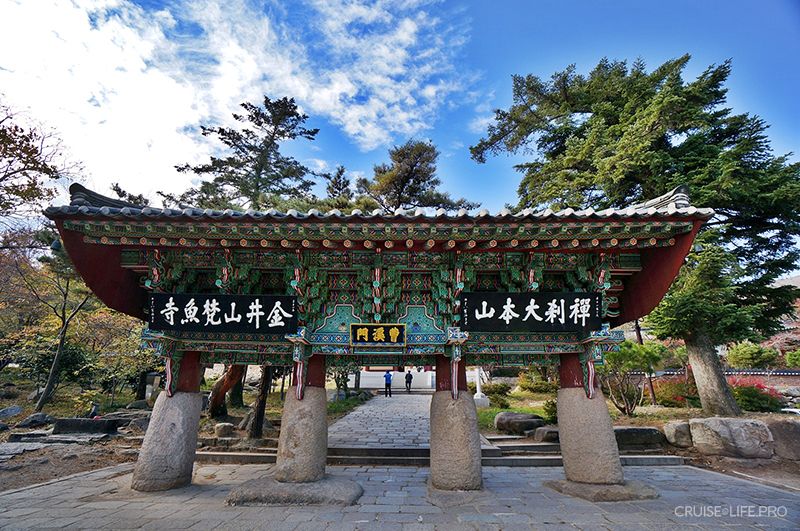
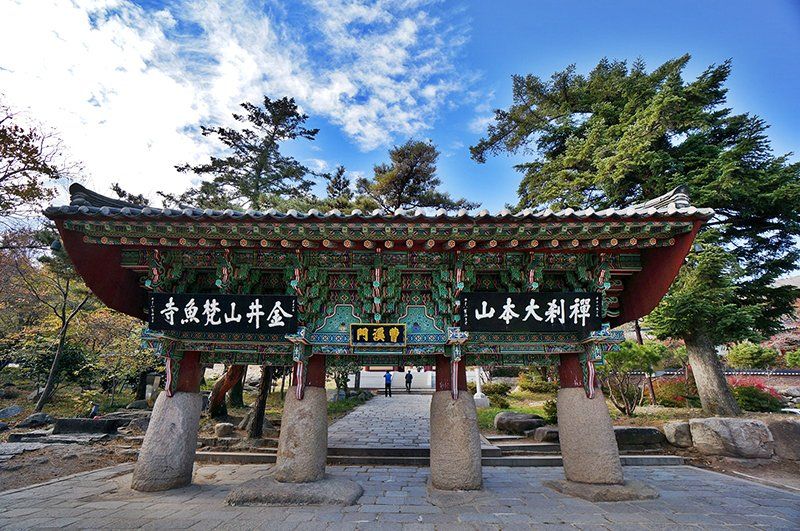
The main attraction in Busan is the magnificent temple complex of Beomeosa (“Temple of Paradise Fish”). Founded in the 7th century, the temple was repeatedly destroyed and rebuilt, yet it managed to preserve the original, ancient atmosphere. Here you should see the three-tiered stone pagoda, the main temple with the ceremonial hall of Dongjeong, the One-Pillar Gate (if you look at it from a certain angle, it really seems to rest on a single support; this symbolizes the one true path to enlightenment), the East and West pagodas of Wongyoam, and the original stone lantern, as well as eleven hermit huts of astonishing beauty, topped with statues of Buddha.
Dragon Palace Temple

Dragon Palace Temple

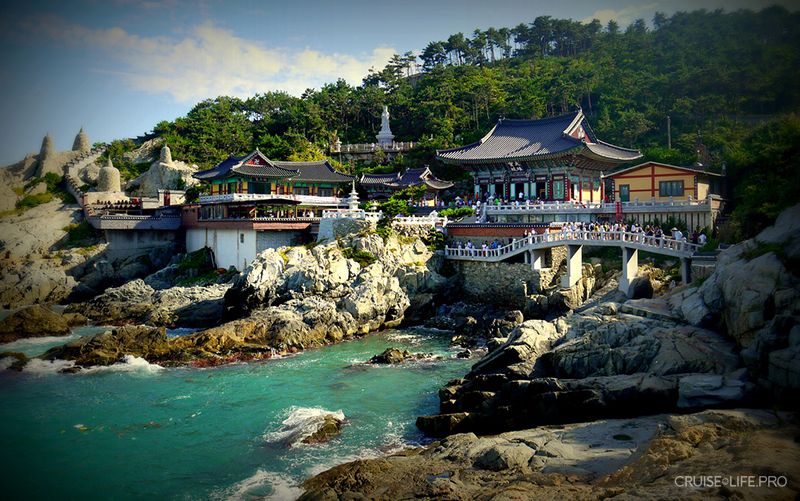
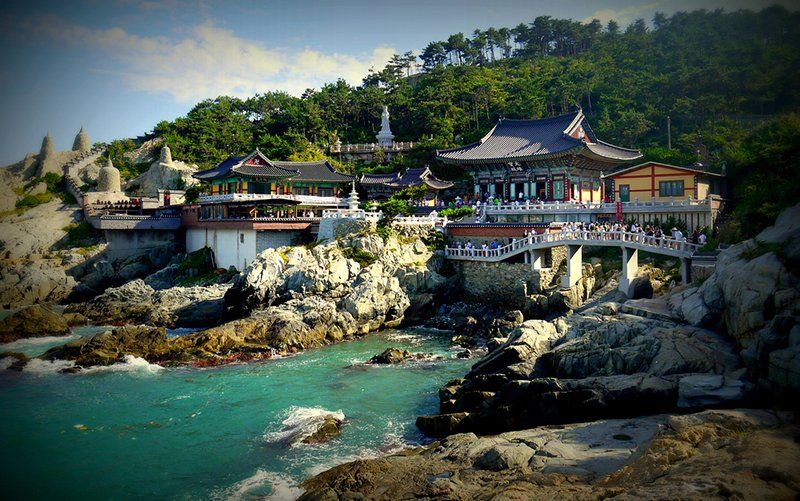
Another gem of religious architecture - the Dragon Palace Temple, located right along the shoreline. Among its interesting structures is the incredible Pagoda of Those Praying for Road Safety - yes, it really exists! The water in the local hot spring, according to tradition, is said to have healing power. And the Seokbulsa Temple is a hermit’s hut carved into the rock face, around which you can see giant Buddha bas-reliefs, also carefully chiseled into the stone.
What to see

Beaches of Busan

Beaches of Busan

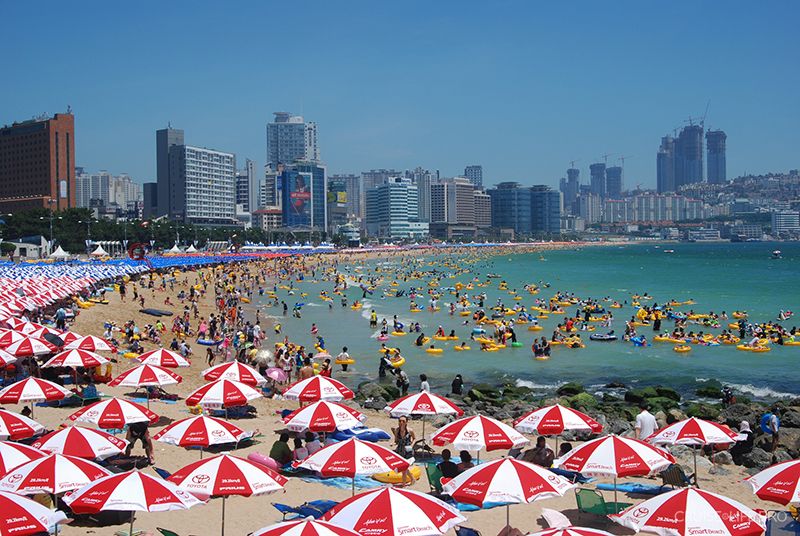
Pusan’s beaches are rightly considered among the best in South Korea. Despite the port being close by, they are well maintained and clean, wide, and offer all the necessary infrastructure. Haeundae Beach is the most popular; in summer there are always many Koreans here, coming from all over the country, as well as tourists. For entertainment, there are plenty of bars and beachside restaurants, as well as water sports stations. The sandy Songjeong Beach stretches in a crescent shape for 1.2 km along the bay. It’s calmer here than at Haeundae-even at the peak of high season-but the beach has one drawback: it closes early-between 16:00 and 18:00. Gwangalli Beach is relatively secluded, more democratic, and the cafes and restaurants here are closer to the wider crowds of vacationers.

Aquarium

Aquarium

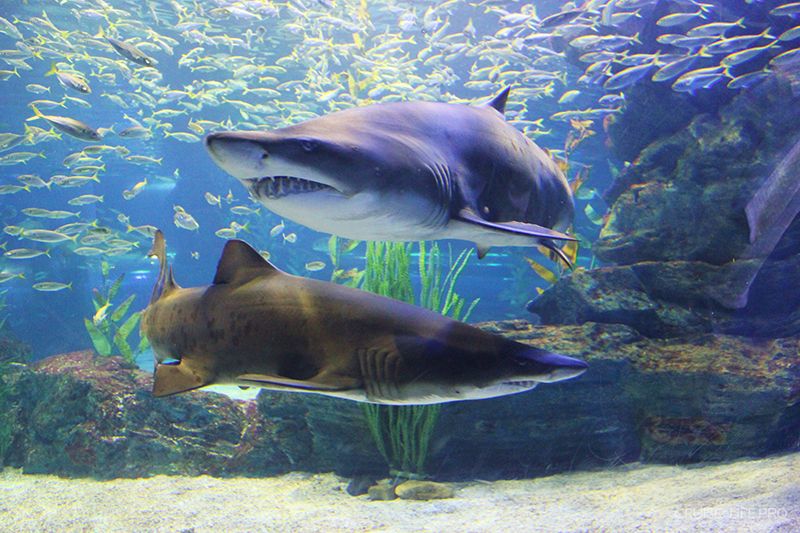
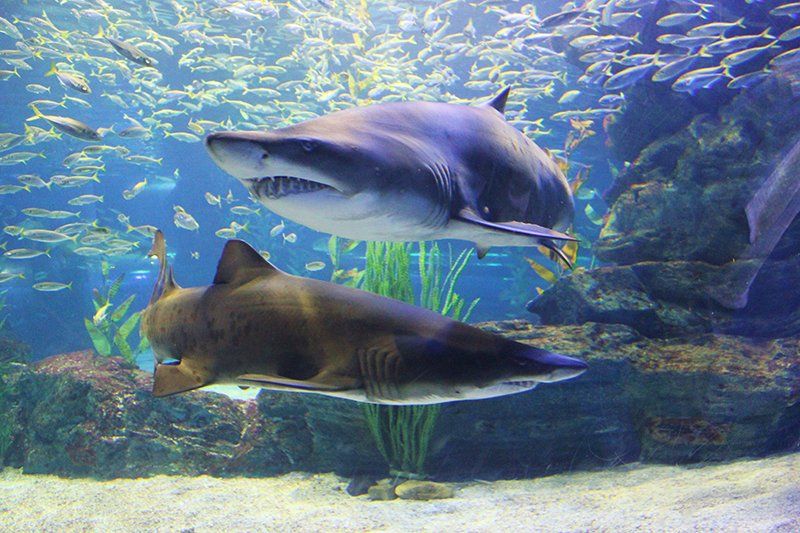
The Oceanarium in the city of Busan is one of the largest in Asia. Here you can see more than 35,000 specimens of different species of fish, amphibians, reptiles, and other aquatic inhabitants. The Oceanarium covers an area of 36,000 square meters, allowing visitors to observe the widest variety of underwater residents. A highlight of the Oceanarium is its 80-meter tunnel, which lets you feel as if you are at the bottom of the ocean-above which life of various of its inhabitants is teeming. Above the heads of visitors, sharks, rays, and other marine creatures glide by. In addition to showcasing various fish, the Oceanarium also features souvenir shops, a science and educational center, themed cafés, and stores.

Yondusan Park

Yondusan Park

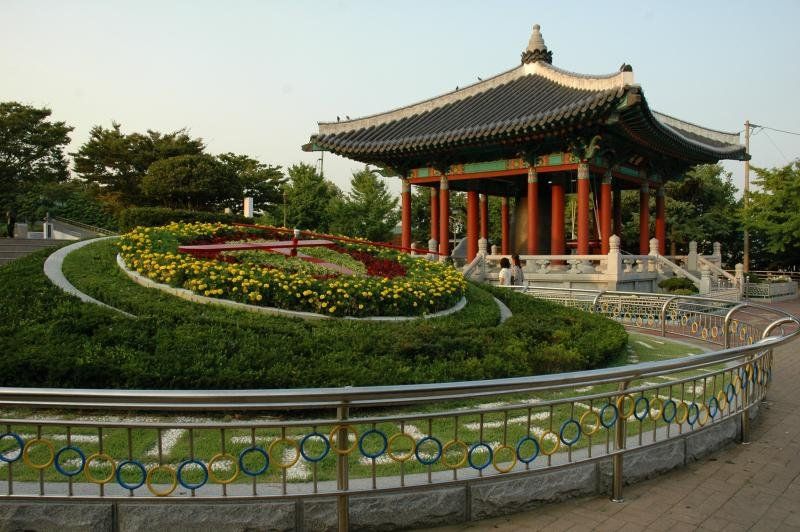
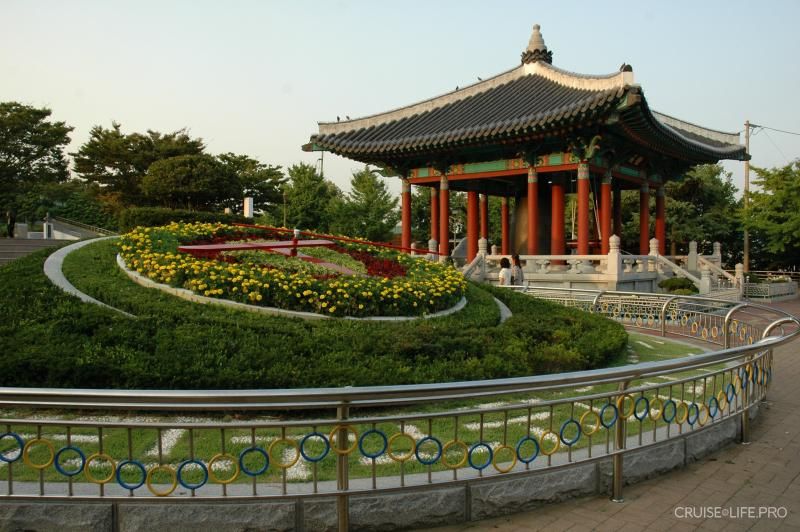
Yondusan Park is located in the heart of the city and is a popular place of recreation for both local residents and tourists. The park features many attractions, entertainment venues, and beautiful green areas. The park sits on a hill that resembles a dragon’s head, so its name comes from the word “Yongdu,” which means “dragon’s head” in Korean. Inside the park is the Busan Tower, 120 meters tall, which is an excellent observation deck with views of the city and the park. The night views of the city are especially beautiful, making the park particularly popular, especially in the evening. You can also visit a café, an aquarium, the World Boat Museum, the Museum of Musical Instruments, and many other interesting places on the park grounds.

Art Museum

Art Museum

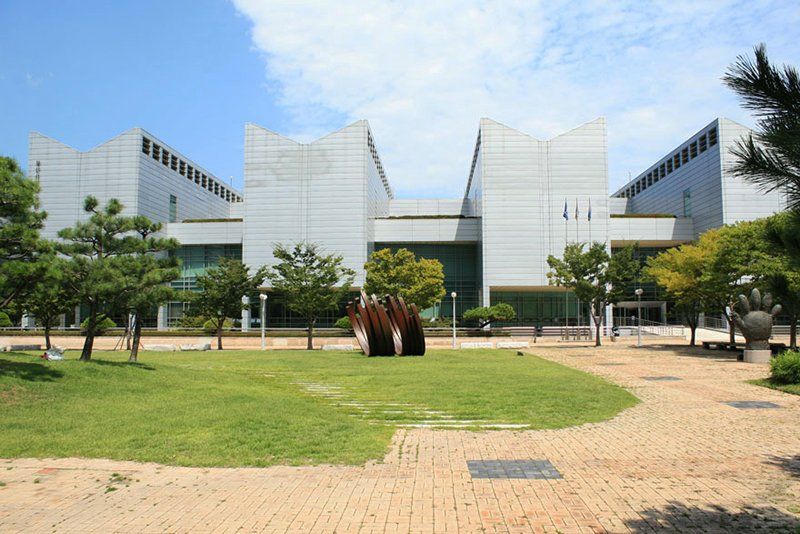
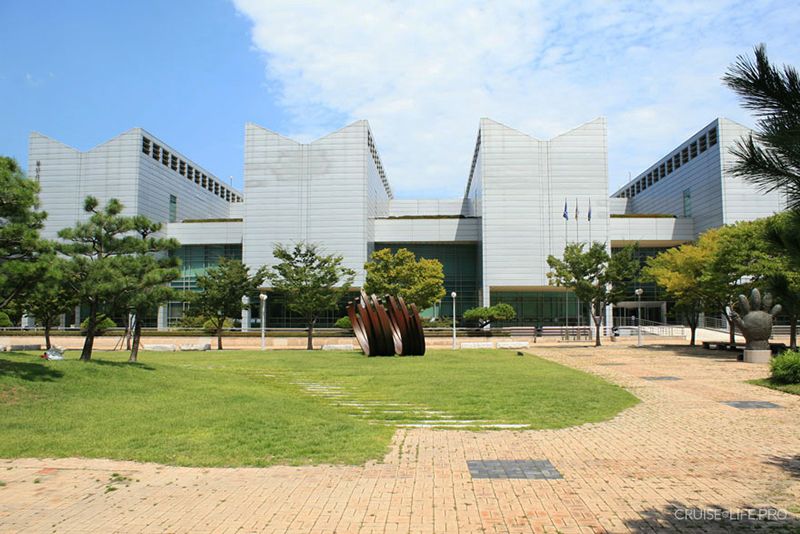
The Art Museum of Busan, opened in 1998, is the main attraction of Busan, which in terms of importance can be compared to the Hermitage or the Uffizi Gallery in Florence. The museum building has five floors featuring exhibition halls, archival and teaching rooms, a library, and a restaurant. The museum also has an open-air park where sculptures are displayed. The museum’s collection includes over 2.000 exhibits. Here you can see works of contemporary art by artists from Korea, China, Japan, Vietnam, Europe, and the United States.

Camchhon Cultural Village

Camchhon Cultural Village

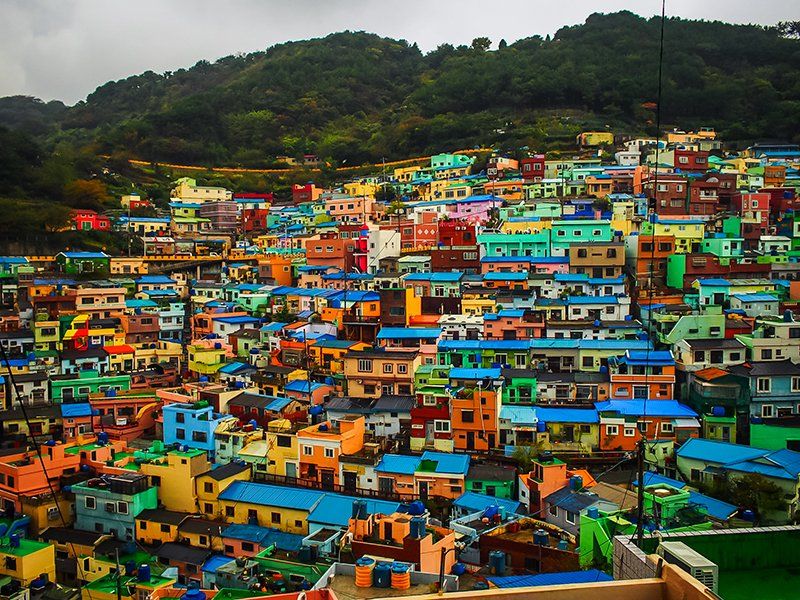
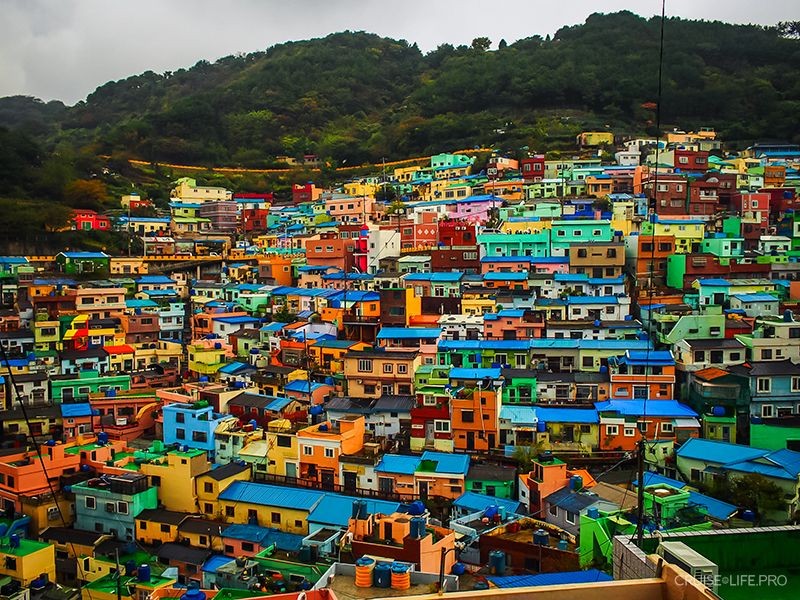
The Cultural Village of Gamcheon was founded during the Korean War, when war refugees fled to Busan. Along the mountainside, about 800 huts were built, housing nearly 4,000 people. Most of them were followers of the Taegukdo religion, the meaning of which is to divide energies into Yin and Yang, which affect all processes throughout the universe. Since then, Taegukdo preachers from all over the country have moved to this village, and its wooden houses were rebuilt in concrete. Narrow, winding lanes give this place a special atmosphere, different from city life.

Recommended excursions

Busan City Tour

Busan City Tour

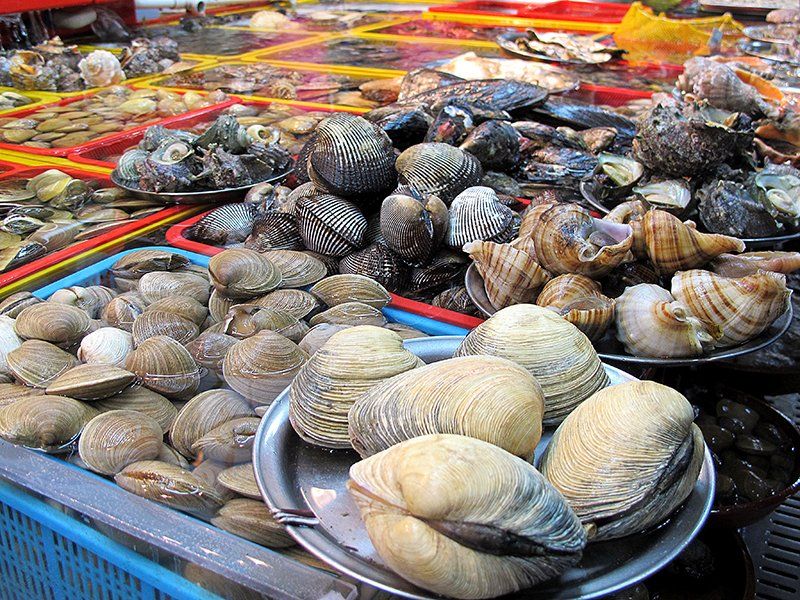
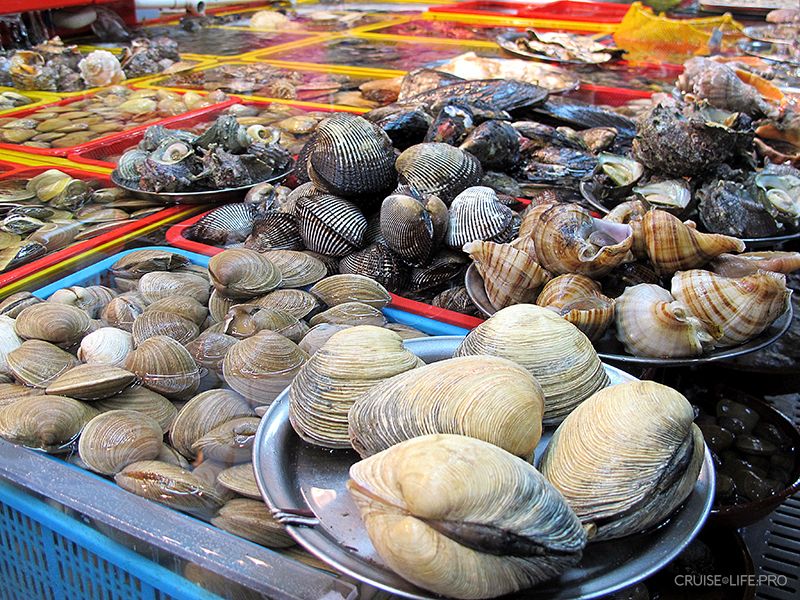
During the excursion you will see the Busan Tower, one of the symbols of the metropolitan city and the first tower in the Republic of Korea. In 2012, the administration of the metropolitan city of Busan installed a Fresnel lens on the tower and declared Busan Tower the tallest lighthouse in the world. Inside the Busan Tower building, in addition to the observation deck, there is an aquarium and a café. Next, you will visit the Buddhist temple of Haedong Yonggungsa. It is located on a rocky shoreline of the ocean and is an architectural and cultural landmark. From here you can enjoy a wonderful view of the ocean, especially at sunrise or sunset. There are also many different sculptures on the temple grounds, stone pagodas, and a cave with a Buddhist sanctuary inside. The next stop on the program is the Jagalchi seafood market, which is known throughout Korea. In conclusion, you will head to the Gamcheon Village with its picturesque colorful houses-a kind of open-air ethnographic museum.

For a more detailed list of excursions and their prices, you can view them after booking the cruise in your “Client Personal Account”.