Burgas, Bulgaria

Port of call

Burgas, Bulgaria

Description — Burgas, Bulgaria

Burgas is the largest city in Southeastern Bulgaria and the 4th largest by population in the country after Sofia, Plovdiv and Varna. Burgas is an important economic, transport, administrative and cultural center in Southeastern Bulgaria. The city is the administrative center of the namesake municipality and region. Population: 206,038 residents as of 2013. Burgas is located on the western coast of the Burgas Bay of the Black Sea, at the easternmost point of the Burgas Plain. The city is 385 km from Sofia, 267 km from Plovdiv and 133 km from Varna.

In the 20th century, the city developed actively, and today it is a major industrial and tourist center. In the built-up area by the sea, surrounded by the lakes of Burgas, the climate is fairly moderate, with comparatively cooler summers and a warm winter.

The history of Burgas is long: scientists say it has been inhabited since ancient times. But it was difficult for the city to compete with the then leaders in trade, Nessebar and Sozopol, so for a long time Burgas was simply a territory with small fishing villages and sea fortifications. Everything changed with the opening of the city port, which made Burgas the largest port in the country and the second-largest city after Varna.

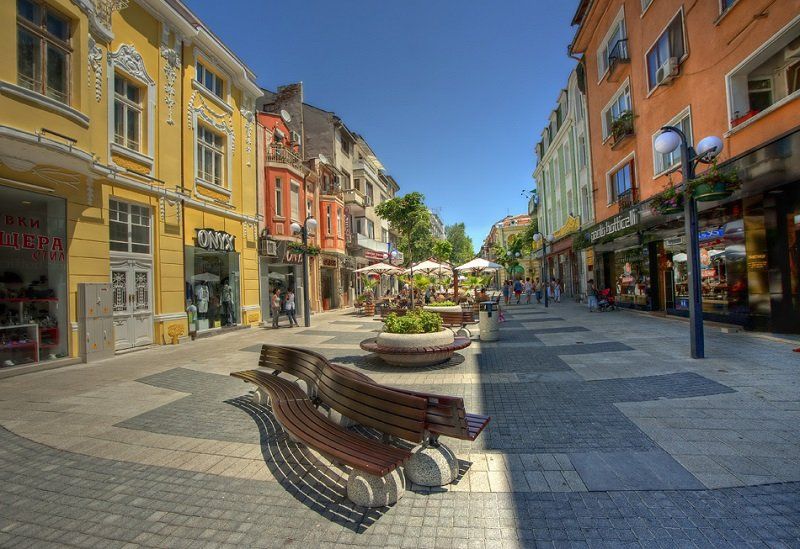
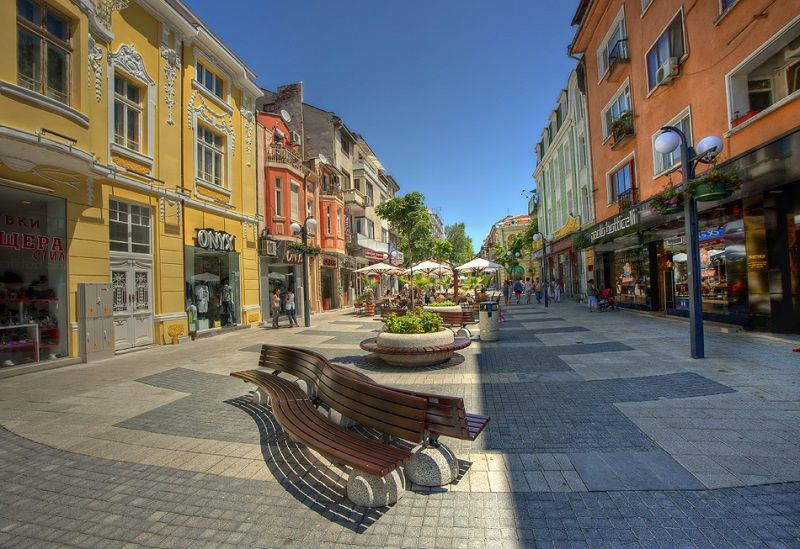
Today, Burgas is not the country’s main tourist center. But its convenient location near the lakes and more historic towns nevertheless brings tourists here. Burgas has ethnographic, archaeological, historical and natural science museums, numerous exhibition venues, and interesting natural attractions in the surrounding area. The center of Burgas is especially interesting from an architectural point of view. It has preserved many residential buildings in Art Nouveau style, built at the beginning of the 20th century, as well as residential buildings in Rationalism style, constructed in the 1930s. Not far from Burgas, there is the balneological mud-bath resort “Burgaski Mineralni Bani”.

Climate

The climate of Burgas is wonderfully suited for a seaside holiday. There is no extreme heat, because the sea breeze brings refreshing air, and nights are cool. The best time to visit Burgas is in the summer months-July and August-when warm, sunny weather sets in and the thermometer rarely rises above +30 °C. The number of sunny days in summer is about 24-27 per month. August-September is the best time for a resort holiday in Burgas. The proximity to the Black Sea makes winter warm and mild, with only minor snowfall. The average winter temperature in this area is above 0 °C. The reason lies not only in Burgas’s proximity to the sea, but also because of the Stara Planina mountain, which blocks the cold northern winds.


Location on the map

Sights

Cathedral Church of Saints Cyril and Methodius

Cathedral Church of Saints Cyril and Methodius

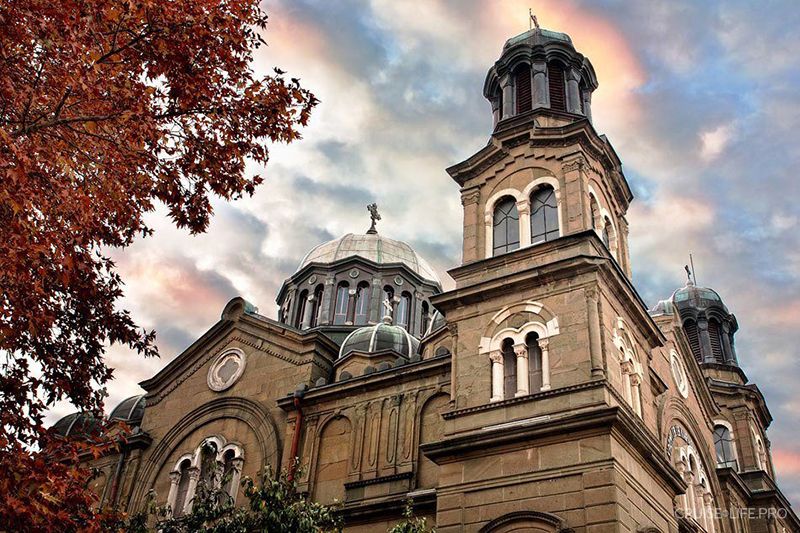
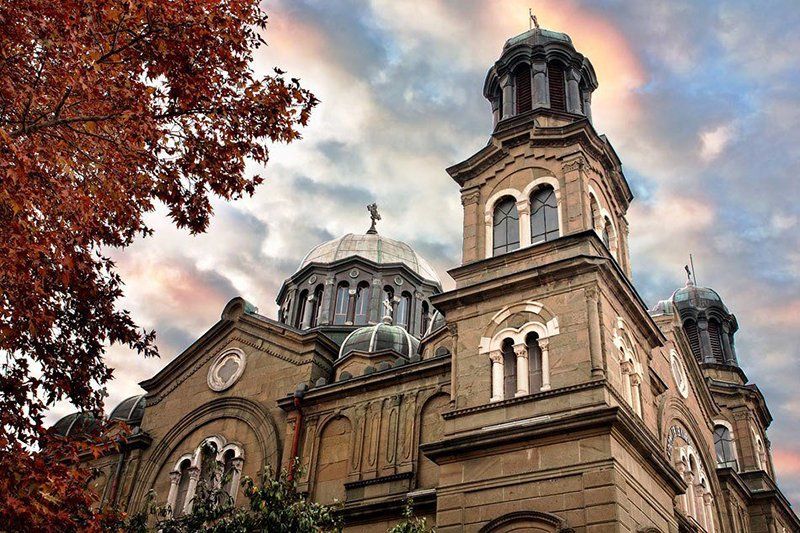
The largest church in Burgas, built a century ago according to the design of Italian architect Riccardo Toscan(i), is fascinating for its décor. The temple’s façade is enhanced by two dark-stone bell towers, and the gates feature a mosaic depiction of Bulgaria’s main saints, Saints Cyril and Methodius. Inside, the church is adorned with a carved iconostasis and unusual frescoes created by artisans who also worked on decorating the Cathedral of Alexander Nevsky in Sofia.

Zero Kilometer

Zero Kilometer

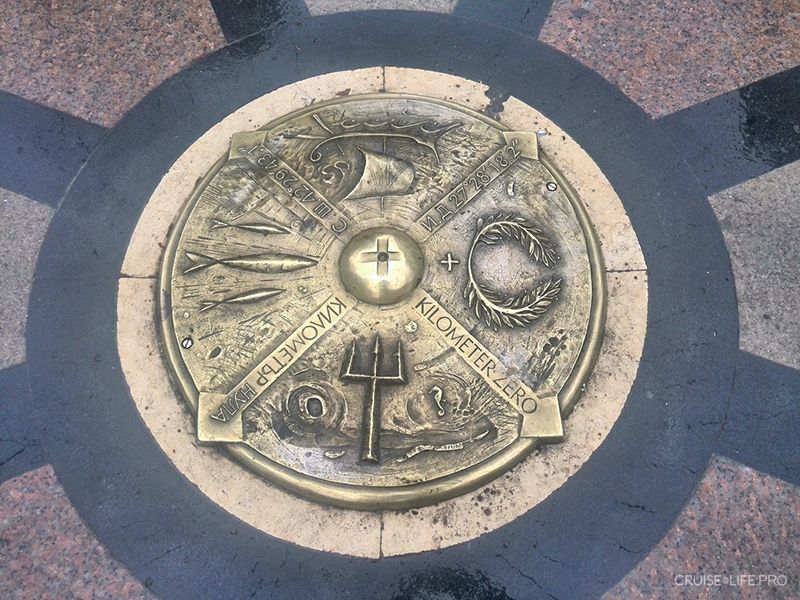
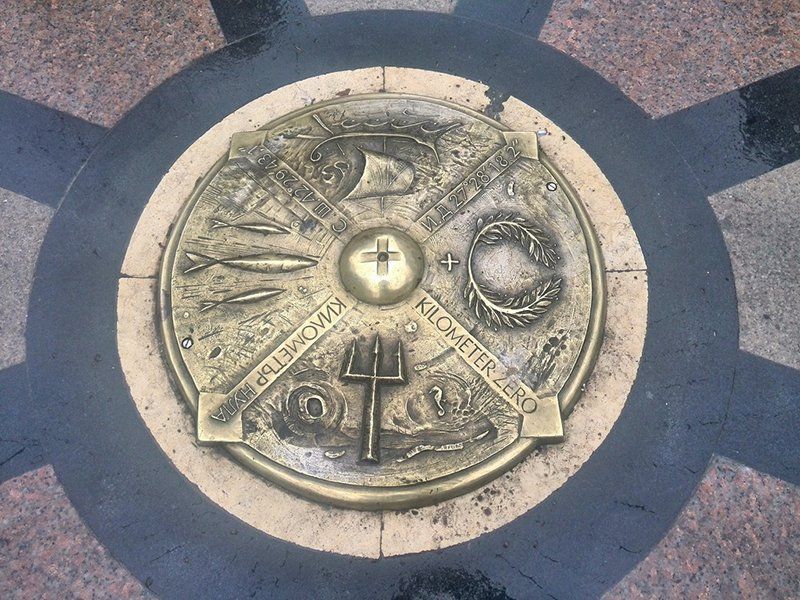
The Zero Kilometer, or “the city’s navel,” is located in the center of a large compass image. Near this landmark, tourists love to take photos. Locals call the Zero Kilometer the place that, with great accuracy, determines the city’s exact center. “The city’s navel” is situated on the pedestrian Alexandrovskaya Street. The zero marking is a decorative, stylized slab with beautiful relief images. This sign serves as the reference point by which everything else in Burgas is measured. The Zero Kilometer was designed by architect V. Milkov and created by sculptor R. Damasok.

What to see

Marine Park

Marine Park

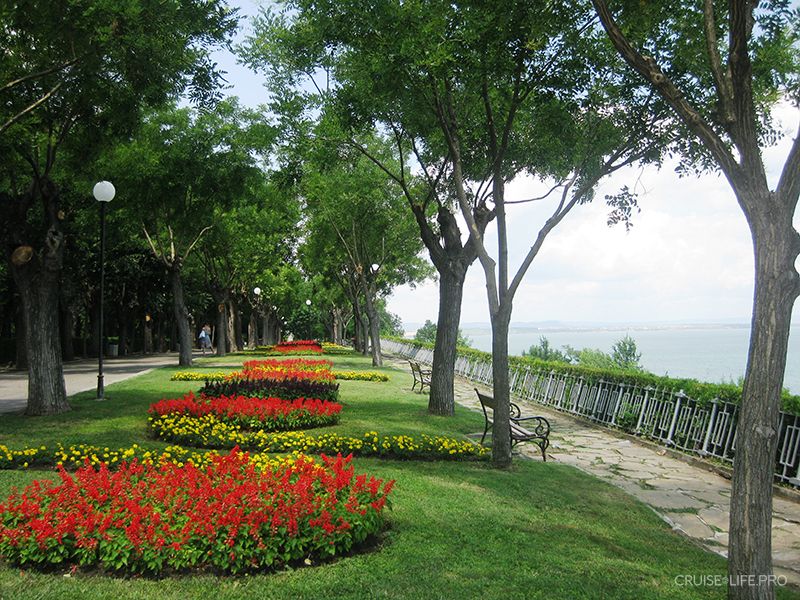
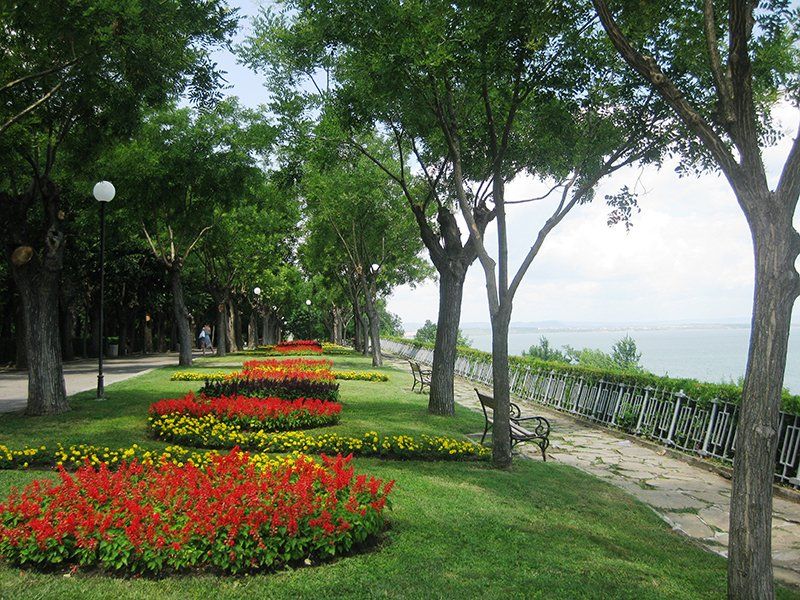
One of the main attractions of Burgas is the Sea Park. Its entire territory stretches along the sea for 7 km. The park is home to many sculptures, as well as monuments to famous Bulgarian residents. There is also an open-air summer theatre here, where various festivals and interesting performances are held. It can accommodate about 2500 people. In the shade of trees brought from all corners of the Earth, there are gazebos, music pavilions, and even a mini zoo garden. In 1938, a casino appeared here; today it has become a cultural center, whose building hosts wedding ceremonies. In the summer season, the Sea Park hosts flower exhibitions, sand-sculpture festivals, and musical evenings.

Mandren Lake

Mandren Lake

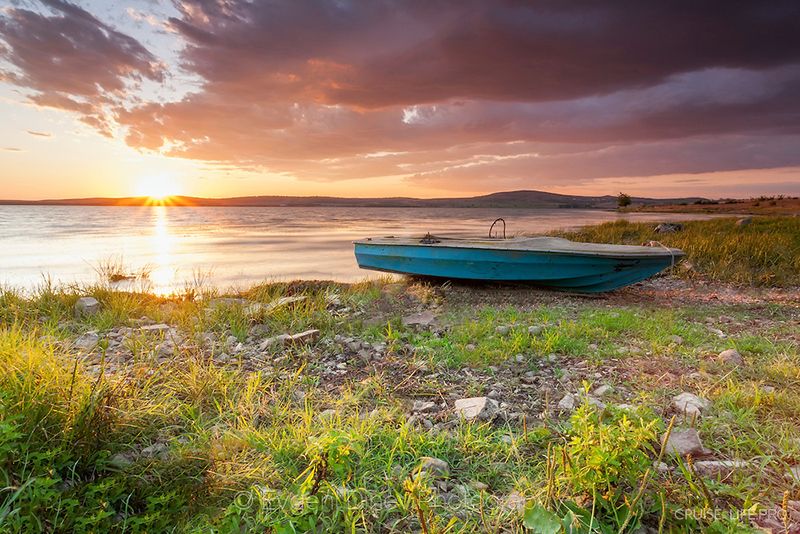
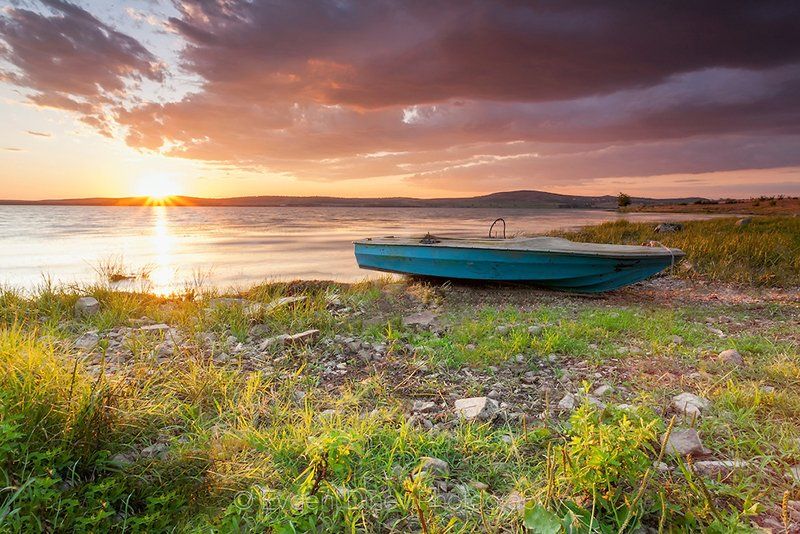
This lake is considered one of Europe’s most important ornithological reserves and a wonderful place to relax by the water. It lies on the migration route of birds traveling from Europe to Africa and back, so more than 200 bird species can be found here, including rare curly pelicans. The indifferent come to the lake to fish in its crystal-clear waters-this is allowed, and there are around fifty species of fish; those interested in history can explore the ruins of the medieval Pirgos fortress, the historic predecessor of Burgas.

Burgas Central Beach

Burgas Central Beach

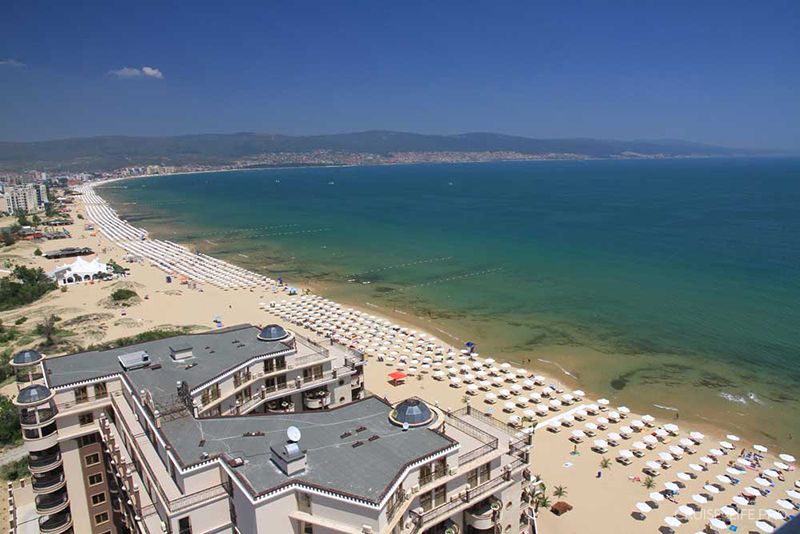
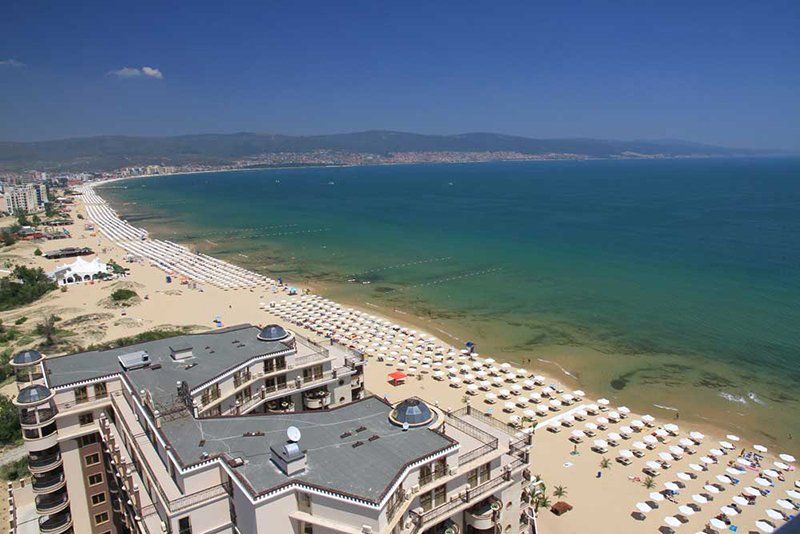
The main beach in Burgas evokes associations with some beaches on the Canary Islands: the sand here is almost as dark, due to magnetite impurities. The sea along the coast of Burgas is warm, but not very clean. After all, Burgas is a port city. The beach offers plenty of entertainment for lovers of various sports, including extreme ones. Here you are guaranteed a high level of service and a variety of opportunities for an active holiday.

Ethnographic Museum

Ethnographic Museum

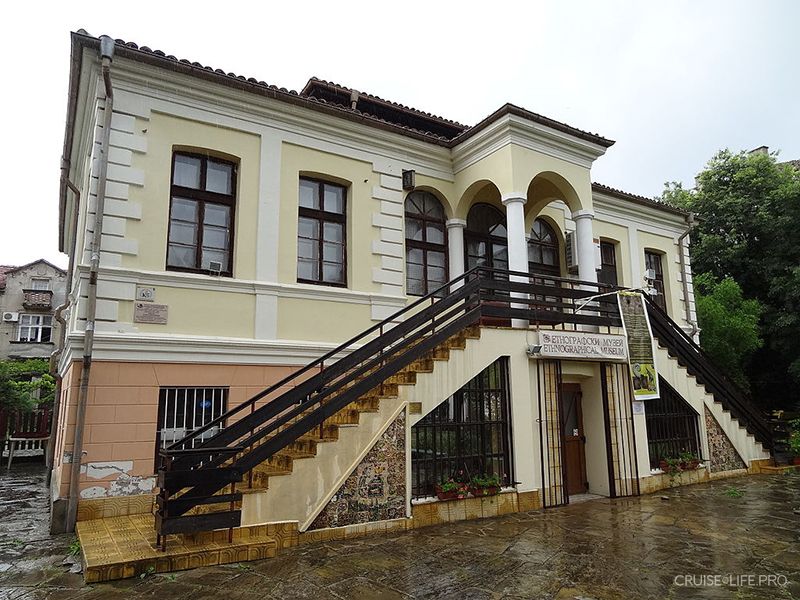
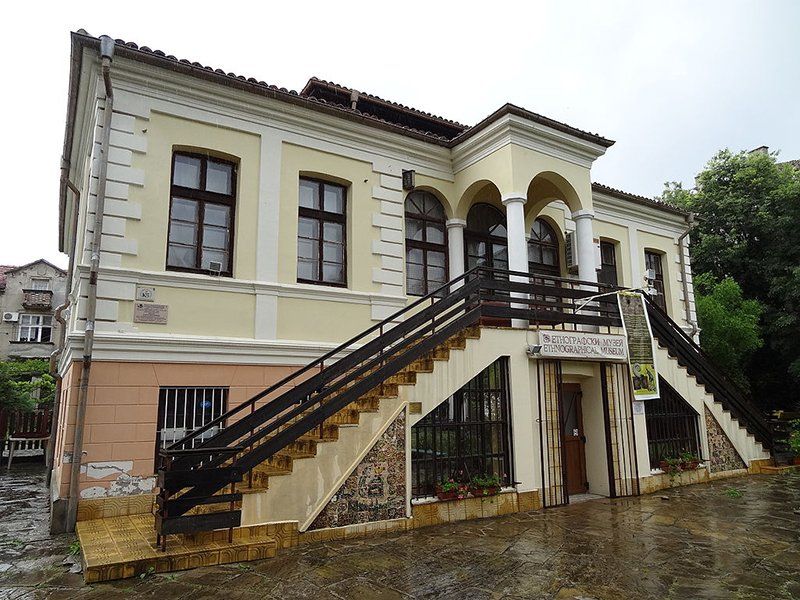
How people lived, what they wore, and what the peoples who inhabited Bulgaria in past centuries did-this is what the museum’s exhibition tells you. The museum is located in a stone mansion of the 19th century, the Brakalov House. In addition to everyday items, traditional clothing, including wedding attire, and region-specific ornaments, the museum has a large collection of ceremonial outfits. Some of them look quite exotic, such as sheepskins turned inside out, which were used to dress up the kukeri-men who went caroling at Maslenitsa.

Burgas Baths

Burgas Baths

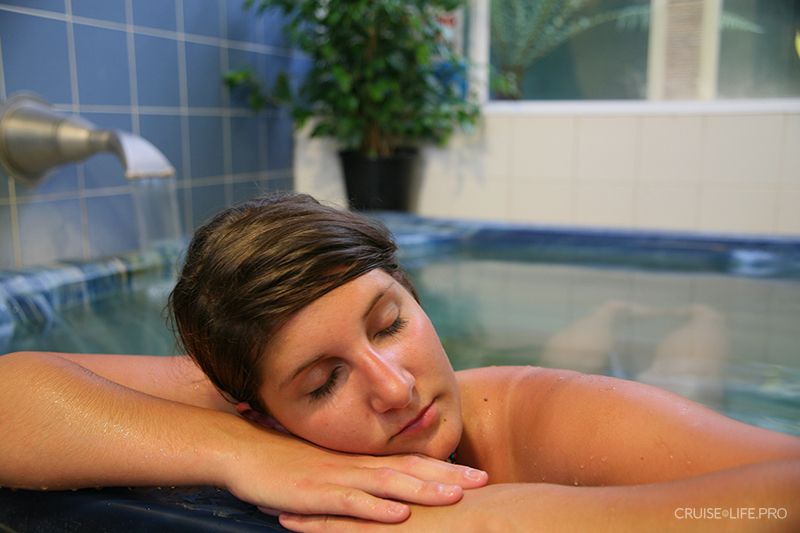
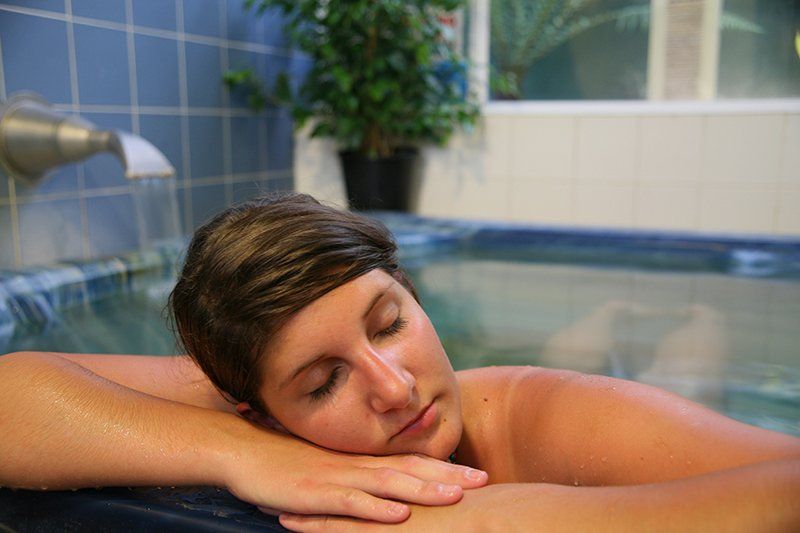
Local baths, known since the days of Ancient Rome, are located 13 kilometers from Burgas at mineral springs where the water temperature exceeds 40 degrees. The village by these springs had the telling name Therma and was a real resort. During the period of Turkish rule, a hamam was built in the village, and it is still in operation today. There is also an outdoor swimming pool with warm mineral water, where swimming is permitted. If you want to devote more time to your health, go to one of the local balneotherapy sanatoriums.

Recommended excursions

Excursion to Nessebar

Excursion to Nessebar

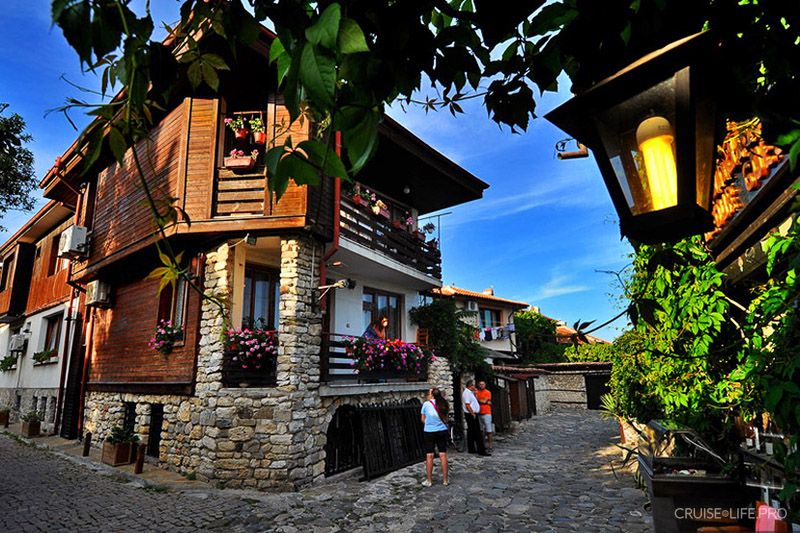
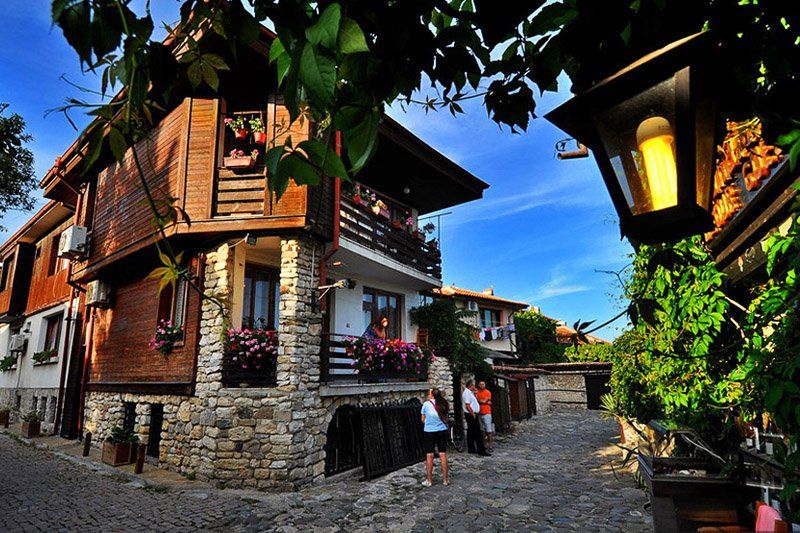
While relaxing in Burgas, you should definitely visit Nessebar - one of the pearls in the crown of Bulgarian attractions. A city whose history goes back several millennia, a city protected by UNESCO as a World Cultural Heritage site, a city that is a must for everyone vacationers on the Bulgarian Black Sea coast. Here you can immerse yourself in the mysterious world of ancient civilizations and feel the unique atmosphere of old streets, houses, and churches. You will see churches from different periods of history, the remains of Byzantine baths, the remains of the largest church in Nessebar - the 5th-century Church of Saint Sophia, the fortress wall, and typically Nessebar houses from the Bulgarian Revival period - original examples of Bulgarian architecture.

For a more detailed list of excursions and their prices, you can learn about them after booking your cruise in your “Client Personal Account”.