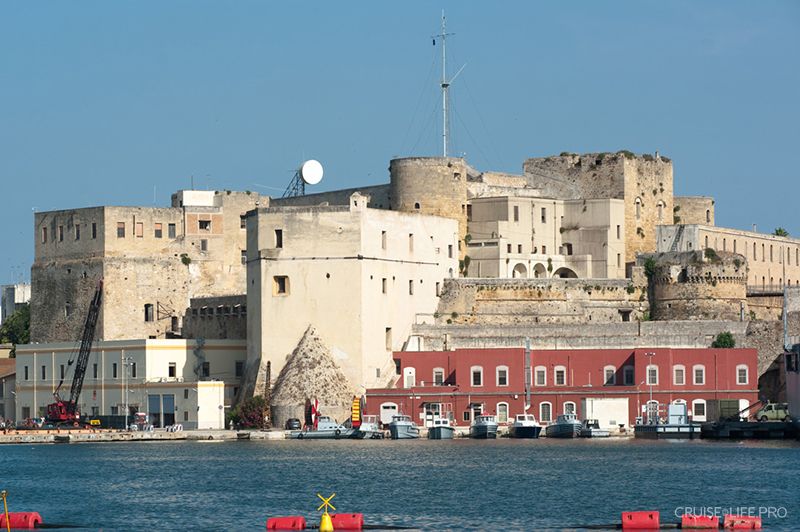

Swabian Castle
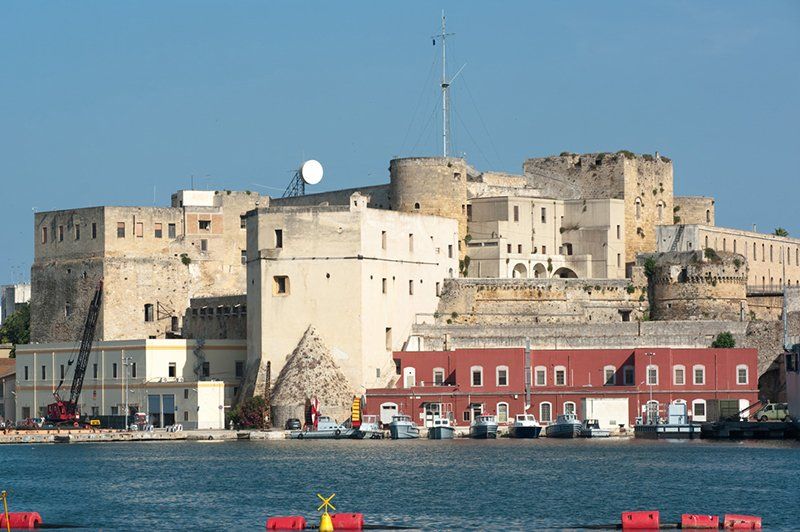
Also known as “Castello di terra” (“earthly” castle), to distinguish it from the Aragonese one (named the “sea” castle), the Swabian castle was built by order of Frederick II in 1227. The structure was designed to protect the inhabitants of Brindisi, who at the time were “mourning” the beneficial period of Norman rule and disliked the Swabians. Originally, the castle had a square shape with 4 towers at the corners-on one side it was protected by the sea, and on the other by a deep moat. It was later improved and reinforced by Ferdinand of Aragon. After the fall of the Spanish, the structure became a meeting hall under Gioacchino Murat in 1813. Similarly, the castle was used by the Bourbons and the House of Savoy until the 20th century.
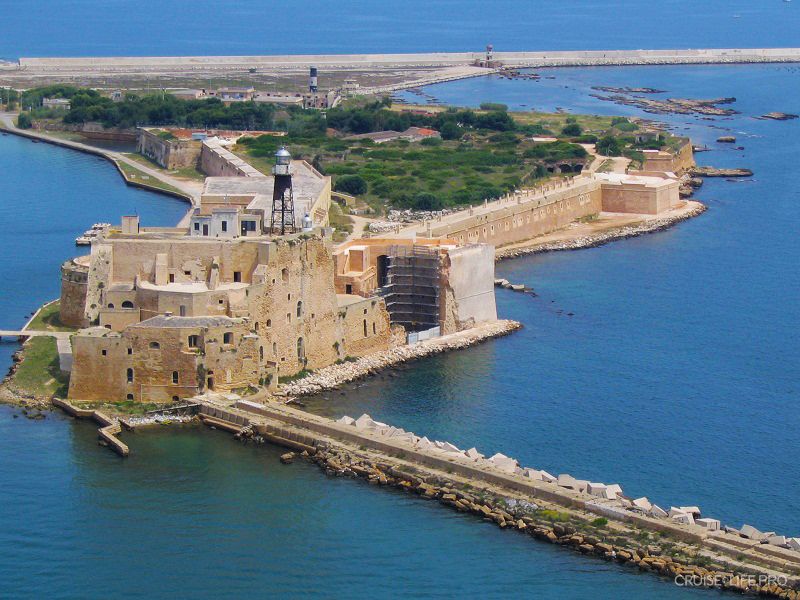
Alfoncino Castle
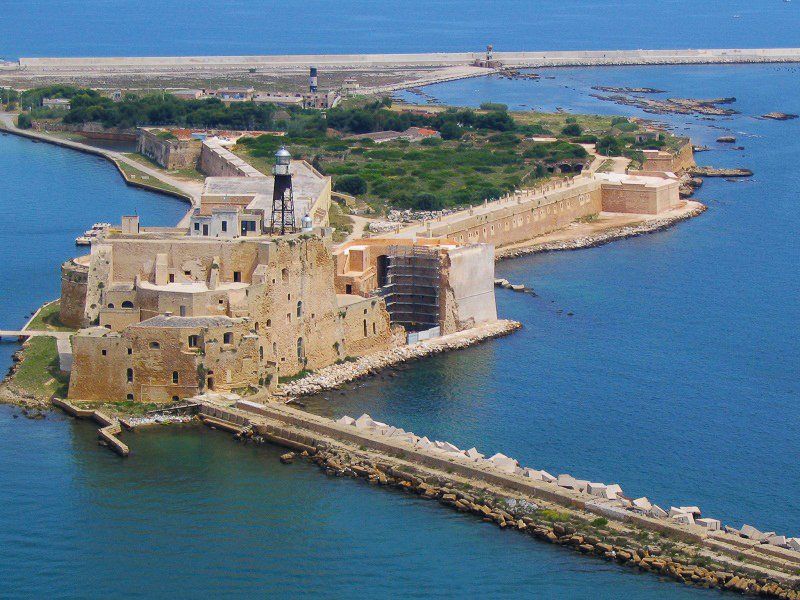
The castle is located on a small island of Sant’Andrea, opposite the entrance to the Pigonati channel Brindisi. The reason for building this castle was the constant danger of attacks on Brindisi from the Ottoman Empire. The tower that became the basis for the castle’s construction was erected by Ferdinand of Aragon in 1481 on a rock, opposite the port. After just 4 years of service of the tower, Ferdinand’s son, Alfonso Count of Calabria, decided to strengthen the city walls thoroughly, by transforming the watchtower into a castle, which became known as the Aragonese or "maritime" one. Later, the castle was expanded again, becoming part of the enormous Fort, whose construction began in 1583 under Philip of Austria.
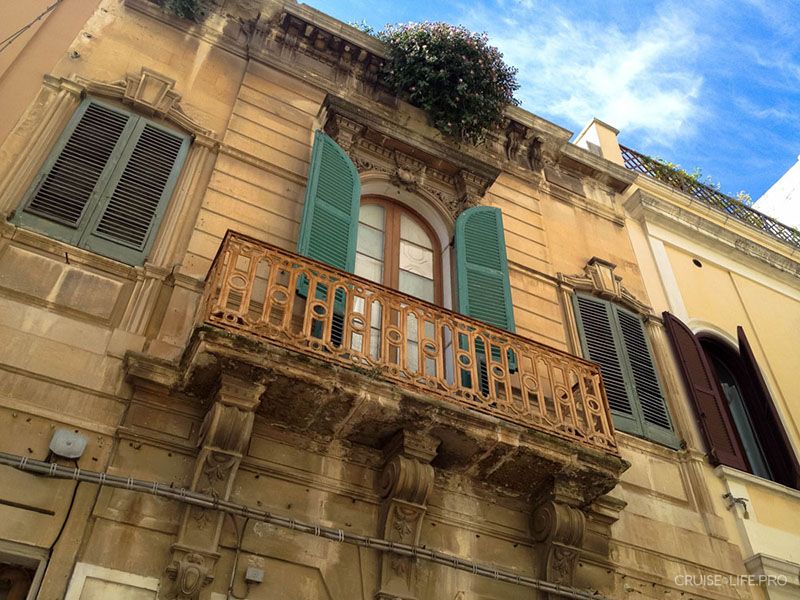
Palaces and mansions
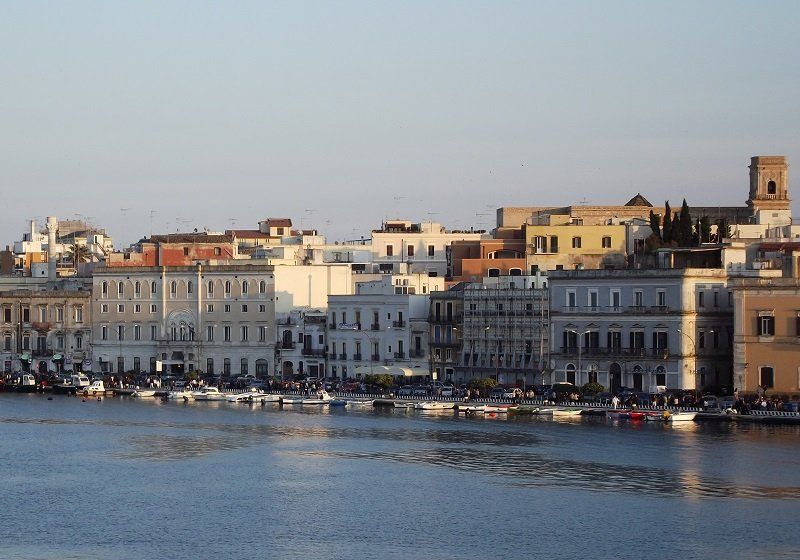
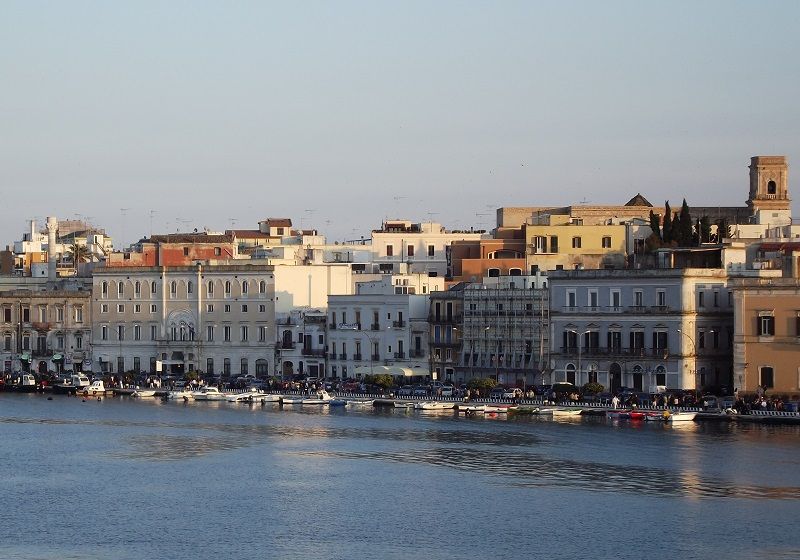
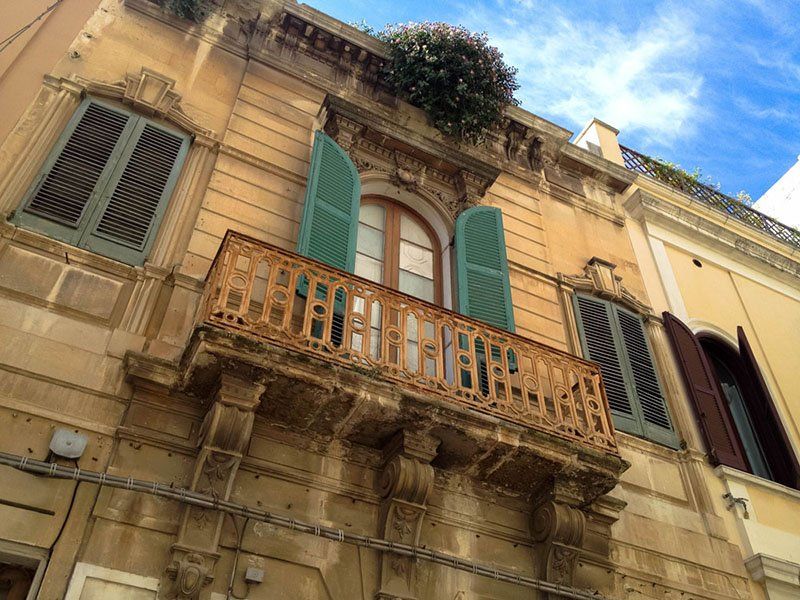
While strolling through the city, you can admire various historical buildings that are part of Brindisi’s history, such as Palazzo Dionisi, built in the Venetian style, the old “International Hotel”, built at the end of the 19th century and which saw its heyday during the period of the “India Trunk”, or the old manor built by the Knights Templar, which is now called “Tourist House” and is used for cultural events. Palazzo Montenegro, built in the sixteenth century, is the most beautiful building in Brindisi, featuring Baroque architecture. As for the Renaissance era, its brightest representative is Palazzo Granfei Nervegnia, built in 1565.
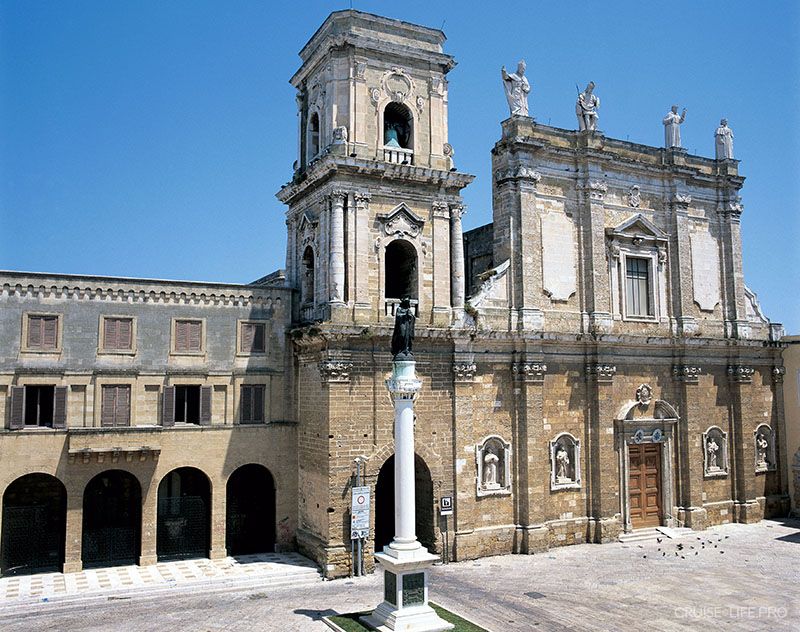
Cathedral
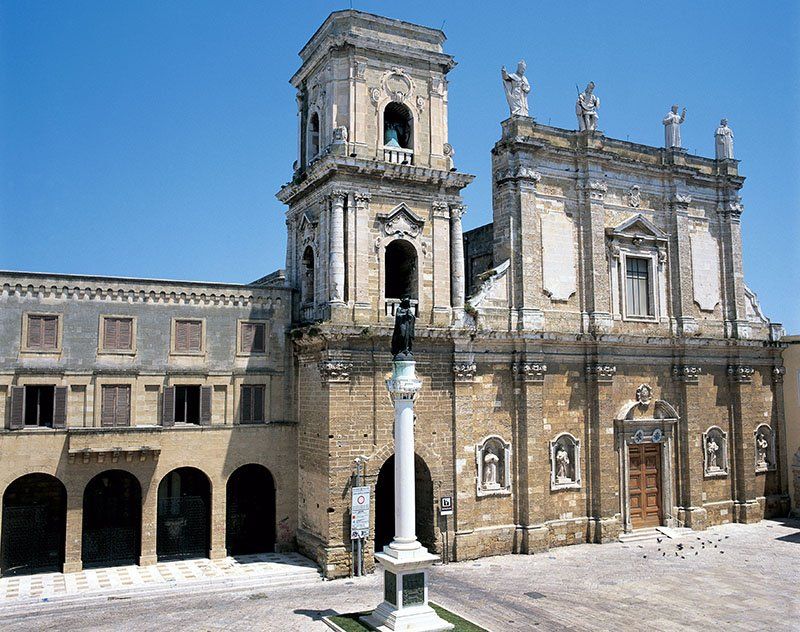
In 1089, Pope Urban II consecrated the Piazza del Duomo, where between 1132 and 1140, by order of Roger II, King of the Normans and of Sicily, Calabria, and Apulia, the Cathedral of Brindisi was built. In 1225, the wedding of King Federico II and Yolanda of Jerusalem was held here. In 1743, the Duomo was destroyed during an earthquake. Its reconstruction was entrusted to the architect Mauro Manieri. Only the foundation, the left nave, four capitals, and fragments of 12th-century mosaics remained of the old cathedral. The cathedral façade underwent changes many times; most recently, in 1957, it was adorned with statues of saints by sculptor Alessandro Fioridègiglio. The cathedral chapel was built between 1780 and 1793; in November 1941, the building was damaged by bombs and was also reconstructed in 1957.
Santa Maria del Casale Church
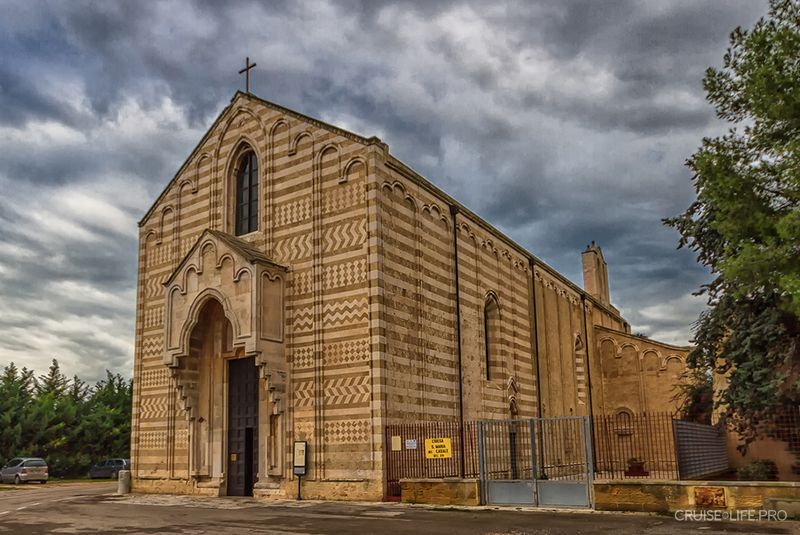
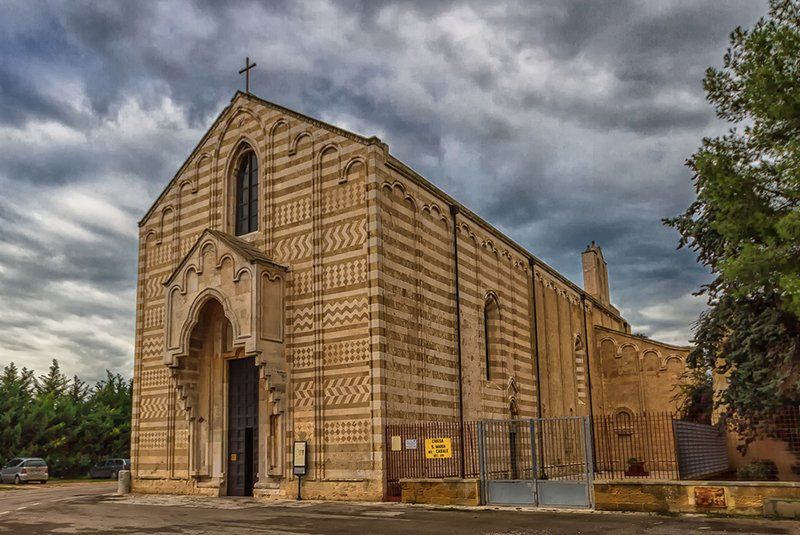
The elegant church of Santa-Maria-del-Casale is located on a street of the same name, near the airport, and is one of the best-known landmarks of Brindisi. Built between 1300 and 1310 by the Prince of Taranto, Filippo Angiò, it illustrates the transition from Romanesque style to Gothic, characterized by alternating elements in the exterior walls, in harmonious geometric compositions of sandstone blocks and grey-golden stone. The interior features a Latin cross and a single nave, adorned with a series of magnificent 14th-century frescoes by Rinaldo of Taranto. In this church, in 1310, under the chairmanship of Pope Clement V, a trial took place that ordered the dissolution of the Order of the Knights Templar, which was abolished in 1312.