Bonifacio, Corsica, France

Port of call

Bonifacio, Corsica, France

Description — Bonifacio, Corsica, France

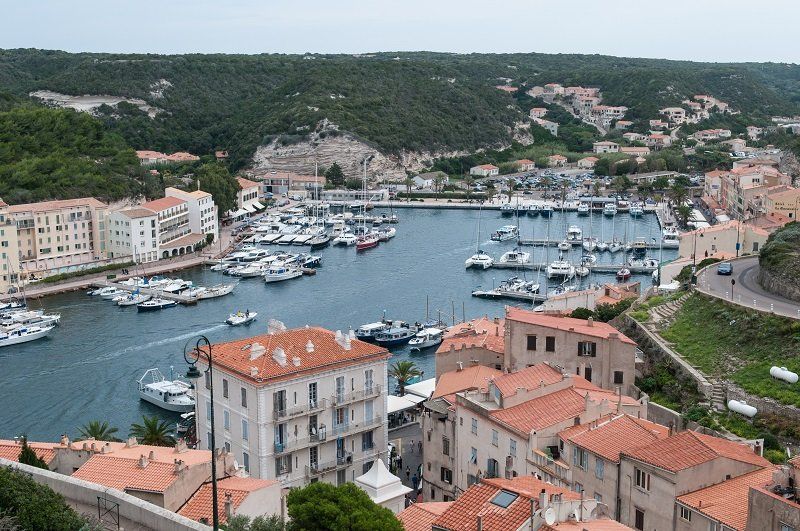
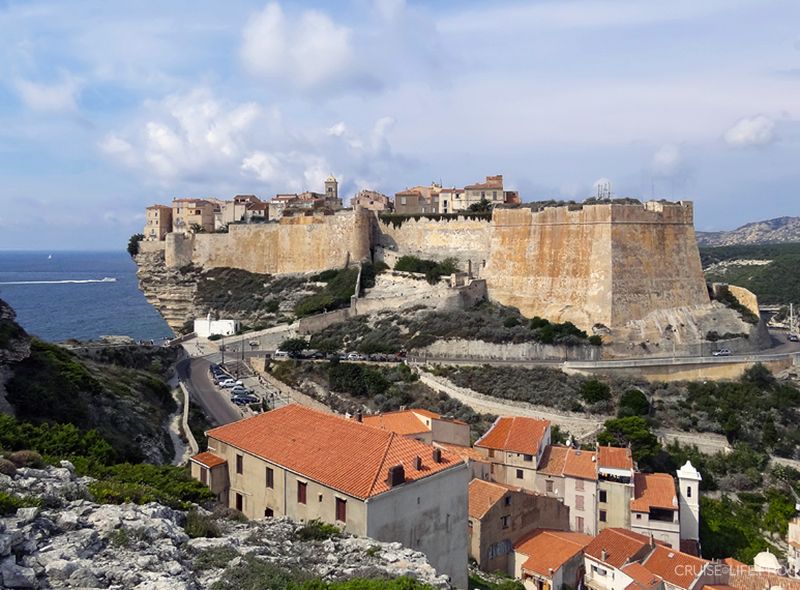
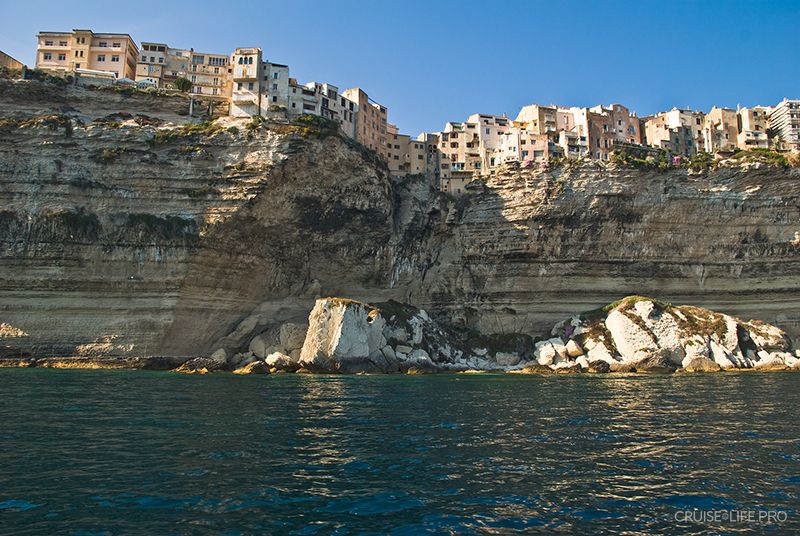
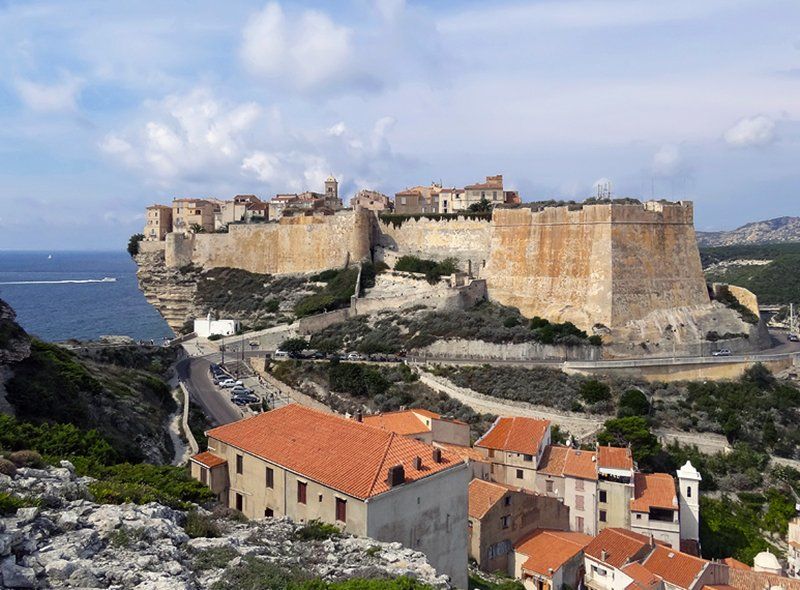
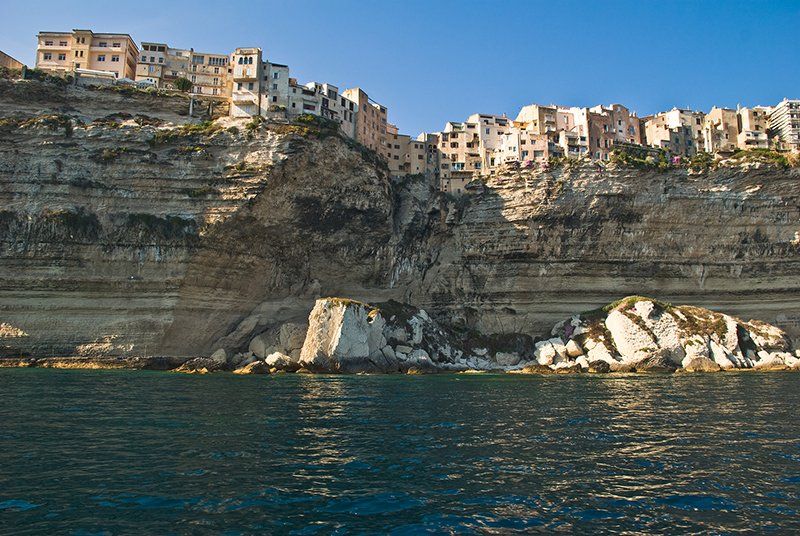
Bonifacio - a city and commune in the south of the island of Corsica, in the French department of South Corsica, on the Mediterranean coast. From the island of Sardinia, it is separated by the eponymous strait. It was built on a long spit and on an almost sheer limestone cliff, with a well-protected, deep and spacious harbor.

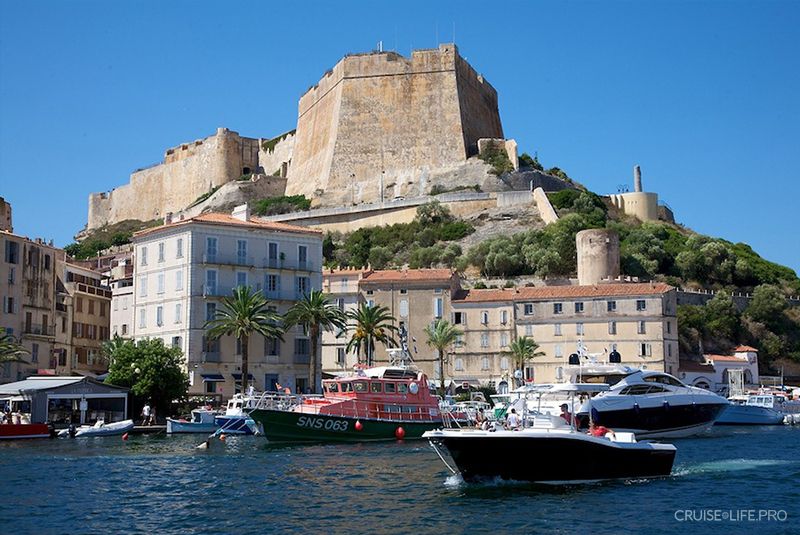
The most popular tourist destination in Corsica. This is due to the abundance of medieval heritage and the powerful limestone cliffs rising above the sea. An ancient legend says that Bonifacio is located at the place where Odysseus is believed to have sailed in. And this place is a cozy, fjord-like bay forming a long rocky promontory called Rastello (Montee Rastello). For this reason, Bonifacio is divided into two parts: Lower Town and Upper Town. The Lower Town is the harbor, the waterfront promenade and the ferry terminal, where ferries from Sardinia arrive (only 12 km away). On the waterfront there is an aquarium where a lone blue lobster swims - the main superstar of the place. Besides it, there are many other fish.

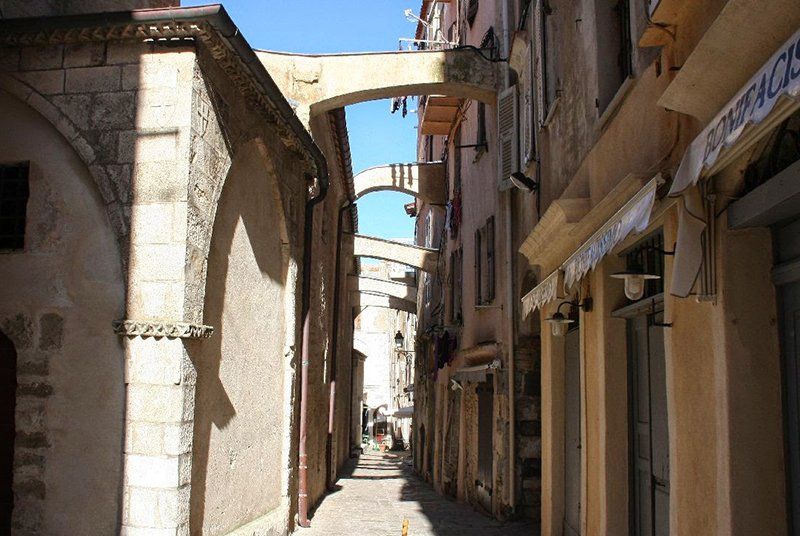
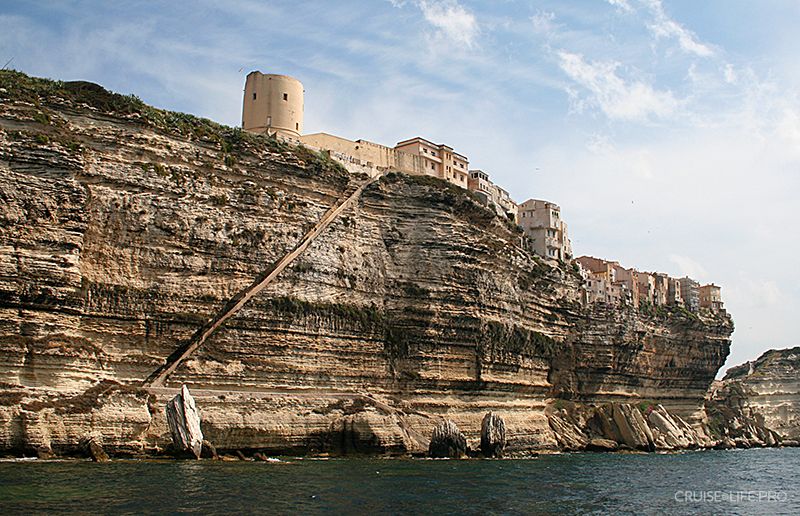
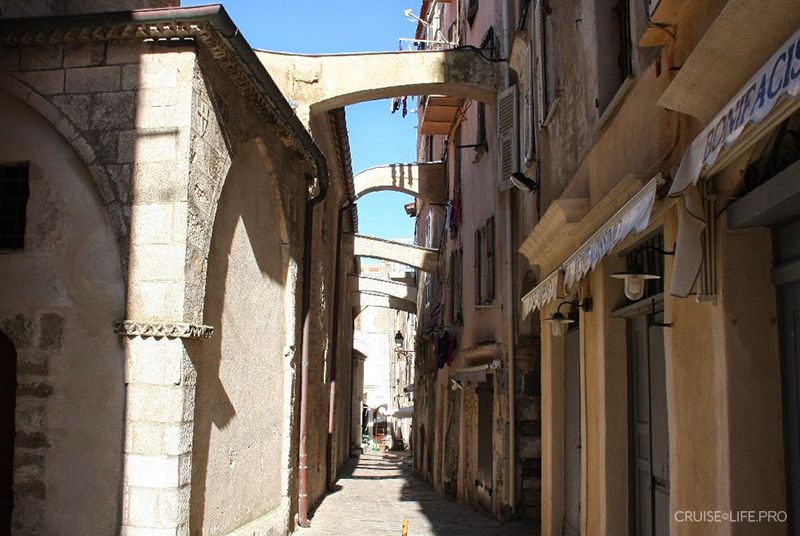
The ancient Fort of Bonifacio, which guards the approaches to Corsica from the south, is protected from all winds by high, almost vertical cliffs. Located high up on the rock, it seems to hover over the world, with its towers catching the clouds. From below, its walls create a feeling of extreme inaccessibility. According to legend, Odysseus once came here, and even in those far-off times Bonifacio looked exactly the way a modern traveler might see it today. Over the millennia, waves have undermined the rocks, and the fort’s walls hang directly over the sea. The small town itself resembles a labyrinth, where streets turn into staircases and cafés hang over the sea with their balconies. Breathtaking views!

Climate

The climate on the Corsican coast is a maritime Mediterranean one. Warm, dry summers, a mild winter, more than 2700 hours of sunshine per year, and a limited number of rainy days. The average annual air temperature is about +20°C, and the sea is +17°C. In summer, the temperature along the coast can reach up to +36°C, whereas in the mountains at an altitude of 1000 m, it may vary from +8°C to +26°C.

Those who want to visit here at the height of the season, in July-August, will have to share the picturesque bays with dozens of other yachts. May and June, on the other hand, are recommended by professionals. And even in October, despite the fact that days get shorter, the water temperature is still like summer, and this time is also perfect for a yacht cruise.

Location on the map

Sights

Urban Citadel

Urban Citadel

The history of the fort’s founding goes back to ancient times. One thing is certain: by the 12th century, a powerful fortress was already standing on Monte-Rastello hill, having survived many unsuccessful assaults. Only in 1554, after nearly half a year of siege, did the French manage to capture this fort-which by then had already become little more than rubble-and then carefully restored it, as they did many houses tucked between the fortress walls, which at that time, in fact, were essentially the city itself. Interestingly, many house-forts were designed so that entry was possible only via special detachable ladders, from the upper floor-so it’s not hard to imagine the difficulties involved in storming such a unique stronghold.
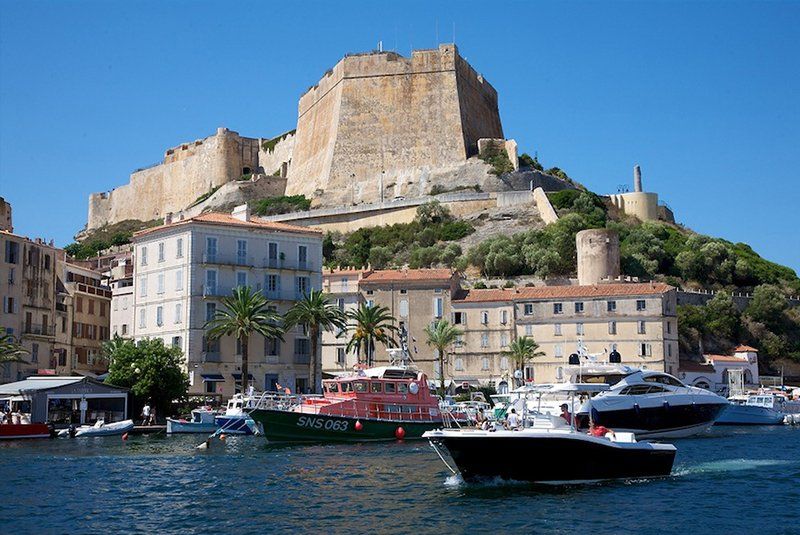
Bastion Etenadar

Bastion Etenadar

Bastion - a preserved fragment of an impregnable fortress, built in the Middle Ages to protect the only sea gate to the island on the side facing Sardinia. In the 16th century, the fortress was taken by Turkish troops in alliance with the French, destroying it, but later they strengthened the remains of the bastion. Today, the memorial to the past of Bonifacio is located here - a museum reconstructing a series of events from the city’s history.
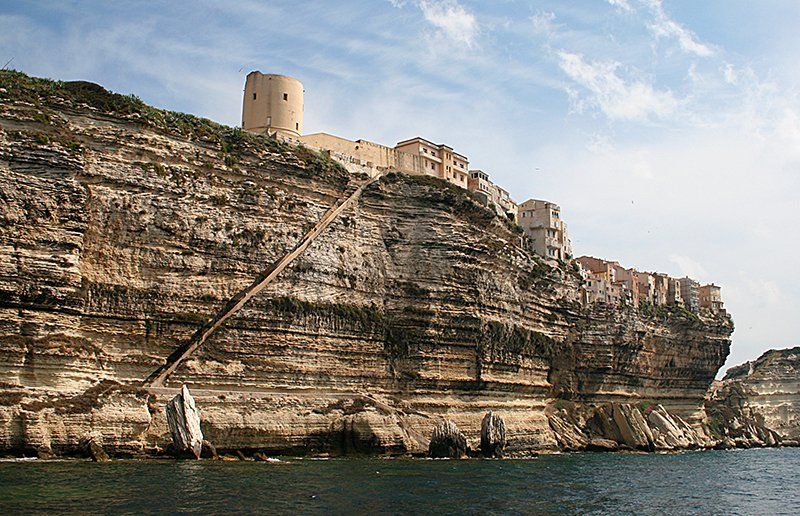
The Stairway of the King of Aragon

The Stairway of the King of Aragon

According to legend, this staircase of 187 steps leading to the cave was carved into the rock in just one night in 1420 during the siege of Bonifacio by the Spanish. The truth, however, is that there is no exact information about who carved it. One version says it was local residents, dying of thirst and wanting to reach a freshwater lake hidden within the rock, while another legend claims that King of Aragon Alfonso V wanted to use it to enter the impregnable city. There is also one more, less heroic account of how the staircase came to be: it is said to have been built by Franciscan monks long before, to gain access to a source of fresh water.
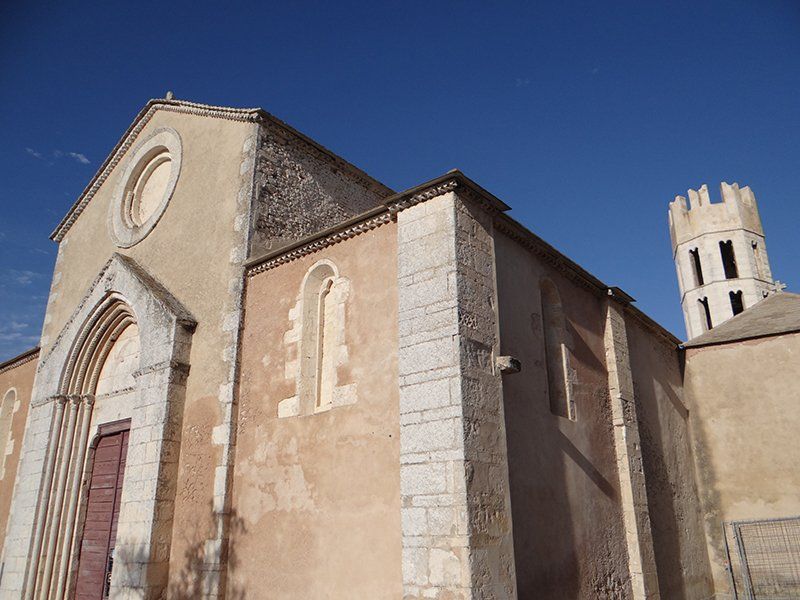
Church of Saint Dominic

Church of Saint Dominic

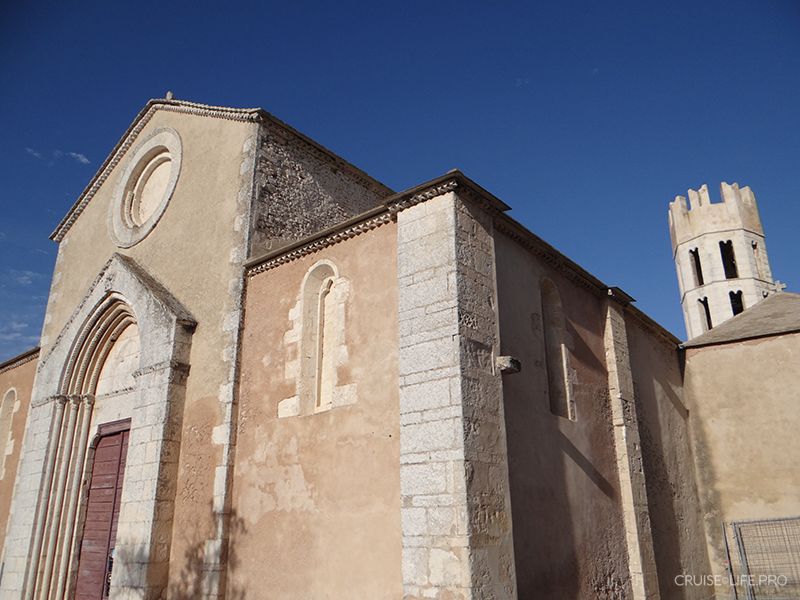
St. Dominic’s Church is the largest church on Corsica and one of the few Gothic structures on the island. The most remarkable part of the 13th-century temple is the octagonal bell tower on a square base, crowned with crenellated walls. The church was part of a Dominican monastery, which no longer exists. Inside, you’ll find an altarpiece from the 18th century made of colored marble and a reliquary from the same period, still used during religious celebrations.
What to see

Lavezzi Islands

Lavezzi Islands

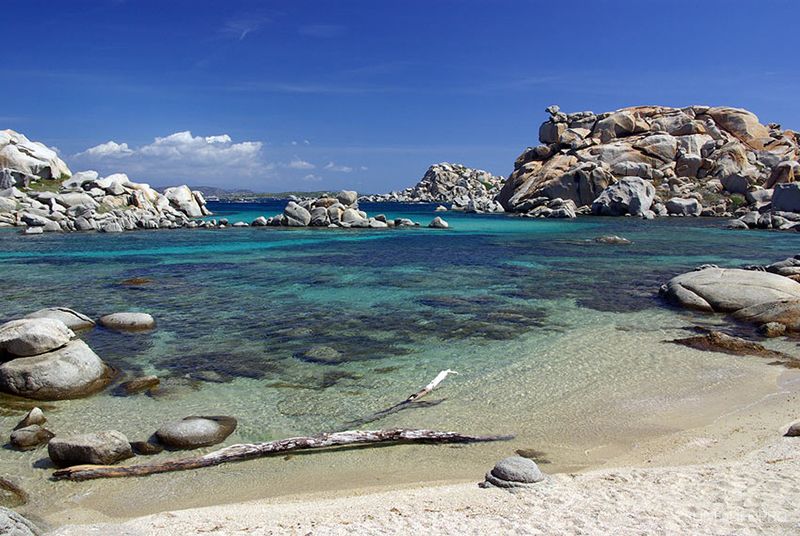
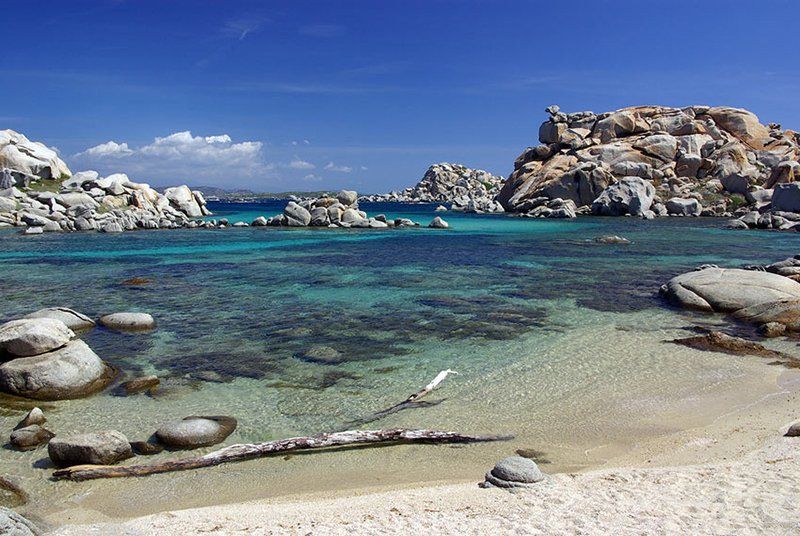
For the turquoise color of the water and a rich underwater world, these 10 granite islands are called the Maldives of the Mediterranean. This is a protected and uninhabited area: cars and bicycles are prohibited, and you may not pick flowers. There is no civilization on the islands, so you need to bring your own food and water. You can get here by boat from the port of Bonifacio in just half an hour. The beaches await travelers 20 minutes on foot from the landing point.

Bonifacio Strait

Bonifacio Strait

The strait that separates Corsica and Sardinia is the premier spot for sea excursions from the port of Bonifacio, lasting from one hour up to a full day. Excursions with swims to the Grotta Sdraonata (Dragon’s Grotto) are popular; its outline resembles the shape of Corsica itself. Sunlight only partially penetrates it, which is why the water takes on amazing shades. From the grotto, you can see the staircase of the King of Aragon and the cliffs on which the city stands. Another popular route is to the protected islands of La Maddalena.

Aquarium

Aquarium

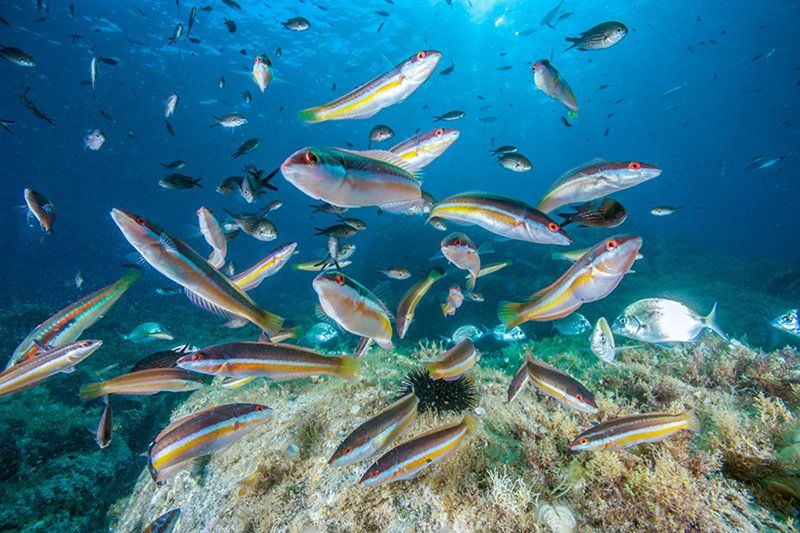
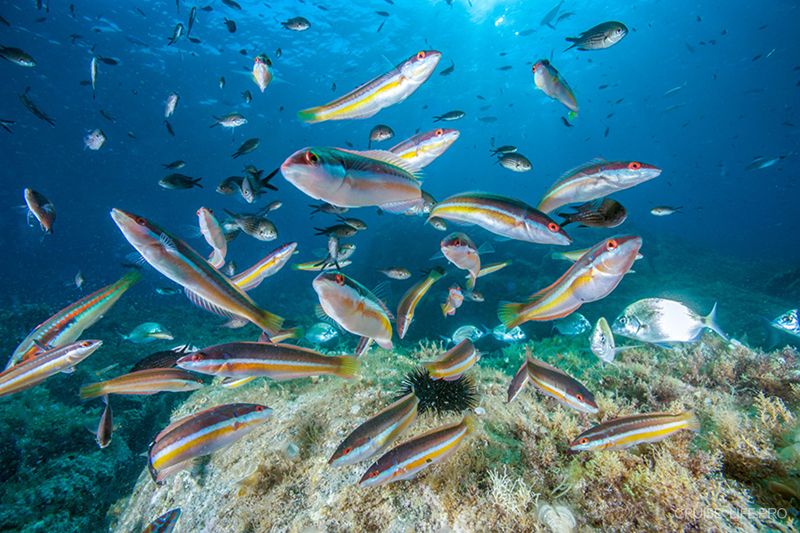
In the port of Marina, in natural cave conditions, the French staged a real aquarium. Here you can see the wonders of the underwater world of the Bonifacio Strait - magnificent corals, including black ones, as well as jellyfish, rays, small fish, colorful swallows, and lots and lots of other marine life.

Recommended excursions

City Sightseeing Tour of the Fortified Town of Bonifacio

City Sightseeing Tour of the Fortified Town of Bonifacio

Excursion to Bonifacio’s main sights: the ancient Citadel and the Aragonese staircase of 187 steps, leading from it straight to the sea. The waterfront of Compratty is especially interesting, as well as the Chapel of Saint Roch church (16th century), located on the hill, the Saint Mary Major church and the Cathedral of Saint Dominic, the Torriòne tower, and the Monastery of Saint Francis.

For a more detailed list of excursions and their prices, you can view them after booking the cruise in your “Client Personal Account”.