Bodrum, Turkey

Port of call

Bodrum, Turkey

Description — Bodrum, Turkey

Bodrum - a district and city in Muğla Province, in the north of the Gulf of Gökova, in the Aegean Sea, opposite the Greek island of Kos, about 300 km west of Antalya. The permanent population is 31 thousand residents.

In ancient times, the site of Bodrum was home to the capital of Caria - the wealthy city of Halicarnassus. The Mausoleum at Halicarnassus was considered one of the Seven Wonders of the World. Alas, in the Middle Ages, the wonder was destroyed by earthquakes, and today only the remains can be seen in the British Museum in London. Nevertheless, in Bodrum, some of the glorious ancient heritage has survived, and centuries-old evidence of ancient civilizations peacefully coexists here with fashion and modernity.

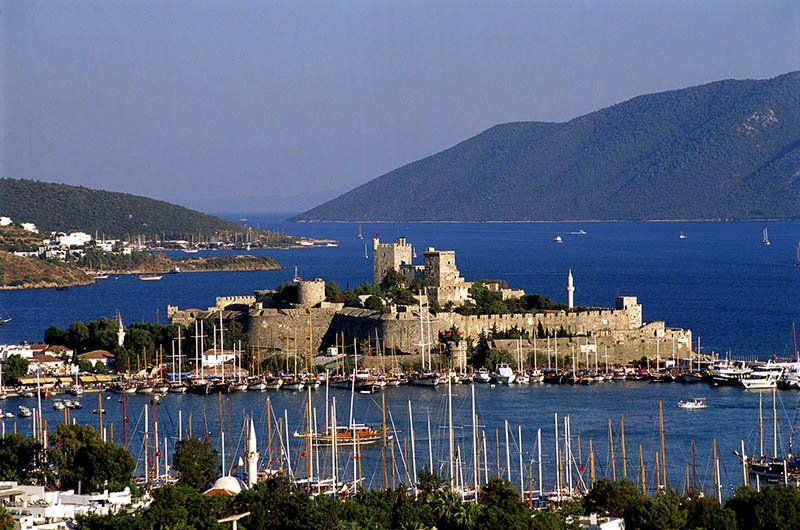
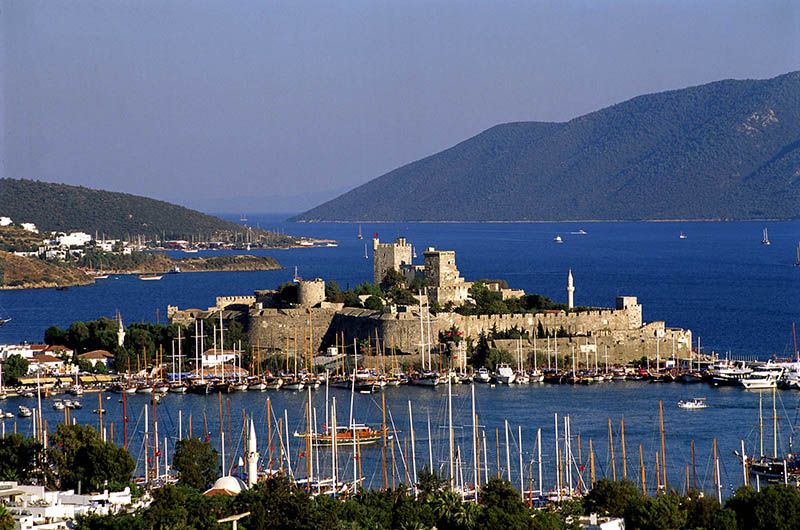
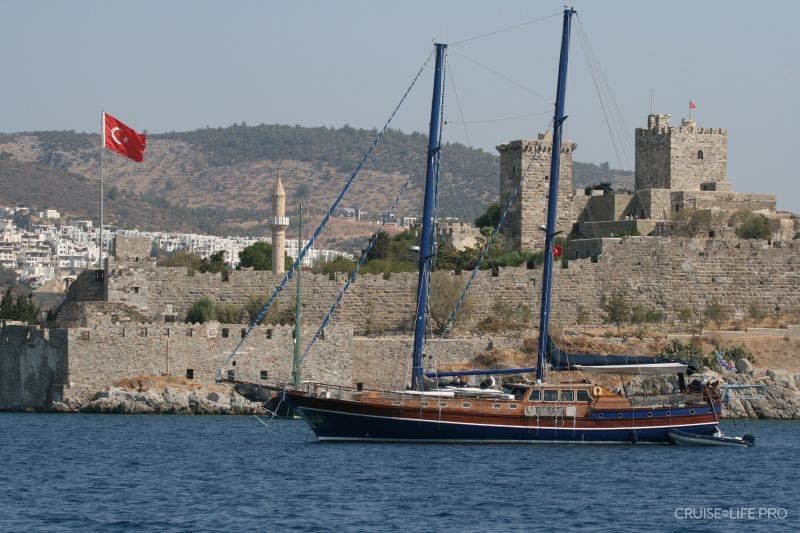
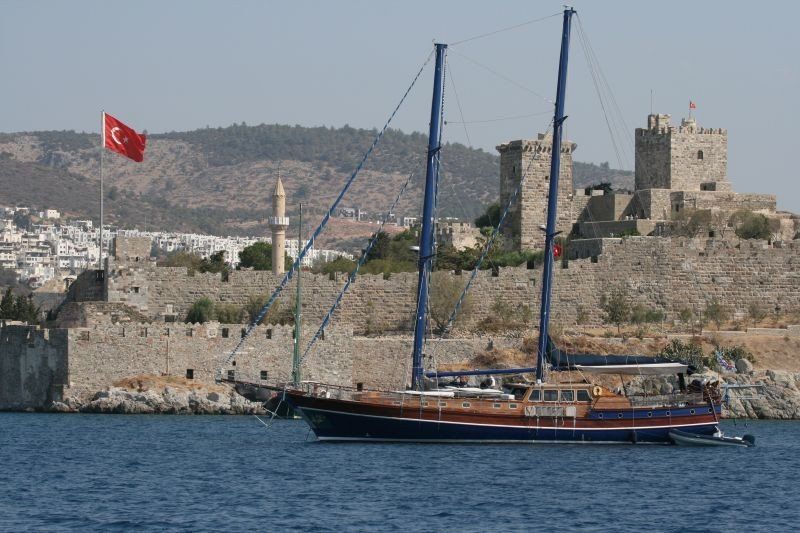
Modern-day Bodrum dates its history back to 1402, when the Knights Hospitaller of Rhodes founded the Castle of Saint Peter (Latin: Petronium) here, which remains the main attraction to this day. In 1522, the castle passed into the hands of Sultan Suleiman the Magnificent. Today, the Uluburun hoard is exhibited there.

In recent decades, the Turkish government has decided to develop Bodrum as an international resort. Tourists are drawn here not only by scenic spots, but also by convenient yacht mooring together with an active nightlife. English-speaking tourists jokingly dubbed Bodrum the “bedroom of Europe” (a wordplay in English - Bodrum and bedroom).

Bodrum consists of two parts. The eastern half has a long, narrow but convenient beach, artificially created to develop tourism. Behind the beach, all kinds of bars, restaurants, and clubs line up. Life in the second half, the calmer western side, is centered around the marina and the yacht club. Here you’ll find more upscale supermarkets and restaurants. Thanks to frequent winds, this resort is also a great place for surfing enthusiasts and other water sports.

Climate

Bodrum is not as hot as Antalya or Alanya. But that’s only a plus for northern peoples, who find it difficult to tolerate intense heat. In the warmest months (July-August), temperatures usually do not exceed +30 °C. It should also be noted that the resort area is quite windy. Water temperature ranges from 22 to 24 °C.

Autumn is not much different from summer in terms of temperature. The average temperature is +25-26 °C. Only in November does the temperature drop to +17-18 °C. Water temperature in September-October is 24-23 °C, and in November it falls to 20 °C. In Bodrum, summer is close to autumn, and winter is close to spring. In winter and spring, the temperature is similar. One could say that the temperature from December to May (not including) varies from +13 to +18 °C. In May, the temperature approaches summer and averages +24 °C.

Location on the map

Sights

Saint Peter’s Castle

Saint Peter’s Castle

St. Peter's Castle is one of the main historical attractions in Bodrum, Turkey. It was built in the 15th century from beautiful green granite brought from the western part of the city. In ancient times, about 150 foot soldiers and 50 knights were stationed here, tasked with defending the city against the Turks. The fortress has thick double walls and several towers named the English, French, German, and Italian towers. The walls of St. Peter's Castle are adorned with evergreen climbing plants, as well as knights' coats of arms and many flowers. Officially, the castle became a museum in 1960. You can reach it via a long suspended bridge made of wood. Inside the fortress, there is a wonderful display of sarcophagi and an interesting museum.
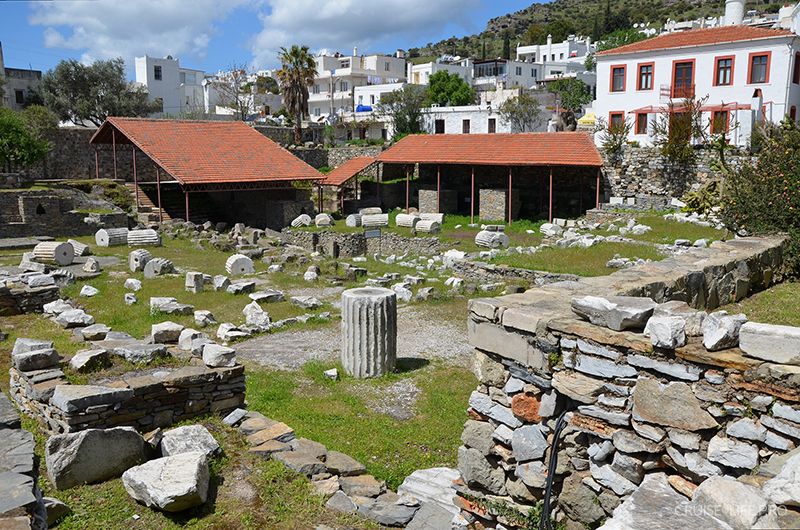
Mausolus’ Tomb

Mausolus’ Tomb

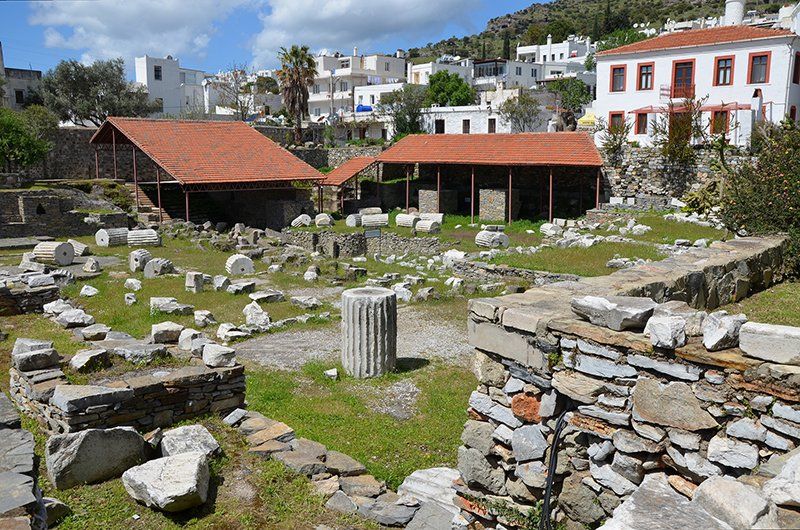
The first Mausoleum, in capital letters, is located in Bodrum (in ancient times - Halicarnassus). To avoid disappointment with the modern condition of one of the Wonders of the World, after entering, go into the room on the left; there you will find a scaled-down copy of the mausoleum in a glass case with lighting. Only after realizing the grandeur of the ancient project and watching a video on a large screen about the history of Bodrum can you proceed to the tomb itself. The ruler of Caria, Mausolus, took a philosophical view of worldly existence and began building his afterlife dwelling while he was still alive. His sister, Artemisia (she was also, according to tradition, his wife), completed the mausoleum.
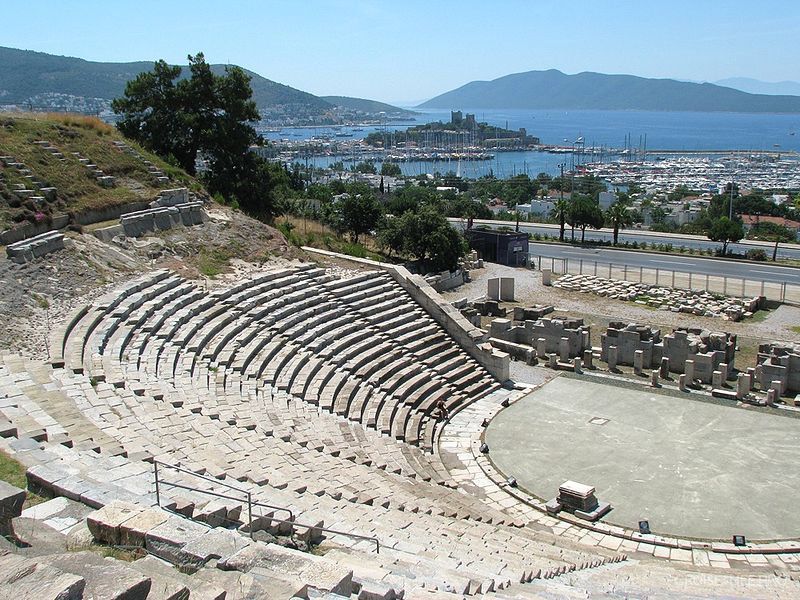
Amphitheater

Amphitheater

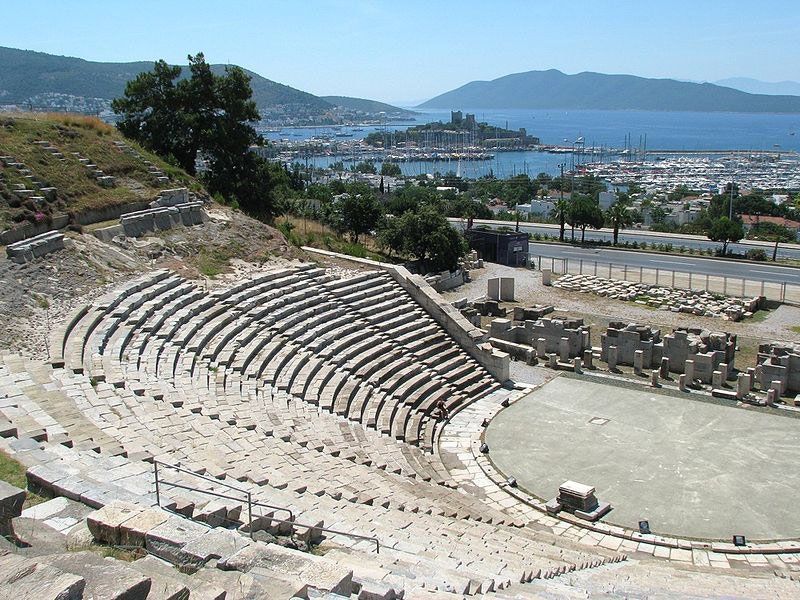
One of the main attractions in Bodrum is the Hellenistic amphitheater, built in 330 AD. It was designed to seat 13,000 visitors. The theater’s steps were carved directly into the hillside and faced with marble. The lower rows have survived best, while the upper ones were badly damaged by the forces of nature and by humans. In 1973, the amphitheater became an open-air museum after archaeological excavations were carried out on its grounds. Recently, the companies “Ericsson” and “Turkcell” completed their major joint project to restore this unique historical landmark, which was started under the guidance of the Museum of Underwater Archaeology in 2000.
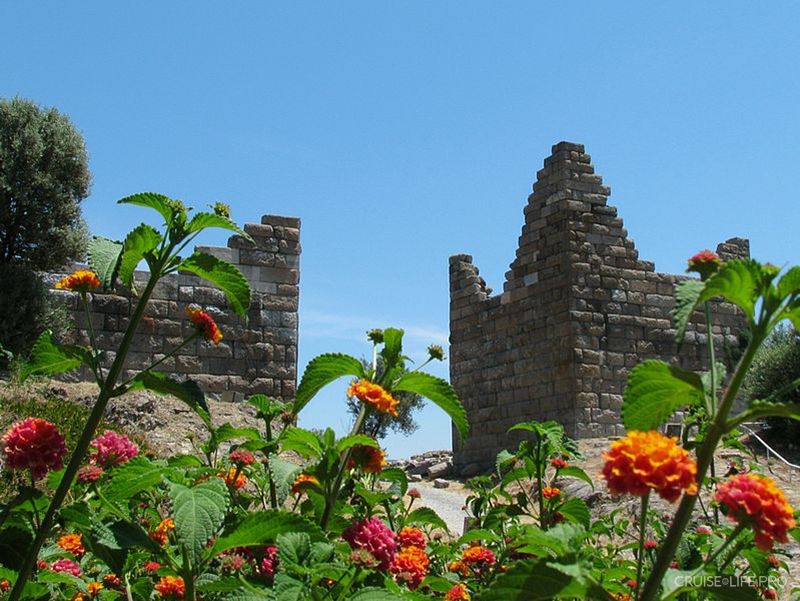
Mindos Gate

Mindos Gate

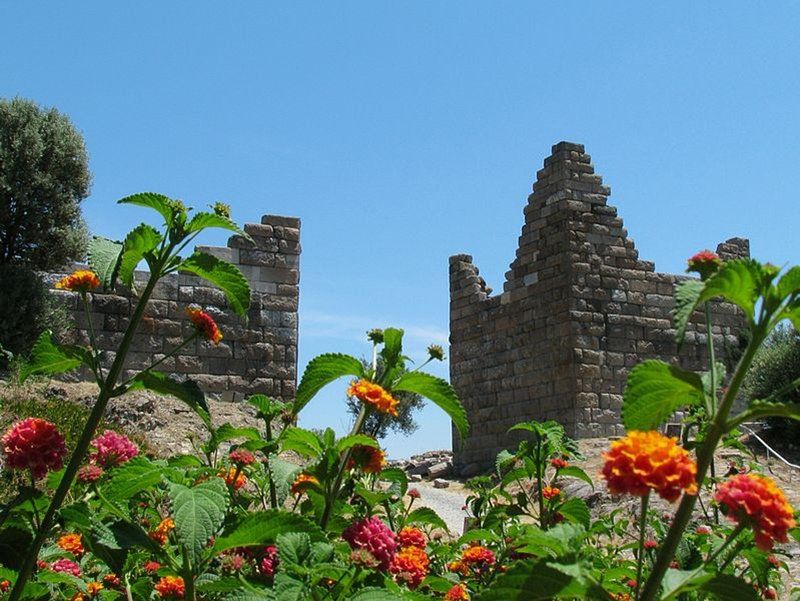
The Gate of Mindos is one of the city’s main attractions. Previously, they served as a fortress and were used to enter the city from the west. In ancient times, the gate had three towers, in front of which there was a 15-meter-deep moat. Once, Alexander the Great attempted to break through them; during the capture of Bodrum, the city’s residents were unable to defend themselves-the commander’s army broke through the fortification and swept away almost everything in its path. During excavations near the gate, the burial sites of Greeks and Romans were discovered. Unfortunately, today the gate is in a rather poor condition; however, local authorities, concerned about the state of this historic landmark, have begun restoration work.
What to see

Underwater Archaeology Museum

Underwater Archaeology Museum

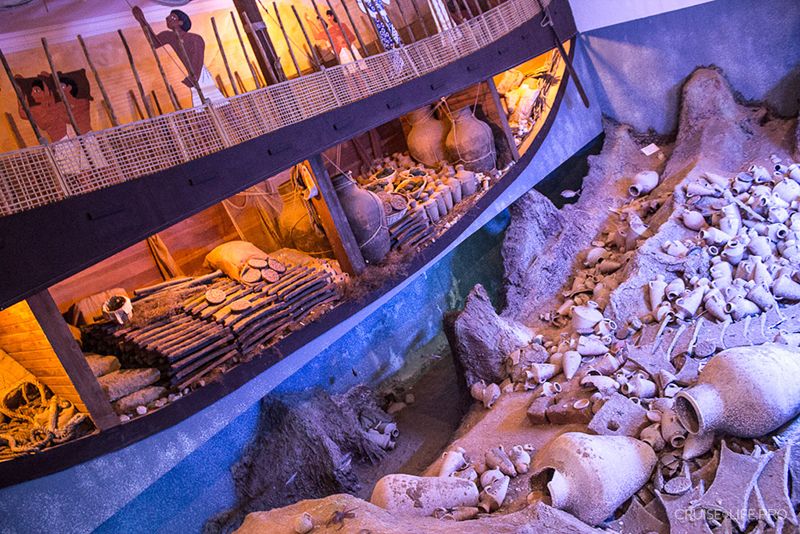
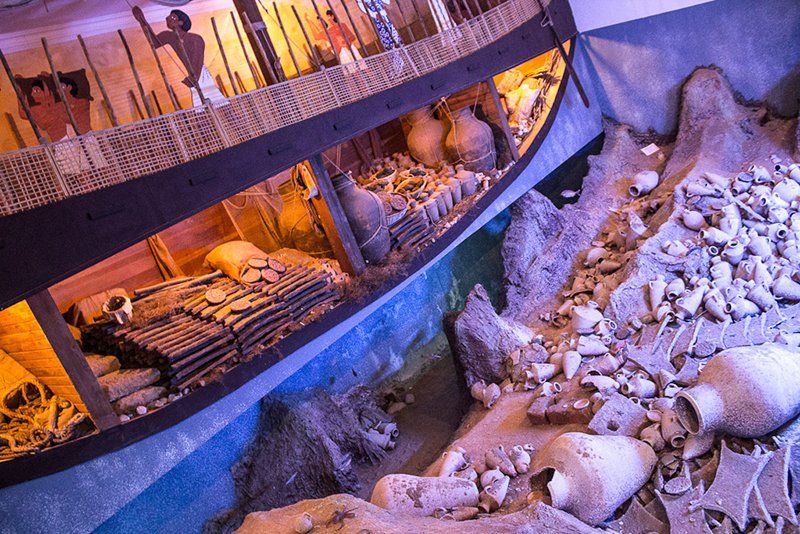
In the Castle of Saint Peter, a unique Museum of Underwater Archaeology has been opened. It displays artifacts discovered during dives to sites of ancient shipwrecks. The first collection, exhibited in the Knights’ Hall, consisted of underwater finds made by divers Peter Trockmorton, Mustafa Kapkin, and Honor Frost in 1958. For the ship model found off Cape Ulu-Burun near the city of Kaş, a separate hall is even dedicated. The 15-meter Phoenician ship with a carrying capacity of 20 tons sailed from the island of Cyprus to Egypt. In the shipwreck, which occurred more than three thousand years ago, merchants suffered enormous losses for that time: 354 ingots of copper weighing 10 tons, 1 ton of tin, and 175 ingots of glass. In total, the divers found 18,000 items.

Beaches near the city

Beaches near the city

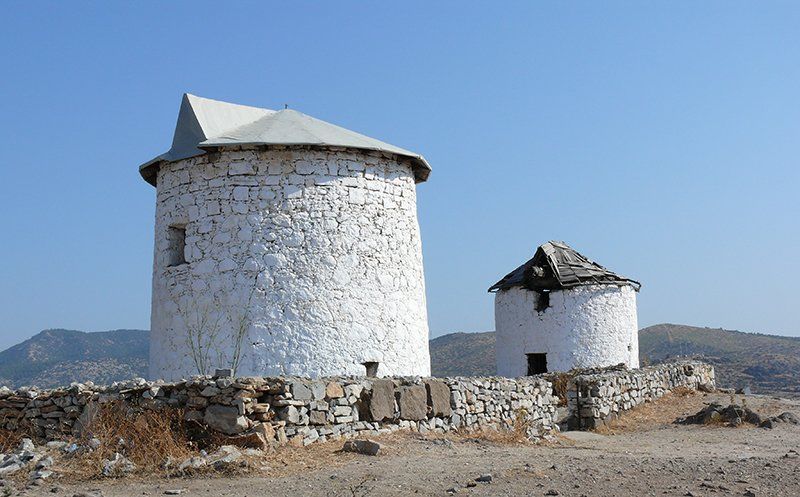
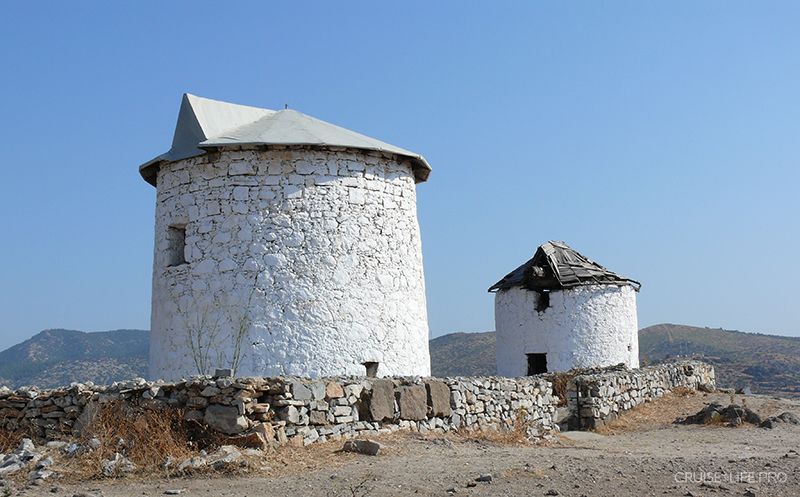
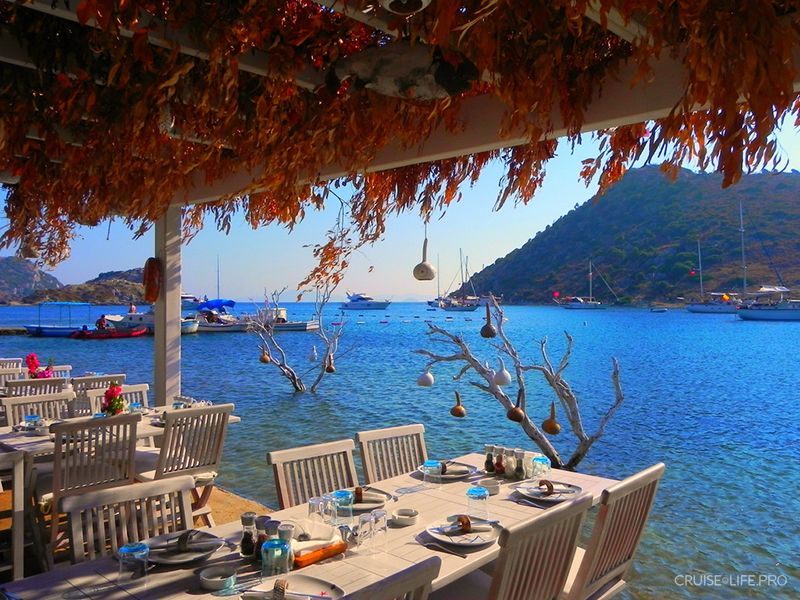
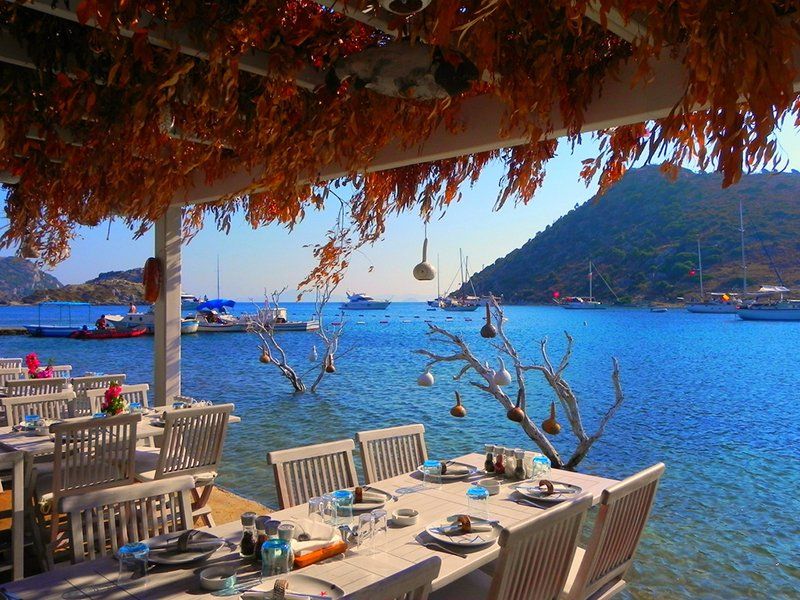
The coastline that borders the city is, in most cases, much more interesting than the unmistakably tourist-oriented Bodrum. These are dry valleys and green pine forests, half-ruined Greek churches, windmills, and old stone mansions, castles and extensive oases along the riverbanks. A little exotic flavor comes from the ever-present white "gyumbet" domes (water storage cisterns) and camel caravans. Here you can find many of the cleanest beaches, often far more pleasant than Bodrum’s constantly overcrowded tourist beaches. The best of them are those holding the "Blue Flag" for ecological cleanliness: Bites (Bitez), Ortakent (Ortakent), and Gümüşlük (Gumusluk, the ancient Mindos), where a chain of fish restaurants stretches along the sandy shore.

Recommended excursions

Guided Tour of Bodrum

Guided Tour of Bodrum

Once, long before the birth of Christ, Halicarnassus (this is what Bodrum was called at the time) was a great city. The memory of those days is preserved in the walls of the classical ancient theatre, which could accommodate 13,000 people. A little later, a city wall was built, from which tall Mindos Gate still remains (named after the city to which these gates led). During a bus-and-walking tour around the city, tourists will see these sights, as well as the 15th-century St. Peter’s Fortress. And of course, an incomparable pleasure will be a stroll through the picturesque streets of the Old Town, along the quay with its many cafés, small restaurants, and shops.

Didim - Miletus - Priene

Didim - Miletus - Priene

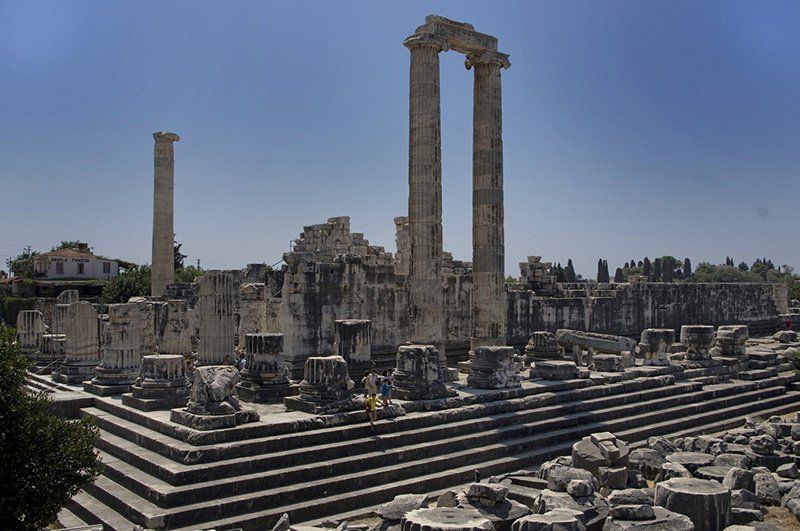
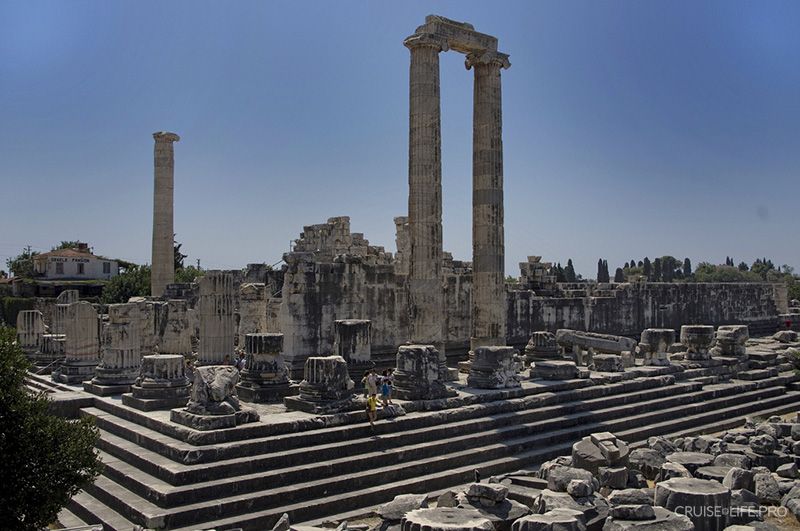
Priene (modern Güllelbahçe) was founded around 330 BC and is a wonderful example of urban planning. Miletus (480 BC) is famous for its largest market square from the ancient period, the Baths of Faustina and the Archaeological Museum. The magnificent Temple of Apollo at Didyma, dating to the 1st century BC, was designed to be a worthy counterpart to the Temple of Artemis in Ephesus (since these Olympian deities were brother and sister). However, the builders’ ambitions went so far (the temple was to have 120 marble columns, 20 m high and 2.3 m in diameter) that, even after two centuries, it still could not be completed. And then Christianity pushed Apollo’s devotees out of these places, and an earthquake in the 15th century destroyed the ancient Greek “long-build.” To this day, majestic snow-white ruins and some sculptural decorations have survived, such as the magnificent head of Medusa the Gorgon.

For a more detailed list of excursions and their prices, you can view them after booking the cruise in your “Client Personal Account”.