Hanseatic Embankment
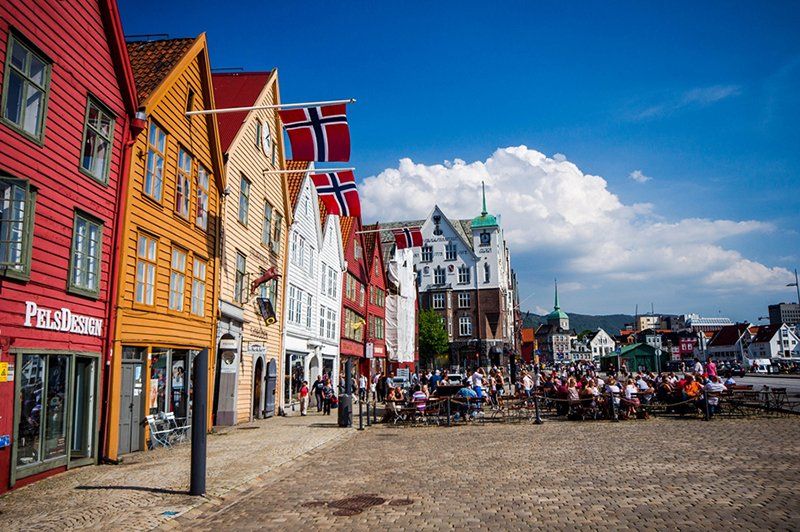
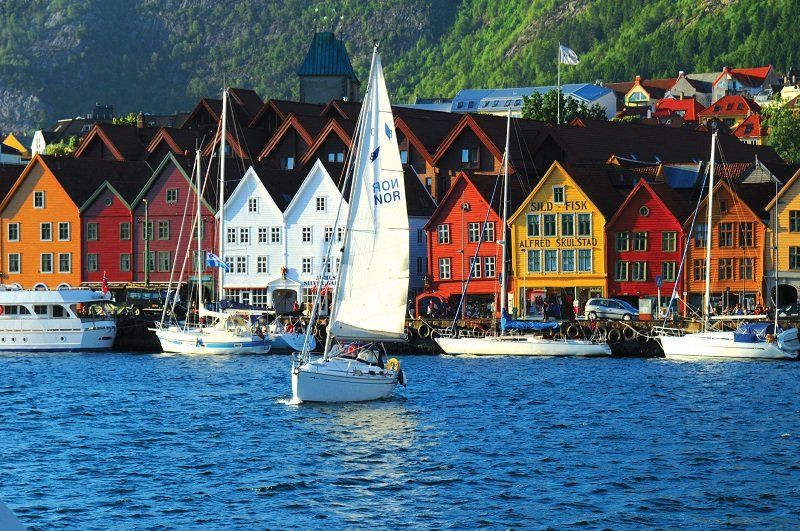
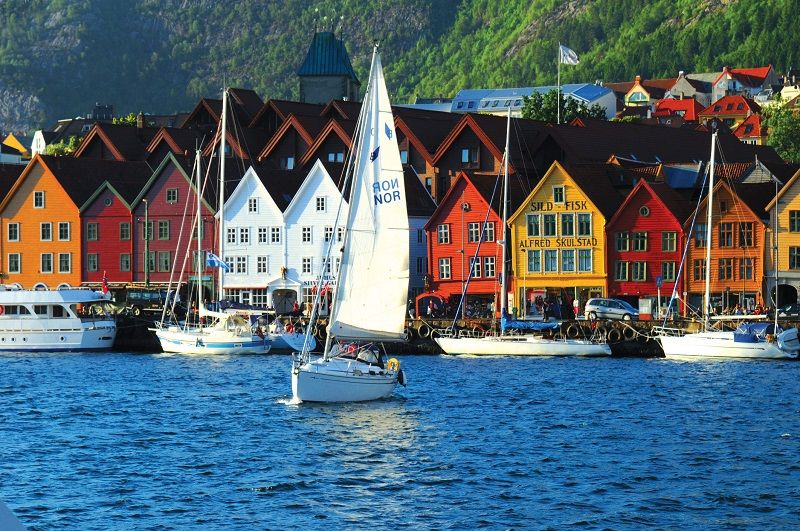
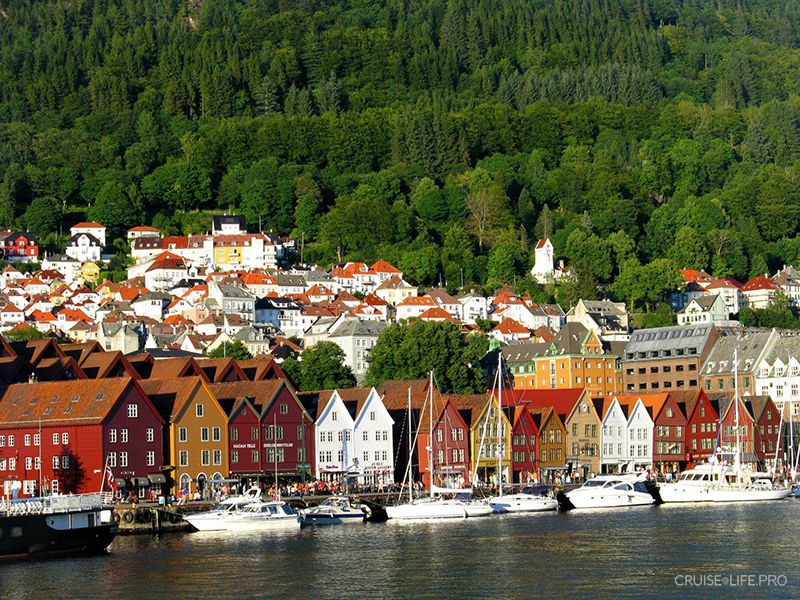
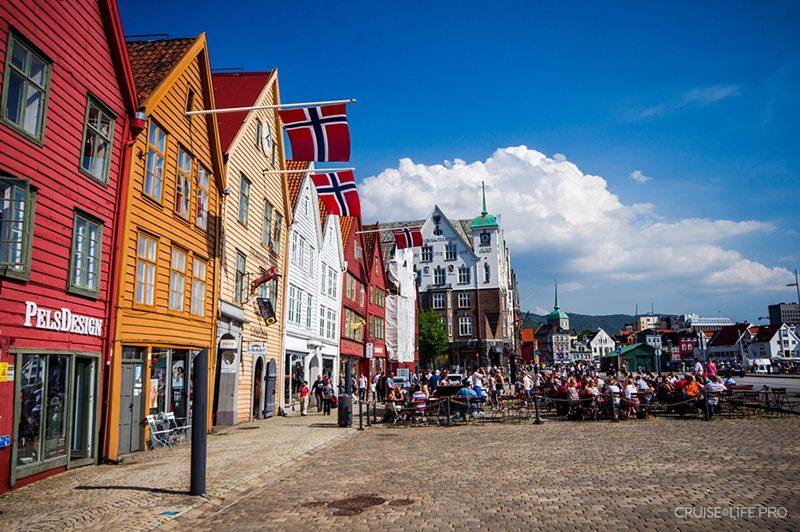
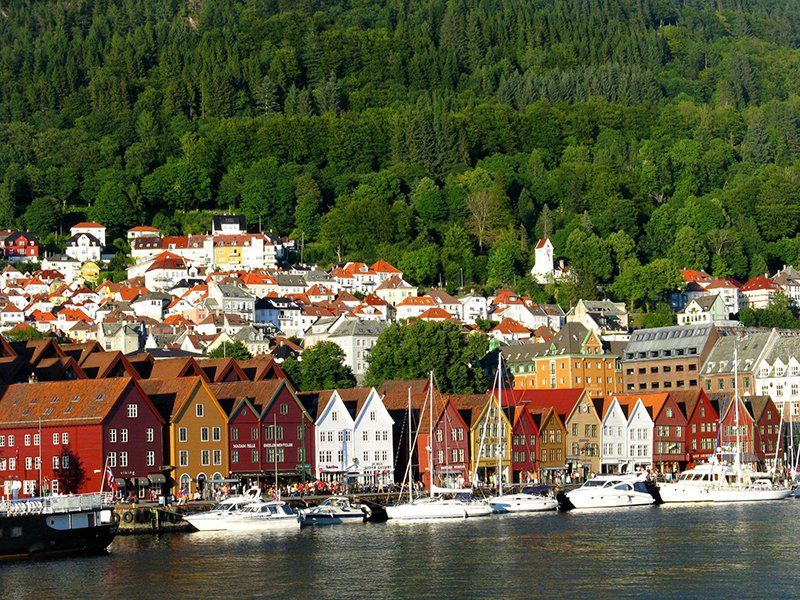
The main attraction of Bergen, which also made it famous worldwide thanks to the UNESCO World Heritage List, is the Hanseatic quarter of Bryggen, known also as the German Wharf and featuring 61 old wooden houses of every color of the rainbow in the very center of the city. In fact, only a quarter of the buildings date back to 1702 - the rest, suffering from numerous fires, were rebuilt or restored much later, although some stone basements of the buildings are dated to the 15th century. Bright wooden buildings line the bay in a steady row and are the most beloved place for walks, for both tourists and city residents. Along the waterfront there are souvenir workshops and shops.
Hawkins Hall
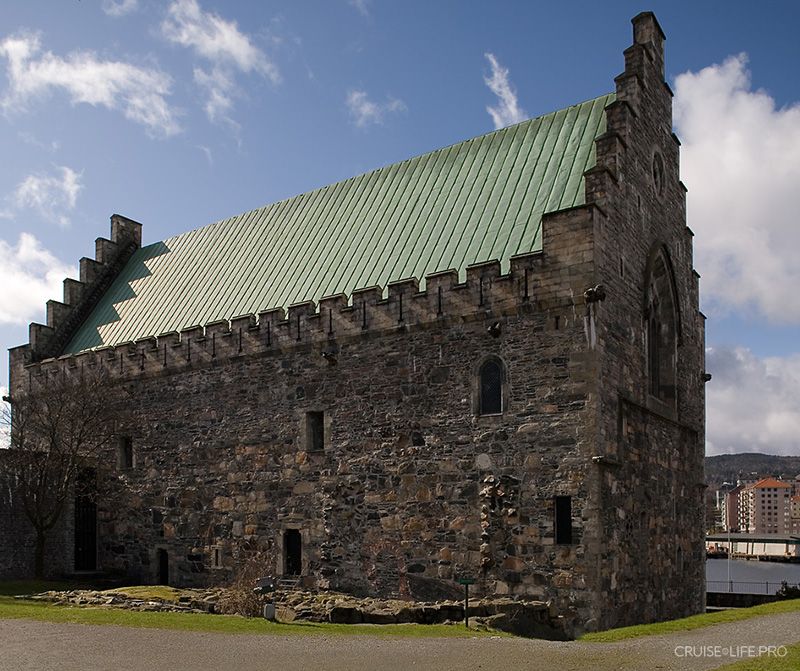
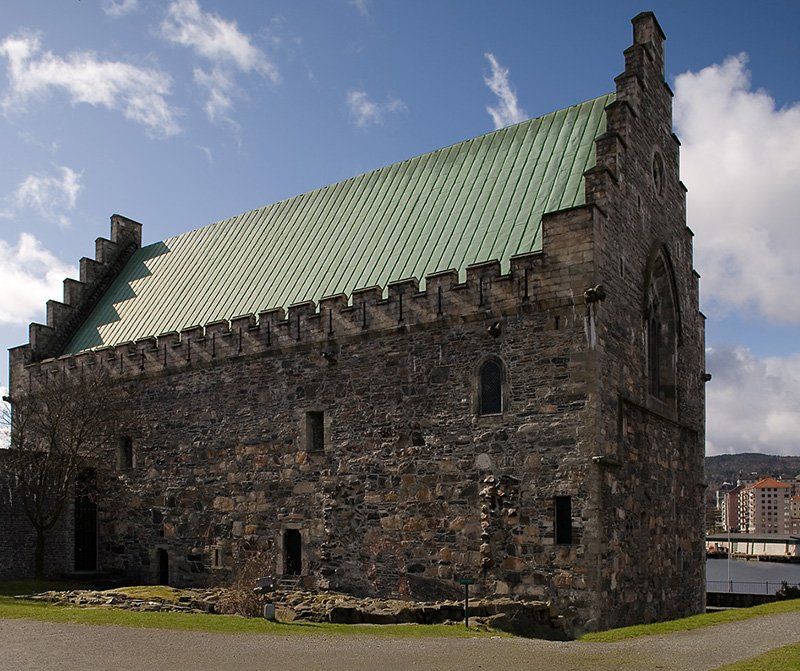
This castle was built by King Håkon Håkonsson as his own residence, featuring a particularly impressive banquet hall. When the royal heir, Magnus Håkonsson Lagabøte, married the Danish princess Ingeborg in 1261, two thousand guests were invited to the feast. At that time, Bergen was the largest and most important city in the whole country, and Håkon’s Hall was the venue for the major events. During World War II, the castle suffered heavily, and the romantic paintings on the walls and vaults were lost forever. But even now, echoes of medieval celebrations still wander behind the thick stone walls. As a national monument, Håkon’s Hall is still sometimes used for official ceremonies.
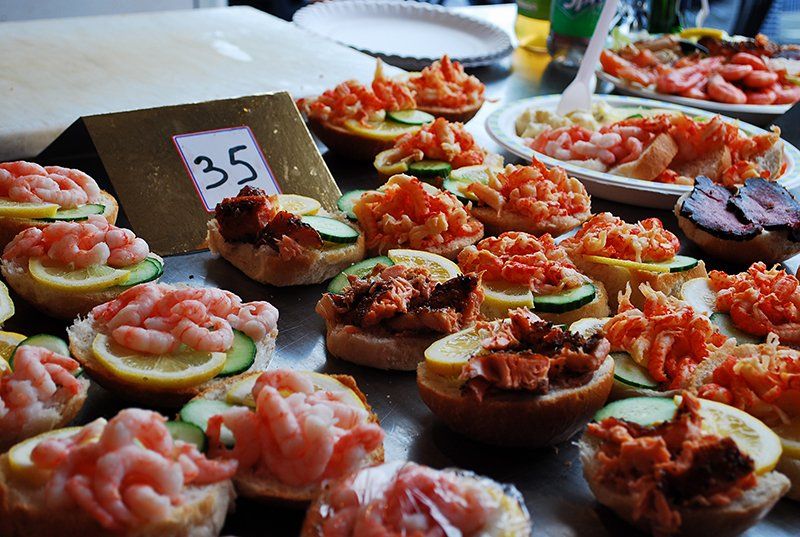
Fish Market
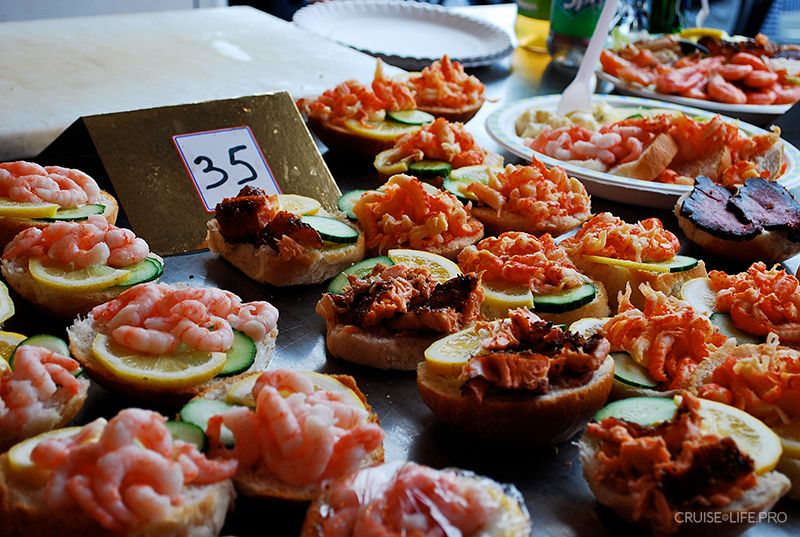
The Bergen Fish Market is meant more for eating than for shopping. Of course, you can just pick up some fish to take home, but it’s expensive here, and cured salmon or frozen shrimp are available in all the shops around the city. What you can find here, though, are the main local specialties. First of all, it’s the famous Scandinavian cream soup with salmon: they cook it in huge pots that have “Fish soup” written in chalk in English right on them. Then come the mussel shells, which are fried in woks. And finally, pieces of all kinds of fillet, tentacles, and claws, which are grilled on an open flame on a griddle. This is exactly what you should eat at the fish market to get closer to the authentic experience of Norwegian seafood cuisine.
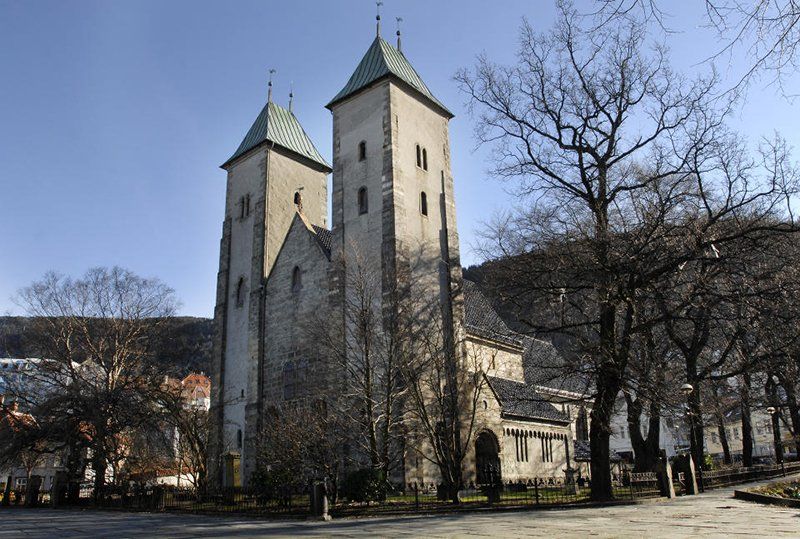
St. Mary’s Church
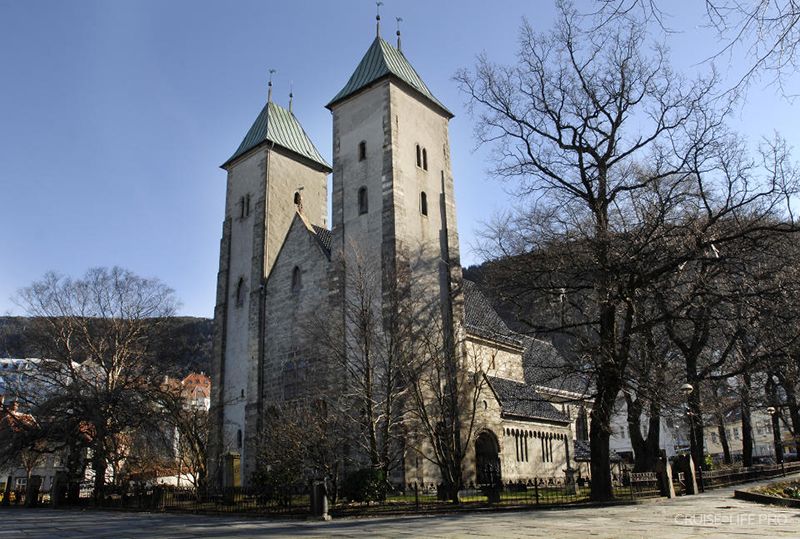
This is the oldest church in Bergen and, what’s more, the oldest building in the present-day city. Fires struck it only twice: in 1198 and in 1248. Founded in 1180, the church was built using 5 varieties of soapstone, and its appearance features clear Romanesque traits, so typical of Bergen architecture of the 12th century.