
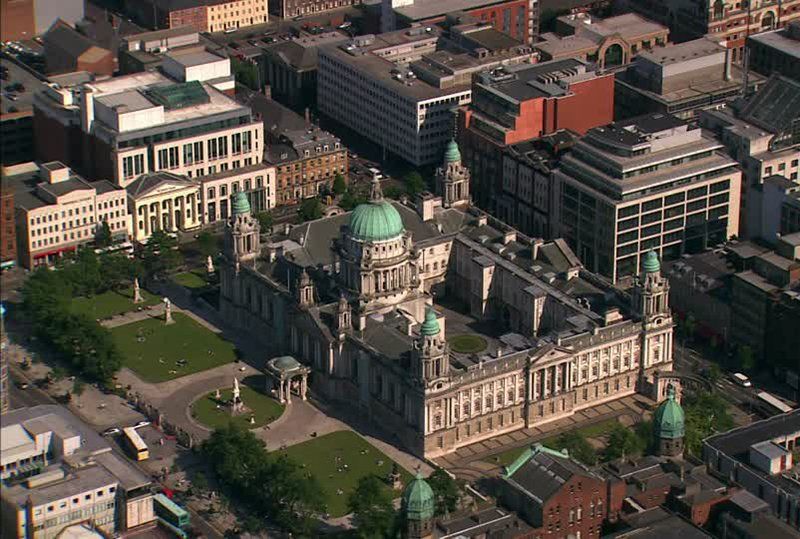
Donegall Square
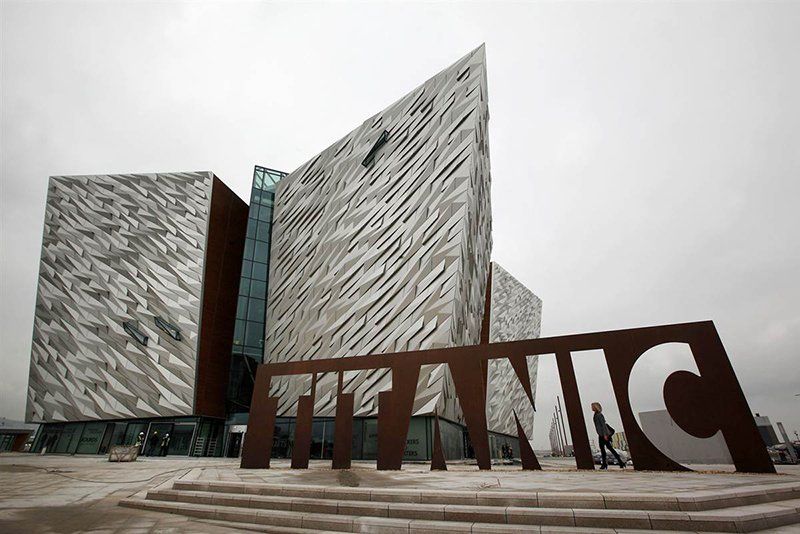
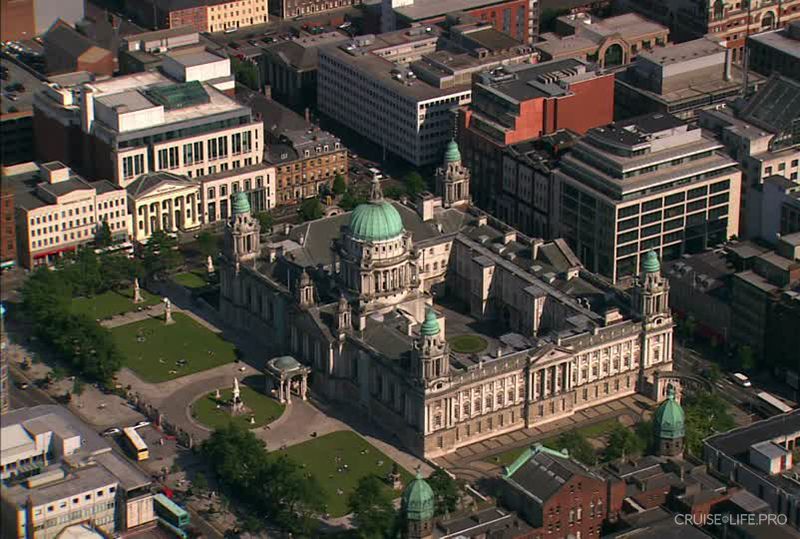
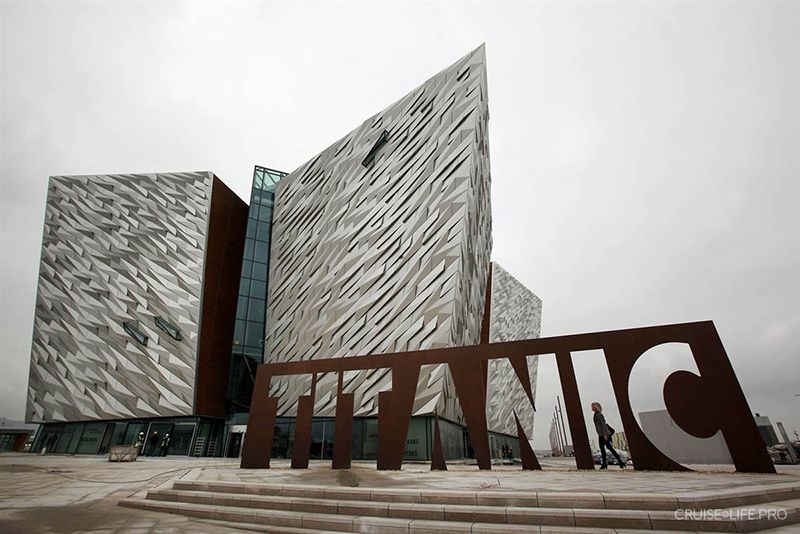
Each side of the square is named according to its geographical location, that is, North, South, East and West. In the center of the square stands the city hall-a wonderful building in the Baroque style. Construction took place from 1889 to 1906, in honor of Queen Victoria granting Belfast city status. Part of the buildings had to be demolished to make way for the project. Opposite City Hall is the city’s oldest library, the Linen Hall Library, founded in 1788. This is one of the most famous buildings in Belfast. The The Titanic Memorial complex is also noteworthy, installed in memory of the sinking of the “Titanic,” which was built in Belfast shipyards. The names of the people who perished in this disaster are engraved on the monument’s base.
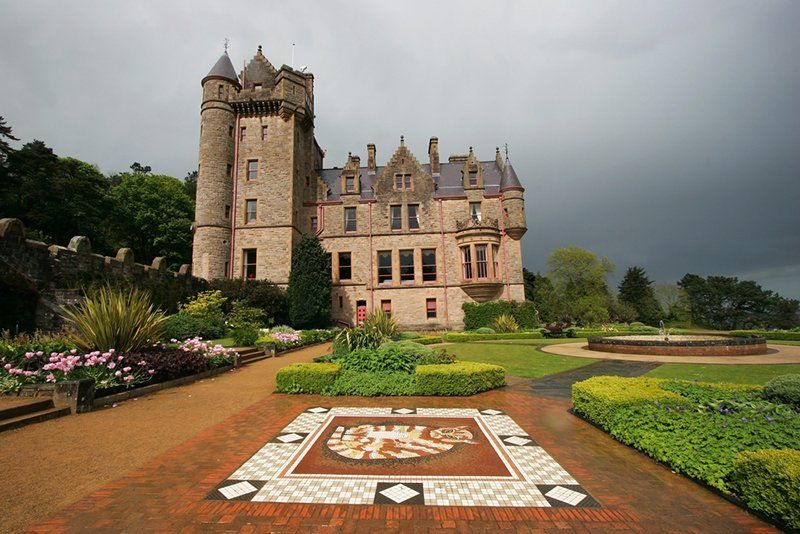
Belfast Castle
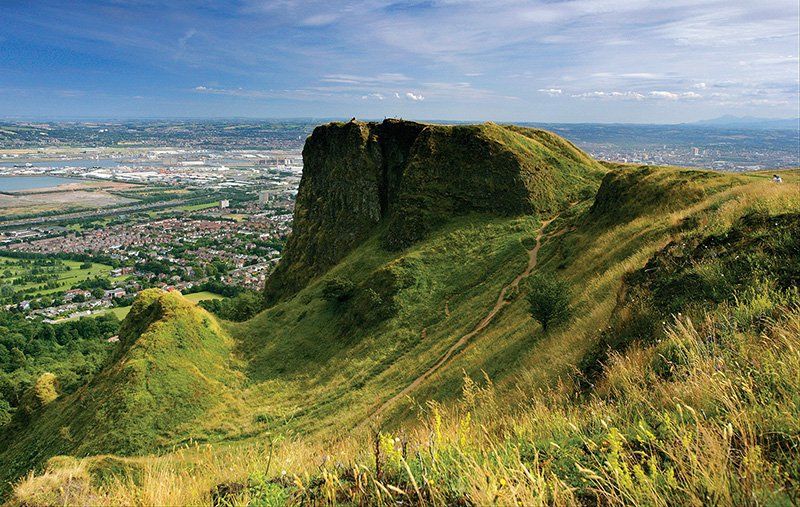
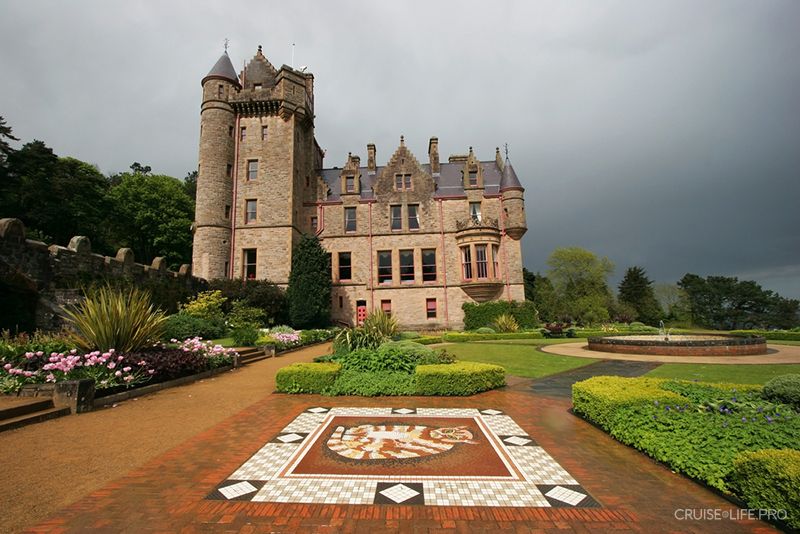
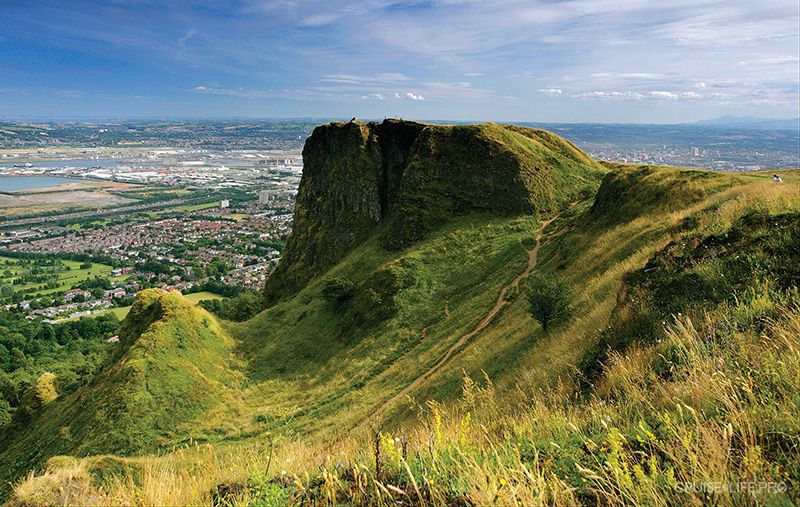
Belfast Castle is located on the grounds of Cavehill Country Park in Northern Ireland, at an altitude of 120 meters above sea level. Originally, Belfast Castle, built at the end of the 12th century, stood within the city limits, and Sir Arthur Chichester, a prominent politician and Baron of Belfast, lived there. In 1708 the castle burned down completely, and instead of restoring it at the same location, the Chichester dynasty decided to build their new residence outside the city, inspired by the local scenery. Construction of the new castle did not begin until 1811 and took more than half a century. In 1978, the Belfast City Council approved a major refurbishment of the castle building, investing over two million pounds in the project. Ten years later, Belfast Castle was officially reopened.
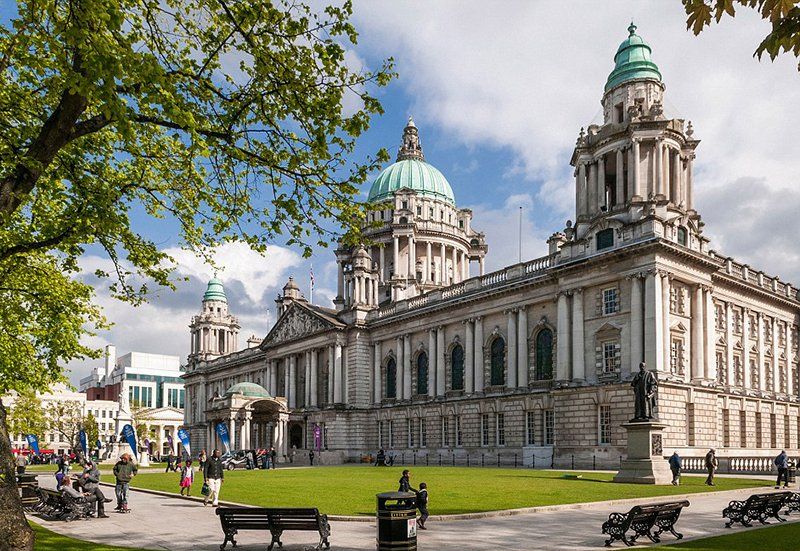
Town Hall
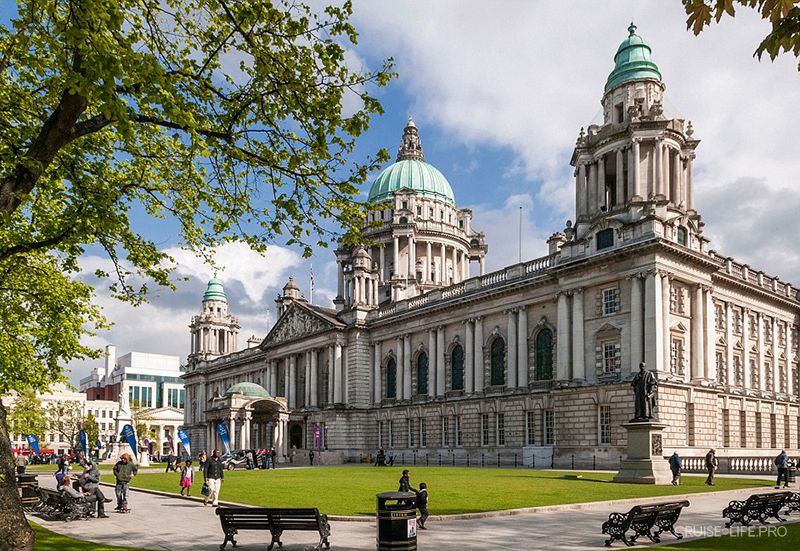
Visitors enter the town hall through impressive stone gates and a marble-clad vestibule. Next comes a grand staircase, for which four types of marble were used-three from Italy and one from Greece. On the large stained-glass windows along the staircase are depicted the most significant events in the city’s history. The main dome rises to a height of about 53 meters. Beneath it is the so-called Whispering Gallery, similar to the one in St Paul’s Cathedral in London. It got its name due to architectural features that allow you to hear everything that is whispered at the opposite wall. Above the gallery there is a ring of stained-glass windows depicting the signs of the zodiac.
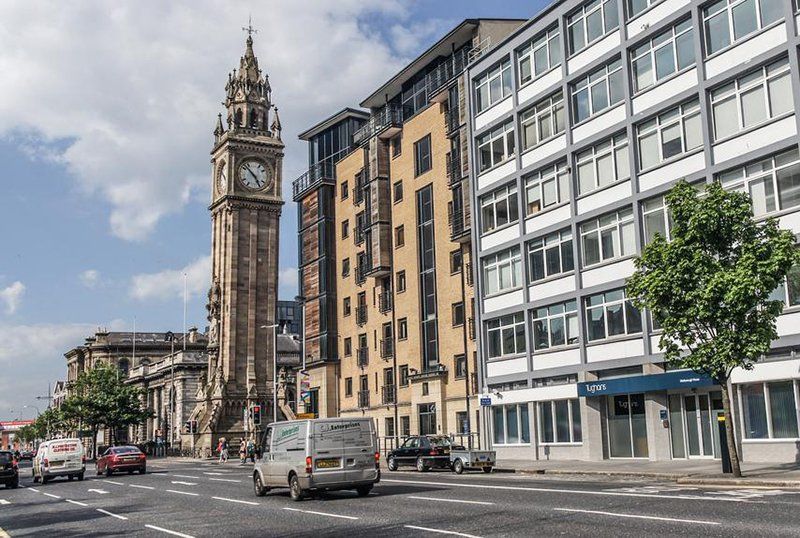
Albert Tower
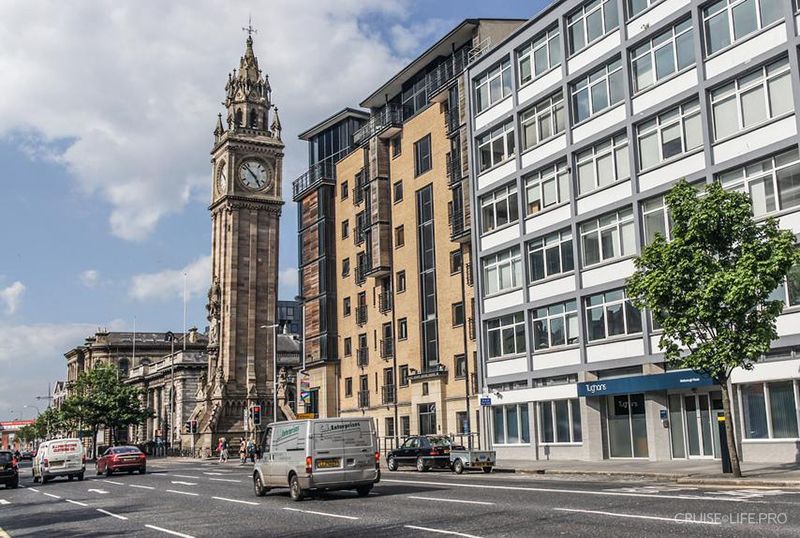
The Albert Memorial Clock Tower was built in 1865-1870 in honor of Prince Albert, the husband of Queen Victoria. It stands 35 meters high. The tower was constructed in a fusion style of French and Italian Gothic. Inside the tower there is a bell weighing two tons, which can be heard when the clock strikes. The clock face is a copy of the one installed in London on Big Ben. The tower has one special feature. When the building was designed, the designers overlooked the fact that the ground in that area is swampy, and the wooden piles did not fully withstand the enormous weight of the upper part, burdened with massive decorations. The tower began to tilt, and some of the ornaments had to be removed. As a result, today, much like the Leaning Tower of Pisa, it has a slight lean of 1.25 cm.
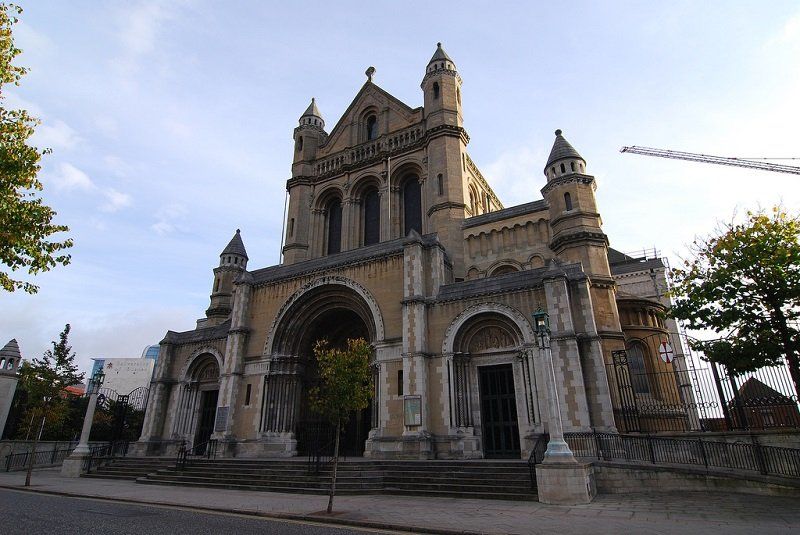
St. Anne’s Cathedral
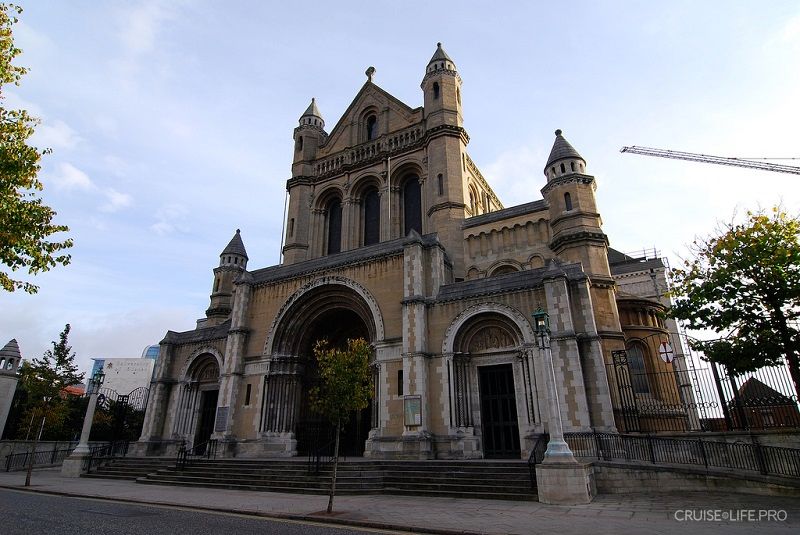
The Cathedral of Saint Anne was opened at the end of the 19th century on the site of an older church; today, it is an imposing building in the Irish-Romanesque style. Its calling card is its unique mosaic stained-glass windows. During the Second World War, the cathedral suffered greatly during bombing raids. Reconstruction proceeded slowly and painfully due to ongoing funding problems; however, to a large extent thanks to donations, it was restored to its original grandeur. Today, the Cathedral of Saint Anne remains a center of Irish Protestantism. And tourists often come here to hear the sounds of the magnificent organ.