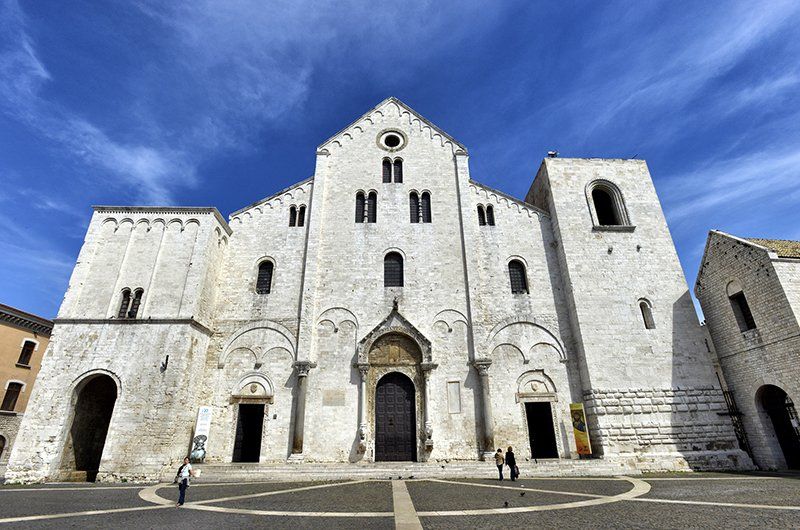
Basilica of Saint Nicholas the Wonderworker
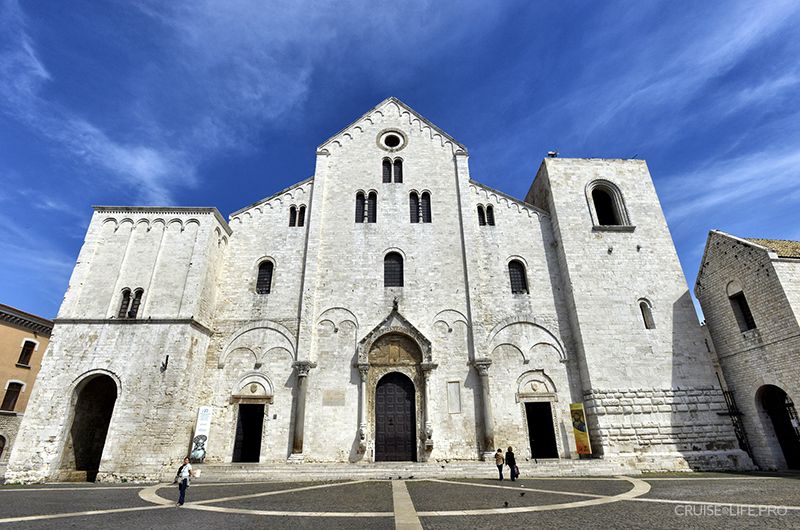
The city of Bari’s main attraction in Italy, which brought it worldwide fame, is the Basilica of Saint Nicholas, built in the 11th century after the relics of Saint Nicholas the Wonderworker were brought to Bari. The basilica was built in the Romanesque style in the shape of a Latin cross. Both outside and inside, the basilica is adorned with embossed carvings, columns, and numerous sculptures. Near the entrance to the basilica, there is a statue of Saint Nicholas-once a year, during the celebration of Saint Nicholas’s Day, believers take the statue out of the church and solemnly march with it through the streets of Bari. In the lower part of the church, you will see the miraculous column that was brought from Turkey together with the relics of Saint Nicholas the Wonderworker- it is believed that touching this column promises healing from illnesses.
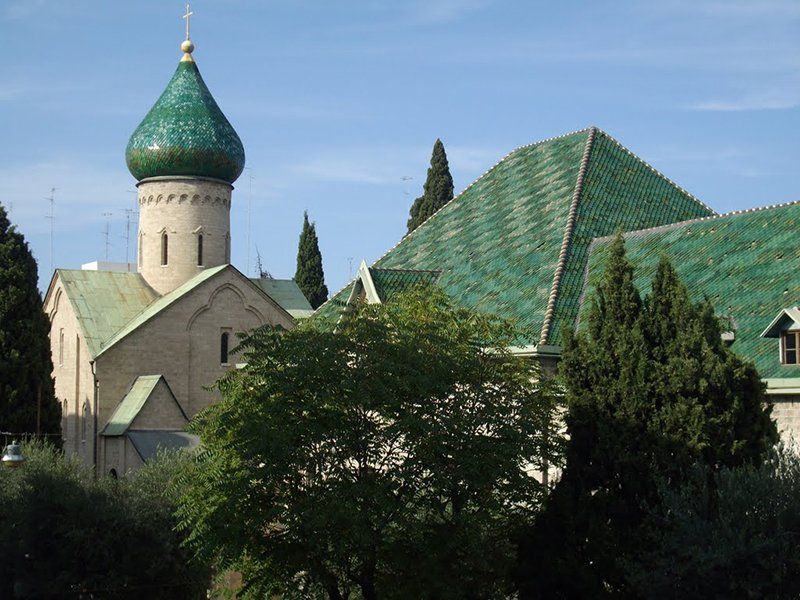
Russian Church in Bari
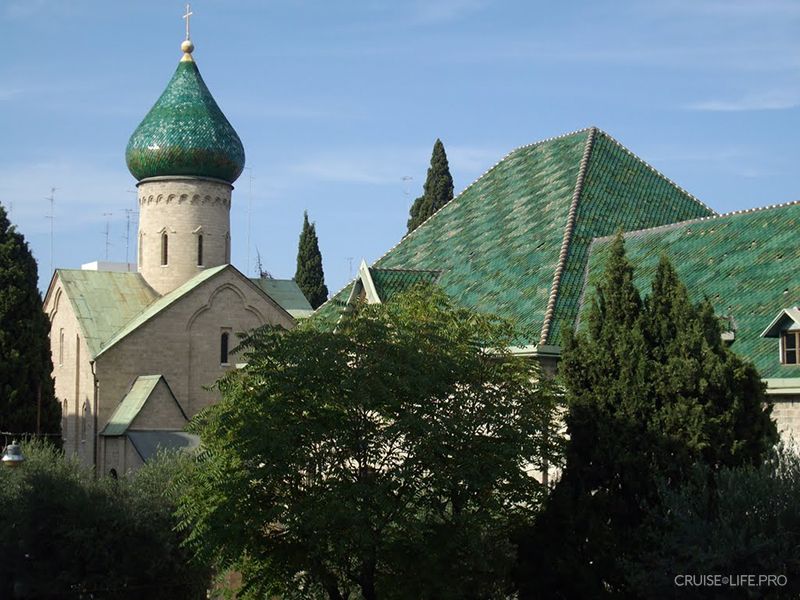
The Russian church dedicated to Saint Nicholas was built at the beginning of the 20th century specifically for Orthodox pilgrims. It is located in the Carrassi area. In 1911, the Imperial Orthodox Society commissioned architect Alexey Shchusev to build the church, the first stone of which was laid on May 22, 1913. Construction was completed already after the First World War. Since then, Russian pilgrimages have taken place here every year.
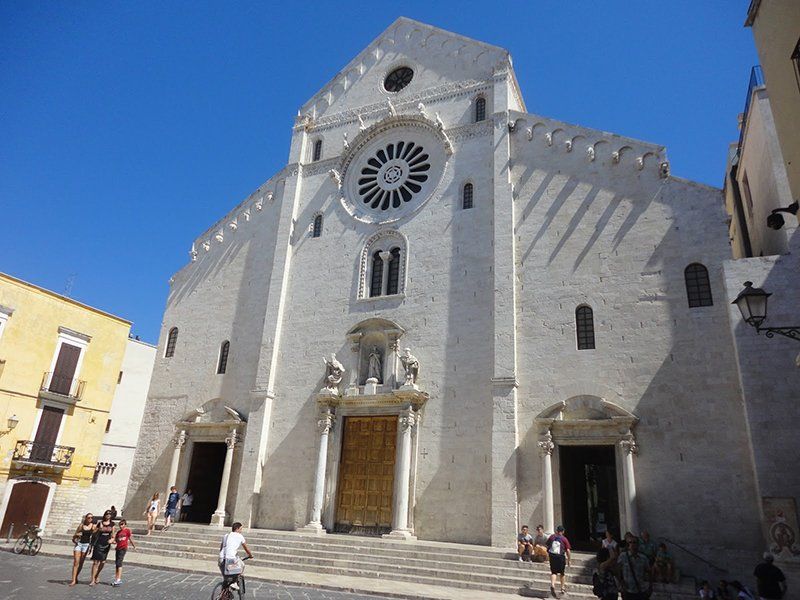
St. Sabina Cathedral
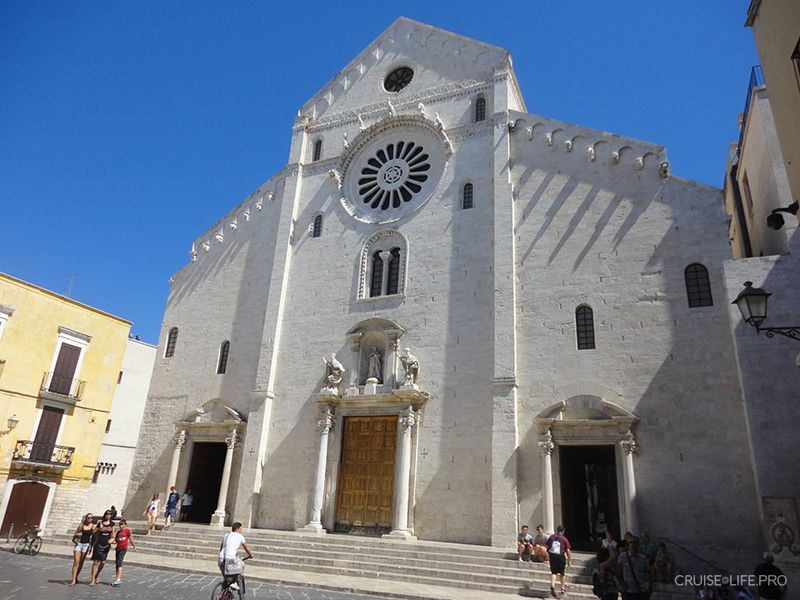
St. Sabinus Cathedral is the most important church in Bari after the Basilica of Saint Nicholas. It is the one people call the Duomo-that is, the city’s cathedral. It was built in the 13th century on the site of a Byzantine church destroyed by the Sicilian king William the Bad-no wonder it earned such a nickname! The rebuilt cathedral was dedicated to Bishop Sabinus of Canosa, a saint whose relics are kept here.
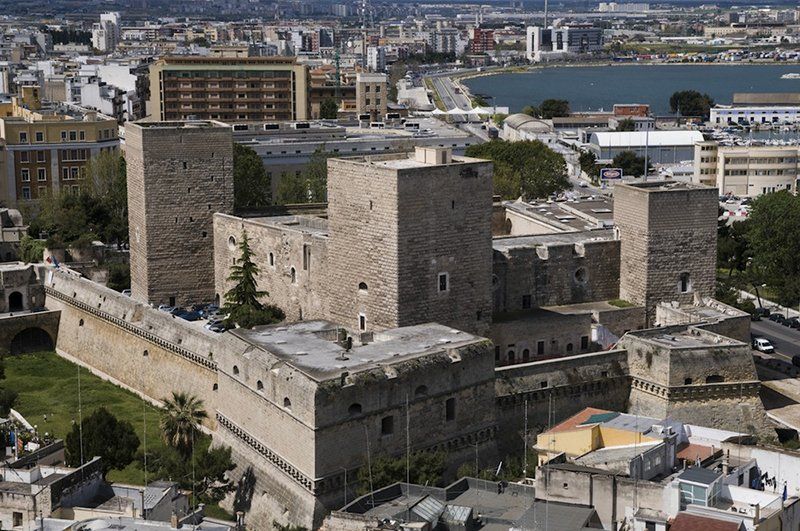
Norman-Swabian Castle
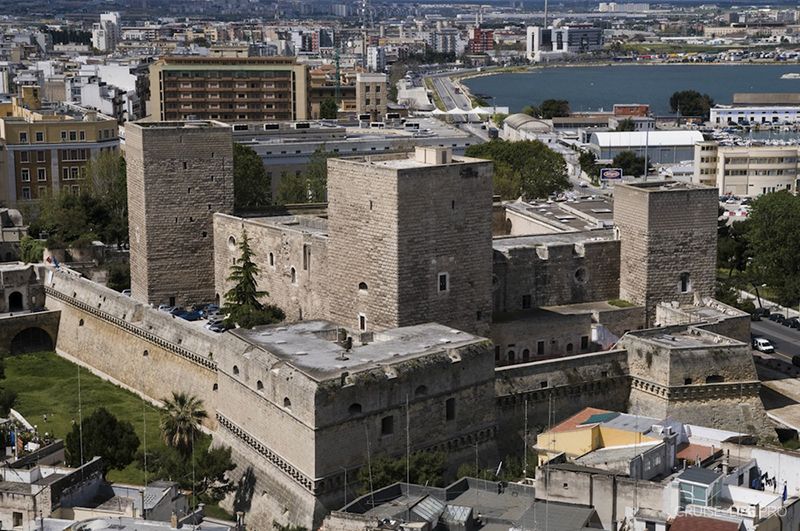
The first fortified structure on the site of this photogenic castle of strict lines in Bari was erected in the 11th century by the Byzantines to protect against the Saracens. The castle itself, which is commonly called the Norman-Swabian castle, was rebuilt on the ruins of an old fortress after the Normans conquered Bari in 1071. The relics of Saint Nicholas the Wonderworker were kept here until the basilica in his honor was built. After the Normans came the Swabians, who managed to further strengthen the castle and build as many as nine towers. Under the Normans there were four. In the 19th century the castle was badly damaged, but it still reached us in fairly good condition; in the 20th century, a renovation was carried out. Today it is open to everyone-its walls offer beautiful views of the sea and of the entire city.