Sagrada Família Cathedral
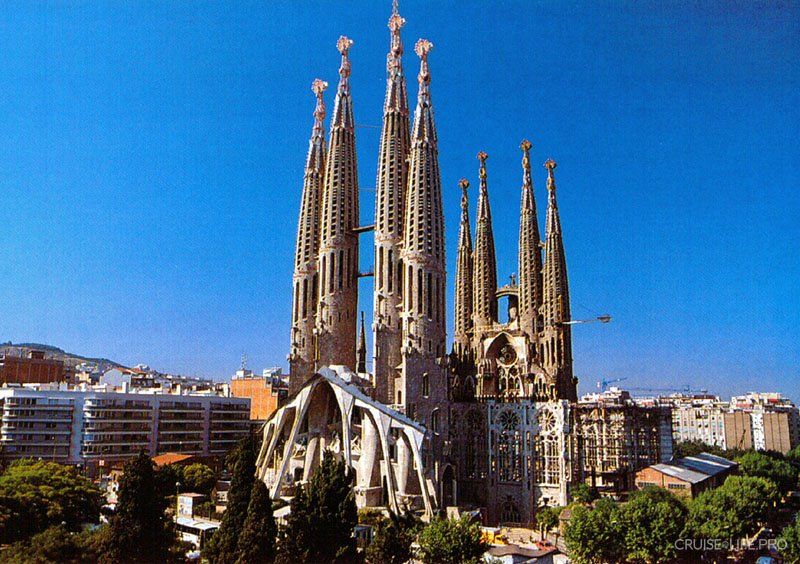
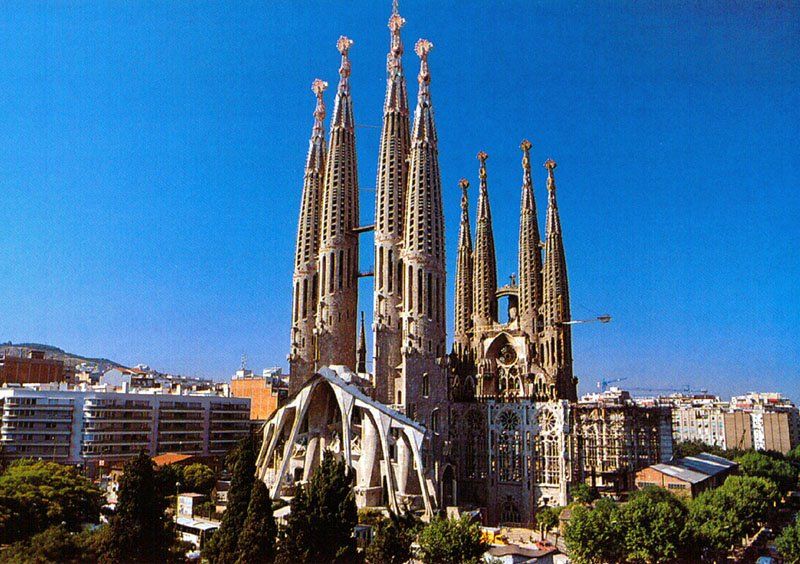
Antonio Gaudí spent the last 40 years of his life on the Sagrada Família. This grand structure, as if it had grown out of the earth, features cranes rising above the “neo-Gothic” spires and an alien-like decor depicting scenes from the Holy Scriptures. At its center there is an elevator that takes you to a platform from which you can see all of Barcelona. Inside the church there is an altar and a great number of chapels of unexpected shapes. Services and concerts are held there. It’s funny that the temple, which people regarded as Barcelona’s main cathedral, was only consecrated on 7 November 2010.
House of Mila and House of Batlló
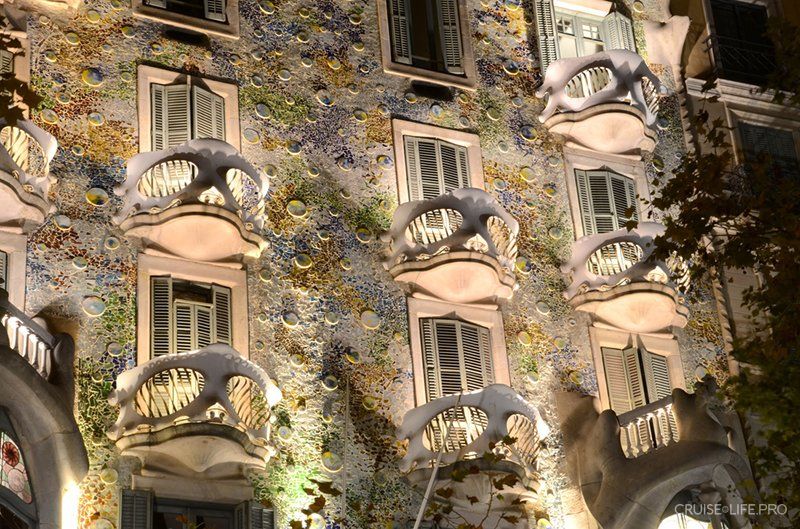
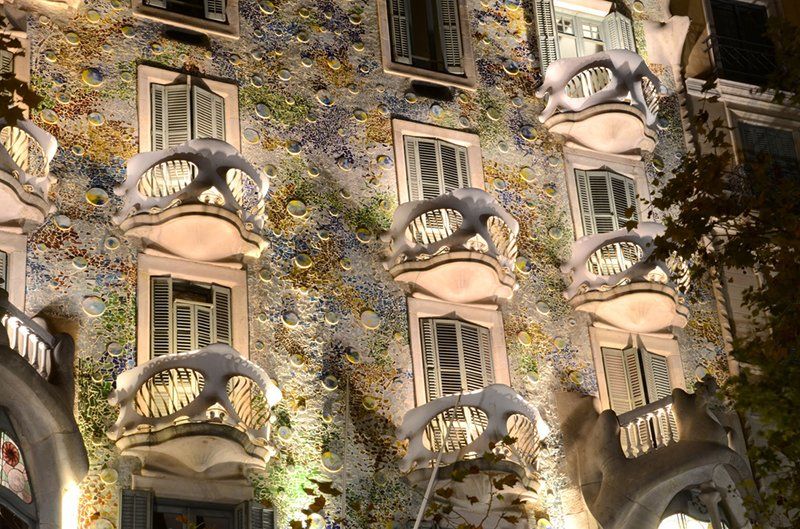
Because of its somewhat imposing facade, the House of Mila was popularly nicknamed the “stone quarry.” On the building’s wavy surface, you can find not a single straight line. Behind Gaudí’s imagination was a desire to create a living space filled with natural light. The house was commissioned by an extravagant couple, wealthy and fond of hosting banquets, who wanted to build an unusual home. From a rather unremarkable apartment block, in 1906 the great Gaudí created a sea-style “gingerbread” with a dragon-like roof-one that still amazes both tourists and local residents.
Gothic Quarter
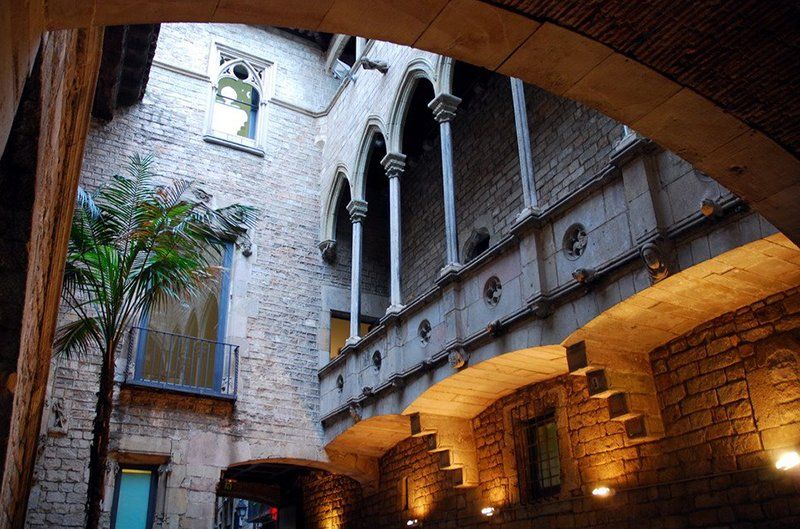
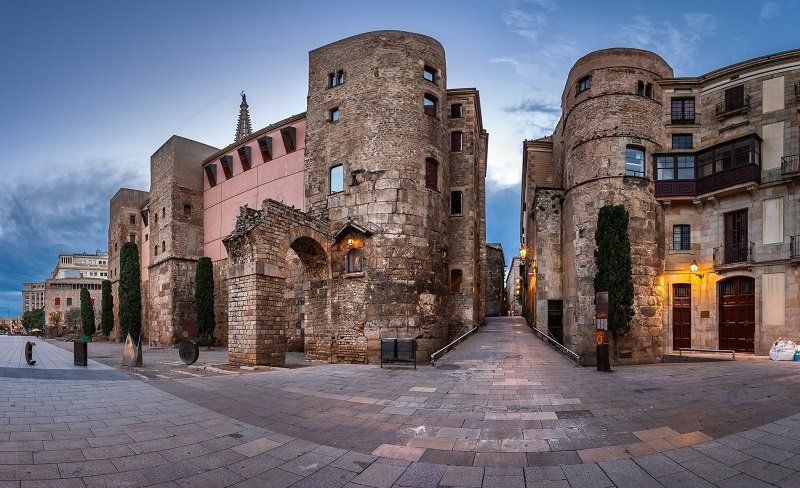
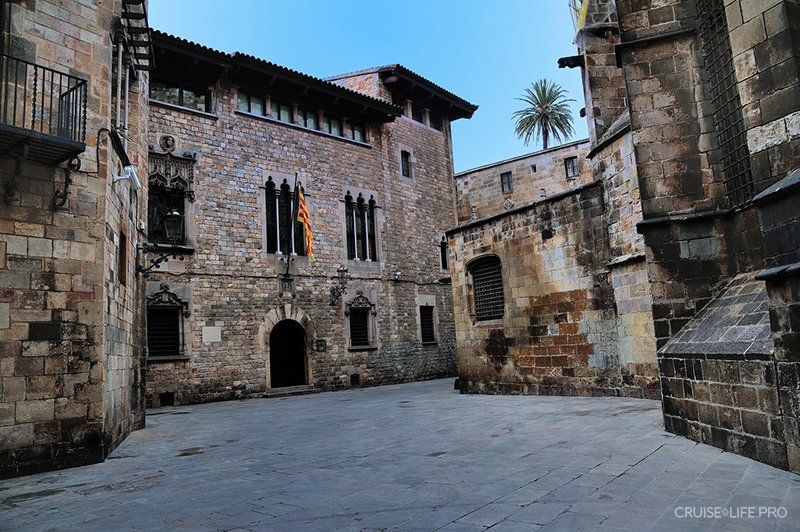
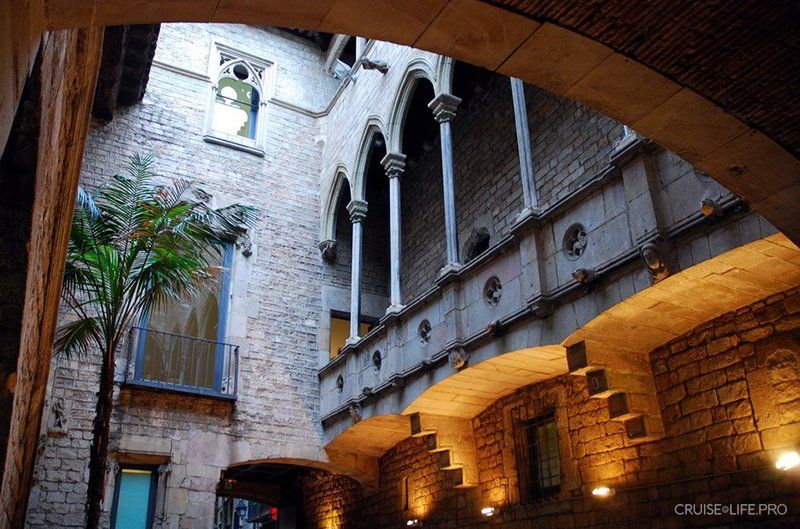
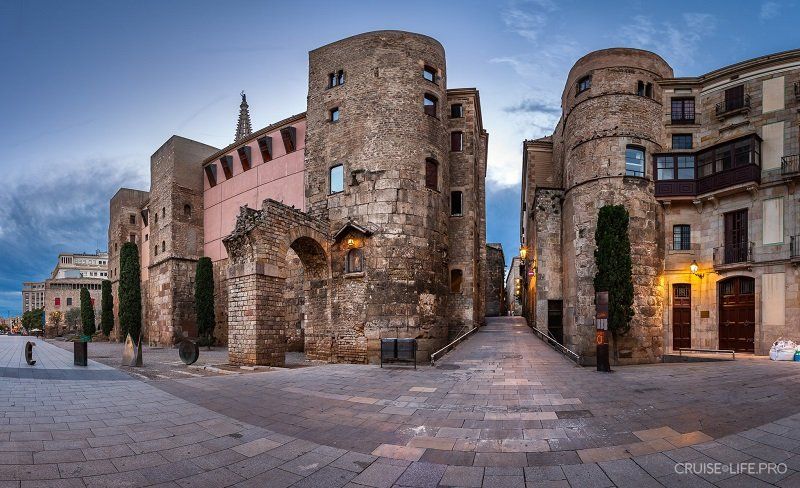
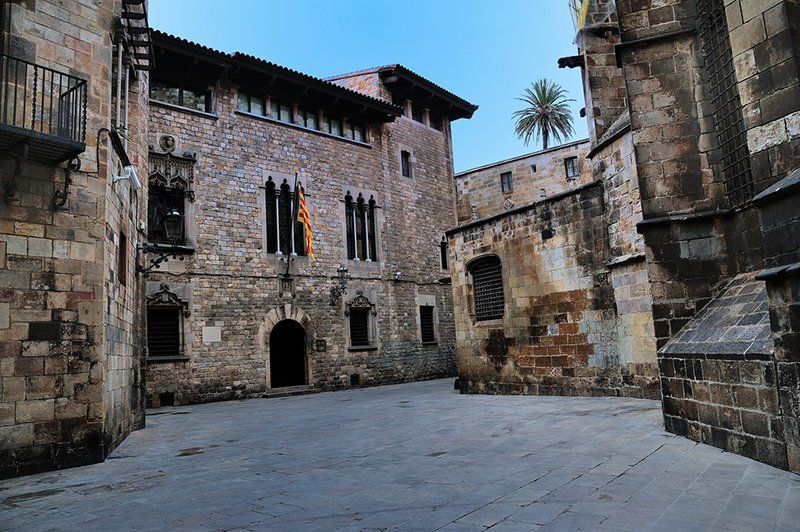
This place will delight lovers of the Middle Ages and everyone who hasn’t yet grown tired of Gothic architecture in other Spanish cities. Curving narrow lanes, squares, houses, and cathedrals-including the oldest one, the Cathedral of the Holy Cross and Saint Eulalia from 1298. Here you can also find traces of ancient Roman rule-ruins of fortress walls and an ancient water supply system, the aqueduct. But the most beautiful thing in the Gothic Quarter is nevertheless the many palaces: the Bishop’s, the Palace of the Government, and the Great Royal Palace. Now, in the luxurious interiors of these buildings, there are museums. It’s a cozy, welcoming place with lots of narrow streets, cafés serving paella and tapas, and some reasonably priced, decent small shops.
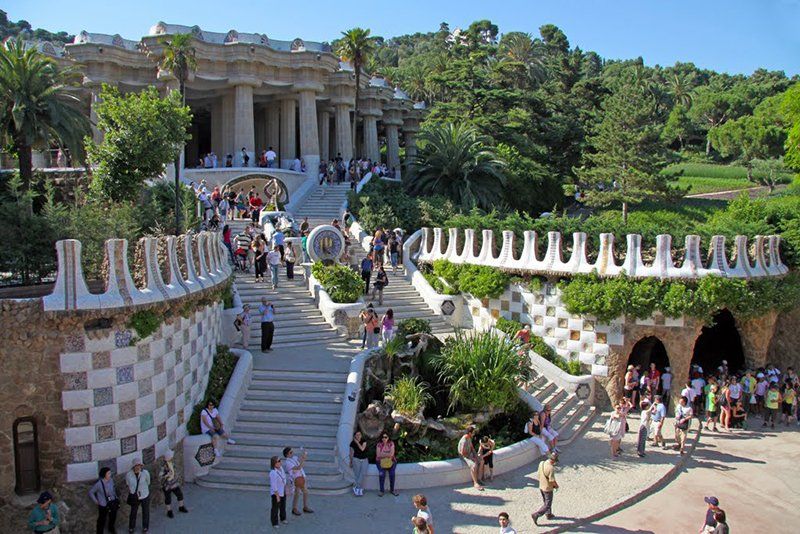
Park Güell
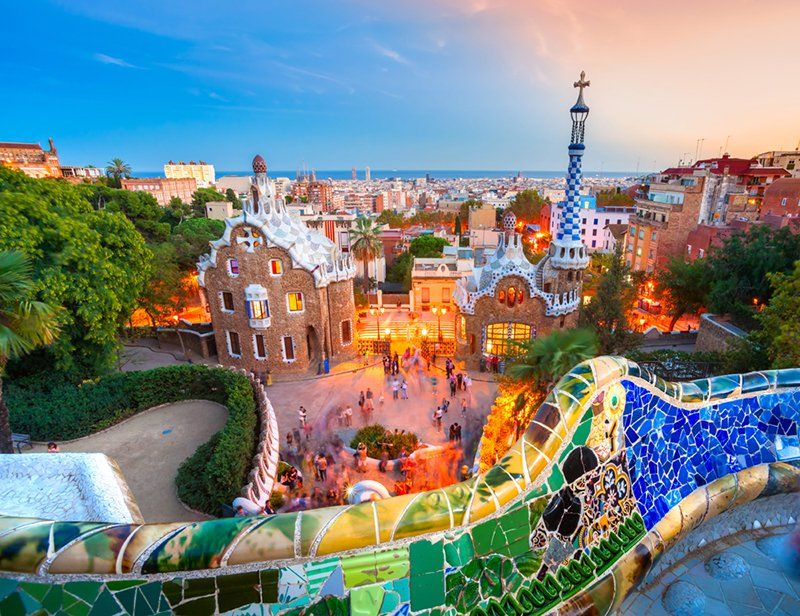
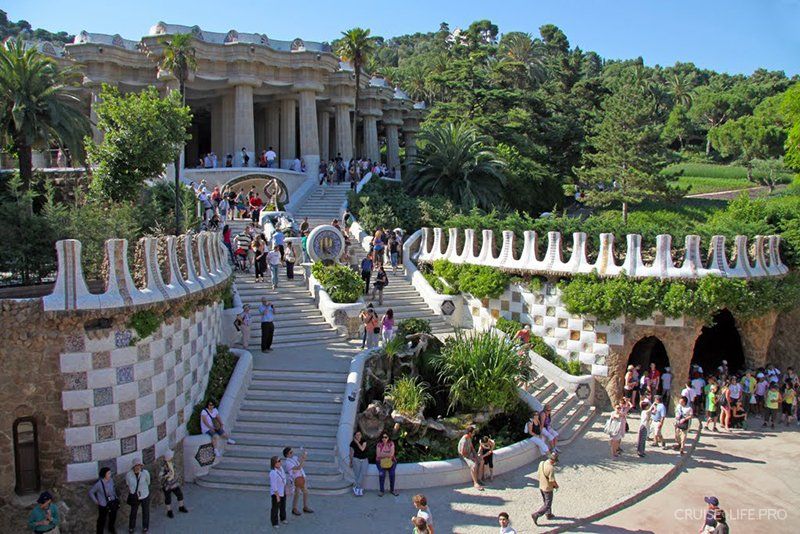
An incredible park with “dripping” houses, winding benches, and works of art “grown” from stone-half-plants, half-animals-by the great Antonio Gaudí. It took about 15 years to create the park. The park’s calling card is the colorful mosaic covering of the benches and the wildlife, including the famous dragon that has become the city’s symbol. In the square at the park entrance stand the famous “gingerbread houses”-according to legend, Gaudí came up with them after being inspired by the opera “Hansel and Gretel.” One of them was meant to house the park’s office, and the other- the gatekeeper.
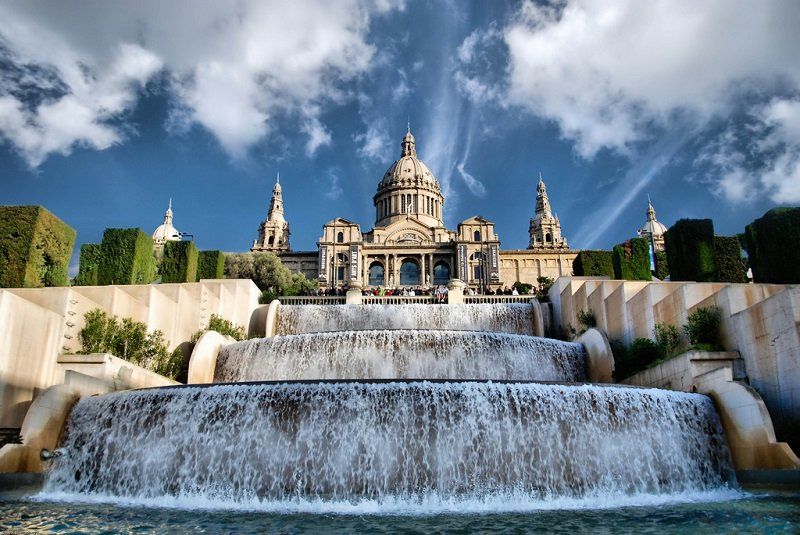
Montjuïc Park
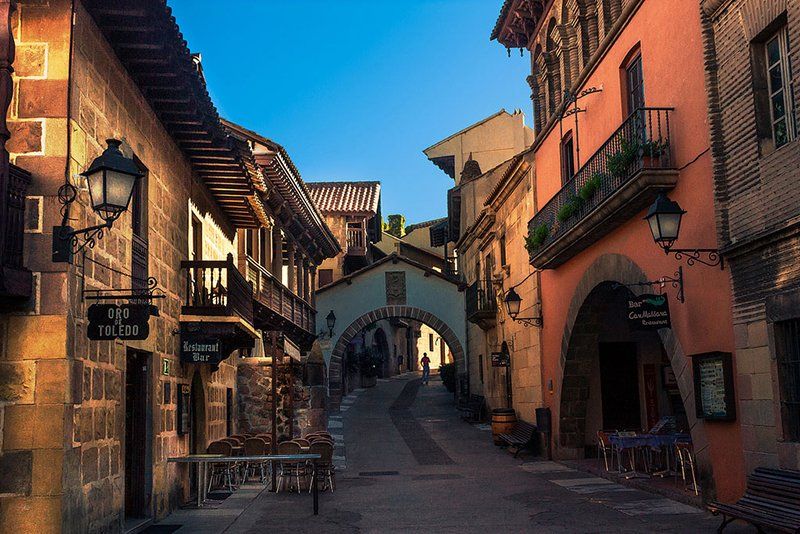
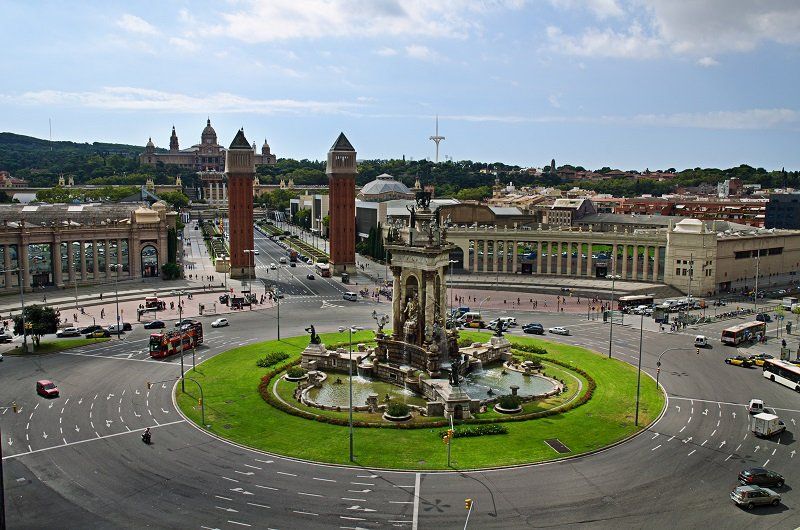
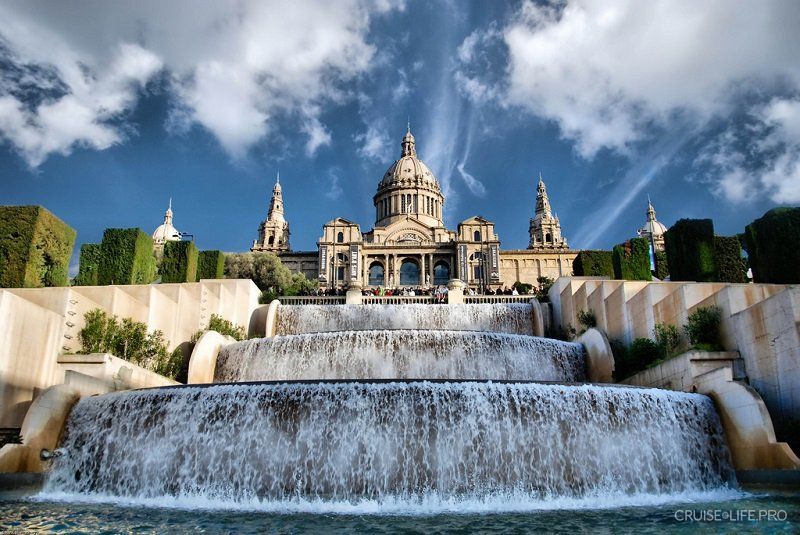
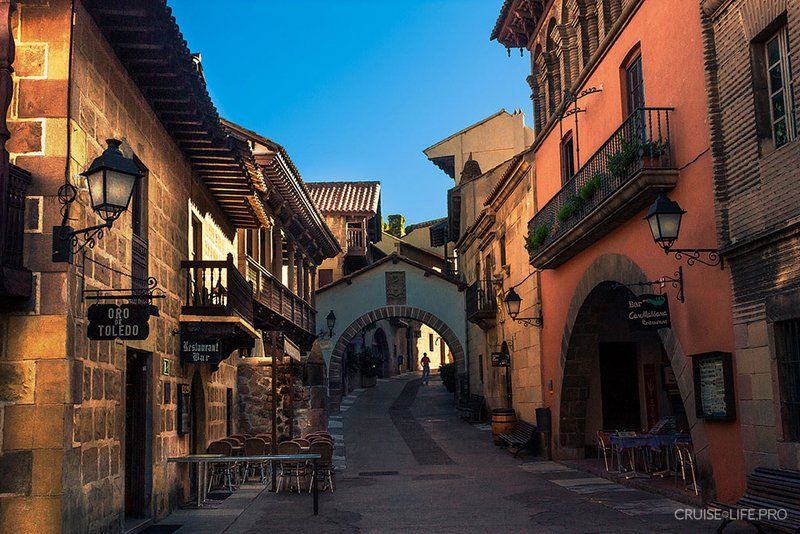
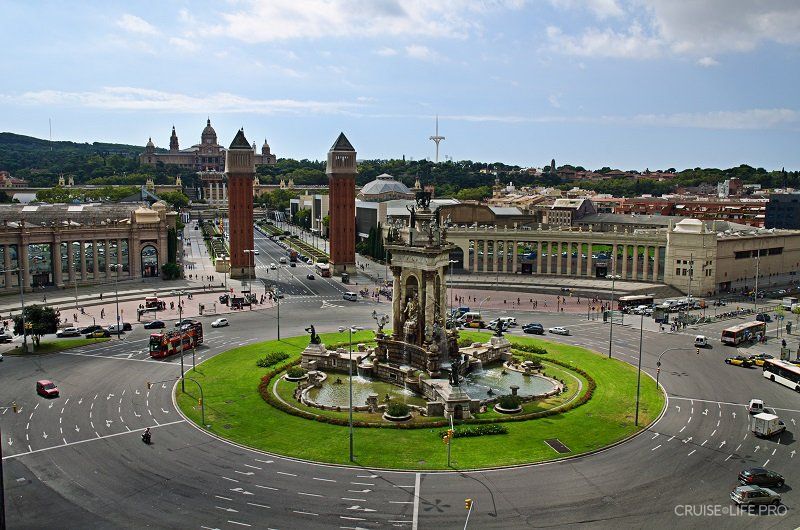
In this huge park there’s plenty to see and do: a city panorama from the viewpoint in front of the National Palace; the Magic Fountain of 1929, dancing and shimmering with all the colors of the rainbow to the beat of the music; and the Spanish Village. Tucked among the greenery of the park are several museums, including the National Art Museum of Catalonia, the Joan Miró Foundation, and the Military Museum in Montjuïc Castle. You’ll also find the Palau de Sant Jordi, the Botanical Garden, and the Olympic Stadium here. A tourist shuttle train runs from Spain Square to the park. In addition, in just a couple of minutes you can reach Montjuïc by funicular from the Parallel metro station.