Azov, Russia

Port of call

Azov, Russia

Description — Azov, Russia

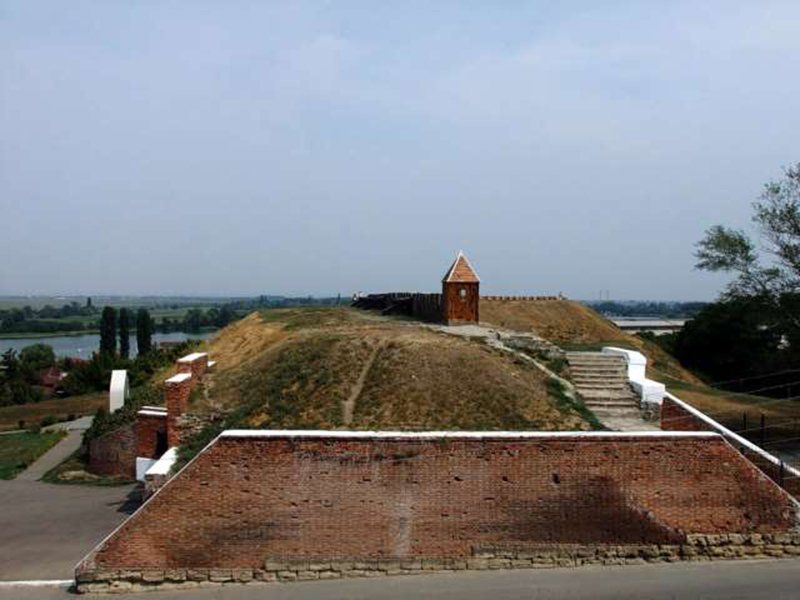
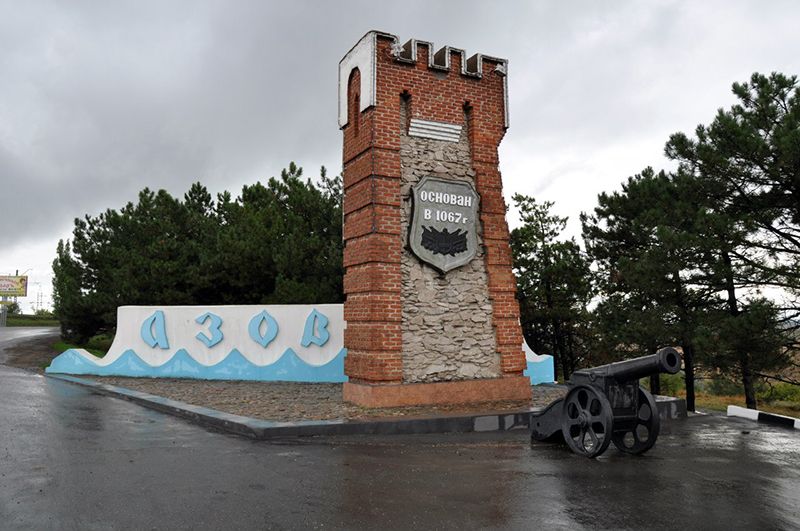
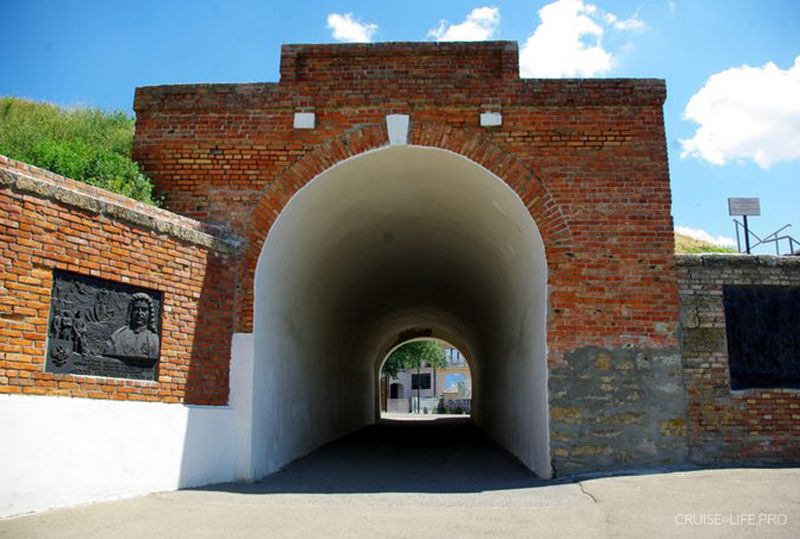
Azov is the administrative center of the Azovsky District of the Russian Federation. Today, Azov is a compact, comfortable, very green city with an industrial zone moved beyond the residential quarters. In the old part of the city, the fortification structures of the Azov Fortress from the 18th century have been preserved-ramparts, a moat, and the Alekseev Gates. Azov is one of the historic cities with a protected cultural layer.

The city of Azov is not located by a gentle sea, as its name might suggest. In reality, it stands on the Don and Azovka rivers, and 15 km of travel separate it from the salt waters of the Taganrog Bay. Despite having no access to the sea, Azov has been and remains a sought-after tourist destination. First of all, thanks to its rich history, which-according to authoritative scholars-is about 2000 years old. Such a venerable age allows Azov to be considered one of the oldest southern Russian cities and easily provides an interesting stay program for the city’s guests.

Climate

The climate is moderately continental. The average temperature in January is -9°C, and in July is +22°C to +24°C. Precipitation is 400–650 mm per year. A combination of excess heat with a lack of moisture is characteristic.

Location on the map

Sights

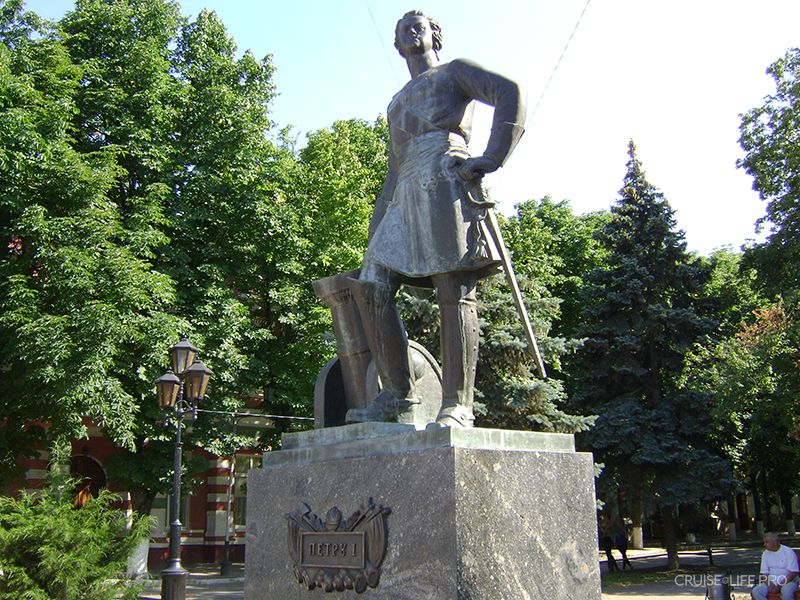
Monument to Peter the Great

Monument to Peter the Great

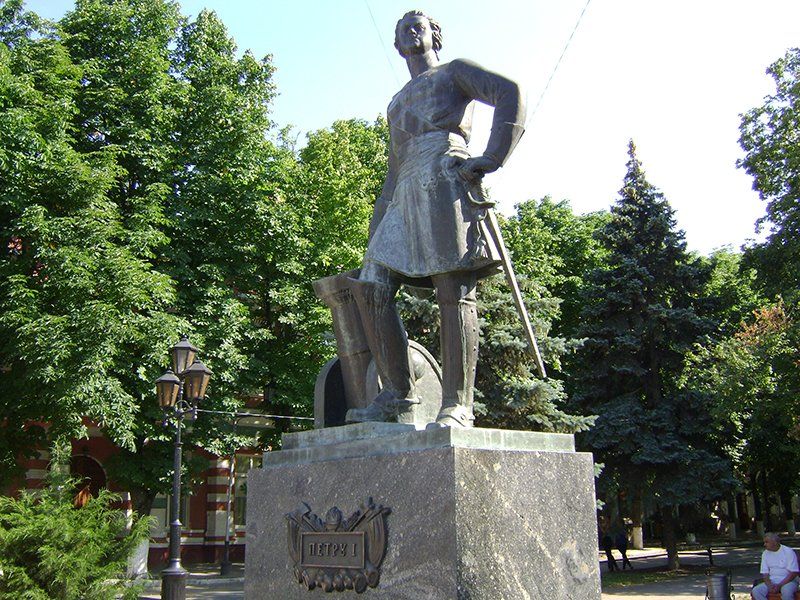
The monument to Peter I was unveiled on 19 July 1996, during the celebrations of the 300th anniversary of the Russian Fleet. In Azov, the bright image of Peter the Great was immortalized, so that both we and future generations could pay tribute to the memory and achievements of this man.
Shein Monument

Shein Monument

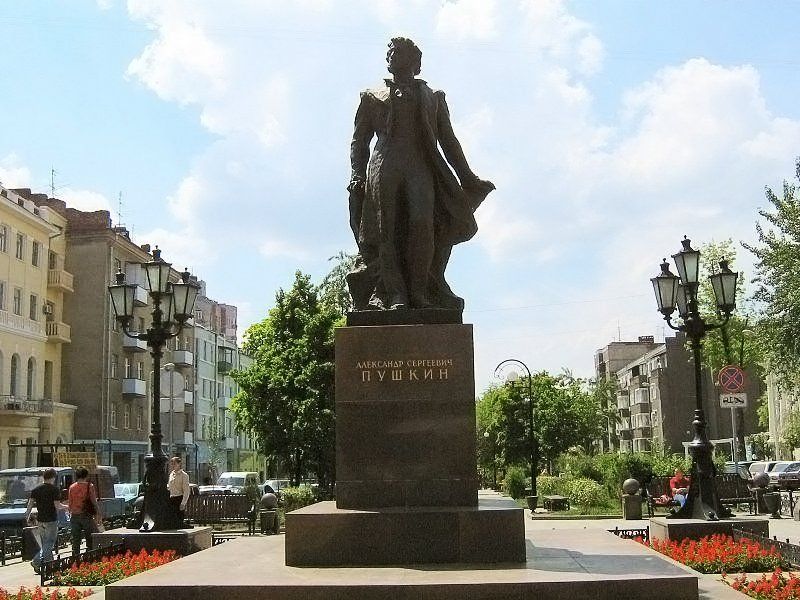
The monument to Shein was unveiled on June 12, 2009 in Azov-a monument to the first Russian generalissimo, an associate of Peter the Great, boyar Alexey Semyonovich Shein. The bronze figure is installed in the historic center of Azov, opposite the museum. Holding a sabre in one hand, the commander gazes at the city for which he earned the highest military rank in battle. Along with the monument to Peter, other attractions form a historical complex telling of the glorious pages of Azov’s chronicles and the history of the Russian state.
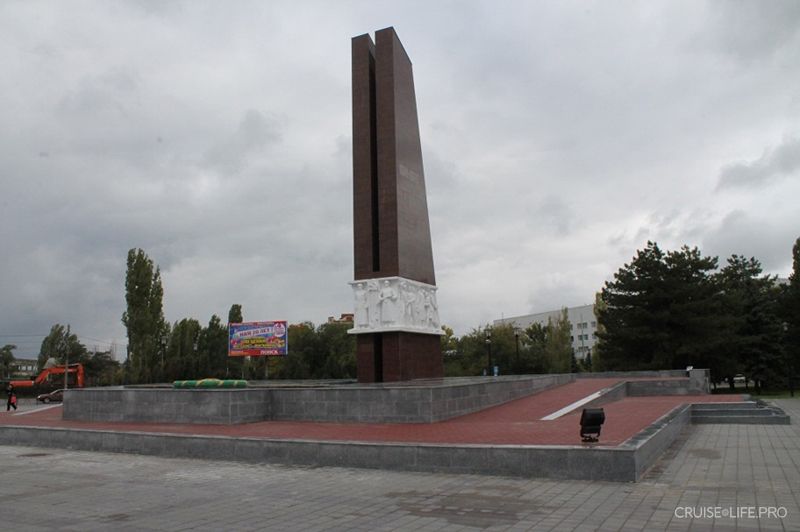
Memorial to the Fallen for the Motherland

Memorial to the Fallen for the Motherland

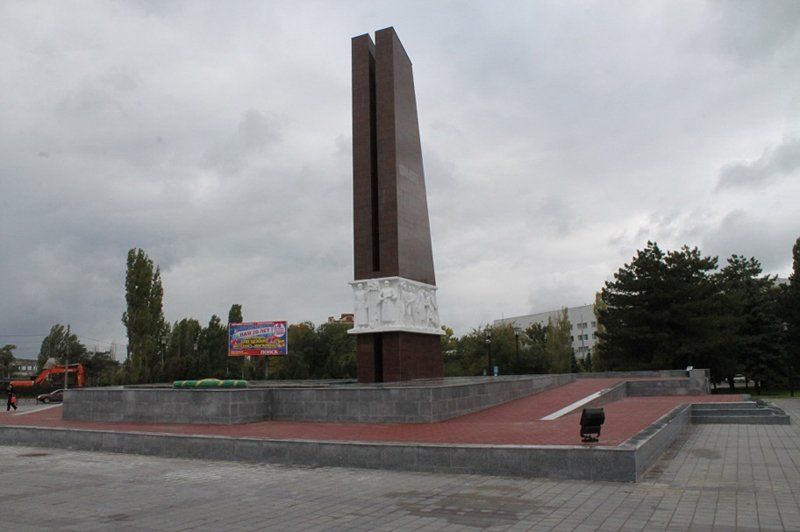
The memorial was installed on Victory Square on May 9, 1971, at the site of military graves from the Civil War and the Great Patriotic War. This fraternal grave holds many fighters and commanders who died in February 1943 during the liberation of Azov from the Hitler invaders. The remains of 68 soldiers and 11 Azov partisans were transferred to the grave. The Memorial of Glory is a monument to 10,000 Azov residents who gave their lives in the Great Patriotic War.
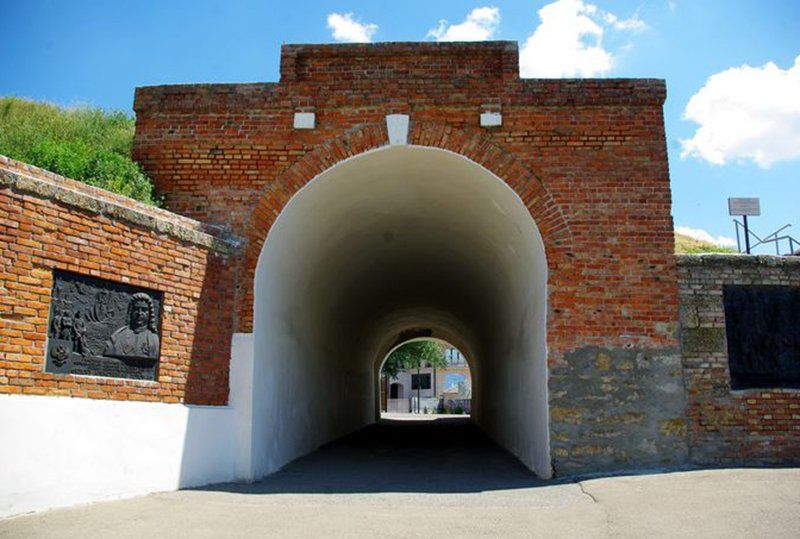
Fortress ramparts with the Alekseevsky Gates

Fortress ramparts with the Alekseevsky Gates

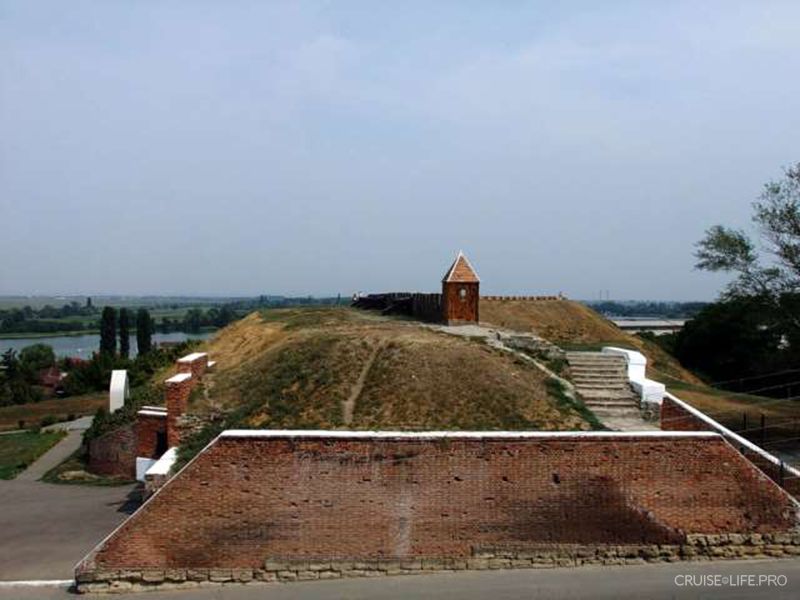
Ramparts with the Alekseyevskie Gates are one of the notable sights of the city of Azov - the remains of a wall and stone gates dating back to the 14th century. They are located on Genuezskaya Street, not far from the old fish cannery. The monument was subjected to the most thorough study during excavations carried out in 1935 by the Rostov Regional Bureau for the Protection of Monuments, which confirmed its Italian origins.
What to see

Relax in the Sea of Azov or on the channel

Relax in the Sea of Azov or on the channel

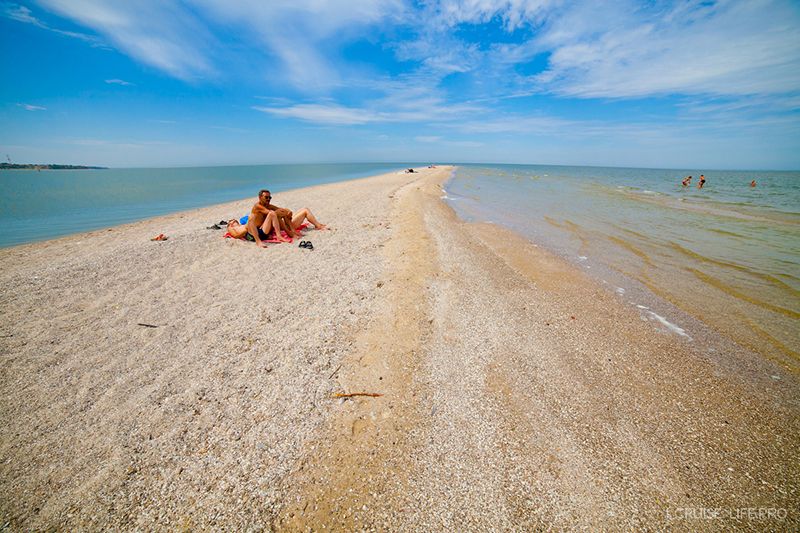
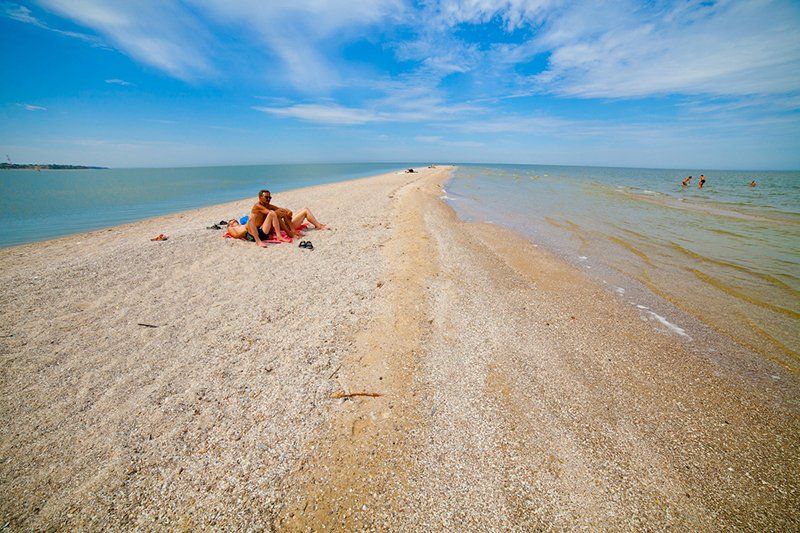
Azov is a friendly and green town, taking a stroll through which is sheer pleasure. The only drawback is the lack of a waterfront, but this is successfully compensated for by the beauty of the local scenery and parks. And, of course, the opportunity to be-already in just 30 minutes by bus-on the Pavlo-Ochakov Spit of the Azov Sea, or to spend a day taking mud baths on a channel located 8 km from the town. Local residents claim that the baths are therapeutic, and that a sanatorium will be built here very soon.

Regional History Museum

Regional History Museum

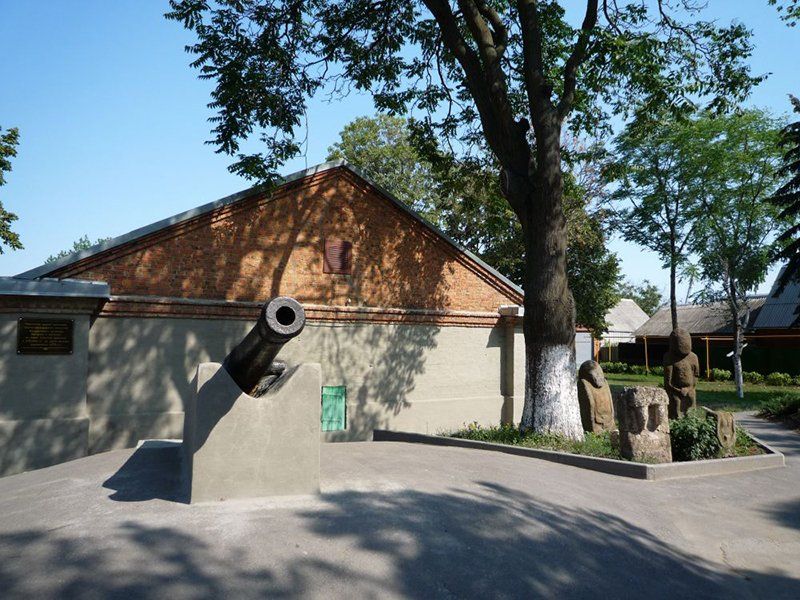
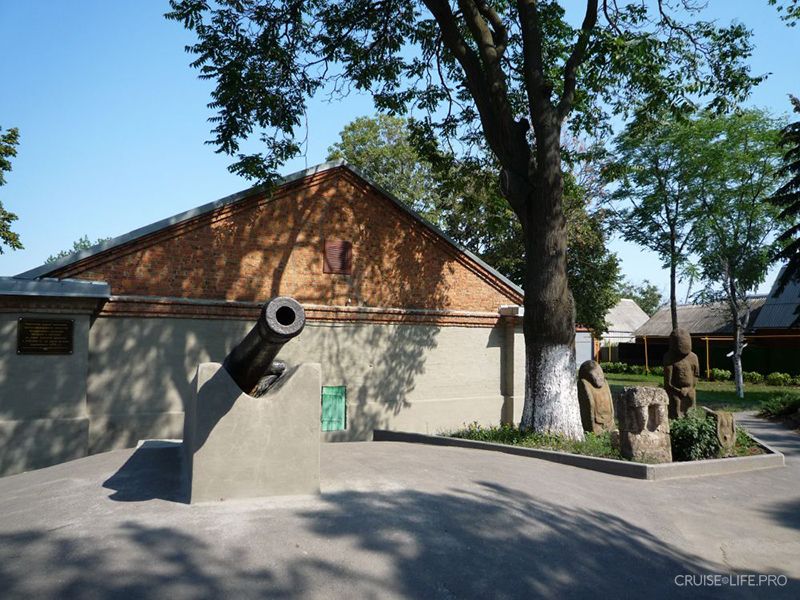
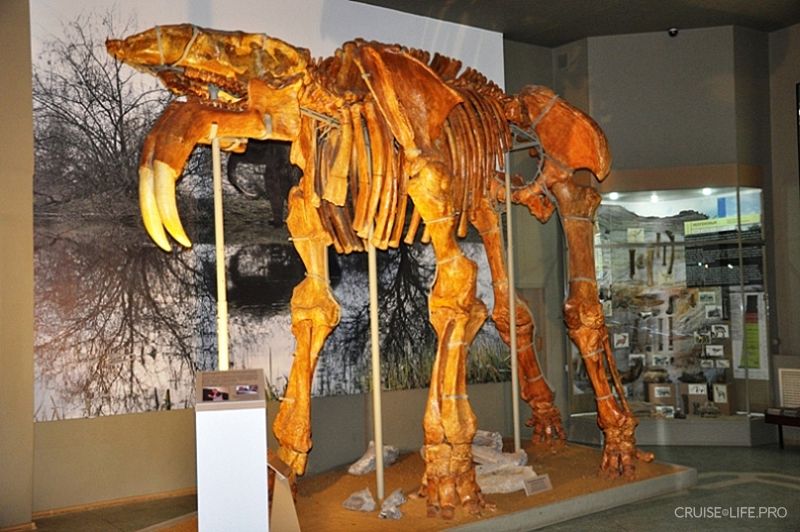
Locals love to repeat that all of the Sea of Azov is one big story. Supposedly, if you dig a little deeper, you’ll inevitably come across ancient pottery shards, ornaments, and the bones of prehistoric animals. Especially valuable and interesting specimens can be seen at the local history museum (ul. Moskovskaya, 38/40), in the archaeology section. There, you can find various everyday items of the Scythians and Cimmerians who lived on these lands long before the first official mentions of the city in the 11th century, and even a recreated skeleton of a mammoth (more precisely, a trogontherium elephant), built from fragments found in Azov and its surrounding areas.

Ruins of a Genoese building

Ruins of a Genoese building

Other sights of the city tell about its later history, closely connected with the Genoese, the Turks, the Cossacks, and the name of Peter I. These include the ruins of a Genoese structure from those times, when Azov was called “Tana,” the remains of the famous Azov Fortress-now only the rampart, part of the gates, and the powder magazine on Lermontovskaya St., 6 have survived. Today, it houses the diorama “The Capture of the Azov Fortress in 1696.”

Take a walk around the city center

Take a walk around the city center

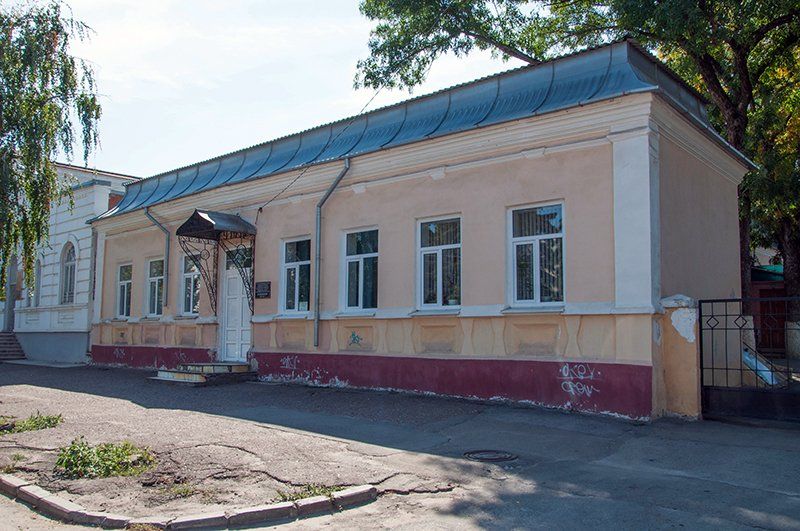
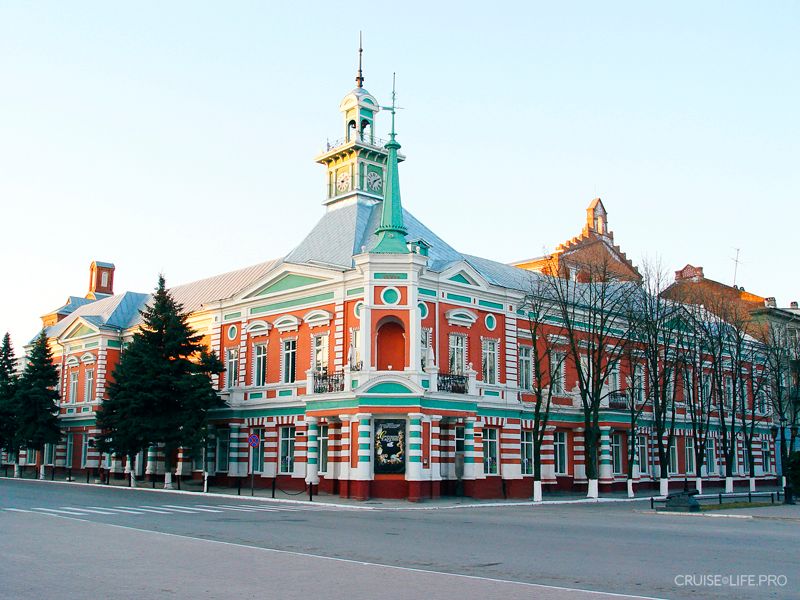
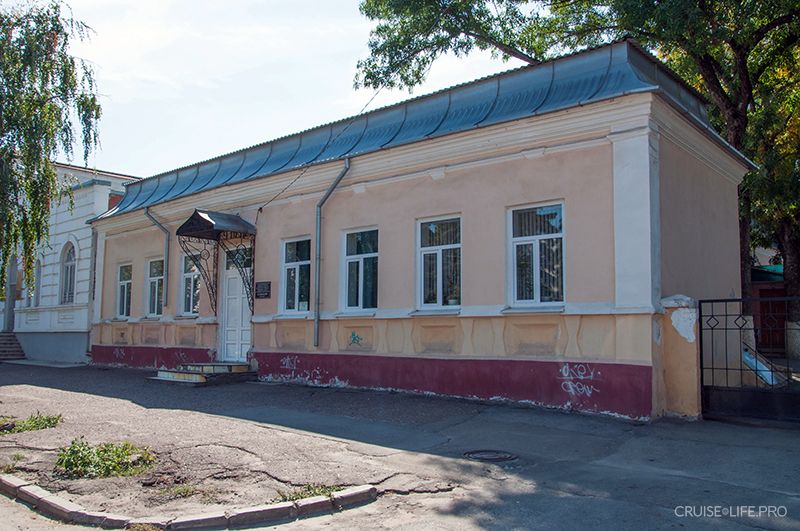
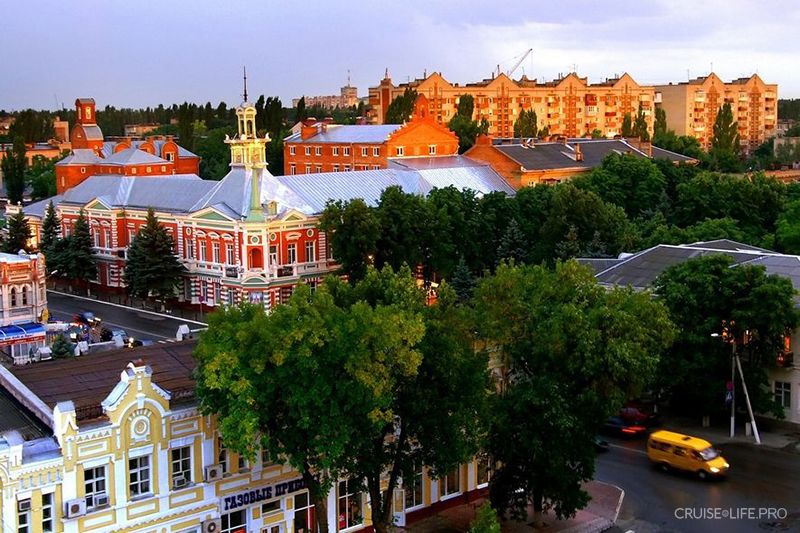
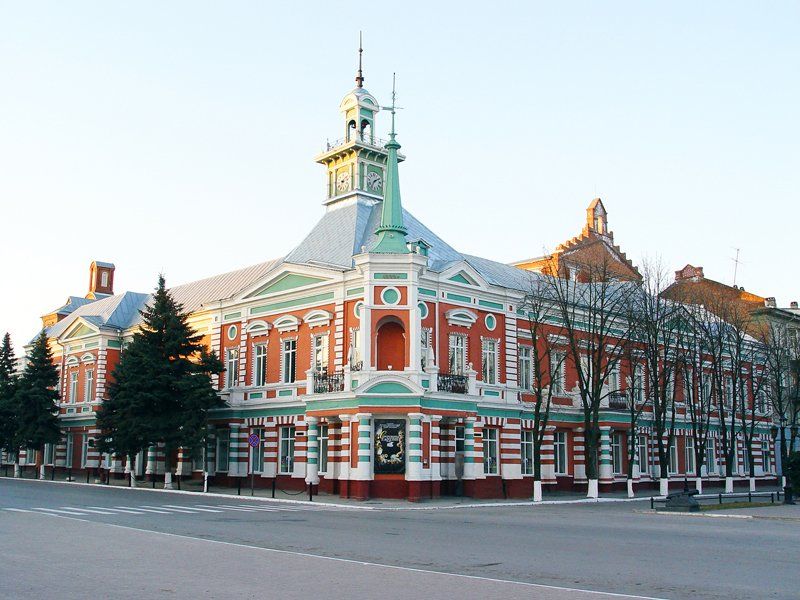
Other historic buildings already date to the 19th-20th centuries. Among them are the buildings of the city administration, hospitals, the men’s and women’s progymnasiums, the Church of Saint Luke, and the house of R. L. Samoilovich. In it, at 46 Leningradskaya Street, a museum of this famous revolutionary and the director of the Arctic Institute has been organized.

Recommended excursions

Azov is the oldest city in the Don region.

Azov is the oldest city in the Don region.

Azov is a fortress town with more than 900 years of history. It is associated with the birth and the first battle baptism of the Russian fleet. During the excursion, you will see the Memorial Cross, the remains of the Azov fortress, the Alekseyev Gates, the monument to Peter I, the 17th-century Powder Cellar, and exhibits from the local history museum. Azov is captivating for its monuments of ancient times and its distinctive beauty. Azov has witnessed Venetian merchants, the Tatar-Mongol Horde, the warriors of Khan Tamerlane, Turkish Janissaries, the famous siege stands of the Don Cossacks, and Peter I’s Azov campaigns, which opened Russia’s access to the Azov Sea and then to the Black Sea. In the local history museum, you can view a unique skeleton of a trigontherian mammoth and the gold of the nomads.

For a more detailed list of excursions and their prices, you can review it after booking your cruise in your “Client Personal Account”.