Acropolis of Athens
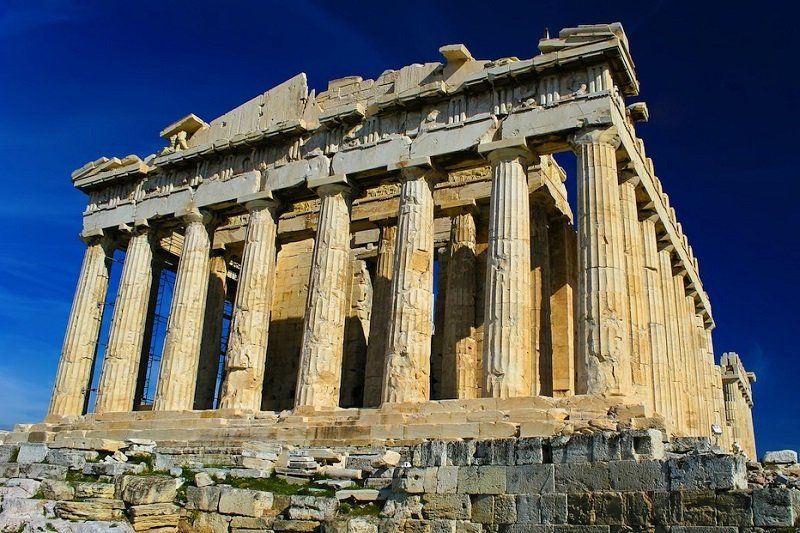
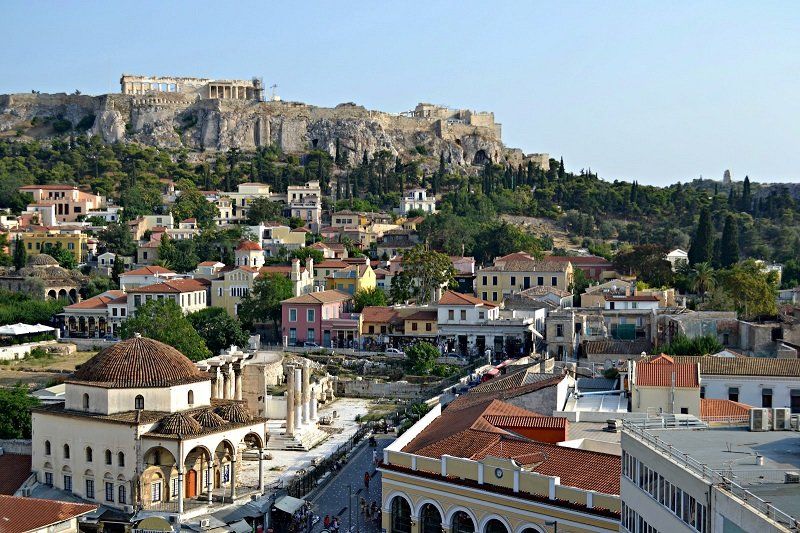
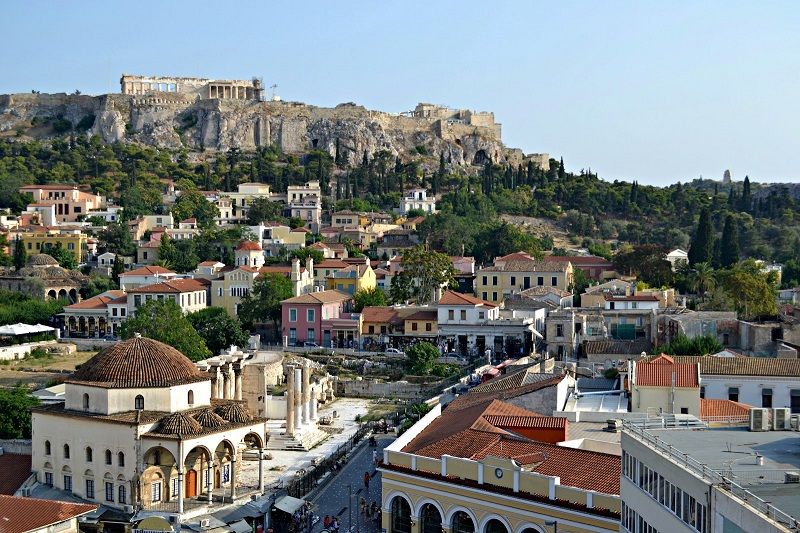
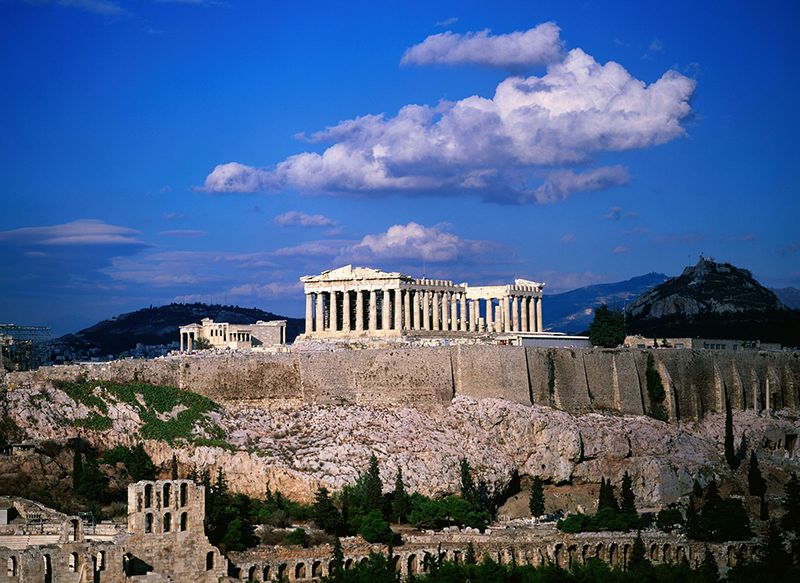
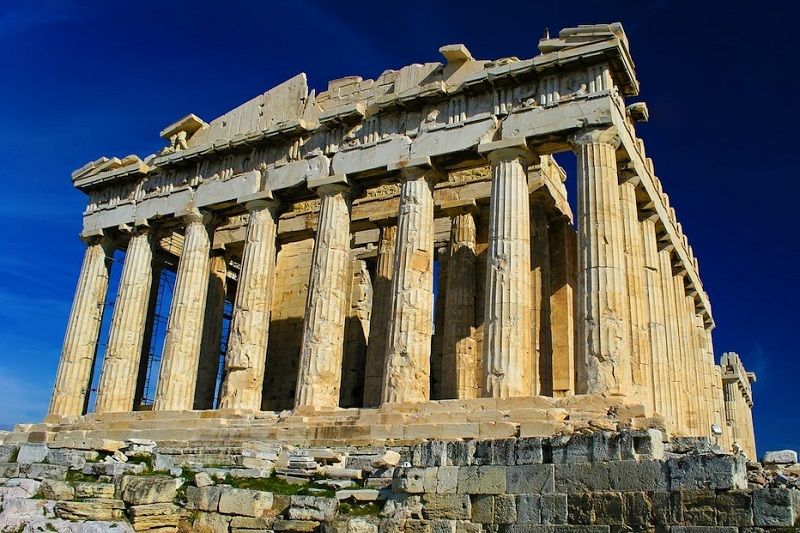
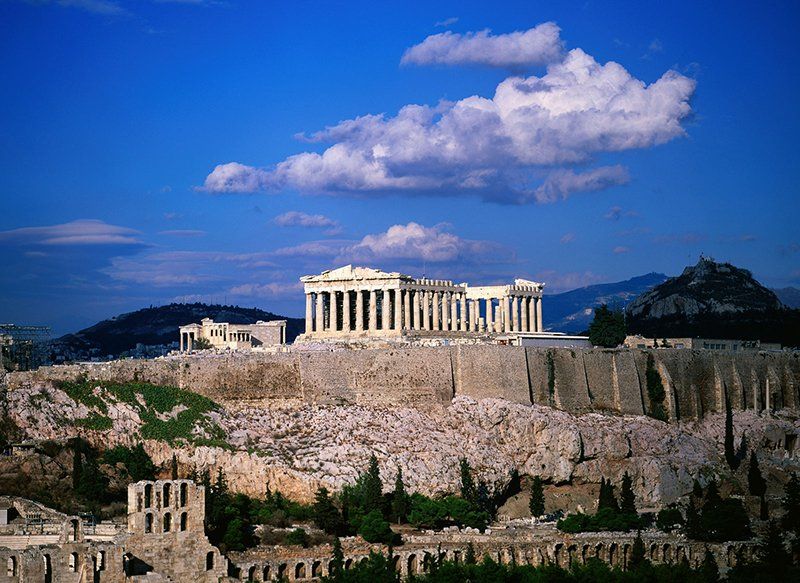
For the past 1500 years, on this rock sticking up in the center of Athens, there has been no end to what has been here: a Christian temple, a Muslim mosque, the Turkish pasha’s harem, and a gunpowder storehouse. And once, dozens of temples to Zeus, Aphrodite, and other ancient Greek gods crowded the hilltop. The colonnades, walls, and statues standing today under the blazing sun are a sorry trifle compared to the grandeur that existed here in the days of the Hellenes. Most of the local antiquities are now on display in the British Museum and the Louvre, while Athens is viewed from above by modern replicas dating to the late 19th century. Still, the sense of a thousand-year history is no weaker for that.
Dionysus Theatre
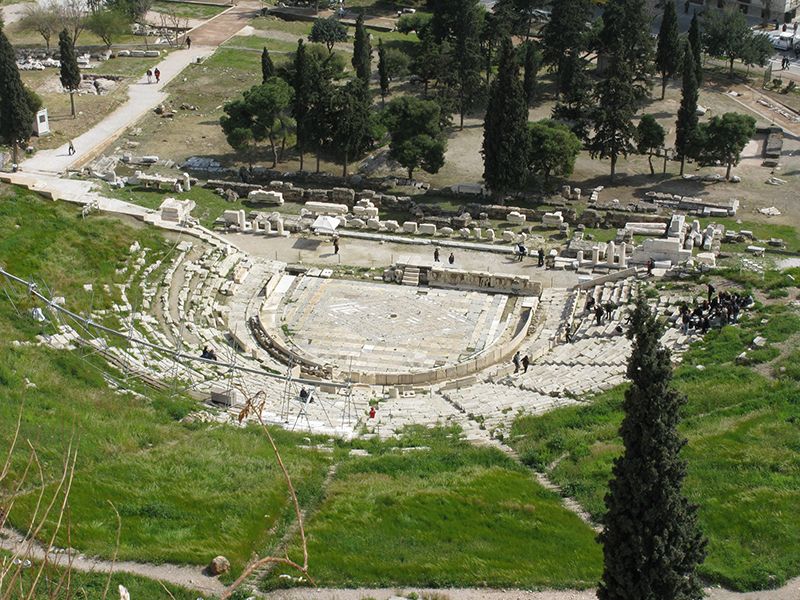
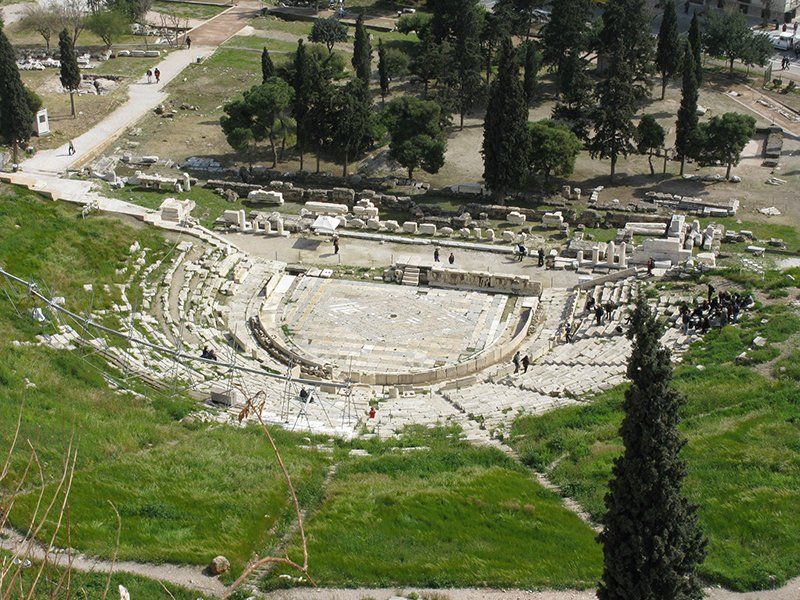
The Theater of Dionysus was originally made of wood and served as a venue for celebrations. Performances there took place twice a year-during the Lesser Dionysia and the Greater Dionysia. Only in 330 BC did the rows and the stage of the Theater of Dionysus become stone. At that time, it consisted of 67 rows that could accommodate up to 17,000 spectators at once-half of the population of Athens. The stone benches rose up to the very base of the Acropolis. Today, you can still see the remains of the last rows. The first row had 67 marble seats-for VIP spectators. Their owners’ names and titles are carved into them. The projecting seat in the second row was the bed of the Roman emperor Hadrian, who was passionately fond of Greek culture.
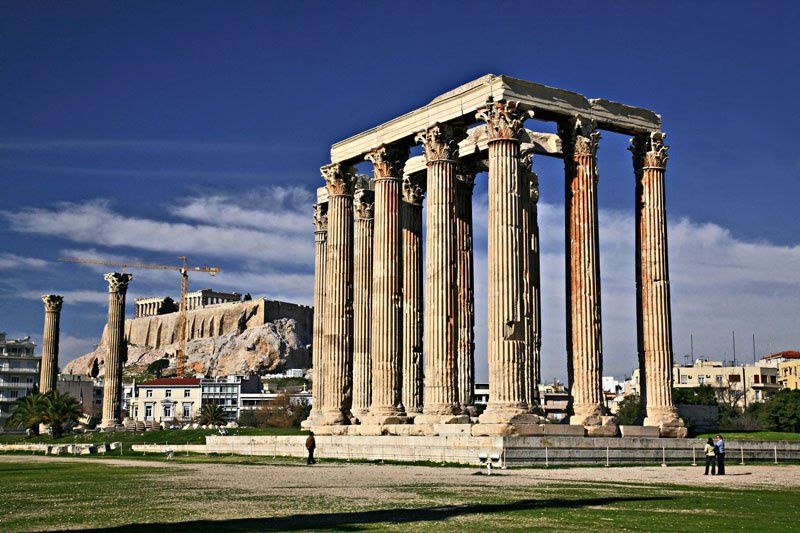
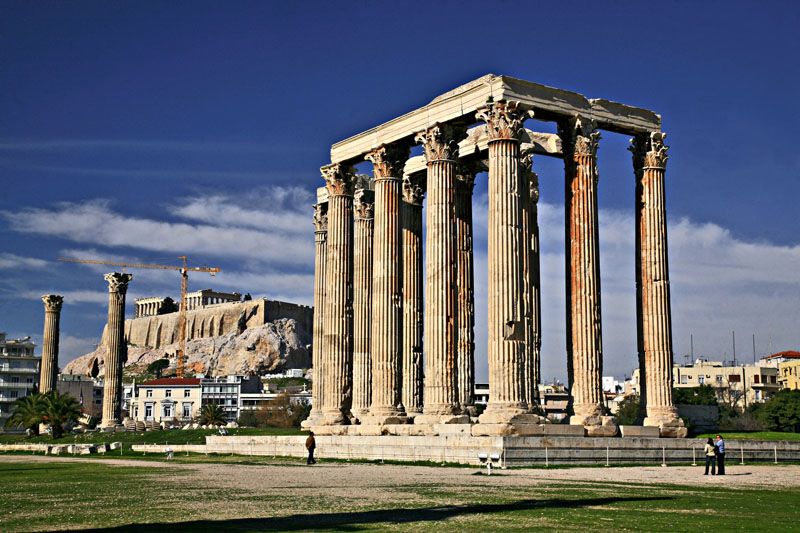
Temple of Olympian Zeus
The construction of the most imposing structure of the ancient world-the famous Temple of Zeus Olympian-began long before our era on the initiative of the then ruler of Athens, the tyrant Pisistratus. The ruler’s plans were truly ambitious: the new giant structure was supposed to, without fail, outshine all the wonders of the world existing at that time, in particular the unmatched Temple of Artemis. The project was brought to completion by the celebrated admirer of Greek culture-the Emperor Hadrian. But time proved merciless. The Temple of Zeus Olympian lasted only three centuries before being thoroughly destroyed by an earthquake. To this day, only ruins remain of the once great temple-although they are very impressive.
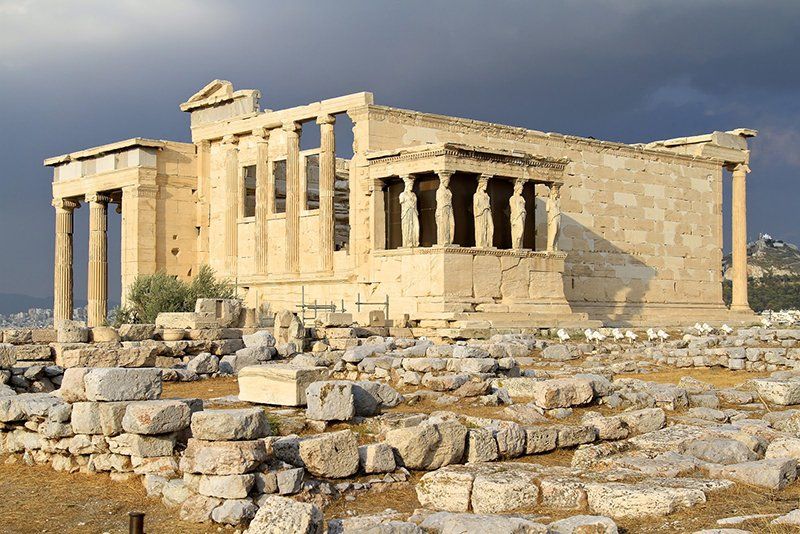
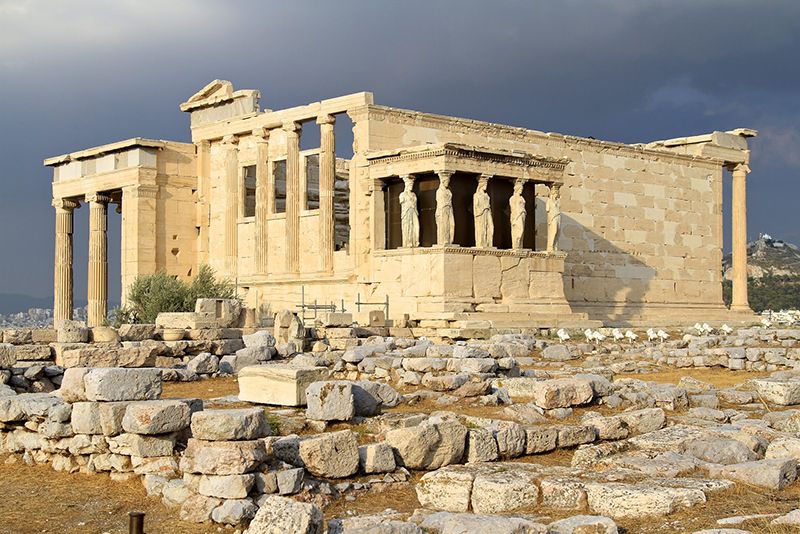
Erechtheion Temple
Erechtheion is an outstanding monument of ancient Greek architecture, one of the main temples of ancient Athens, located on the Acropolis north of the Parthenon. The construction dates back to 421-406 BC. It was built in the Ionic order. The temple is dedicated to Athena, Poseidon, and the legendary Athenian king Erechtheus.
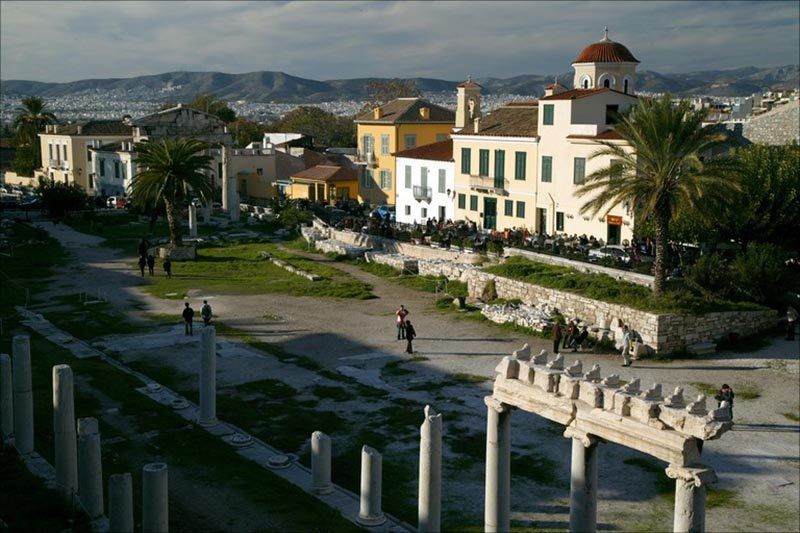
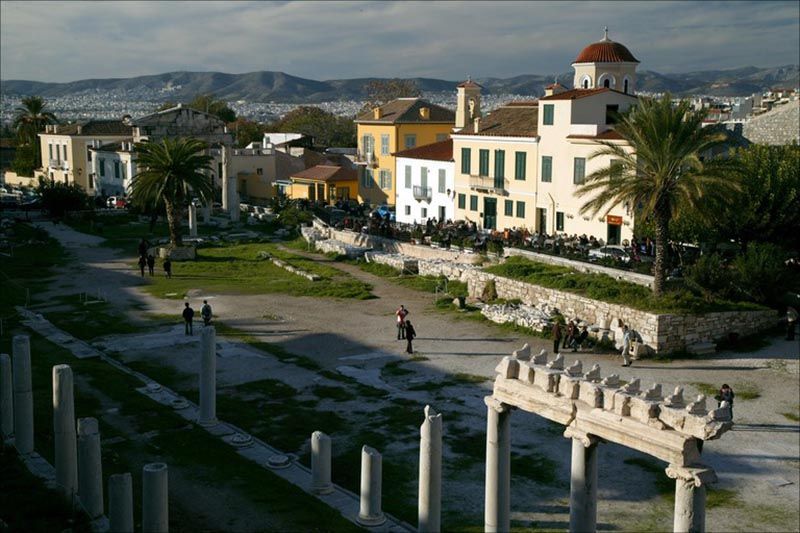
Roman Agora
During the era of Roman rule, a wide marketplace square-the Agora-was built in the heart of Athens. Here, residents gathered to discuss important civic issues, visited local temples, socialized, and went shopping. To this day, a magnificent portico in the northern part of the square has survived, decorated with the inscription “To Athena the Leader,” as well as fragments of the Ionic colonnade dating back to the 1st century AD. But the true highlight of the Roman Agora is the Fethiye Mosque (Fethiye-Jami), built in 1458 in honor of Mehmed the Conqueror, who captured Constantinople. This Muslim place of worship is recognized as the oldest monument from the Turkish period in Athens.