Astrakhan Kremlin
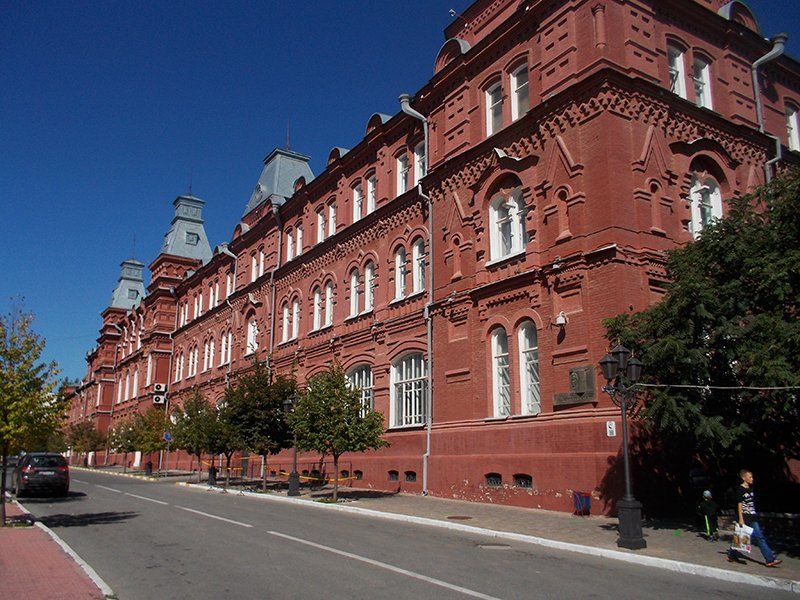
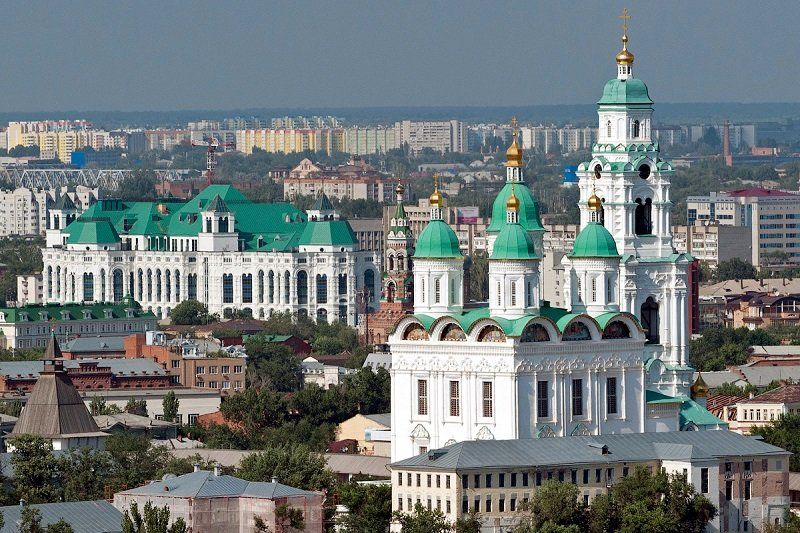
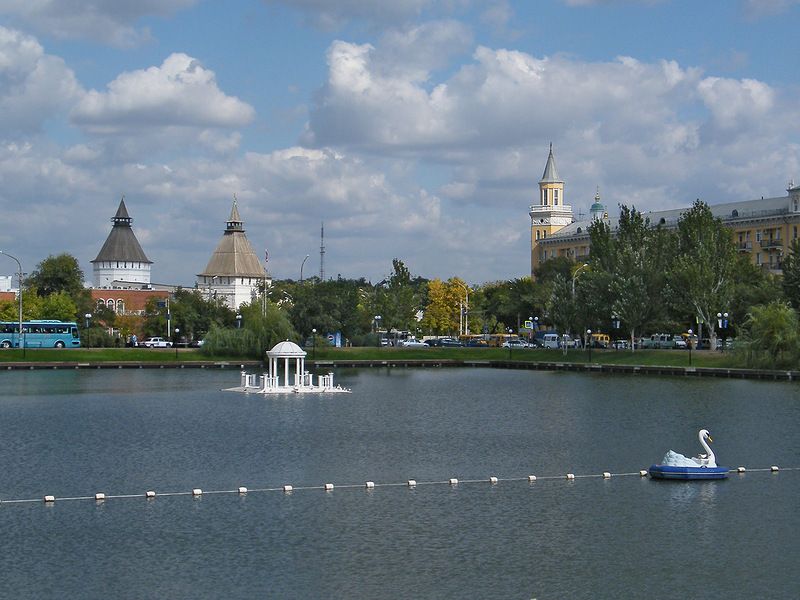
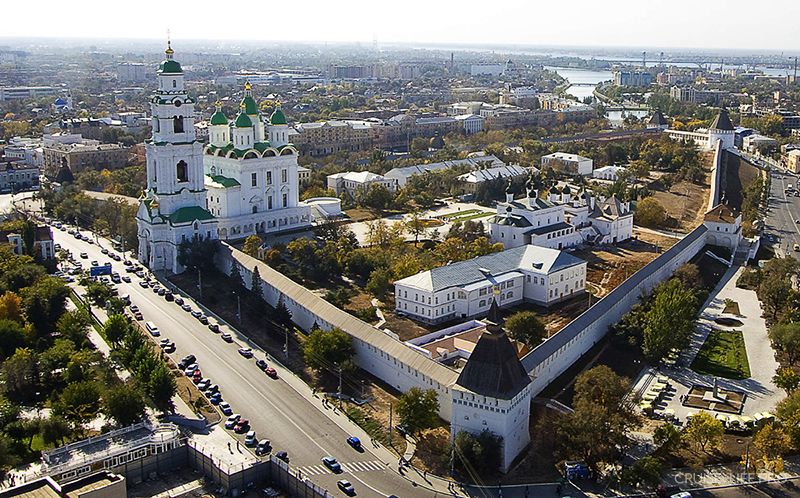
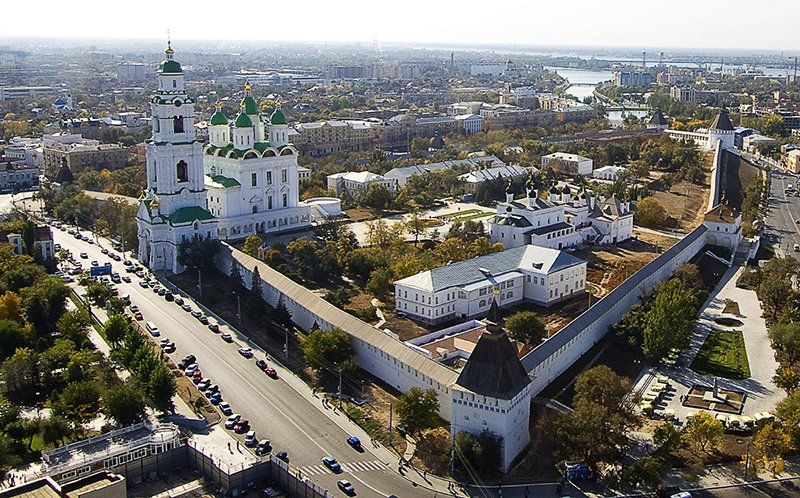
Astrakhan Kremlin is a fortress in Astrakhan, built on the site where in 1558 Ivan the Terrible relocated the city he had captured. The construction of the Astrakhan Kremlin is connected with an important period in Russian history, when the further growth and strengthening of the Russian centralized state was hindered by a constant threat of attacks from the east.
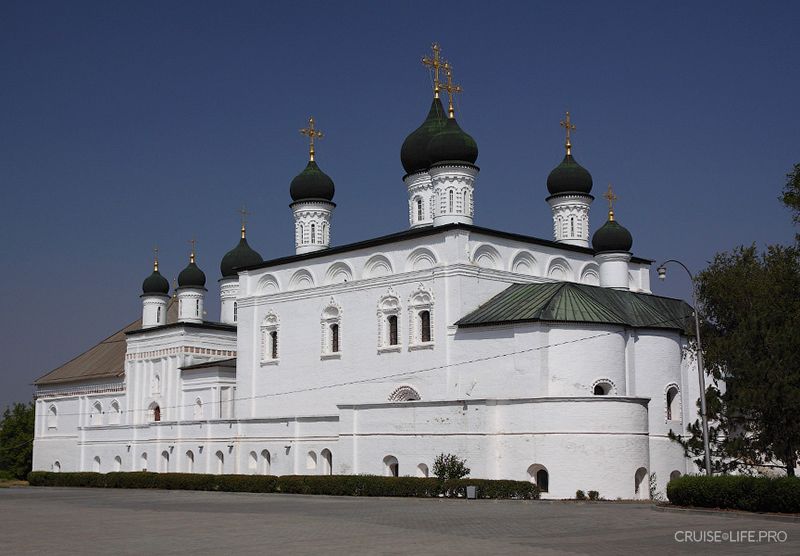
Dormition Cathedral
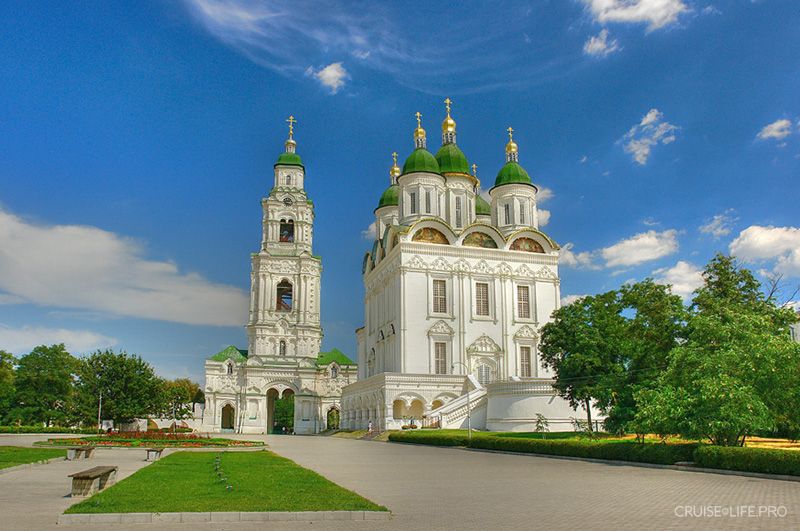
Assumption Cathedral is the largest Orthodox church in Astrakhan. It is located within the Astrakhan Kremlin. Built in 1699-1710.
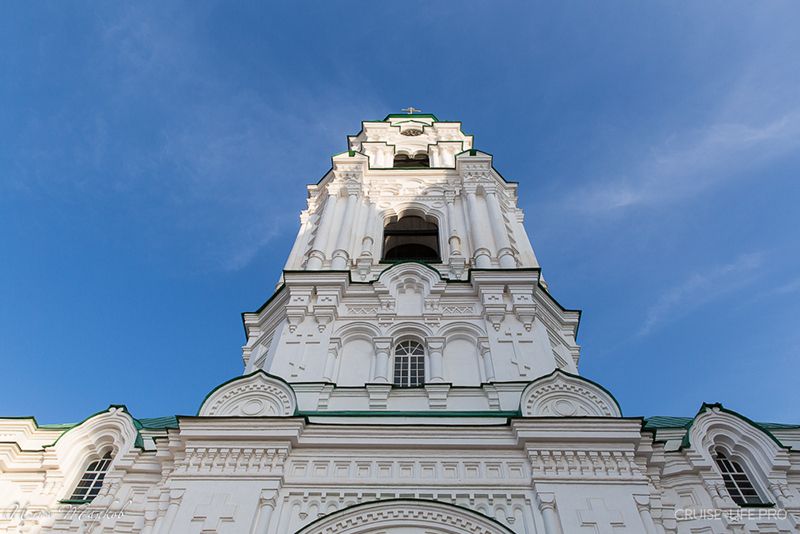
Kremlin Bell Tower
The Kremlin Bell Tower is rightfully considered one of the symbols of the city of Astrakhan. Its eighty-meter silhouette is visible to people in Astrakhan from virtually any point in the city.
Cathedral of the Monastery of the Trinity of the Life-Giving
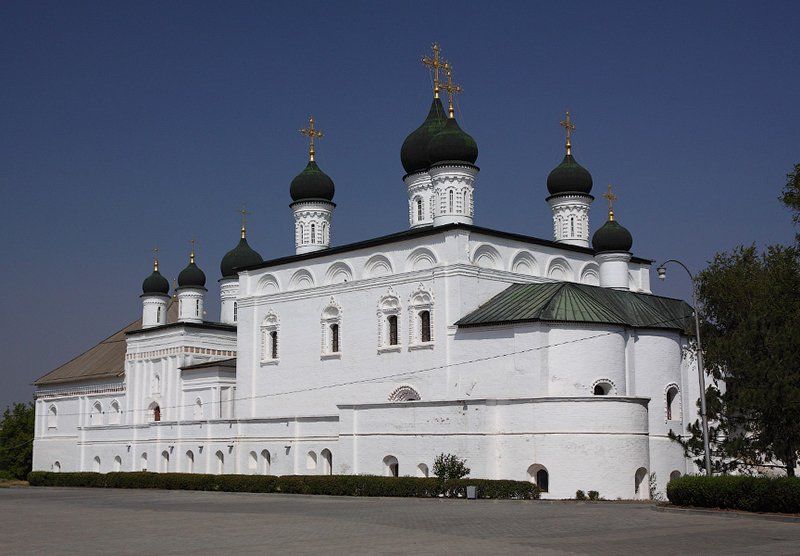
Cathedral Monastery of the Trinity of the Life-Giving - a complete architectural complex: The Great and Small refectory chambers in the western part of the building, the northern part is represented by two churches, on three sides surrounded by single-storey galleries on a substructure. The wooden monastic cathedral was built here in 1576; in 1603 with the monastery’s funds, a stone church was erected. In the 18th century the Trinity Monastery was attached to the Trinity-Sergius Lavra, until in 1765 it was transferred under the jurisdiction of the Office of Public Benevolence - in those years part of the monastery buildings was dismantled for the construction of a gymnasium; only the Trinity cathedral remained.
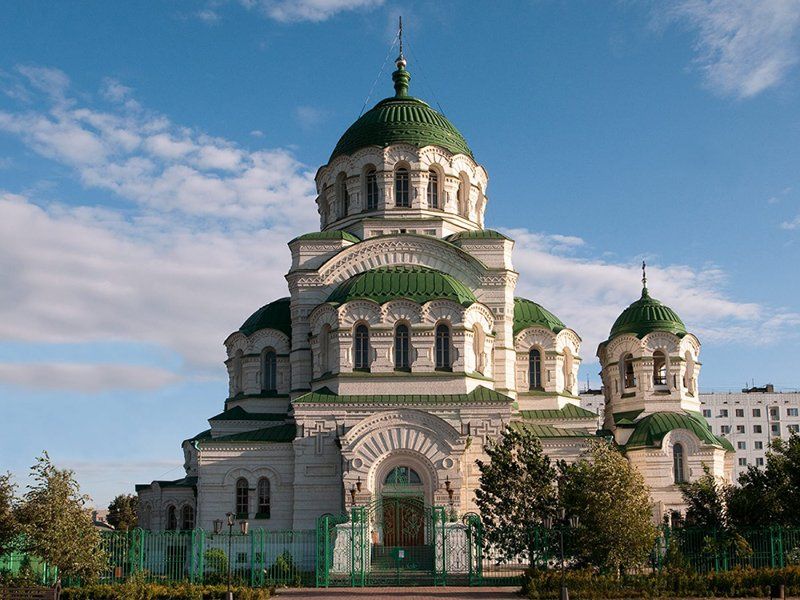
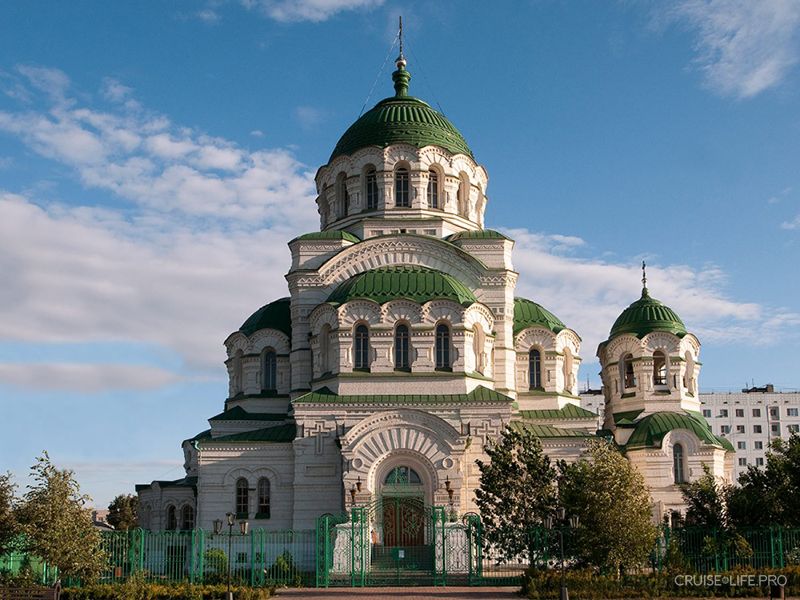
St. Prince Vladimir Cathedral
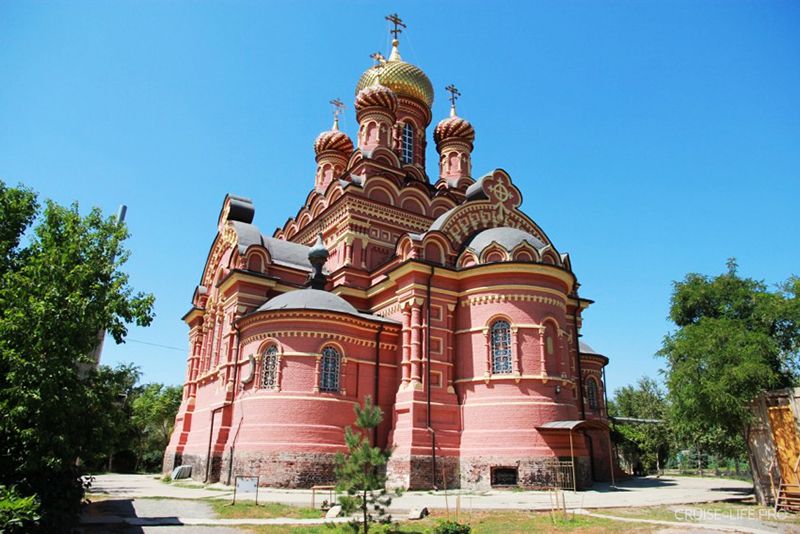
The appearance of this beautiful temple in honor of Saint Equal-to-the-Apostles the Great Prince Vladimir in Russia’s Caspian capital is connected with a special date - the 900th anniversary of the Baptism of Rus’. Worshippers were amazed by the temple’s interior and exterior furnishings: the emphasized style of an ancient Byzantine church, carved wooden iconostases, and exquisite interior murals. In the revolutionary year of 1917, the temple was destroyed by fiery strikes. Its salvation from complete destruction came with the vision of the Virgin Mary on the temple’s dome, who walked along the rim for 3 days. In 1939, the temple was closed by the Soviet authorities, and several attempts were made to blow it up. But not only Orthodox Christians, but also Muslims formed a tight ring around the temple, thereby preventing the planned act.