Archaeological Museum
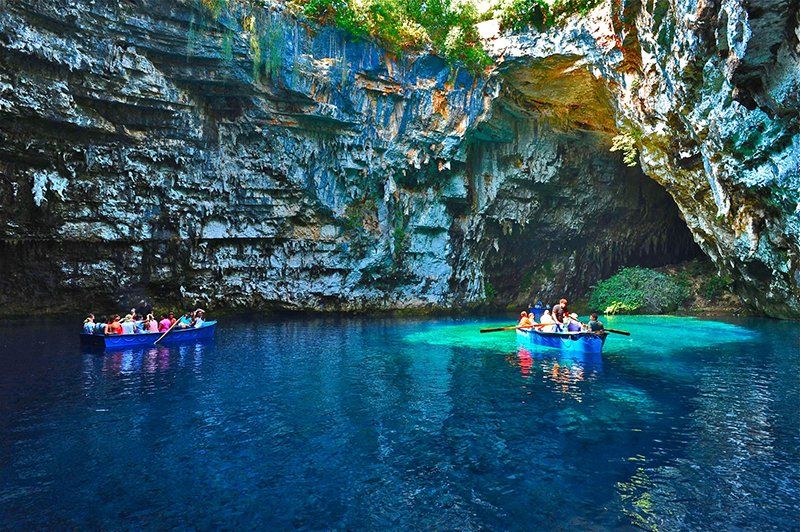
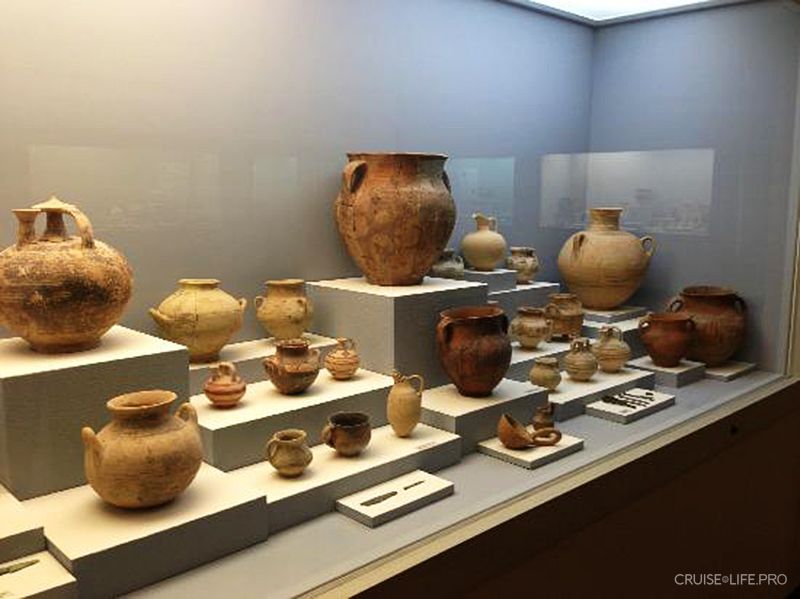
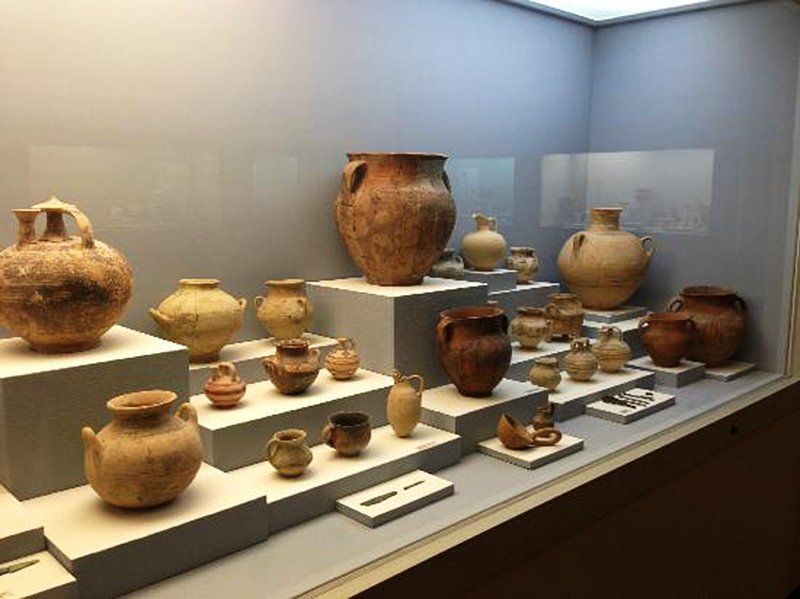
The museum presents antiquities found on the island of Kefalonia, dating back to prehistoric times and later periods. Here you will find an extensive collection of Mycenaean artifacts, ceramics and jewelry from excavations around Lake Melissani, tomb slabs from the 3rd century BC, a mosaic from the Temple of Poseidon from the 2nd century BC, and archival photographs of the 1899 excavations.
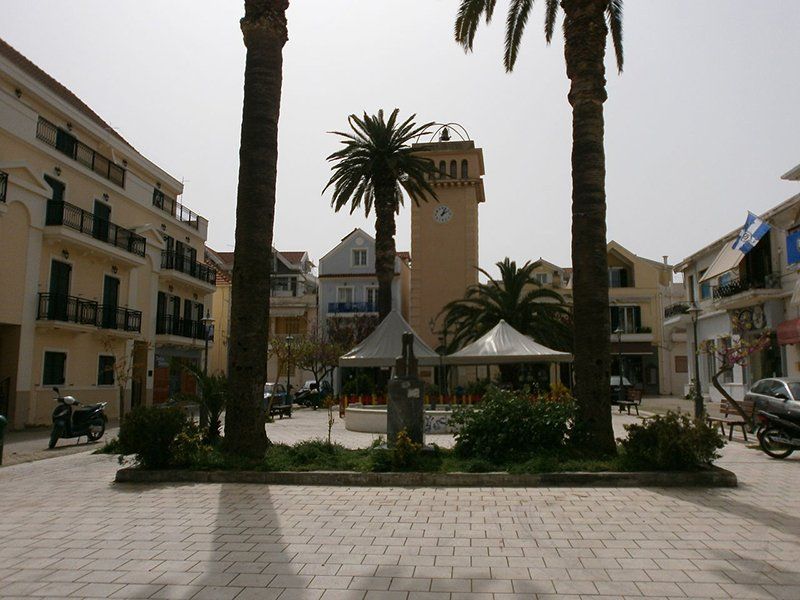
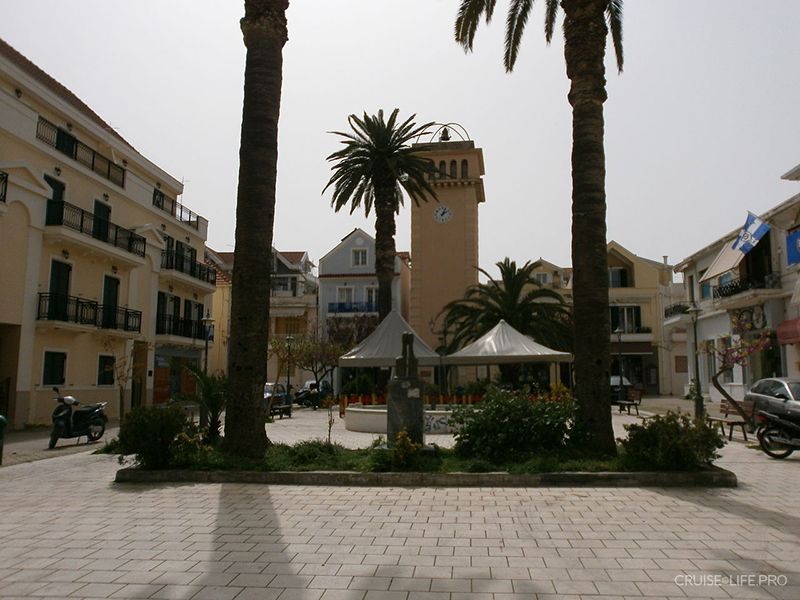
Kabanas Square
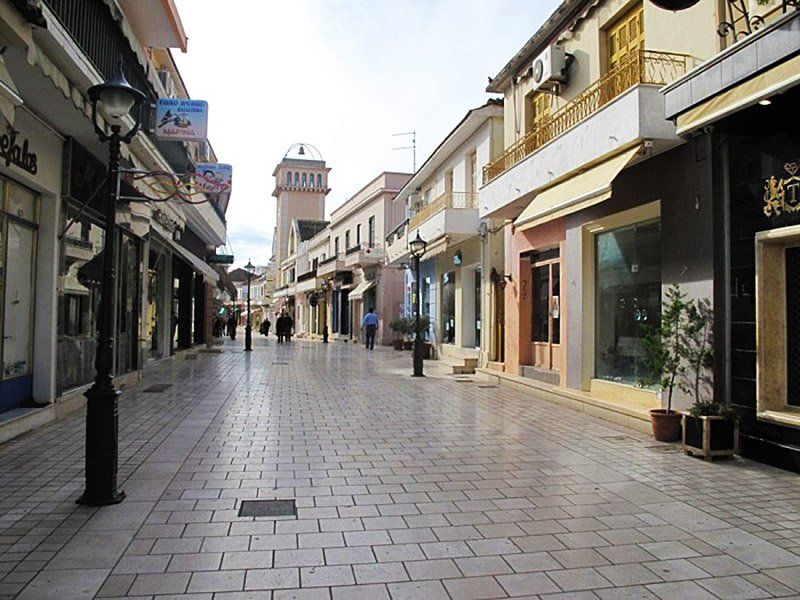
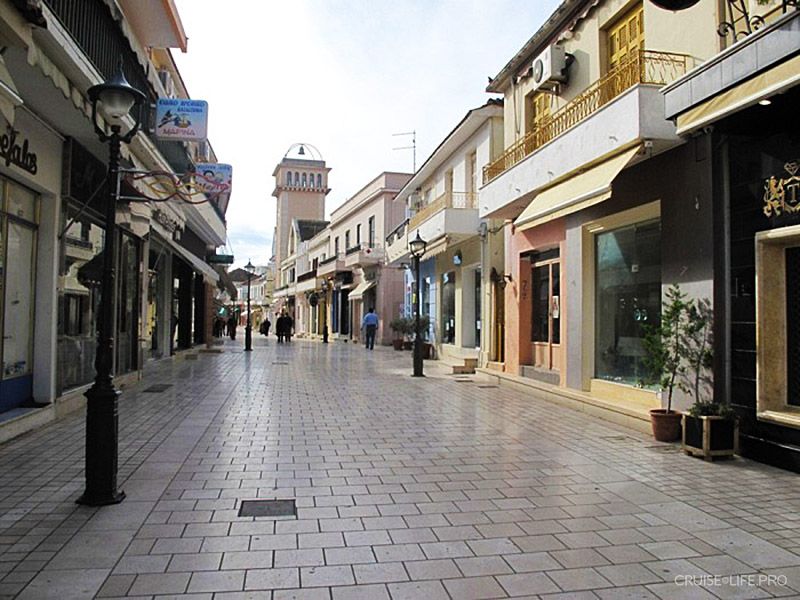
On Kabanas Square you’ll find small restaurants and cafés, as well as a bell tower from whose top you can enjoy a panoramic view of Argostoli and view a photo exhibition about the tower. In the evenings, this is a favorite place for strolls.
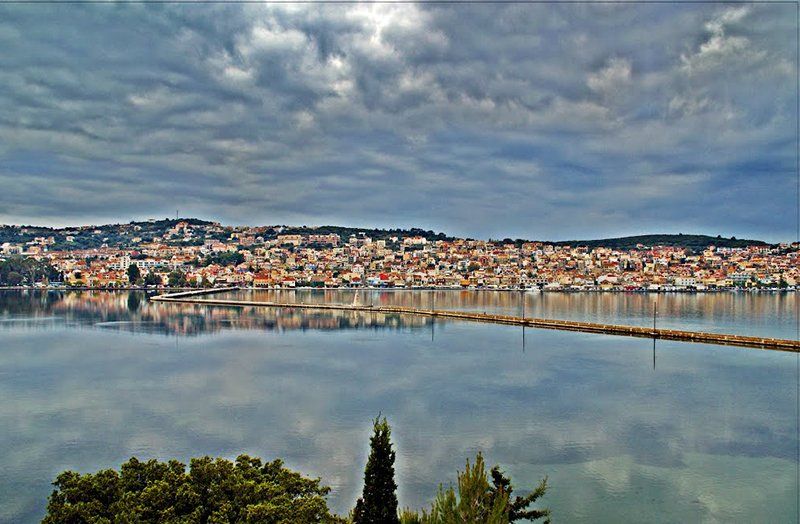
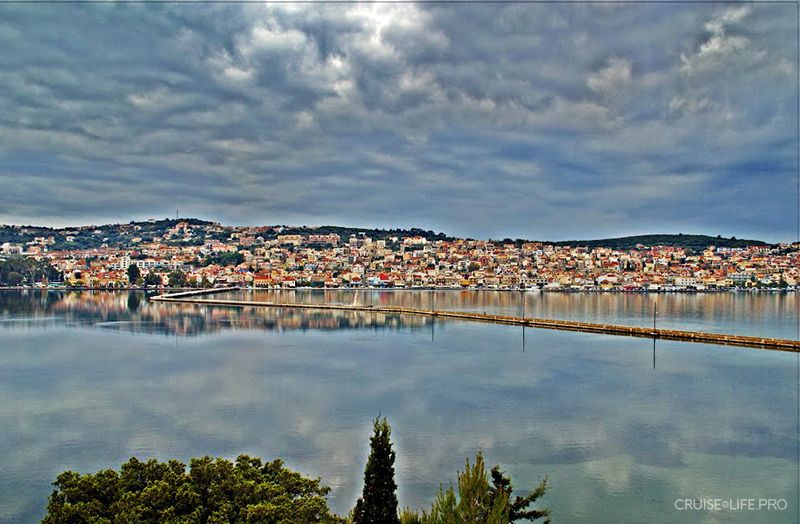
Drapano Bridge
Drapano Bridge is an important historical landmark of Argostolion. Built during the British rule, it was erected in 1813 by the Swiss engineer Charles de Bosse. The original structure was made of wood, but in 1842 the bridge was completely rebuilt in stone. About halfway along-parallel to the bridge-an obelisk rises from a stone pedestal in the water. Since its foundation, a commemorative plaque with the inscription “To the Glory of the British Empire!” had been mounted on it. But in 1865, a year after the end of British rule, the plaque mysteriously disappeared. Even today, the obelisk remains an important symbol of the island.
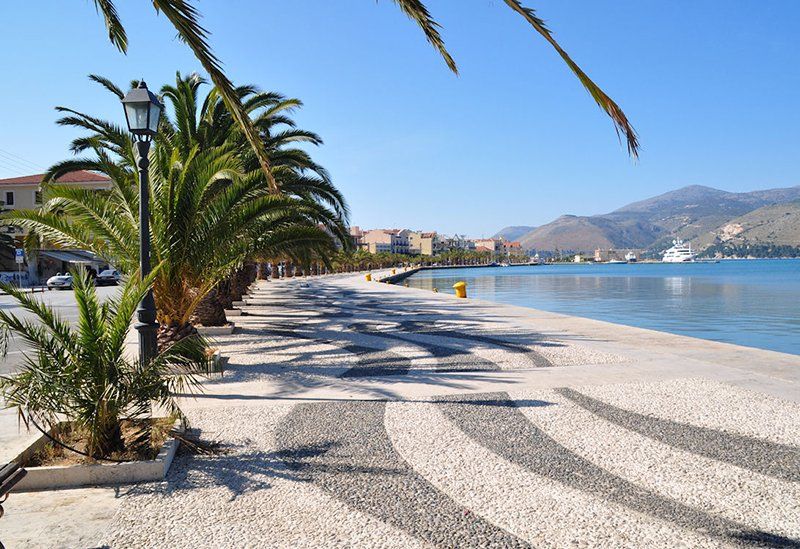
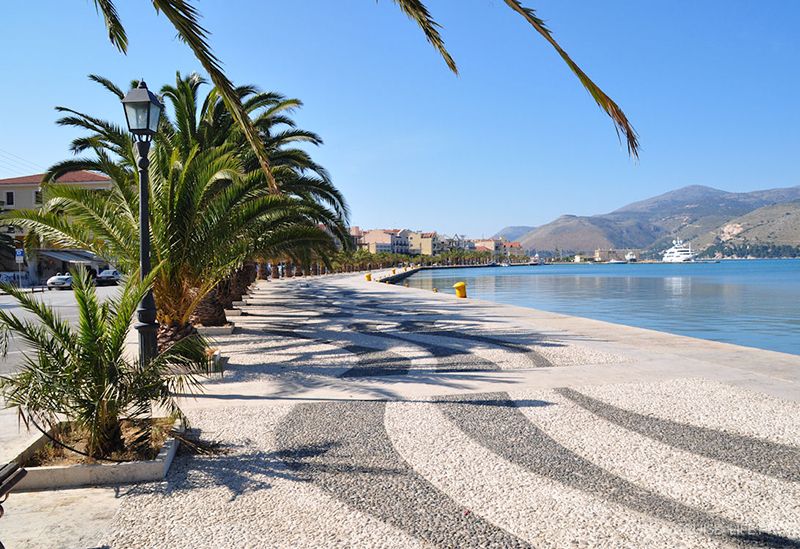
City waterfront promenade
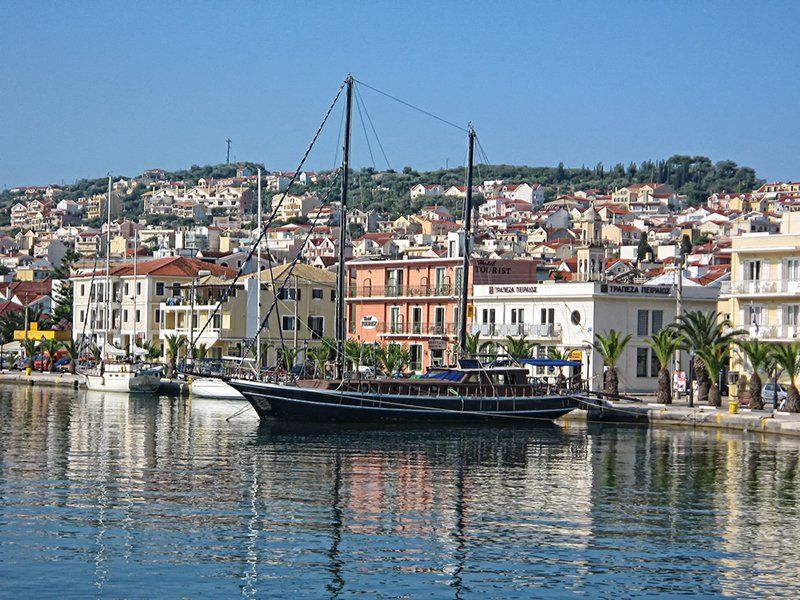
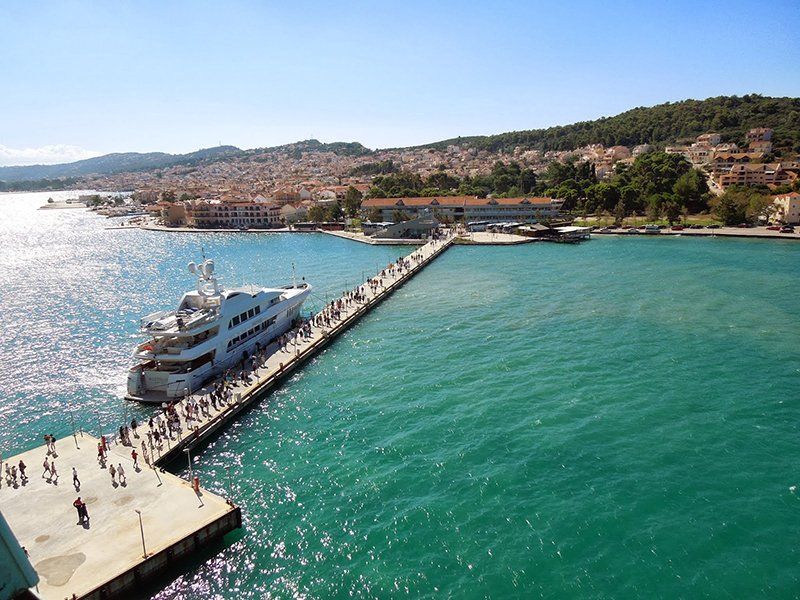
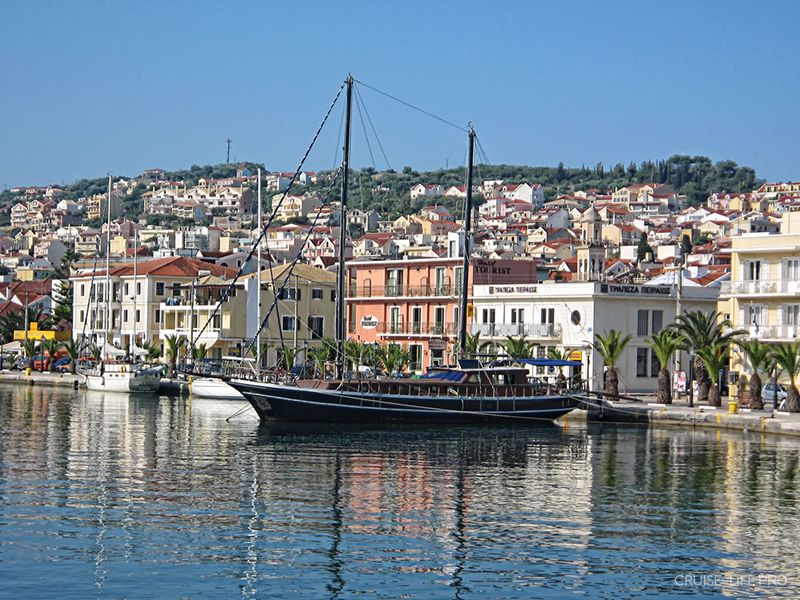
The waterfront is the jewel of the city of Argostoli. Stretching along the Kuvatós Bay, adorned with a neat row of palms, and paved with pebbles. The landscapes of the bay and the inner lagoon are enchanting. Their shores are connected by a stone pedestrian bridge, the Drapana. The air is filled with the scent of eucalyptus; there are places to rest, and swans swim.