

Mamluk Fort
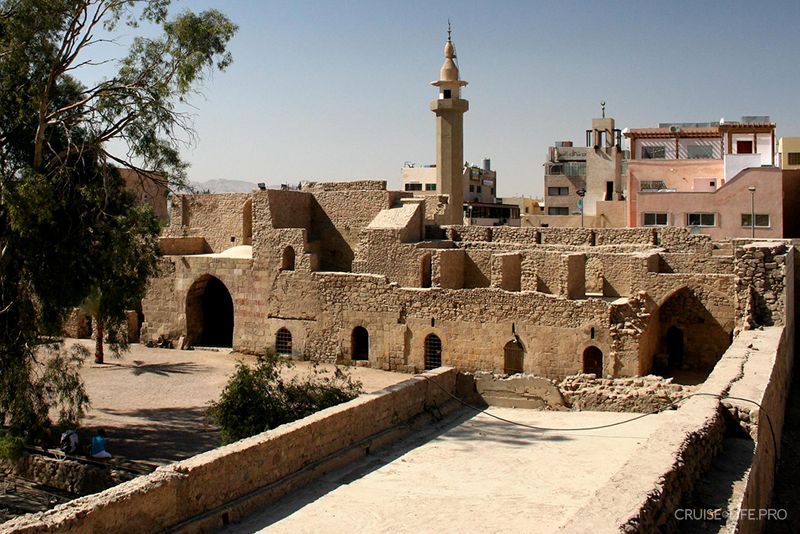
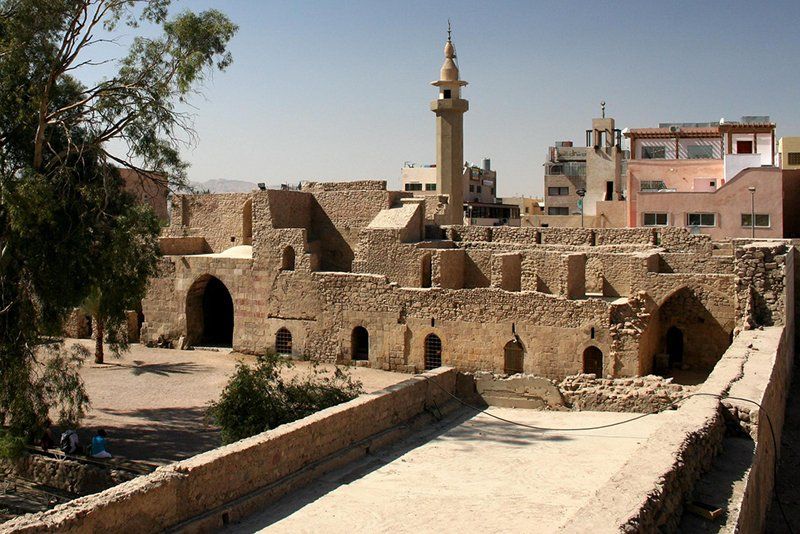
The walls of this palm-surrounded fortress changed hands many times. In the 12th-13th centuries, the Crusaders built a castle here. Later, the fort was taken over by the Mamluks who arrived here, and in the early 16th century it underwent a new reconstruction-under the direction of Sultan Kansuh Al-Ghauri. The fortress served as a caravanserai for pilgrims traveling to Mecca, as well as a military facility. In the early last century, during the Arab Uprising, the forces of Auda Abu Tayi, with help from a British officer-Lawrence of Arabia-not only captured the fort, but also expelled the Turks from the city. The structure is square, fortified at the corners with semi-circular towers. On the walls, numerous inscriptions have been preserved, relating to the medieval period of rule of the Muslim dynasty.
Ayla Fortress City
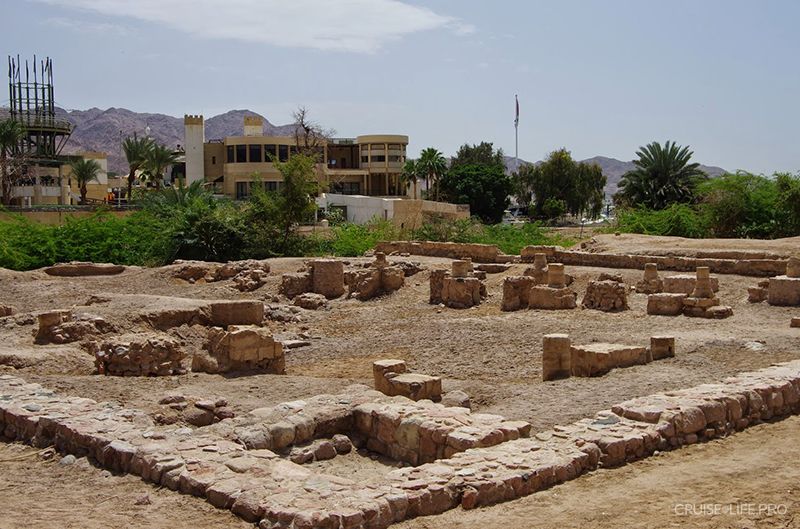
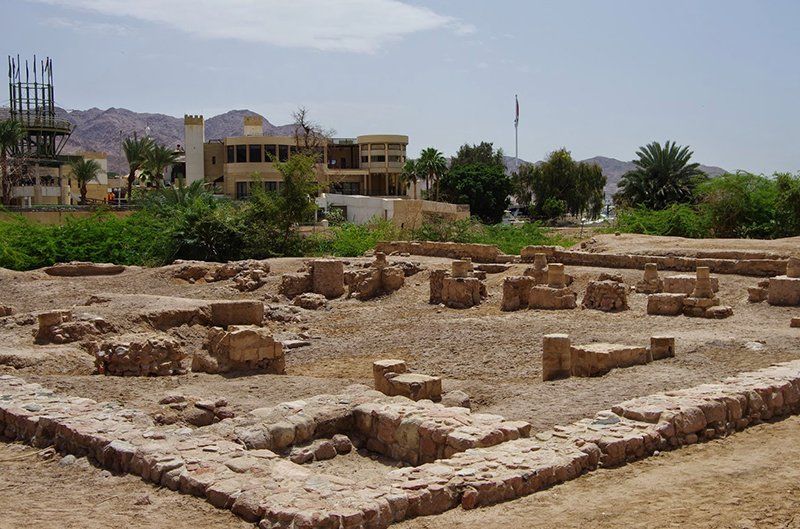
Ayla is an ancient city from pre-biblical times, which once was part of the Roman Empire. Today, modern Aqaba is located in its place. The first settlement appeared about six thousand years ago. According to biblical traditions, this city existed even during King Solomon’s reign and was situated at the crossroads of trade routes from Asia, Africa, and Europe. The name Aqaba comes from the ancient “Aqabat Ayla,” meaning “Ayla’s Pass.” Since ancient times, a road has been running here through the granite mountains to the north of the country. Between the 7th and 11th centuries, Ayla served as a resting place on the way for pilgrims performing the Hajj to Mecca. Archaeological excavations are still taking place at the site of ancient Ayla (they have already revealed to the world the ruins of city gates and walls with towers, and even mosques).