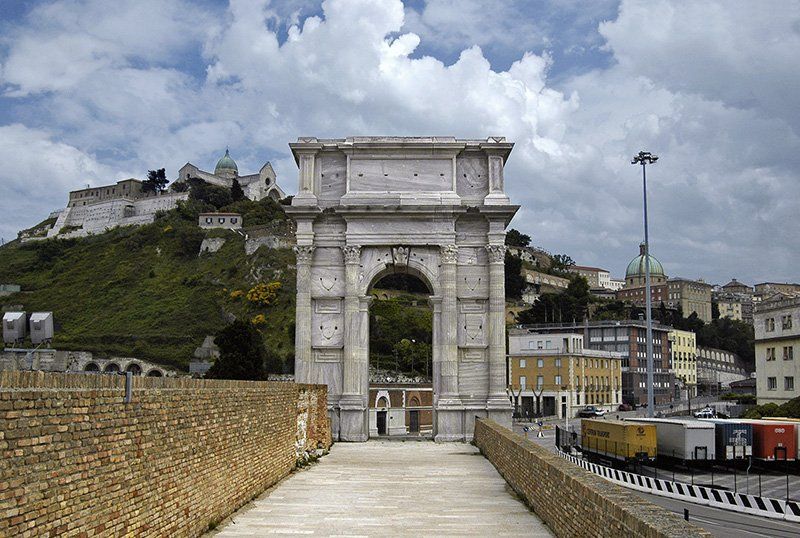
Arch of Trajan
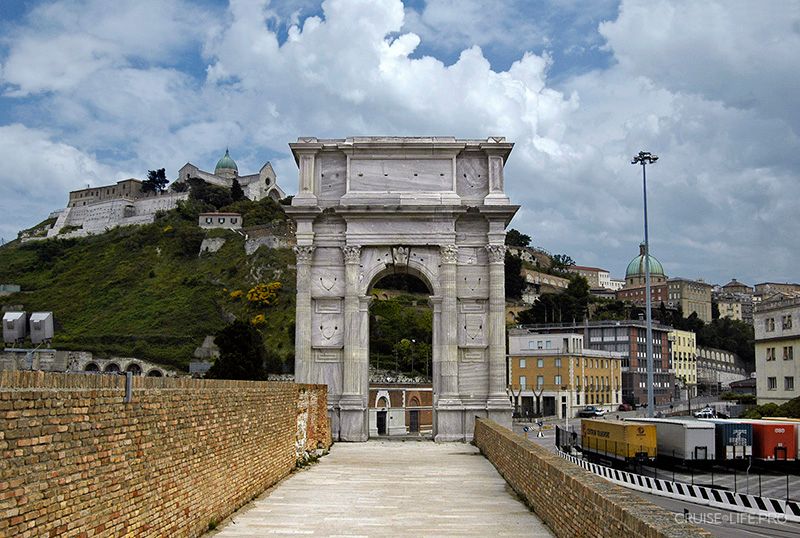
Trajan’s Arch is located on one of the piers in the port and is the most grand Roman monument in Ancona, and indeed throughout the entire region of Marche. It was built in 116 AD in honor of Emperor Trajan-the victor over the Dacians and the restorer of the local port. This elegant structure belongs to one of the most renowned ancient Roman architects-Apollodorus of Damascus.
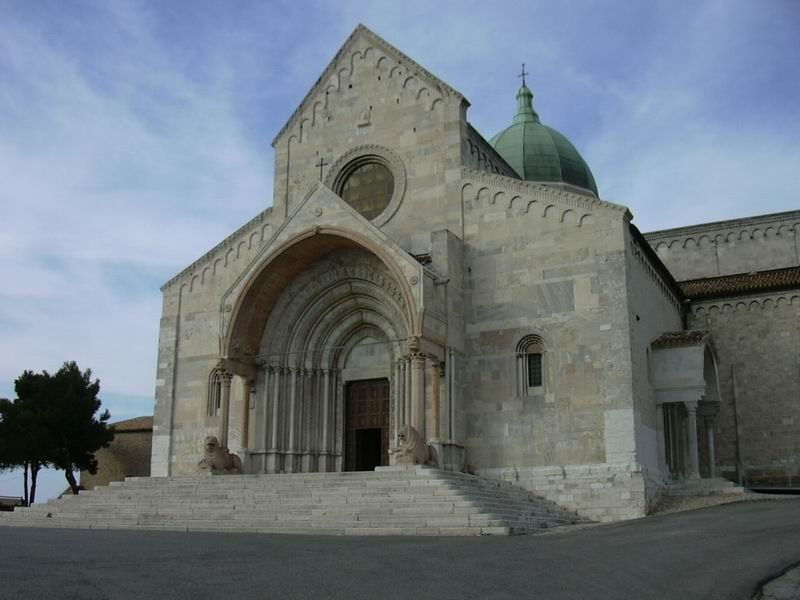
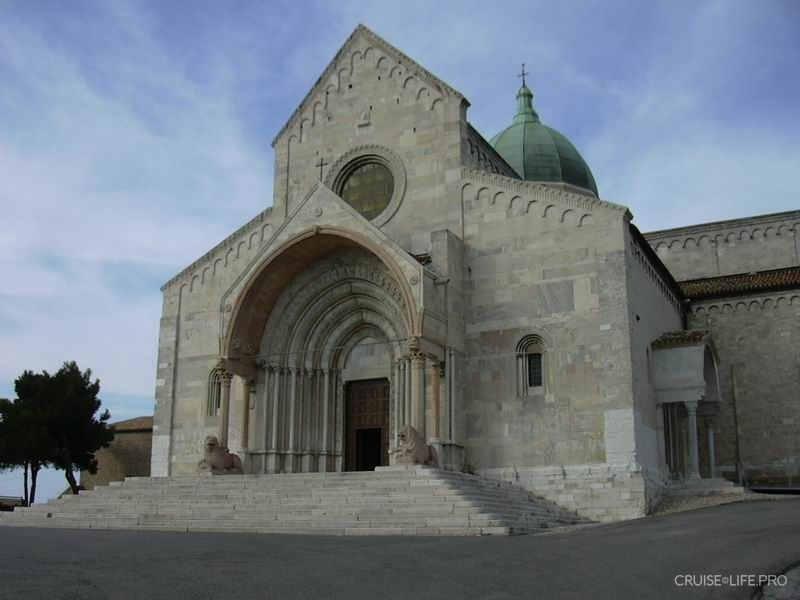
Ancona Cathedral
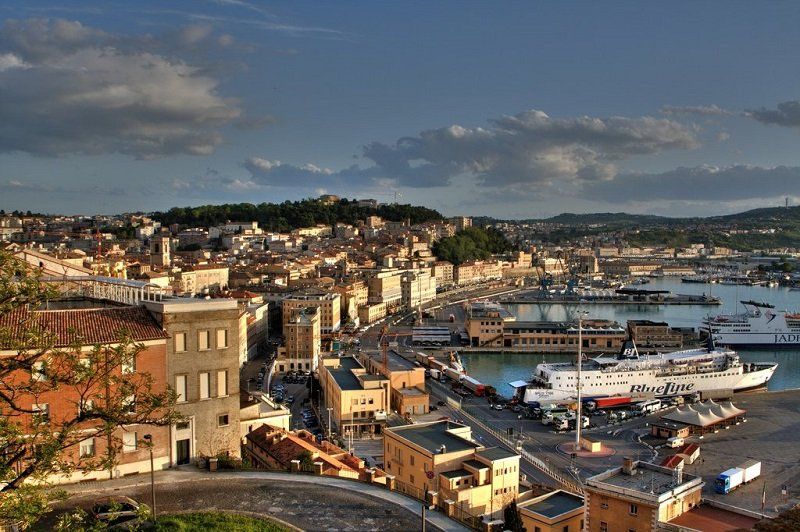
The majestic Cathedral stands on Guasco Hill, rising above the port-here you can enjoy breathtaking views of Ancona and the Adriatic Sea. The wooden cathedral roof from the 11th century is built in the shape of an upside-down boat, and the most distinctive feature of the church is its 12-sided dome. The Cathedral was built on the site of an ancient sanctuary dedicated to Venus. And today you can still see fragments of the ruins beneath the church.
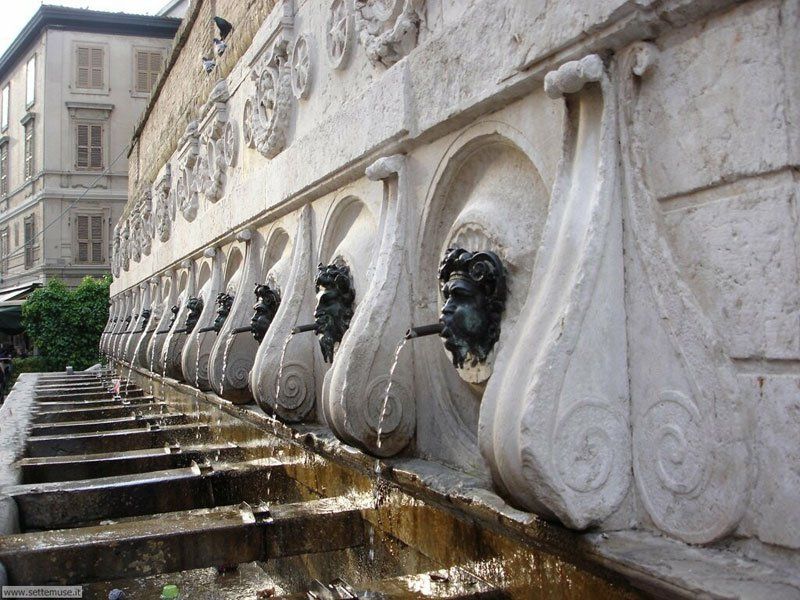
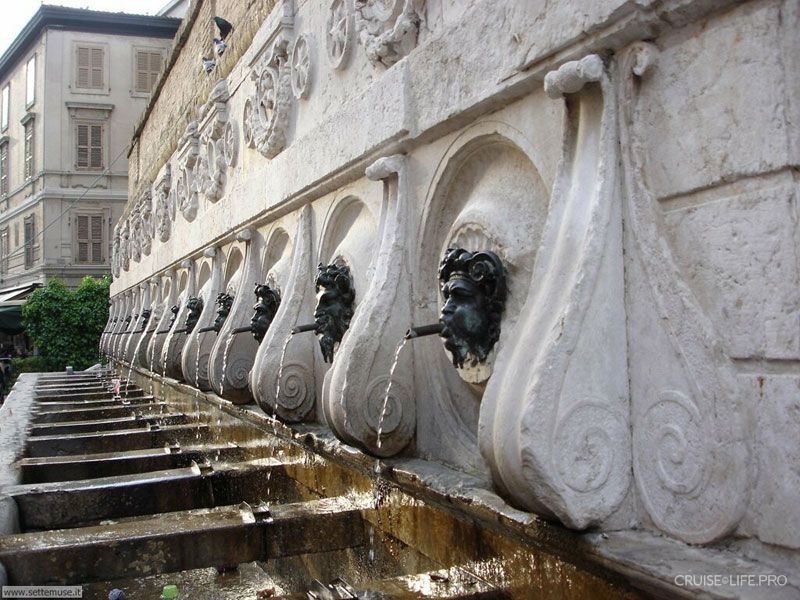
Calamo Fountain
Fontana di Calamo is the oldest fountain in Ancona. It is believed that it was built here back in the mid-15th century, when water tanks for drinking water were established in the city. The fountain’s name (reed, bulrush) recalls that there used to be a swamp in this area. At first, it was merely a spring; the fountain was given its artistic form in the mid-16th century, when architect Pellegrino Tibaldi took charge of its design. Twelve fountainlets are built into the city wall in the form of bronze fauns and satyrs. The thirteenth, central fountainlet is also a faun’s mask, but made of stone. Hence the fountain’s second name-the Fountain of Thirteen Streams. There is a belief that, in order to return to Ancona again, you must surely drink from the Fountain of Thirteen Streams.
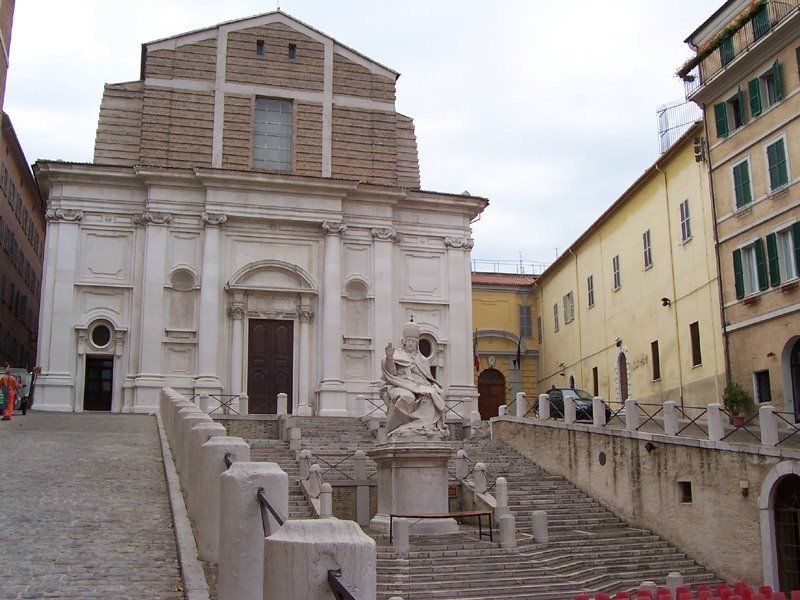
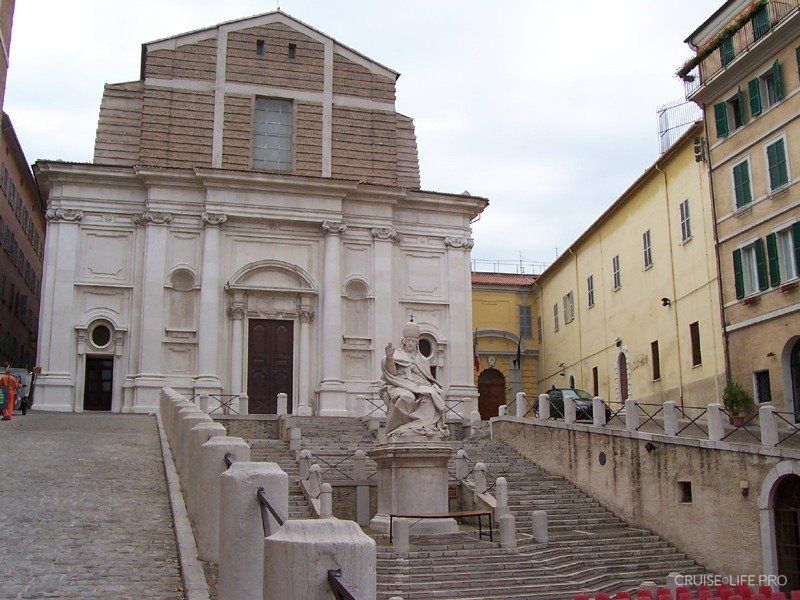
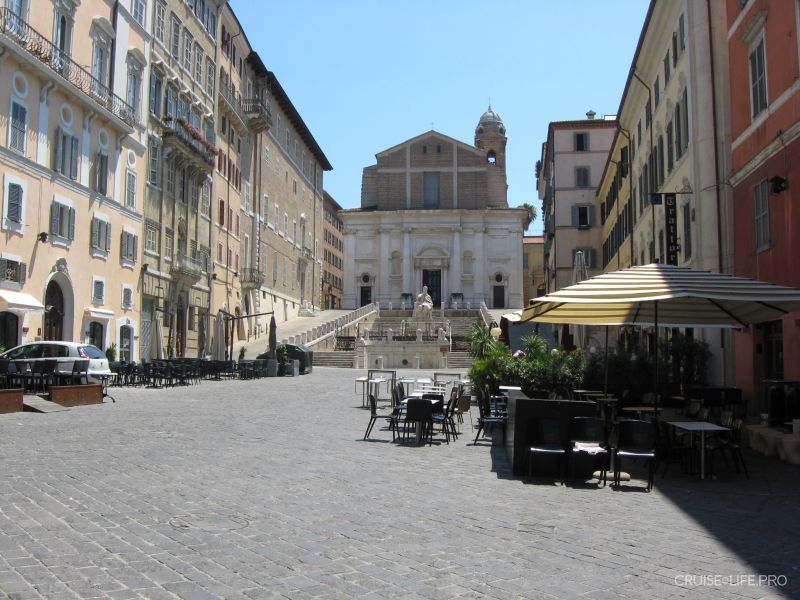
St. Dominic’s Church
The Baroque Church of Saint Dominic was built in 1765 according to the design of Italian architect Carlo Marchionni on the site of a 14th-century medieval temple. Among the church’s artistic treasures are the superb “Crucifixion” (1558) by Titian and the “Annunciation” (1662) by Guercino, the Italian painter of the Bolognese school. Also noteworthy are the medallions and statues by Gioacchino Varlè depicting saints canonized by the Dominican Order. The temple was damaged by British bombing during World War II; its aftermath was only removed during a major church reconstruction in the 1980s.