Amsterdam, Netherlands

Port of call

Amsterdam, Netherlands

Description — Amsterdam, Netherlands

Amsterdam - the capital and largest city of the Netherlands. It has been the capital of the kingdom since 1814. Located in the province of North Holland in the west of the country, at the mouths of the Amstel and IJ rivers. Amsterdam is connected to the North Sea by a canal.

Amsterdam is an incredibly attractive and beautiful city. Here, in addition to sightseeing an enormous number of attractions, you can take part in so-called “signature” excursions such as “Alternative Amsterdam” or “Crazy Amsterdam”. They are dedicated to the city’s nonconformists: hippies, punks, representatives of sexual minorities, and others. During the tour, theory is supported by hands-on activities: visiting “coffeeshops”. The cost of this type of excursion is around 200 EUR per person.

Getting oriented in the city for newcomers to Central Station (who, as a rule, are the majority). Standing with your back to the station, you can see: straight ahead - Tourist Amsterdam; to the left - the Red Light District; to the right - Real and traditional Amsterdam.

Climate

Amsterdam is not only another European capital, but also one of the most appealing tourist cities for thousands of people. So it’s no surprise that the concept of the “low season” simply doesn’t exist here. However, there are days when there are a little fewer tourists on the streets than usual. This is usually in winter (excluding Christmas!), when the days get shorter (daylight lasts just 8 hours), and the weather is too chilly for long walks along the canals. July and August are the hottest months, with an average temperature of +23 °C.

Native Amsterdamers always have a “raincoat” with them, because due to the proximity of the sea, the weather in Amsterdam is unpredictable and rain can happen at any moment. You can’t really go cycling with an umbrella (and cycling is the main mode of transport in the city), but a “raincoat” is just right.

It’s worth remembering a few dates when Amsterdam becomes incredibly beautiful: it is spring and endless blooming fields with tulips, and 30 April - Queen’s Day, when the whole city dresses in royal orange.

Location on the map

Sights

Royal Palace

Royal Palace

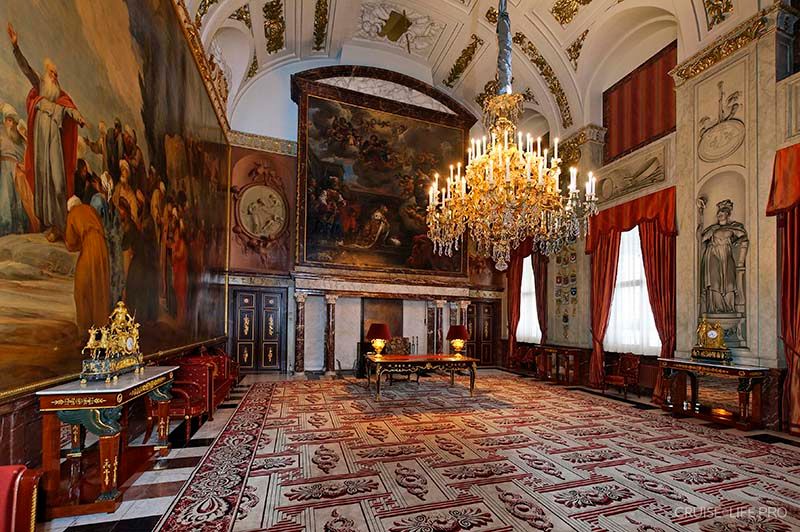
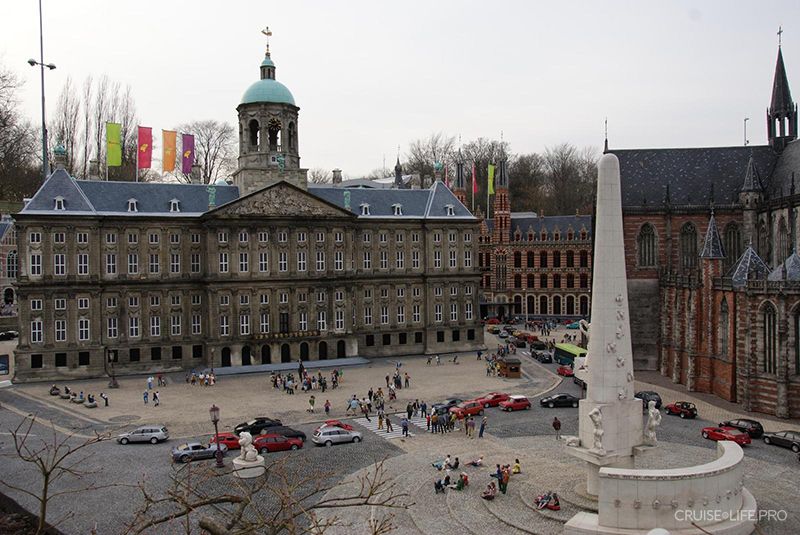
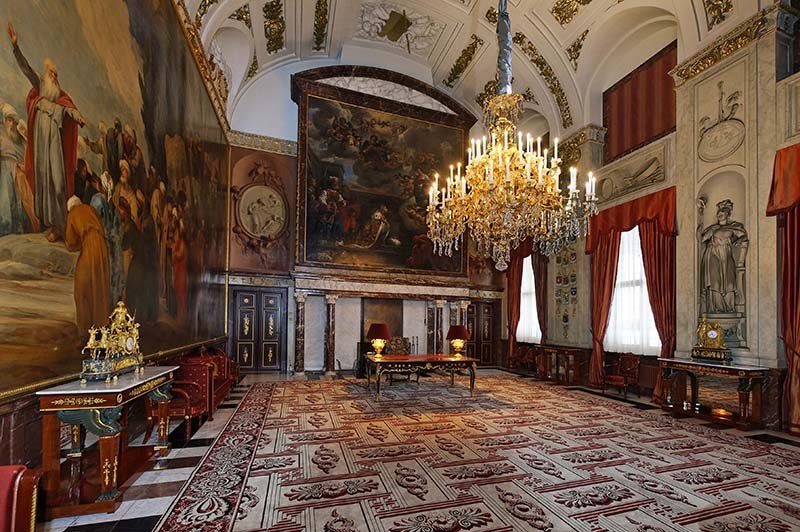
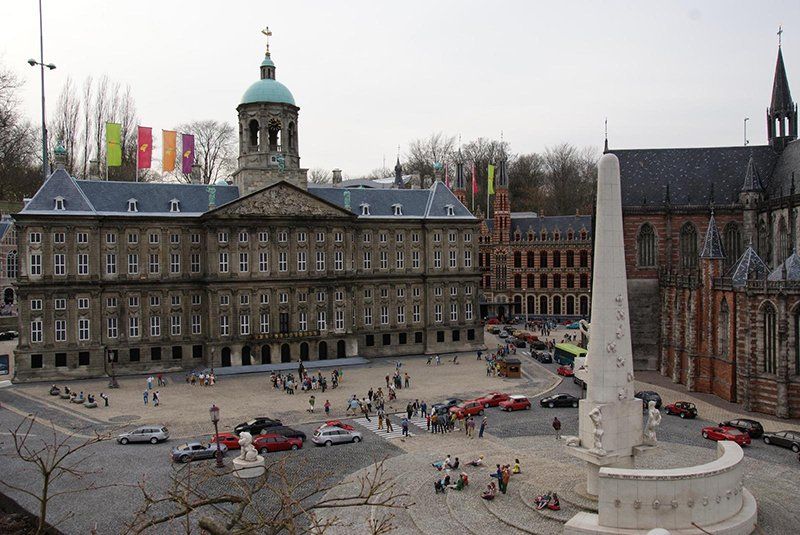
The Royal Palace building was originally constructed as the city town hall. Architect Jacob van Campen was tasked with designing an impressive structure. After all, at that time Amsterdam was Europe’s most powerful trading hub. Van Campen proposed building the structure in the Classical style, with architecture reminiscent of ancient Greece and Rome. To erect such a monumental building, it was necessary to drive 13 659 piles into the sticky, muddy ground, each 12 meters long. A special platform was constructed on top of the piles, and only then were the walls built. That is why the Amsterdam residents themselves considered the town hall building the eighth wonder of the world. Even today, this building is used for important official ceremonial events.
Madame Tussauds Museum

Madame Tussauds Museum

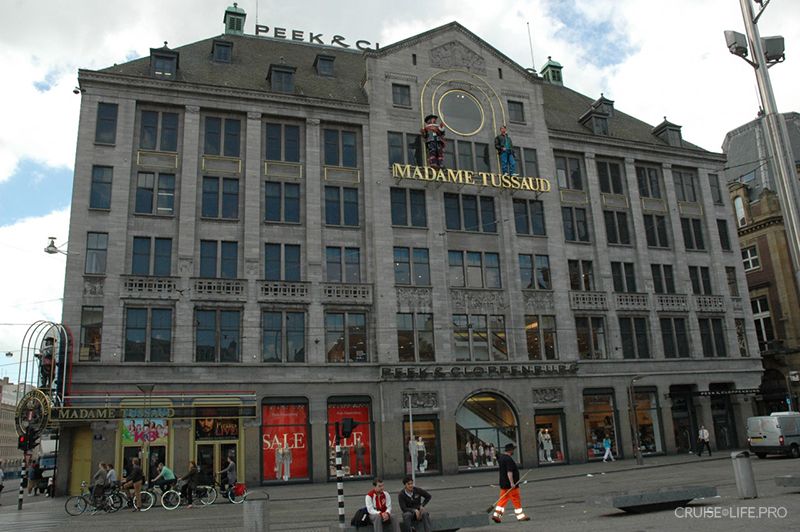
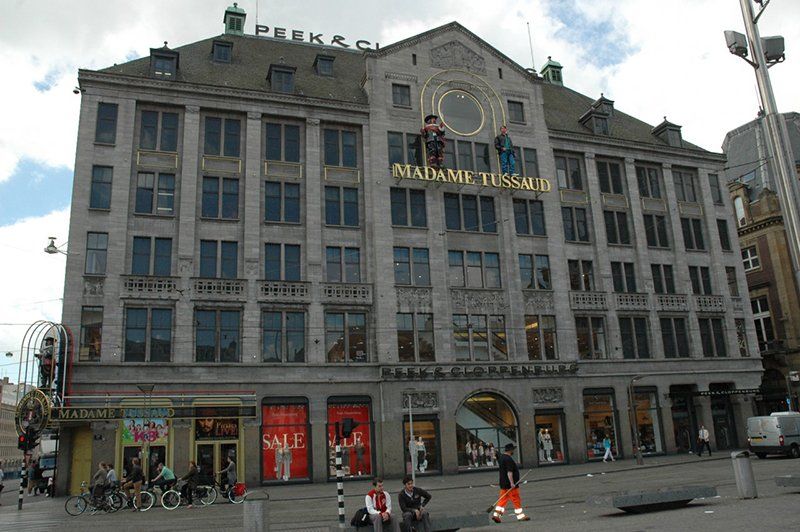
Branch of the London Museum of Wax Figures. Here you’ll find Barack Obama, Rembrandt, Gorbachev with Pavarotti, Queen Beatrix with the whole family, and even Spider-Man with Lady Gaga - hundreds of sculptures that look exactly like their originals. It’s very convenient to photograph the masterpieces: near the sculptures there are special spots where you can stand next to them, sit down, or even lie down, thereby blending harmoniously into the overall composition. The most curious can also take a look at the mini-workshop, where they make wax figures, and even take part in the sculpting. One of the museum’s sections is “The Amsterdam Dungeon”, a dungeon of Amsterdam. It’s something like a fear chamber in an amusement park-only much scarier.

Red Light District

Red Light District

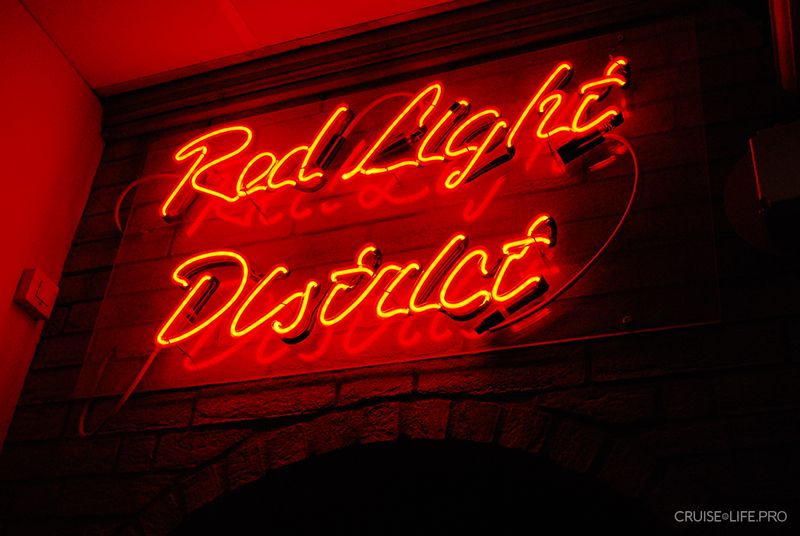
It’s an entire district, known since the 14th century, in the very heart of Amsterdam, not far from the port. Back then, the “night ladies” helped newly returned sailors relax after their voyage. Over the years, the “street” grew and developed, eventually earning the title of one of the main attractions of the Dutch capital.
Bergnhof

Bergnhof

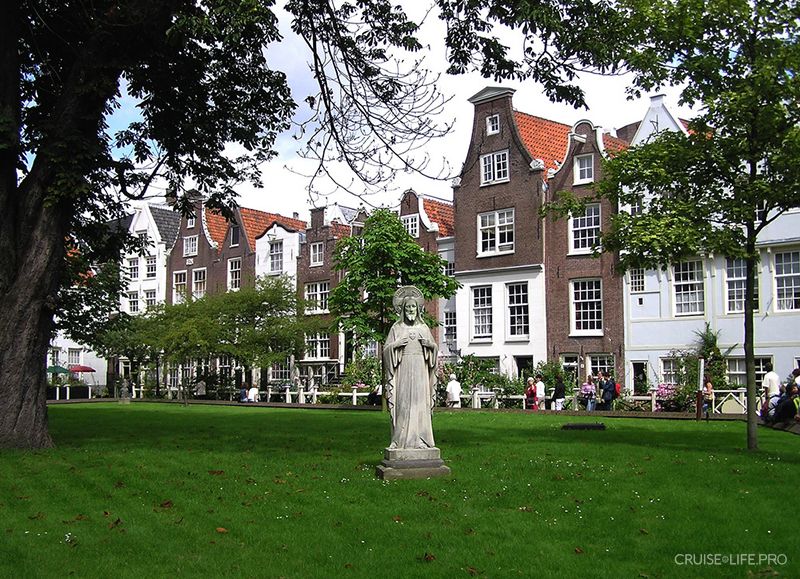
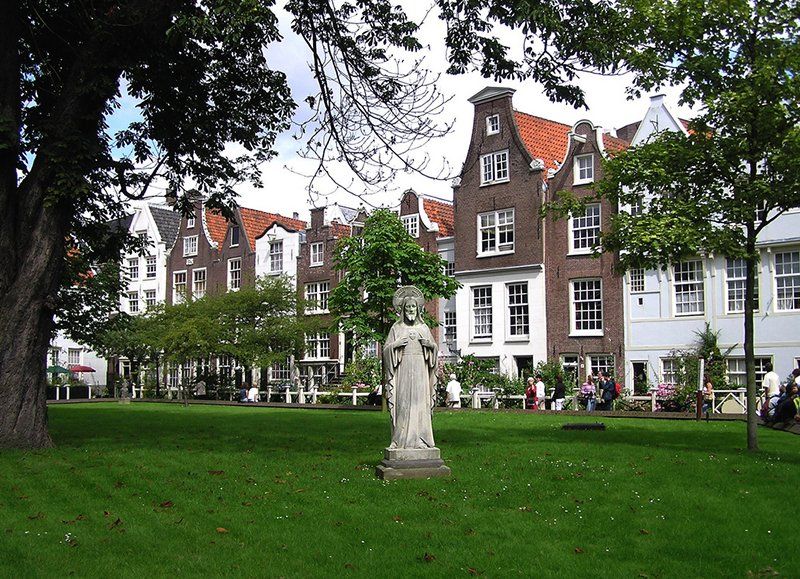
Begijnhof is an entire complex of charming cottages located at the level of medieval streets-one meter lower than the other historic buildings of Amsterdam. Today, this area belongs to the English Reformed Church, and at one time there was a monastery of beguines here. Begijnhof was built in the first half of the 14th century. It was surrounded on all sides by canals, and the only entrance was called “Beguines’ Alley.” The buildings in this complex are ordinary residential houses; their façades look as if they were built in the 17th-18th centuries. However, they are all based on Gothic wooden frames. One of the oldest wooden buildings in Amsterdam is also located here. This is House No. 34.
Vincent van Gogh Museum

Vincent van Gogh Museum

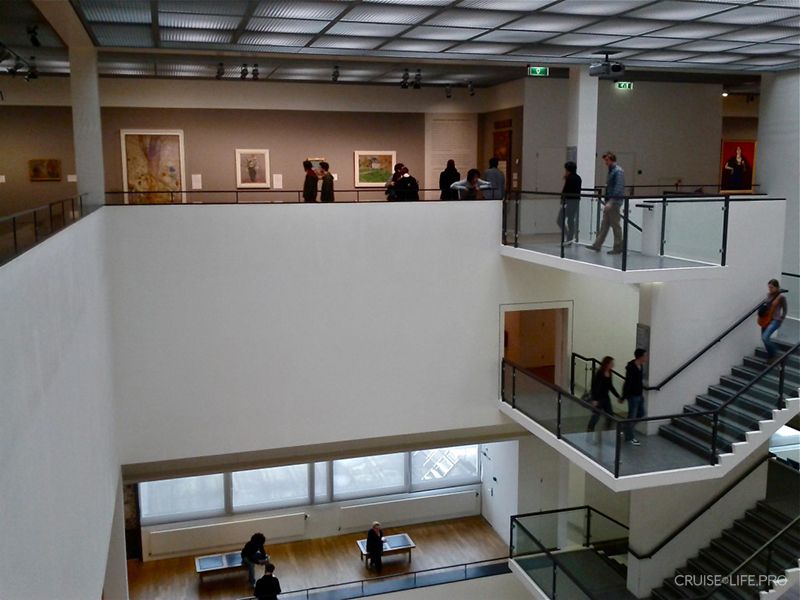
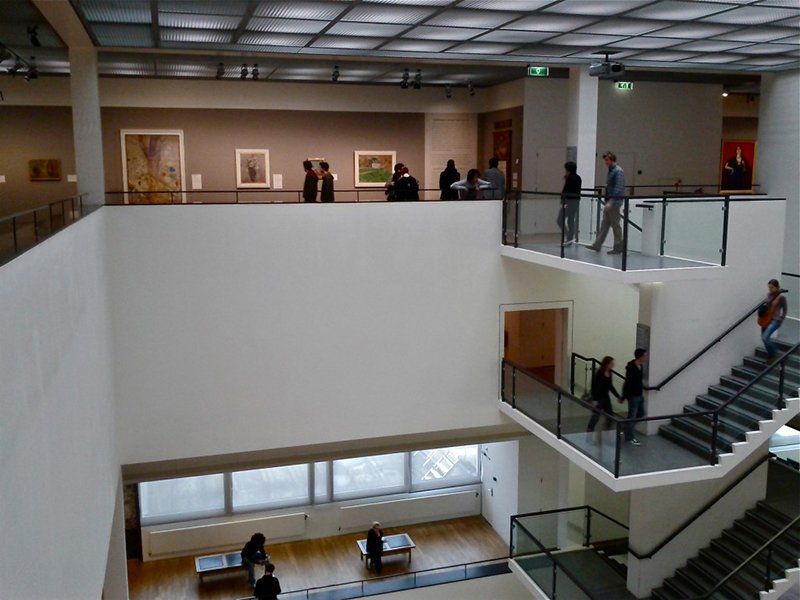
Even those who don’t know the word post-impressionism should visit the most popular museum in Amsterdam-the Van Gogh Museum. This is one of the largest exhibitions: around 200 paintings by this master, 500 drawings, and even more written documents are on display here. But the most important thing isn’t the quantity-it’s the quality: visitors will be able to follow all the stages of the artist’s development. This will be possible thanks to the fact that the museum showcases paintings from all periods of his creative work, which, alas, lasted just 10 years. The museum’s display is organized in a wonderfully engaging way and offers many interactive exhibits.
Anne Frank House

Anne Frank House

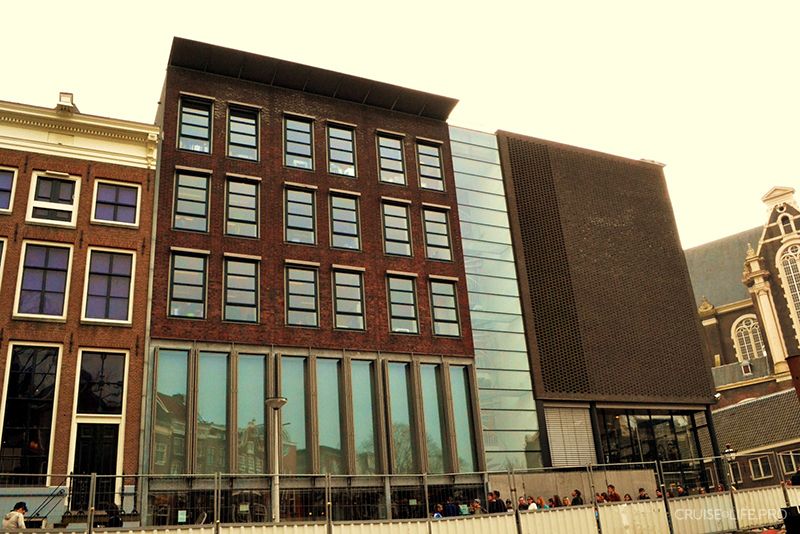
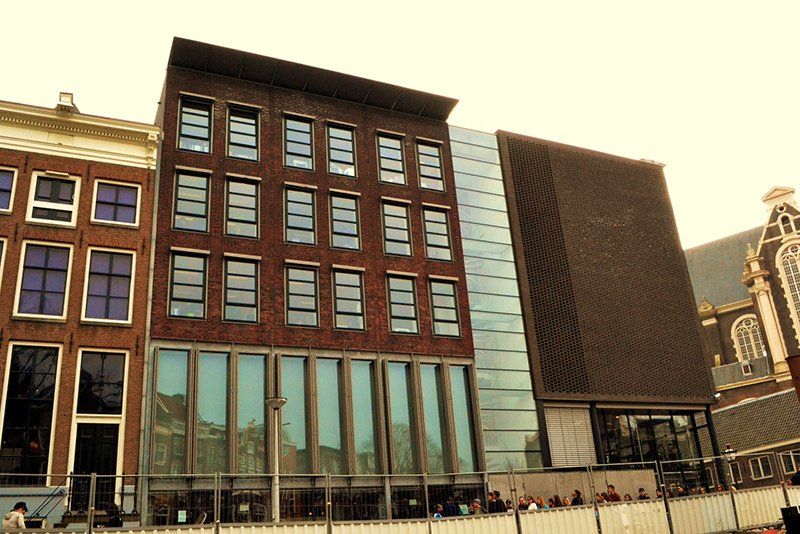
Anne Frank - a Jewish girl who died in Bergen-Belsen shortly before the end of the war, who kept a diary describing life in hiding during the Nazi occupation of Amsterdam. In 1957, a foundation bearing her name opened a memorial museum in that very house where the Frank family had hidden from the Germans for two years. The museum makes an indelible impression.
What to see

Historical City Centre of Amsterdam

Historical City Centre of Amsterdam

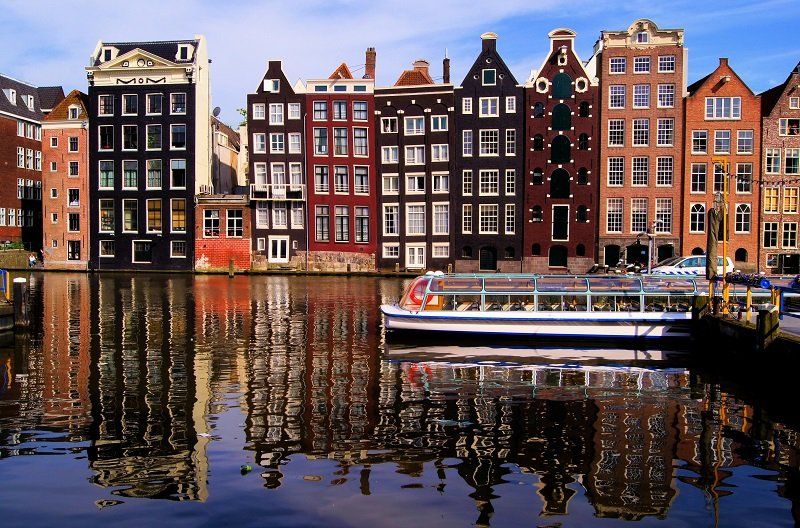
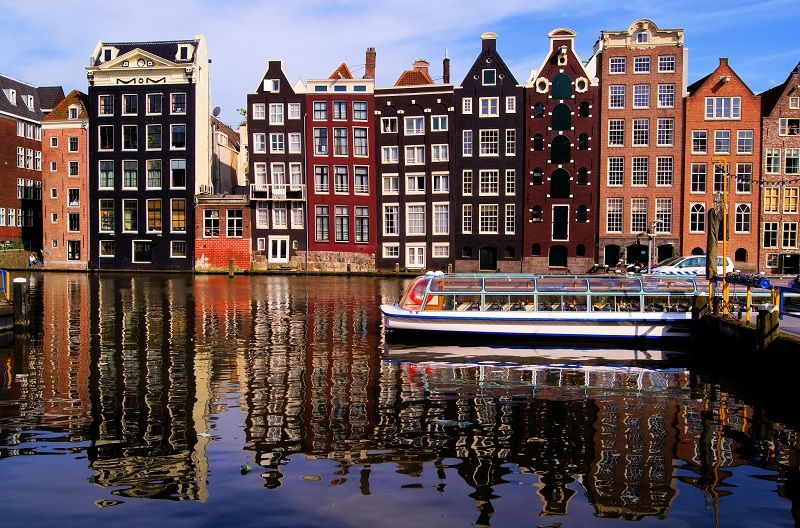
The historic center of Amsterdam is known for its many well-preserved medieval buildings: churches, residential and merchant houses. Due to the large and extensive network of canals, many buildings are supported by massive wooden pilings; over time, some begin to rot, and the houses start to “dance,” staying intact by leaning away from collapse toward their neighbors. On some facades, you can find transverse beams sticking out. Using a system of pulleys and ropes, these beams were used to lift cargo from the decks of sea and river vessels directly into storage rooms in the attics. The sculptural decoration of the gables is most often made as a stucco frame of a square or rounded shape, combined with ornaments symbolizing the homeowner’s line of work.

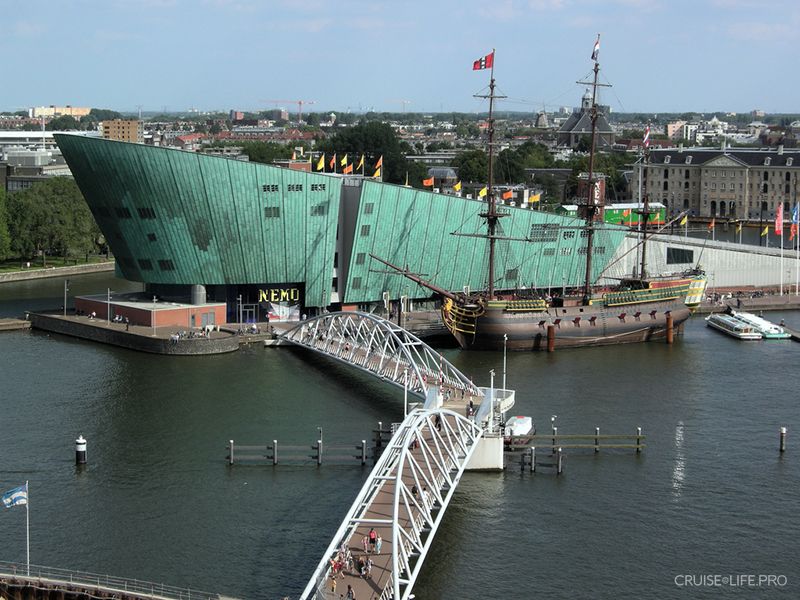
NEMO Science Center

NEMO Science Center

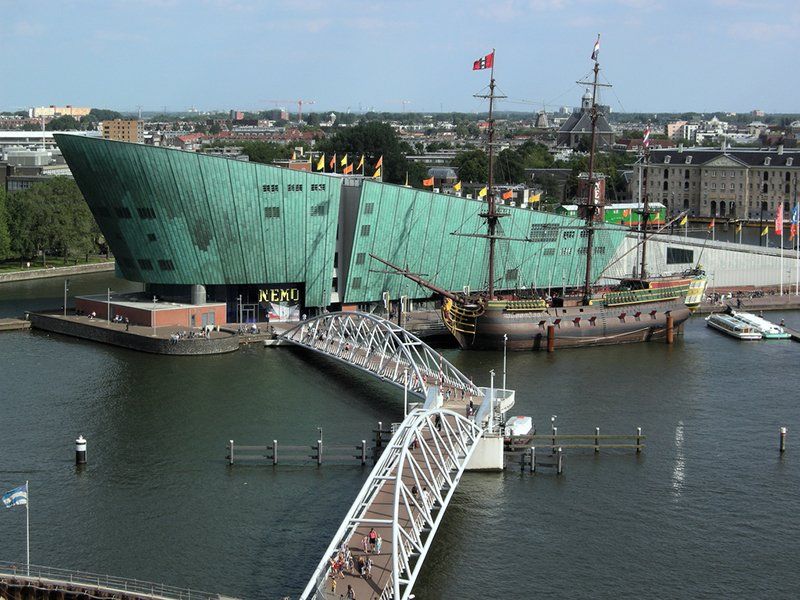
From afar, this building of the Science and Technology Museum resembles the bow of a sinking ship. And inside this “vessel” there’s a whole wealth of interesting things. Here you can learn why lightning flashes, what happens during a kiss, how satellites work, and why earthquakes occur. Learning is accompanied by audio and video materials; it’s engaging and gets you hooked-so the option of “just running through it for the checkmark” isn’t about the Nemo Museum. The most important thing: you’re allowed to touch, turn, poke, and even shake the exhibits to understand how everything is arranged and works.

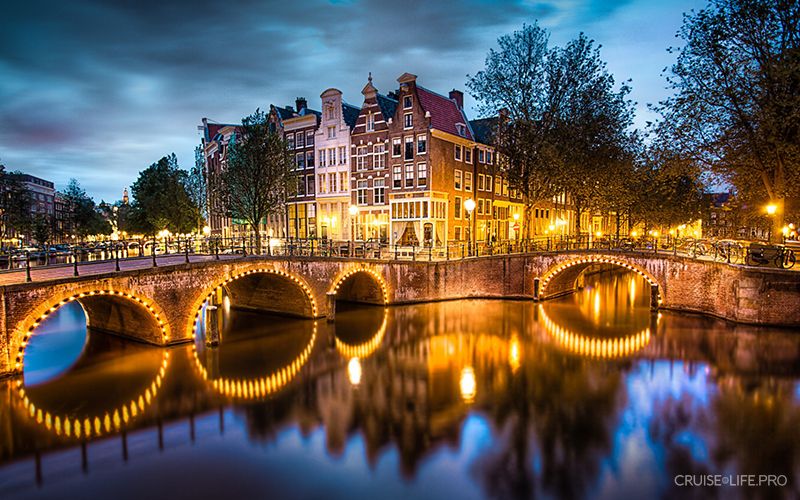
Cruise through the canals of Amsterdam

Cruise through the canals of Amsterdam

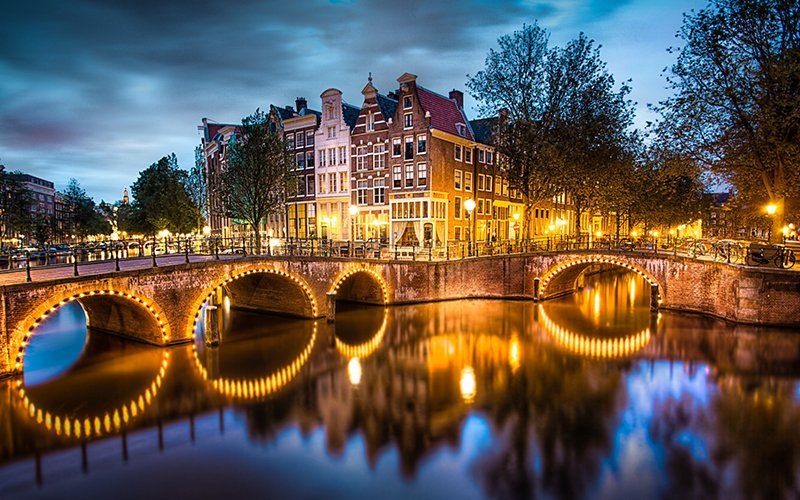
One of the distinctive features of Amsterdam is its canals, forming four concentric half-rings that surround the Old Town. It is for these, as well as for more than 1,500 bridges and about 90 islands, that Amsterdam earned its nickname “Venice of the North.” The first of Amsterdam’s canals was the Singel, which surrounded the city in the Middle Ages. The second among the four main canals of Amsterdam was the Herengracht, followed by the construction of the Keizersgracht and Prinsengracht-the longest of all Amsterdam’s canals. All of Amsterdam’s canals are listed as UNESCO World Heritage Sites and are famous for many of the most beautiful attractions.

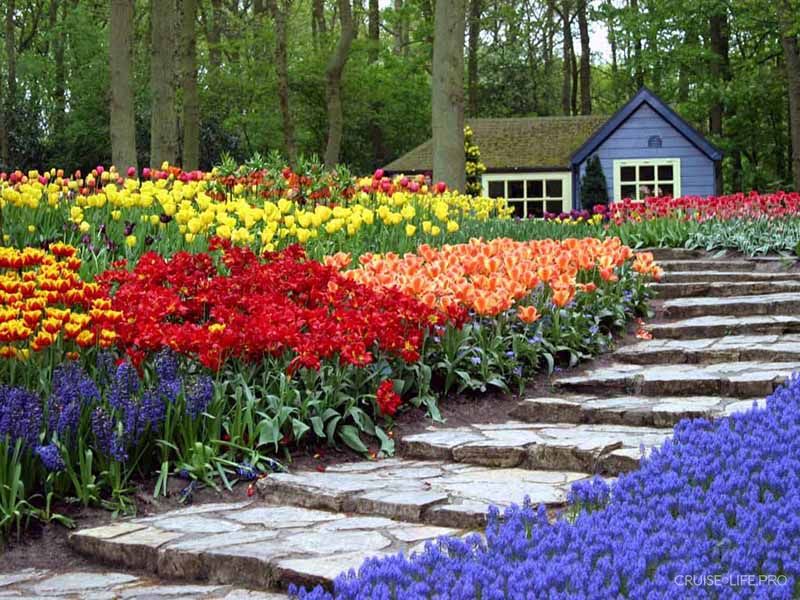
Visit Keukenhof Flower Park

Visit Keukenhof Flower Park

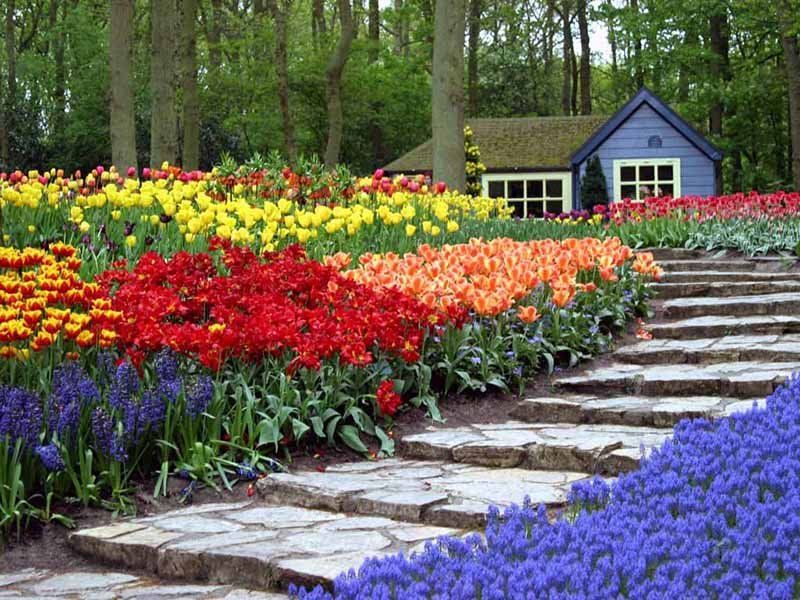
Keukenhof National Park is a fairy-tale park-and-flower kingdom spanning an area of 32 hectares in the tulip region-more precisely, in the surroundings of the town of Lisse, between Amsterdam and The Hague. It has long been called the “Garden of Europe.” The park is open to visitors for just two months each year, approximately from 20 March to 20 May, yet it attracts millions of visitors. Keukenhof is so beautiful that it’s hard to describe in words. Just imagine… Tulips, cherry blossoms, freesias, hyacinths, lilies, orchids, and daffodils surround you on all sides. All of them are arranged into unique compositions that reflect today’s fashionable trends. And the number of these magnificent flowers is 7 million (that’s exactly how many bulbs the Keukenhof gardeners plant every year).

Recommended excursions

Walking tour of Amsterdam

Walking tour of Amsterdam

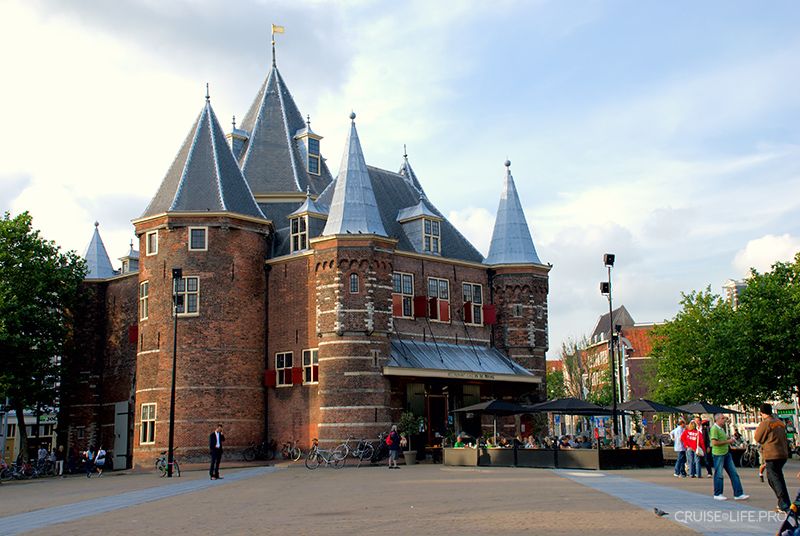
During a walking excursion, you will learn many interesting facts about the city, its residents, traditions, and, of course, see many interesting places and sights: Central railway station, Damrak Street and Berlage’s exchange, Dam Square, the National Monument, the Royal Palace, the New Church, the Madame Tussauds Museum, Kalverstraat, the Begijnhof courtyard, the Amsterdam Historical Museum, the Flower Market, the Mint Tower, Rembrandt Square, the Blue and Skinny bridge, the Hermitage on Amstel, Waterloo Plein, Rembrandt House, Pintohuis, the Southern Church, the Old Church, the Tower of Tears, the old Weighing House, the Red Light District, the Church of St. Nicholas. Group 1 - 10 people, price - from 160,00 €.