Almería, Spain

Port of call

Almería, Spain

Description — Almería, Spain

The resort of Almería is located in the south-east of Spain. It is the main city of the coastal province of the same name, Costa de Almería, within the autonomous community of Andalusia. The city of Almería, as well as the entire province of the same name, is in a certain kind of isolation from the rest of Spain. To the north, mountains separate it from the mainland, while to the south of the province lies the Mediterranean Sea. Because of this secluded location, the city’s age-old history unfolded here along its own path. To a large extent, this limited contact with the outside world made it possible, in a comparatively small stretch of land, to create in Almería a unique community that preserved its customs, rites, and way of life for centuries.

This seaside city is the youngest of the capitals of both the measured and passionate Andalusia. Another distinctive feature of Almería, creating its incomparable charm, is the proximity of the only desert in Europe-Tabernas-an i beloved destination for extravagant holidays for tourists and for filming adventure movies. There is also a natural reserve within the Tabernas desert: Cabo de Gata-Níjar, which impresses with its exotic vegetation for Europe.

Although still relatively young, yet promising in its development and thriving, this resort attracts more and more tourists every year. They come here for an excellent holiday provided by beautiful beaches, a mild climate, delightful nature, well-developed tourist infrastructure, and the unique history of the region. Almería is preferred by tourists who enjoy active recreation, as well as by lovers of a variety of entertainment and excursions to local attractions.

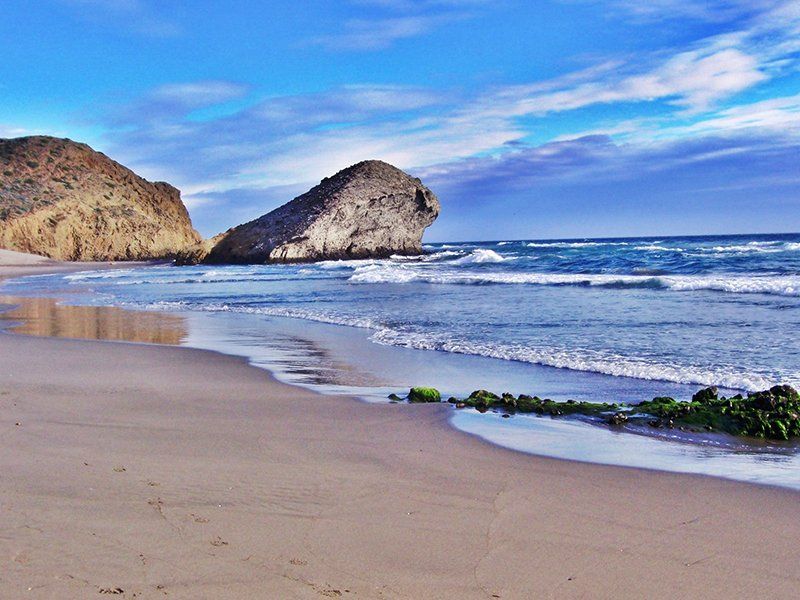
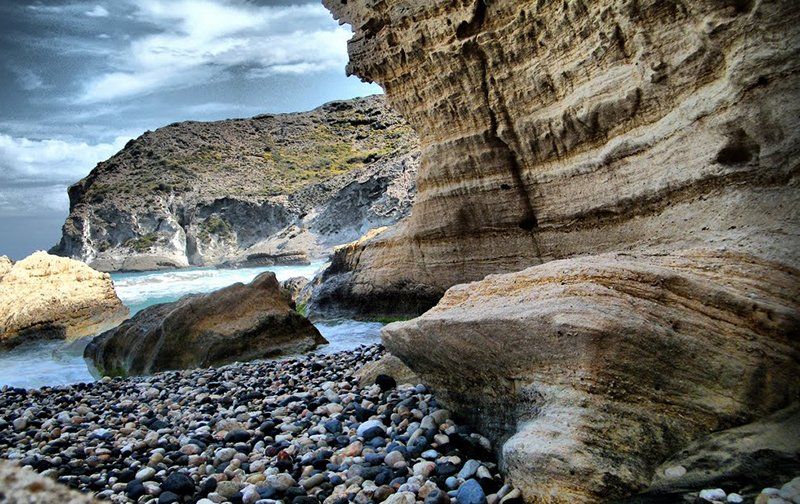
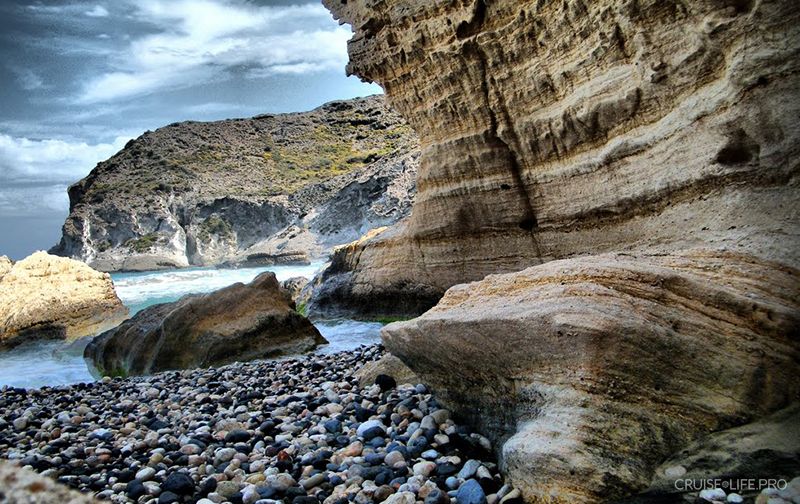
The nature of Almería amazes with its contrasts: here you can find multi-kilometer beaches of light gray sand, as well as majestic cliffs-sometimes descending gently to the sea and sometimes rising sharply above it. In contrast to the greenery of certain areas, there are stony deserts without vegetation and rivers with dried-up riverbeds: the nature of this resort seems untamed and wild.

Climate

The resort is characterized by a mild Mediterranean climate. Almería is a record-holder for the number of sunny days in the year. And there is very little rainfall here-those few days last only from November to February. Therefore, you can get a beautiful tan at the resort of Almería at any time of year. The average annual temperatures of Almería’s Mediterranean climate range from +15–25 °C. In winter, the air temperature reaches between +5 °C and +12 °C, and at this time of year the water temperature is from +5 °C to +8 °C. In March-June, temperatures are around 23 °C, in July it reaches 28 °C, and the sea warms up to 23 °C. You can swim here until late autumn, since the water temperature does not fall below 18 °C until November.

Location on the map

Sights

Alcazaba

Alcazaba

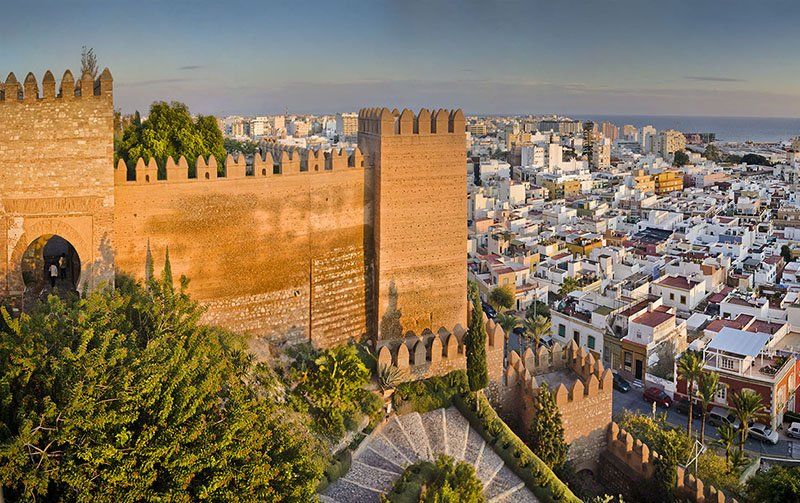
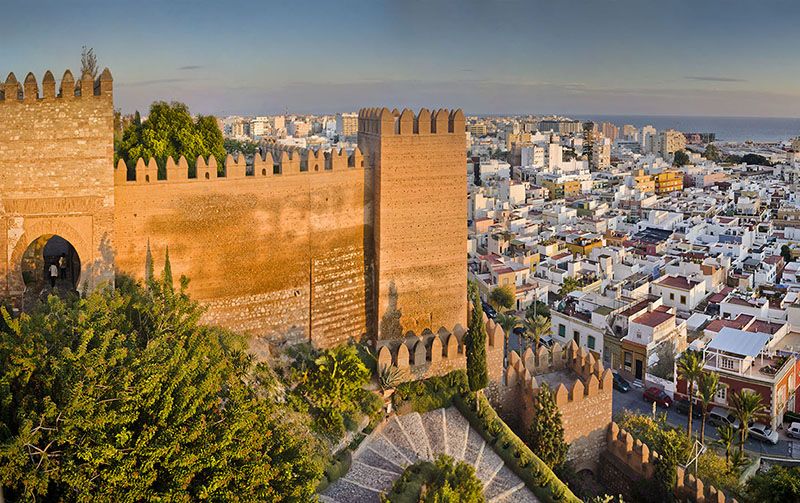
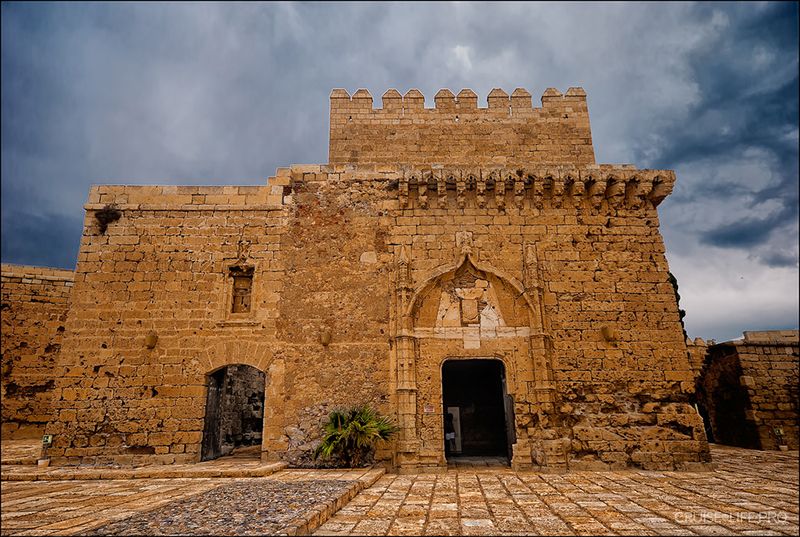
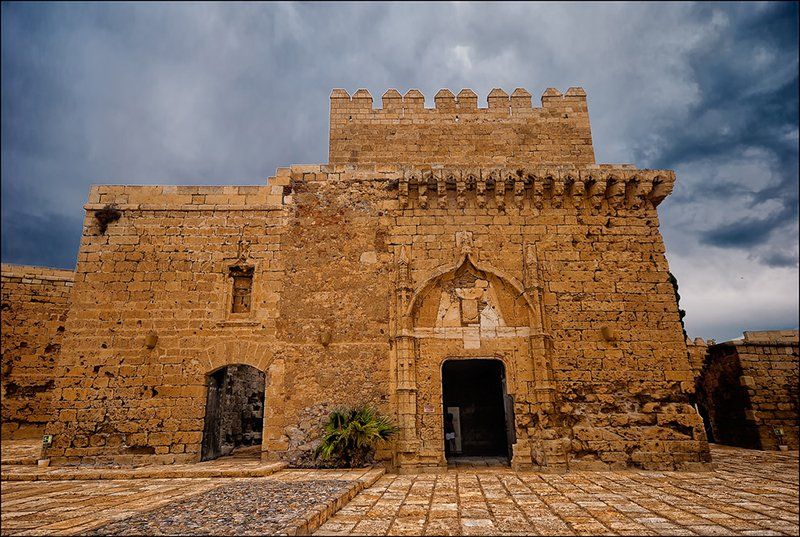
A thousand-year-old fortress, as befits structures of this kind, is located on San Cristóbal Hill above the city. The Alcazaba fortress is considered the largest monument of Arab architecture in Spain after the Alhambra. Its walls are three meters thick and five meters high. Inside, there were houses and streets, a mosque and baths; ships were built in the shipyards. The climb up from the city may seem like a challenging pastime, but the views from the walls, the Alcazaba itself, as well as the tapas bars-plentiful along the way-will make the journey more enjoyable.
Arabic water pipeline

Arabic water pipeline

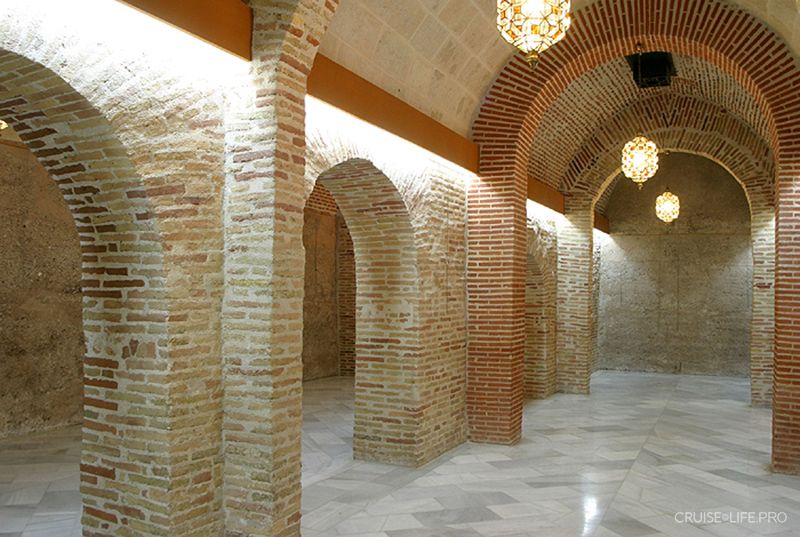
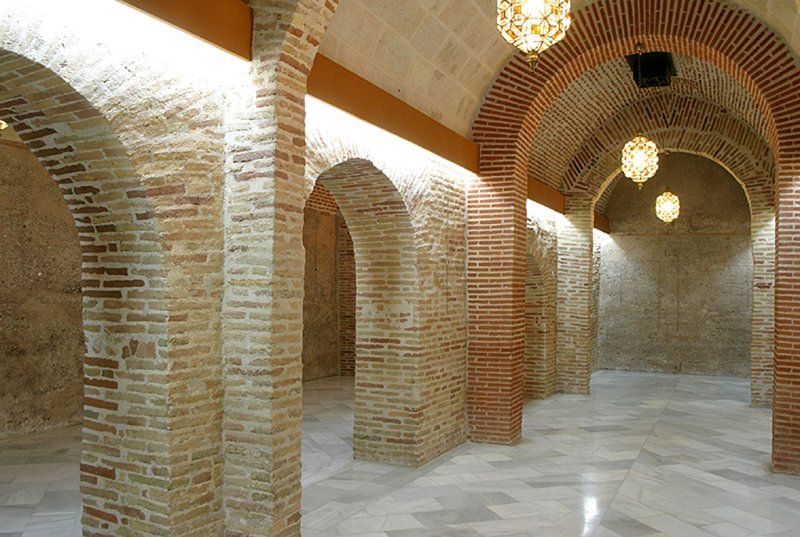
The Arabic aqueduct was built in the 11th century. It supplied local residents with water from the Alhadra springs, located 6 kilometers from the city, and also delivered water for irrigation to the city gardens. The structure is located beneath the rock of Taranto; parts of the aqueduct are underground. The best-preserved element of the construction is on Tenor IriBarne Street.
Cathedral

Cathedral

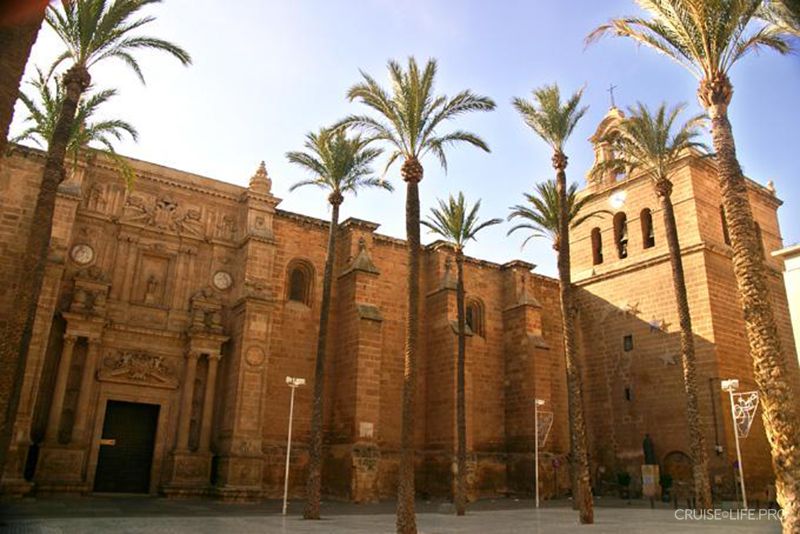
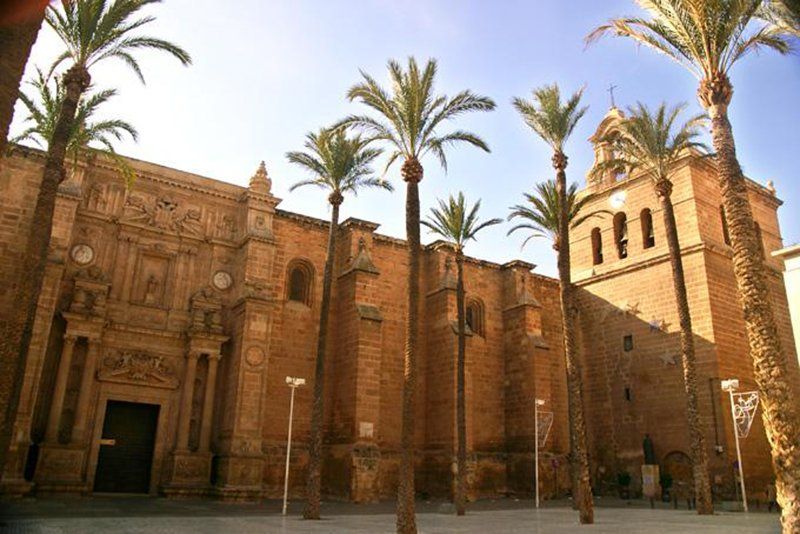
The Cathedral of the Incarnation of the 16th century, the episcopal residence of the Diocese of Almería, is located in Cathedral Square (Plaza de la Catedral). It was built in the Gothic style. In every aspect-its massive walls and battlements on the towers-the structure resembles a fortress, which is easily explained: the cathedral served not only as a religious sanctuary, but also protected the city’s residents from pirates and Moors. However, the architect Juan de Orey, who worked on several chapels and gates, introduced Renaissance elements into the design, making the cathedral more elegant. The Sol de Portocarrero bas-relief (a sun with a human face and ribbons instead of rays) is a symbol of the city.
What to see

Boulevard of Bélén

Boulevard of Bélén

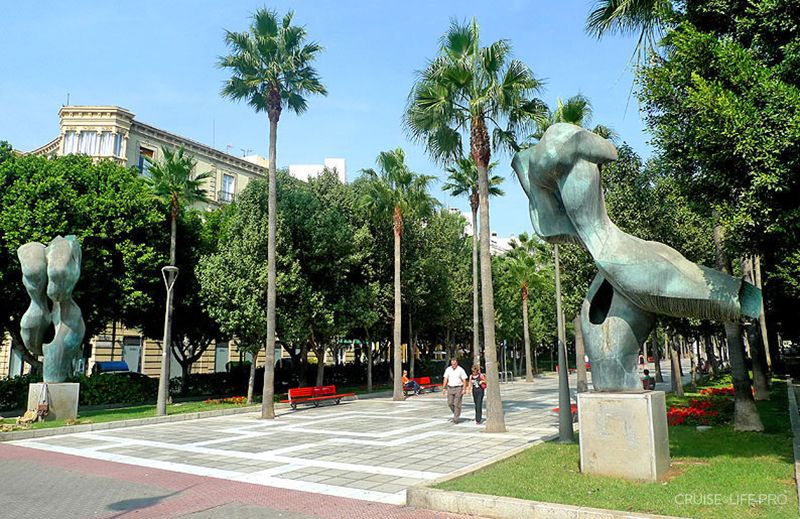
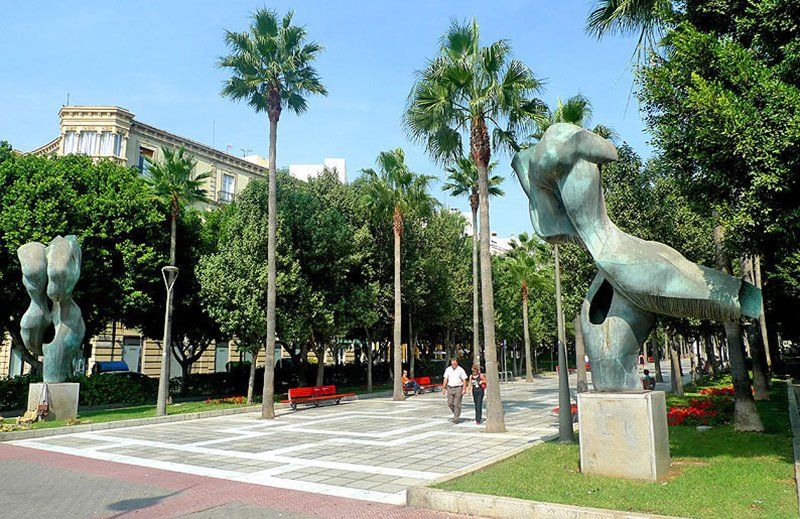
The most beautiful promenading street in Almería is considered to be the Paseo de Belén. In fact, it is Federico García Lorca Avenue (Avenida de Federico García Lorca), flowing into Queen Regent Avenue (Avenida de Reina Regente). The boulevard stretches from the very sea, cutting through the city from south to north. Along it you can find both shops and cafés. Along the street there are many statues, and the trees provide the shade needed for a comfortable stroll.

Tabernas Desert

Tabernas Desert

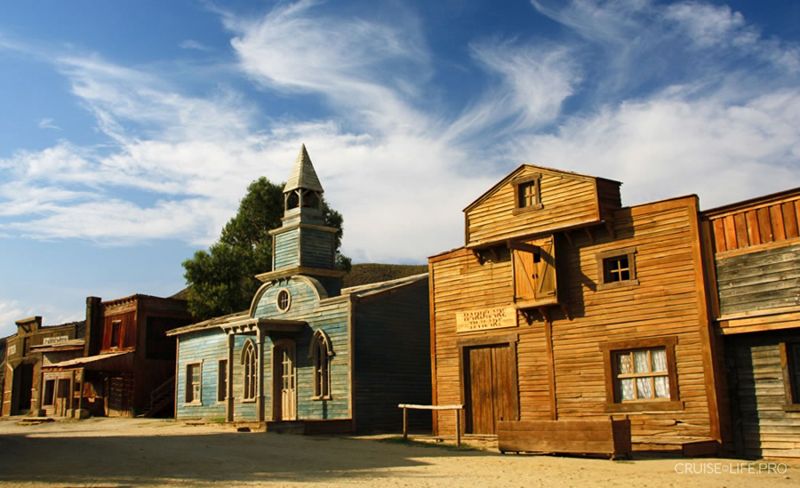
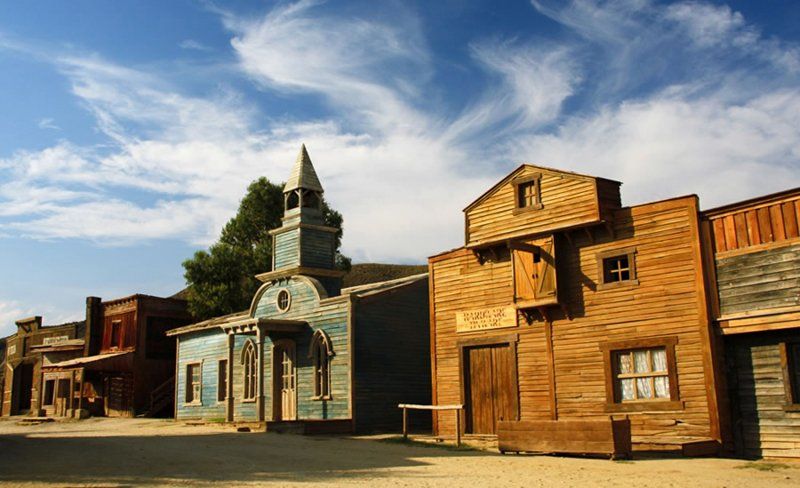
Tabernas Desert, also known as the Almería Desert, is the only one in western Europe (it has the status of a nature reserve). Mountain ranges keep the humid Mediterranean air out, and the soil is prone to erosion, which is how the so-called badlands (from the English “badlands”) formed in the Almería Desert-a mountainous desert landscape with hills carved by narrow ravines. Badlands scenery is associated with the Wild West, so Italian filmmakers adapted to shooting their “spaghetti westerns” in the vast expanses of the Tabernas Desert. In the 1960s, after filming the movie “For a Few Dollars More” (starring Clint Eastwood in the lead role) ended, the sets remained in the town of Tabernas, and an amusement park called “Mini Hollywood” was opened.

Beaches

Beaches

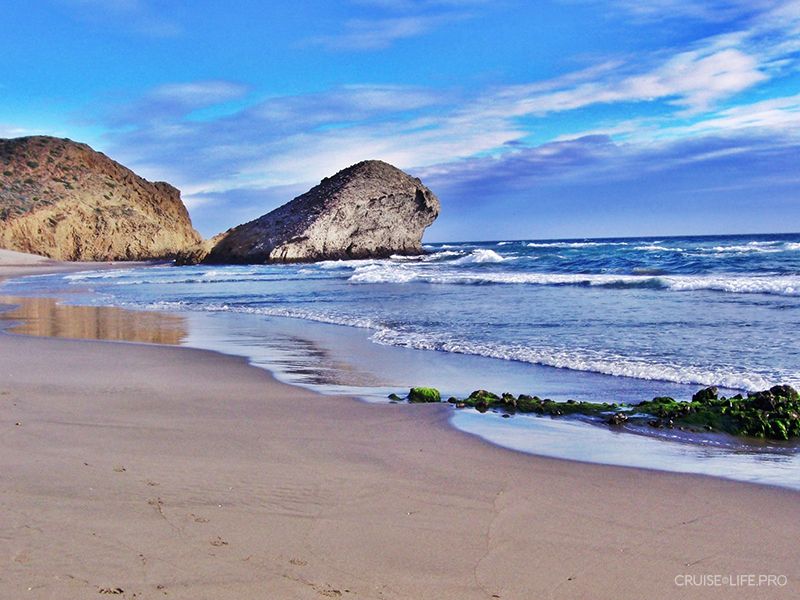
Almeria is famous for its multi-kilometer-long beaches with white sand and an abundance of beautiful shells. Nearly all of them are awarded the Blue Flag for environmental cleanliness. The well-developed beach infrastructure in Almeria will allow you to relax here with maximum comfort. In addition, you can find a wide variety of entertainment options, including water sports (water motorcycles, sail catamarans, etc.). Children will also have plenty to do: Almeria’s beaches are equipped with various children’s entertainment attractions. Along the beachfront area there is a pedestrian promenade lined with numerous restaurants, cafes, shops, and souvenir stalls. The most popular beaches along the coast are Las Salinas and La Almadrava de Monteleva.

Cabo de Gata Natural Park

Cabo de Gata Natural Park

Cabo de Gata is the driest place in Europe, with an average temperature of +25°C in summer and +15°C in winter. This vast natural park (covering almost 500 square kilometers of land and sea) includes salt marshes, sandy beaches, rocky formations of volcanic origin, and fishing villages (San José, Carboneras, Las Negras, and others). Here, right at the tip of the cape, you can see a picturesque lighthouse-near the islet of Isla de las Sirenas (Arrecife de las Sirenas). About 150 species of birds have chosen this park, stopping here for a break during flights to Africa and back. You can watch pink flamingos, Egyptian vultures, and rare Dupont’s larks. This is one of the most beautiful places not only in Spain, but in all of Europe.

Recommended excursions

Almería Sightseeing Tour

Almería Sightseeing Tour

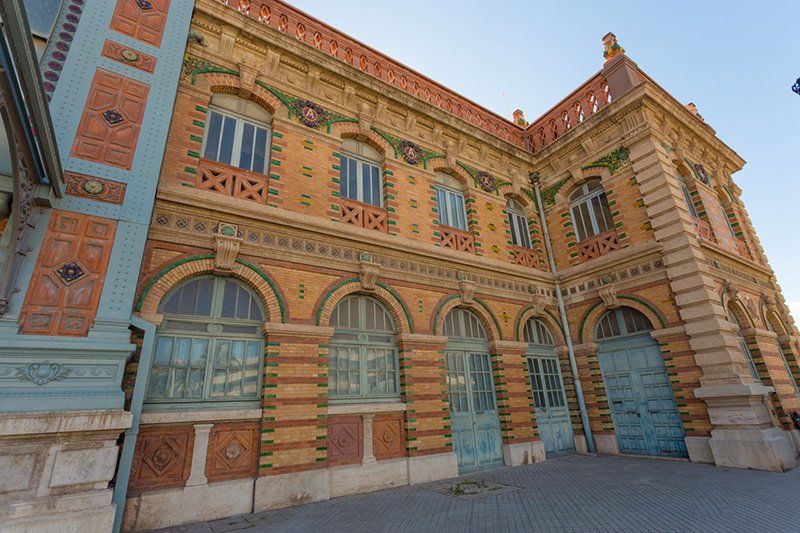
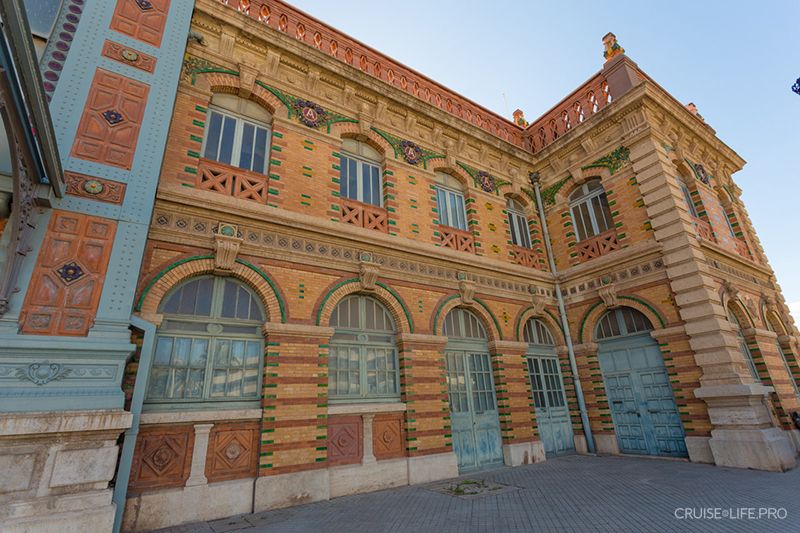
An introductory excursion to 16th-century Almería. You will visit the Alcazaba, the Cathedral of the Incarnation, the Church of the Virgin Mary, the John Lennon memorial, Parque Nicolás Salmerón, boutique streets and creations by Eiffel himself, and also learn about all the main significant events in the history of Almería-as both a capital and, more broadly, as a province.

You can find a more detailed list of excursions and their prices after booking your cruise in your “Client Personal Account”.