Santa Cruz District
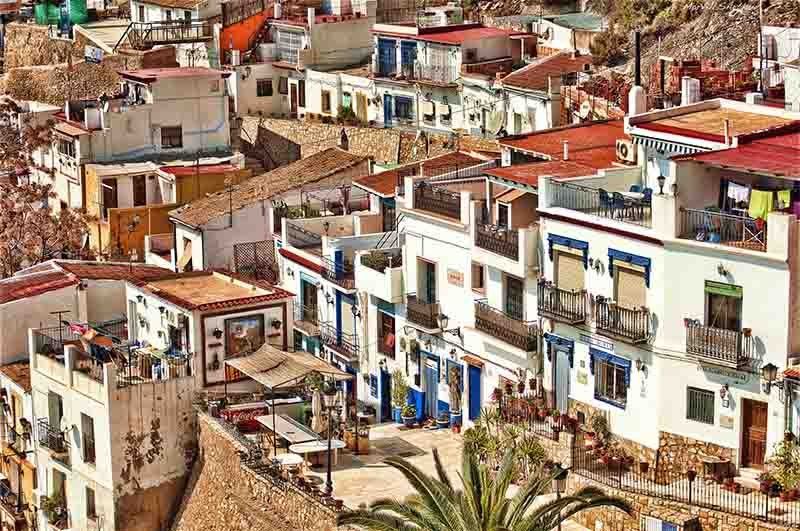
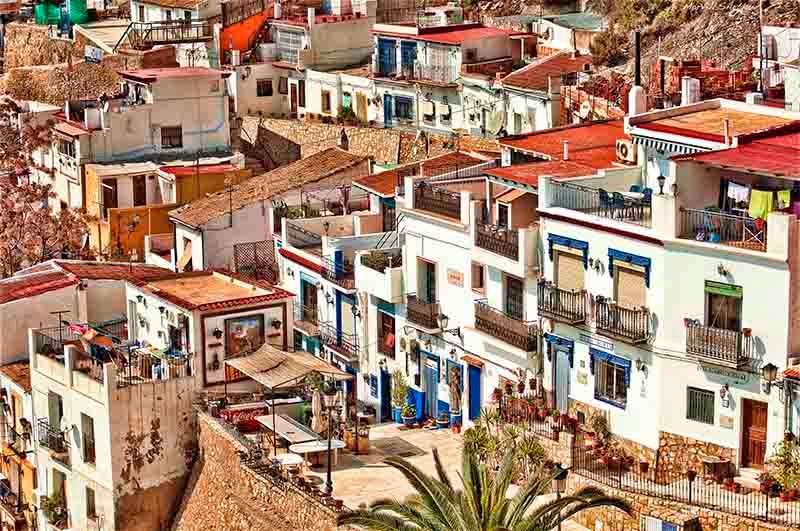
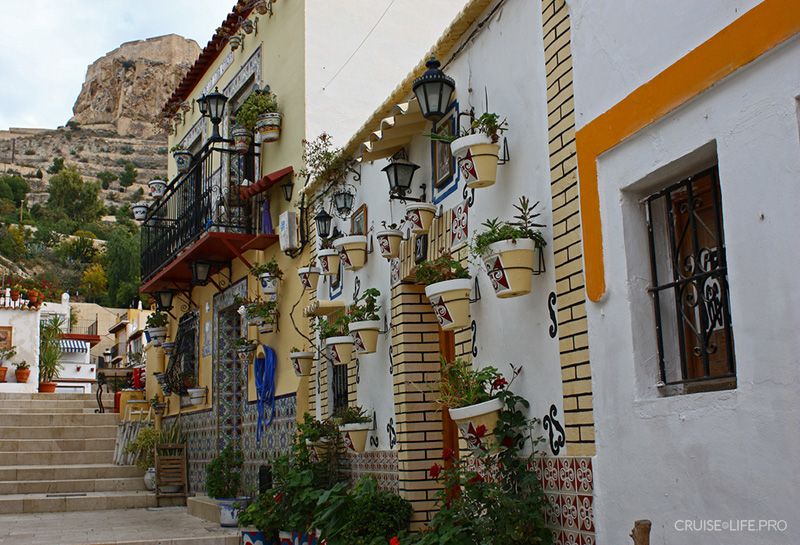
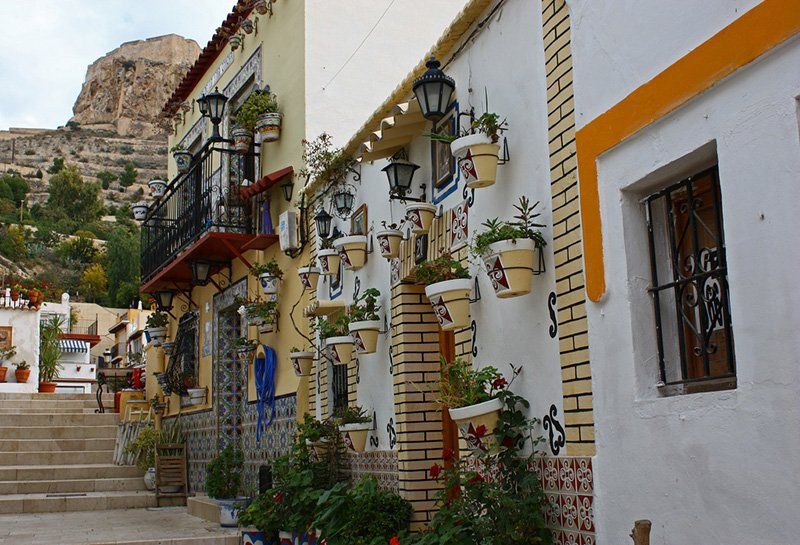
The oldest part of Alicante is located at the foot of Mount Benacantil, whose summit is home to the Santa Barbara Castle. You won’t miss this place if you walk down from the mountain. The Santa Cruz district looks as though it were still in the 13th century. Much has been preserved in its original medieval form: a labyrinth of narrow streets, low, white-stone houses overgrown with flowering plants, with windows and balconies decorated in the Moorish style. Tourists love to stroll here.
Santa Barbara Castle
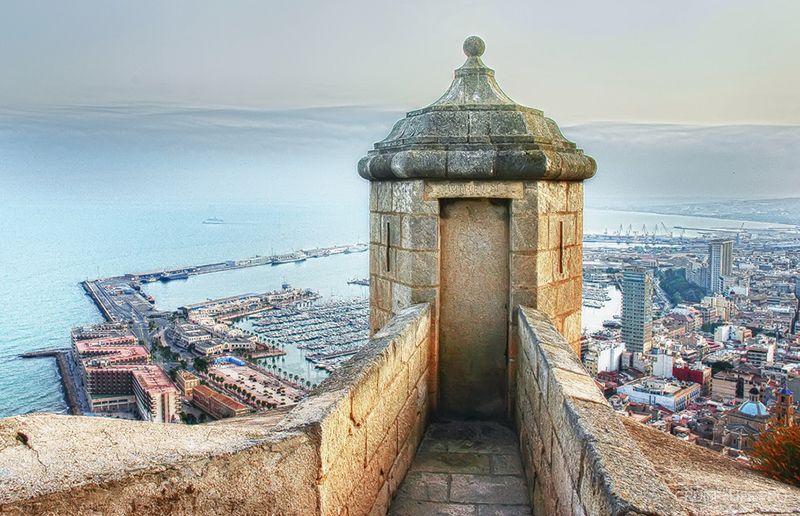
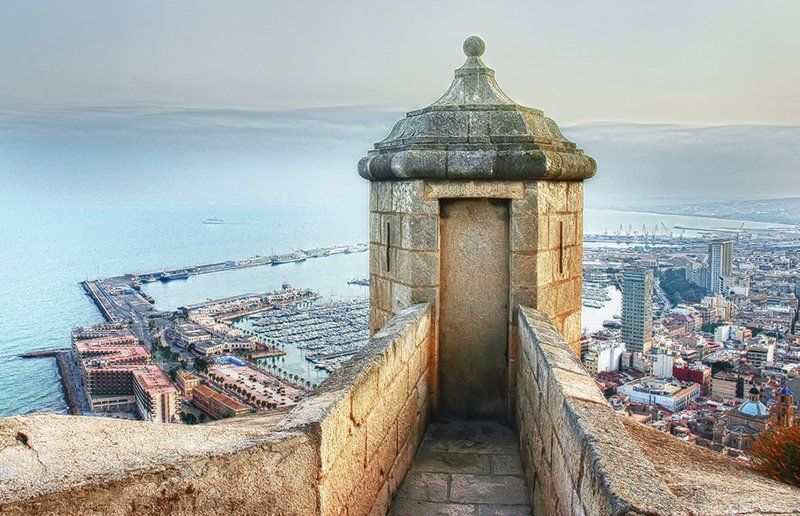
This castle, more like a fortress, is located on top of Mount Benacantil right in the center of Alicante. It’s a great place to see the city and the sea from a bird’s-eye view (166 meters); here you can also imagine yourself back in the distant 13th century, when the foundation of every city was a fortress with towers, loopholes, and impressive cannons. Funny though it may be, inside Mount Benacantil modern Spaniards built a fast elevator that instantly takes everyone who wants to the top. In addition, you can get to the castle on foot or by car.
Cathedral of St. Nicholas of Bari
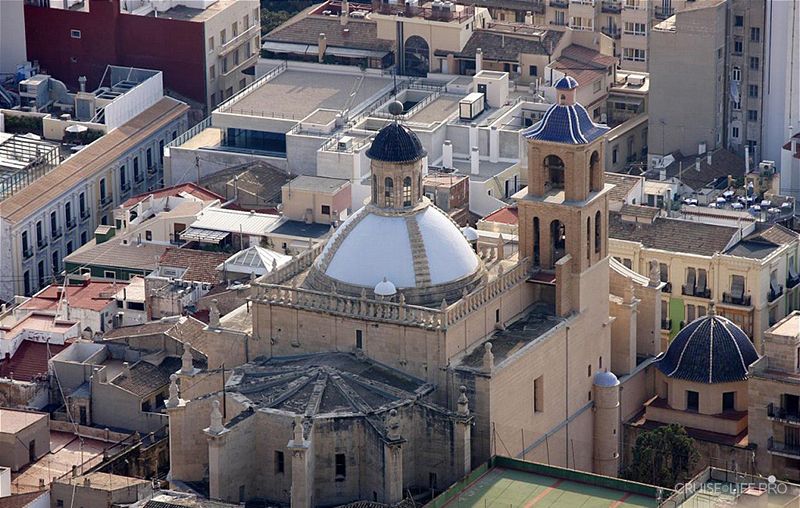
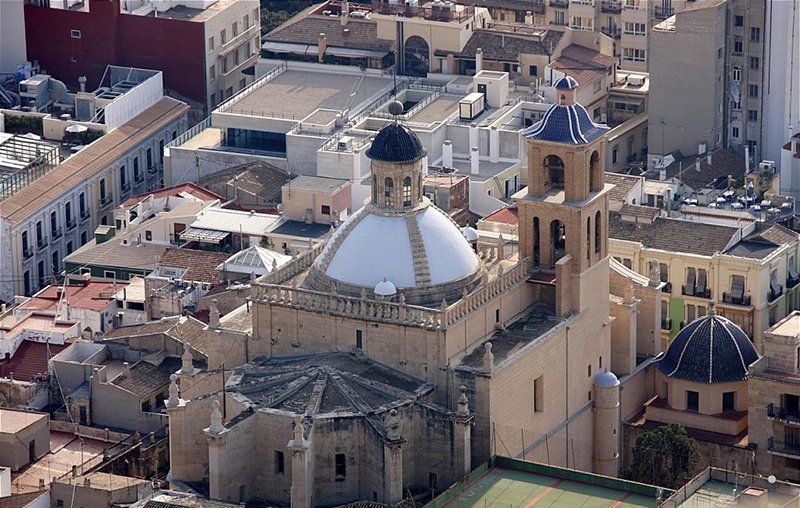
The Cathedral dedicated to the spiritual patron of the city of Alicante, Saint Nicholas of Bari, was built in the Renaissance style by the architect Juan de Herrera. The same architect, who designed the monastery-palace of El Escorial an hour’s drive from Madrid and the facade of the Alcázar Castle in Toledo. The spacious cathedral is crowned with a dome 45 meters high. The interior features marble and tiles of various colors. Among the cathedral’s relics are the remains of the saints and an antique organ from the 11th century. Next to the cathedral is the Old Town-the Santa Cruz district-which has been preserved almost untouched since the Moorish era.
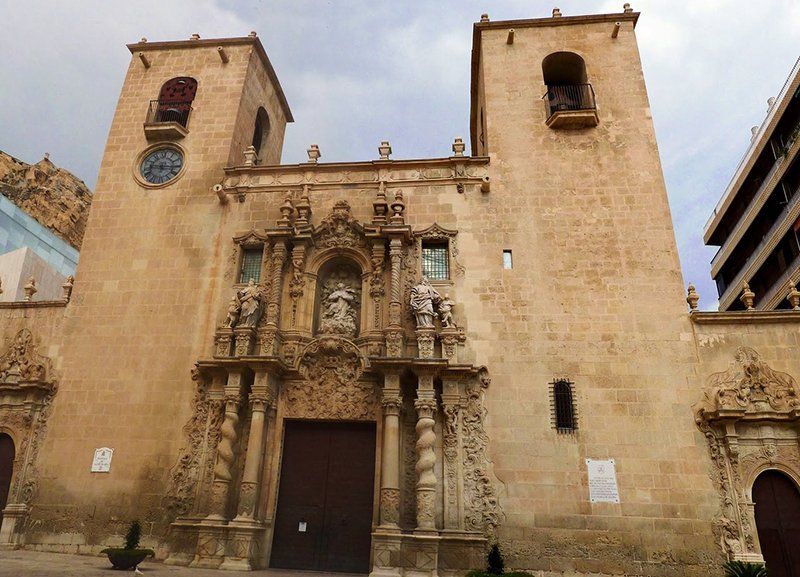
St. Mary's Church
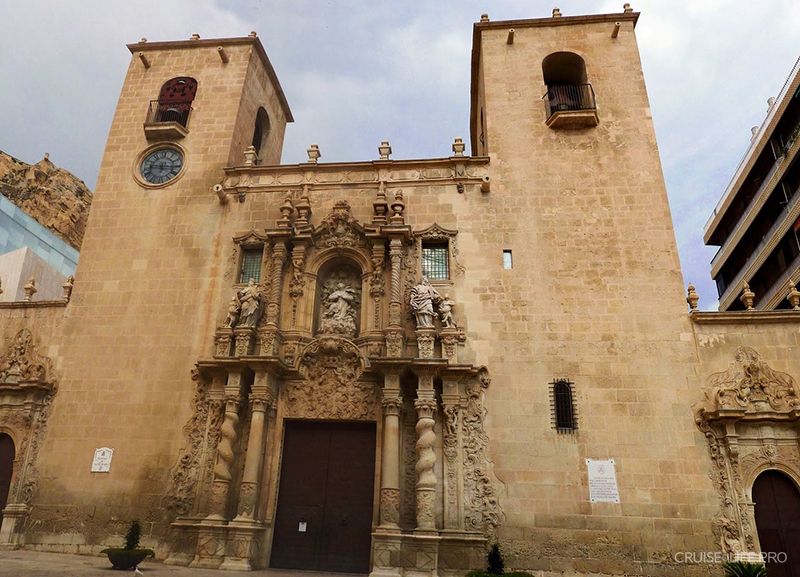
This Catholic church in Gothic style was built in the 15th century in honor of the victory over the Moors directly on the site of a Muslim mosque. For this reason, from an architectural point of view, the temple looks quite unusual: it consists of several halls that were added to the original building over time. Inside, as in most similar structures, there is luxurious décor: paintings, a Rococo-style altar, elaborate ornamental plasterwork, and an organ.
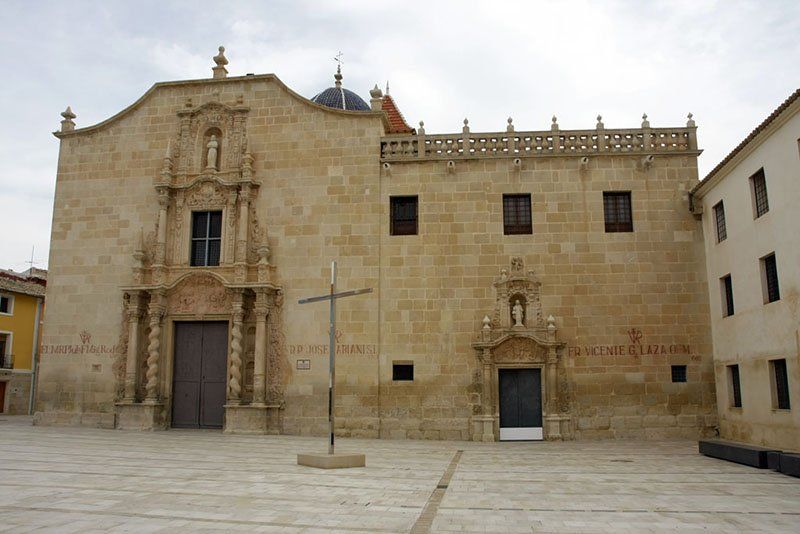
Monastery of the Holy Face
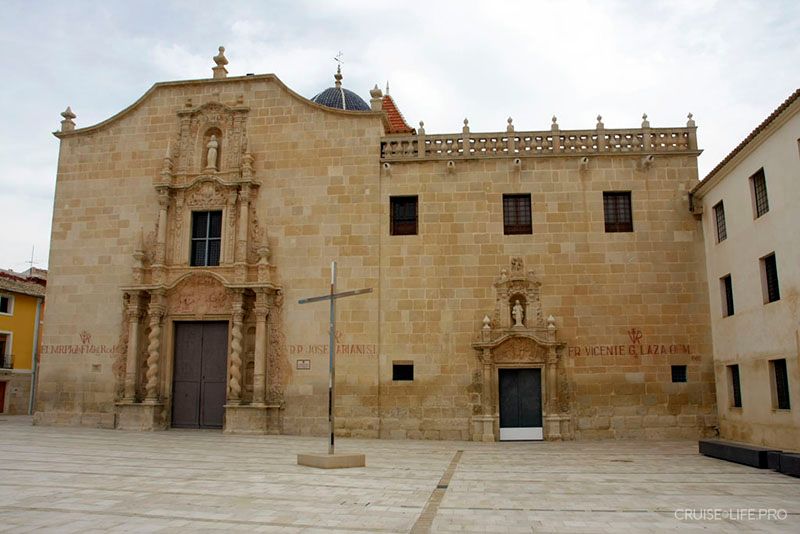
5 kilometers from Alicante (towards Valencia) is the monastery of Saint Lika (Santa Faz), which draws countless pilgrims from all over the world. The aim of the pilgrims is the cloth with the Holy Face of Jesus Christ. According to legend, with this piece of cloth Saint Veronica wiped the bloody sweat from Christ’s face, after which the features of the Saviour’s face were forever imprinted on the fabric. The relic was brought to the monastery of Saint Lika from Rome and is considered miraculous. One of the miracles occurred in 1489, when prayers facing the cloth helped the residents of Alicante to escape an extremely severe drought. There are also two similar relics-in Jaén and in the Vatican.