Abu Dhabi, UAE

Port of call

Abu Dhabi, UAE

Cruises in the Persian Gulf (UAE)

Description — Abu Dhabi, UAE

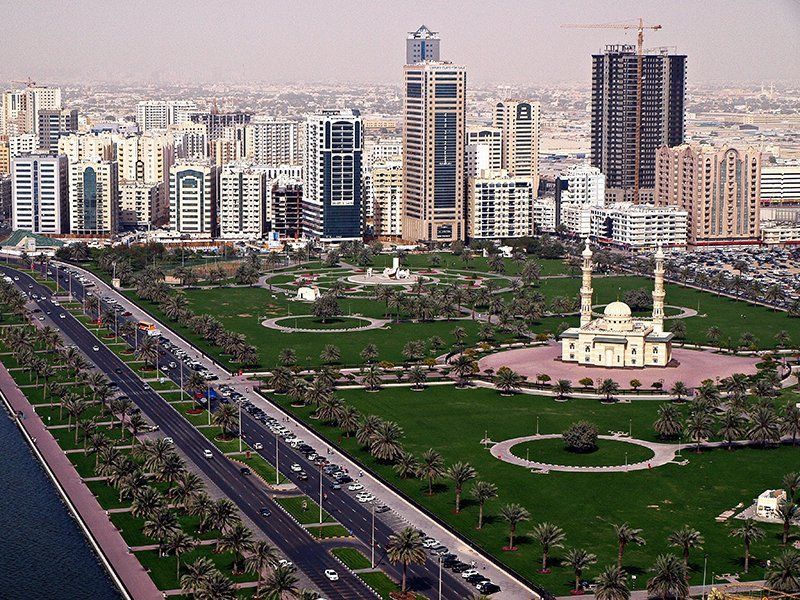
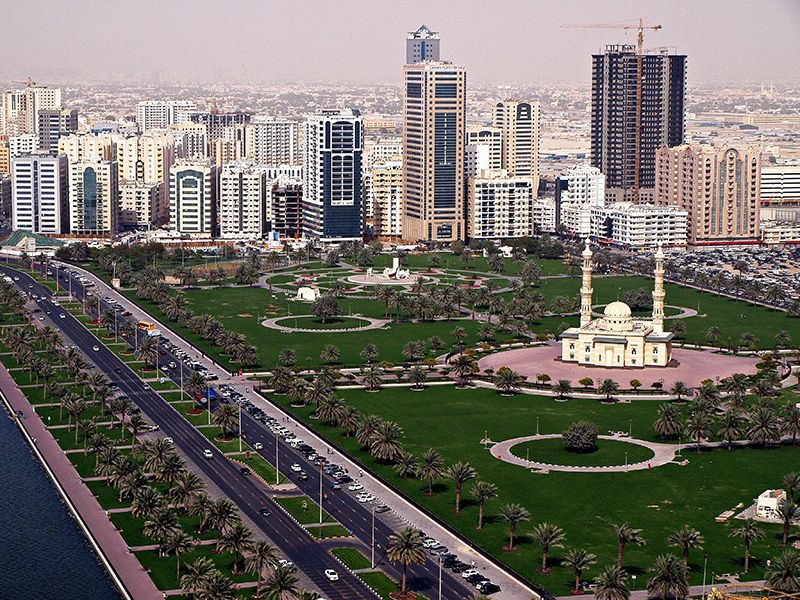
Abu Dhabi is the capital of the eponymous emirate and the UAE. It is located on an island in the north-eastern part of the Persian Gulf, a quarter of a mile from the mainland. The island is connected to the mainland by three highway bridges. Abu Dhabi is the richest emirate - the “Little New York,” the “Manhattan of the Middle East,” the “garden city.” The vibrant life of a modern metropolis is combined here with Eastern traditions. It is the greenest city in the UAE. In Abu Dhabi you can lie in the grass in a park, smoke a hookah along the waterfront, and simply bask in the sun.

Here you don’t feel the “race” of skyscrapers, the construction of buildings and hotels on the water, or other impressive Dubai-style projects. Everything is built very sensibly, very calmly, and very expensively. And the pastimes of Abu Dhabi residents match that: they collect and display rare cars for public appraisal, play “car games” on their own Formula 1 tracks, and cruise the Persian Gulf on ultra-modern super yachts. The style of leisure in Abu Dhabi is respectable and measured: there’s no Dubai hustle, and yet there are no Dubai traffic jams either.

Climate

Abu Dhabi has a subtropical climate. The best time to visit is from October to May, when it’s about +30 °C, and the water temperature is +20-25 °C. Very little rainfall occurs, and most of it falls in winter. In summer it is very humid, and temperatures stay around +40 °C, although due to the abundance of plants in this city it is a bit cooler than in nearby regions.

Location on the map

Sights

Sheikh Zayed Mosque

Sheikh Zayed Mosque

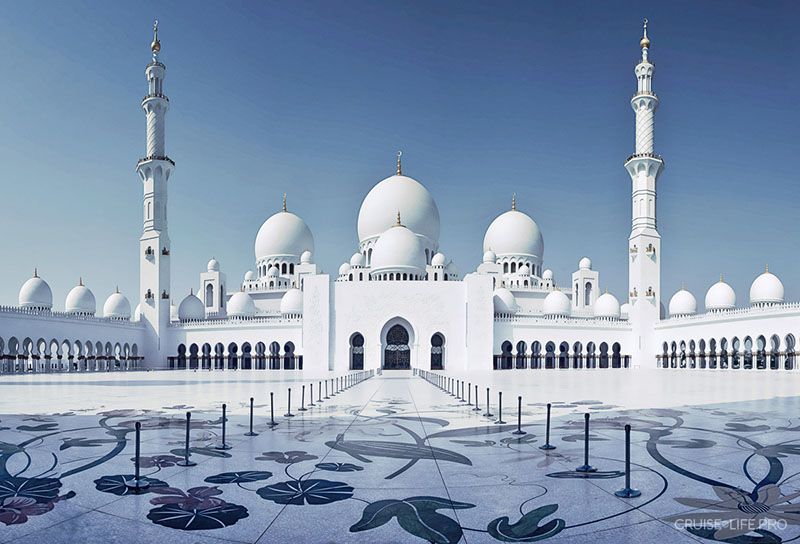
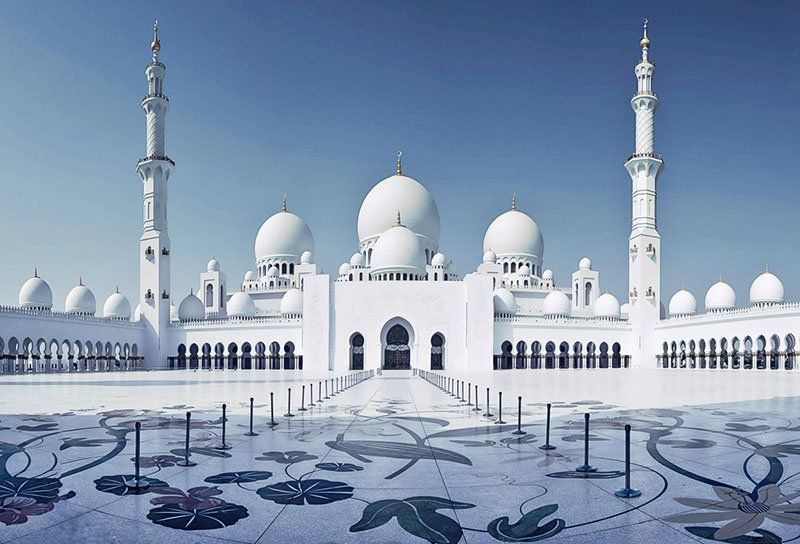
The Sheikh Zayed Mosque is one of the largest in the world and the largest in the UAE. Its 57 gleaming white domes and 4 minarets rising to a height of 115 m define a vast area that can accommodate up to 40,000 people at the same time.
Al Husn Palace

Al Husn Palace

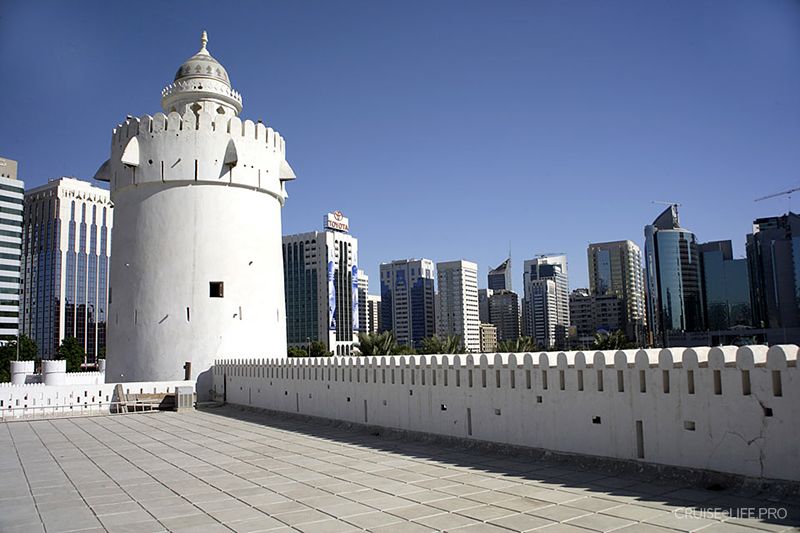
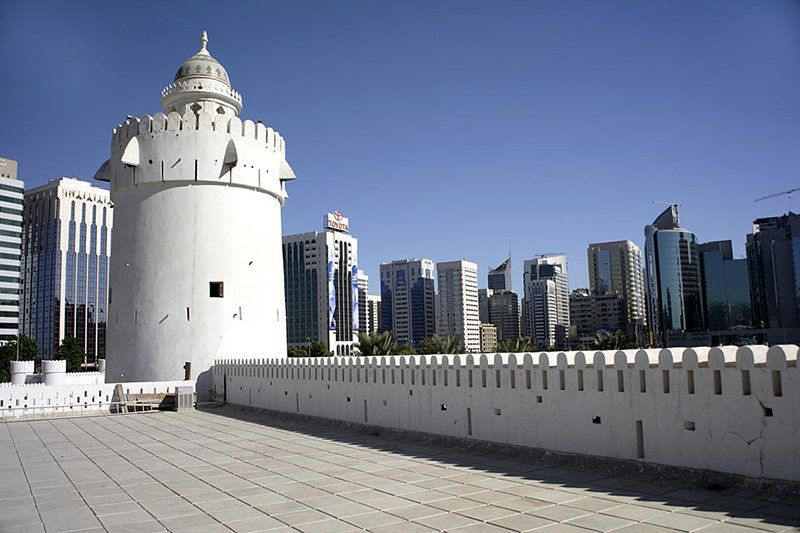
The oldest building in the city is Al-Husn Palace; it is also known as the “Old Fort” or the “White Fort.” Al-Husn Palace was built in 1761, and it was erected by people from the ancient Beni Yas tribe from Liwa. They discovered fresh water and wanted to protect it by building a powerful fortification around it. At that time, the palace housed the residence of the rulers of Abu-Dhabi. Today, the palace walls house a center for research into antiquity and documentation. Here, archaeologists conduct studies that help them learn about the lives of their ancestors.
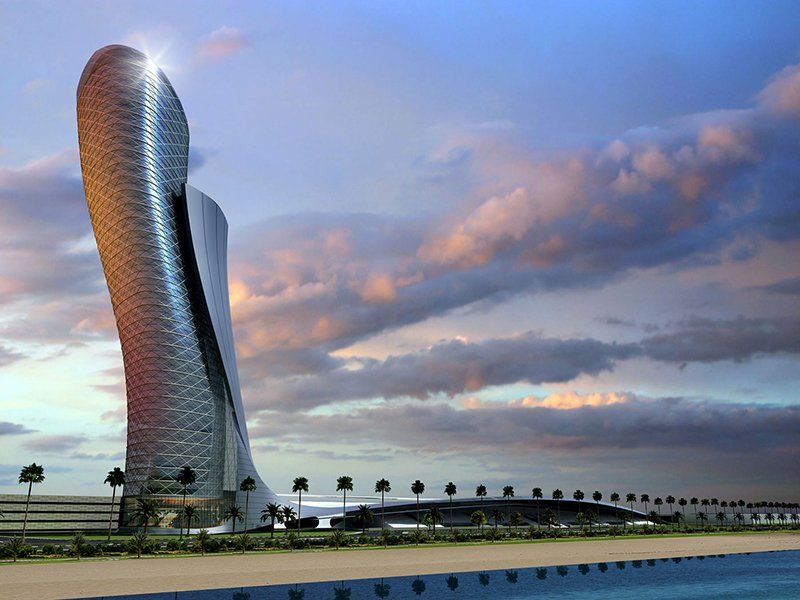
The Falling Tower of Capital Gate

The Falling Tower of Capital Gate

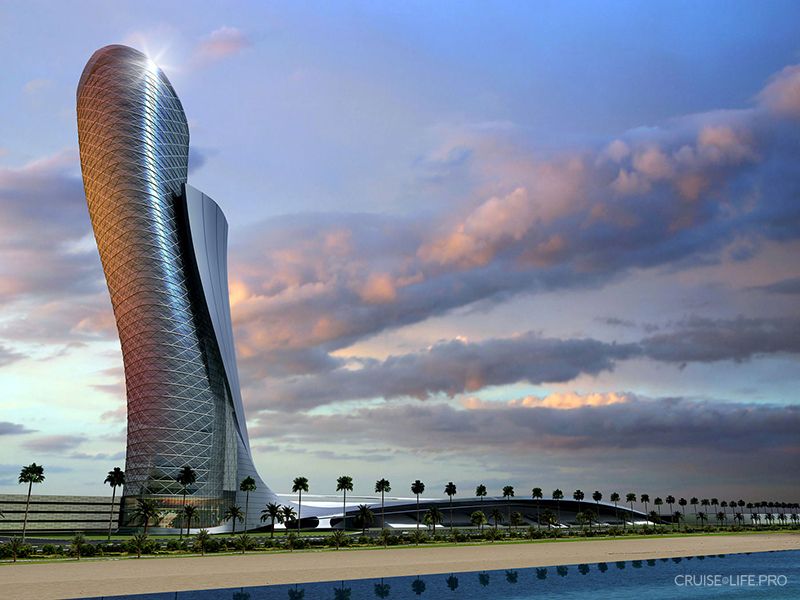
Building the “Gate of the Capital” was no easy task for Abu Dhabi. The record-breaking tilt of the building (18 degrees, four times more than the Leaning Tower of Pisa) and its unique geometric shape required new engineering solutions and unique materials. But the city really wanted to have its own “falling tower,” with an eye on the Guinness Book of Records. In this structure, everything is original-from the dense grid of reinforced steel foundation piles to the facade glass units with low heat loss, absolute transparency, and no glare. An original solution was also the “veil” made of stainless steel, which protects the Capital Gate tower from direct sunlight and absorbs a third of its heat.
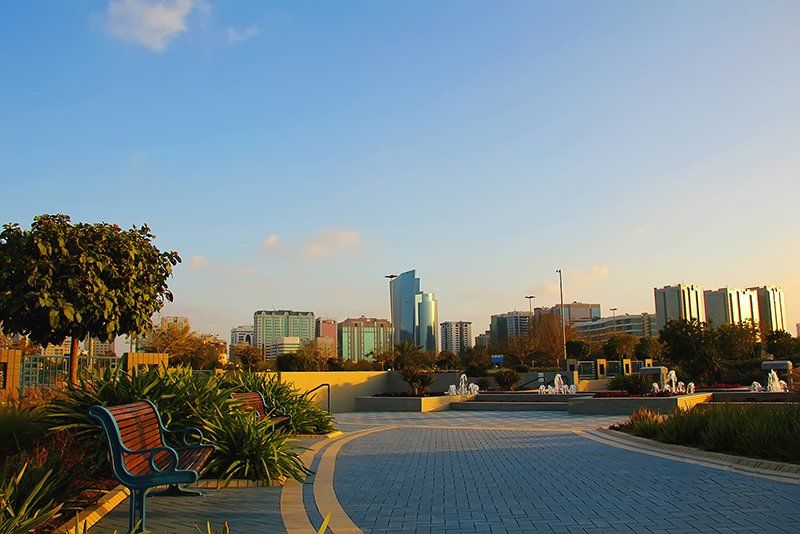
Corniche Road (Corniche Road)

Corniche Road (Corniche Road)

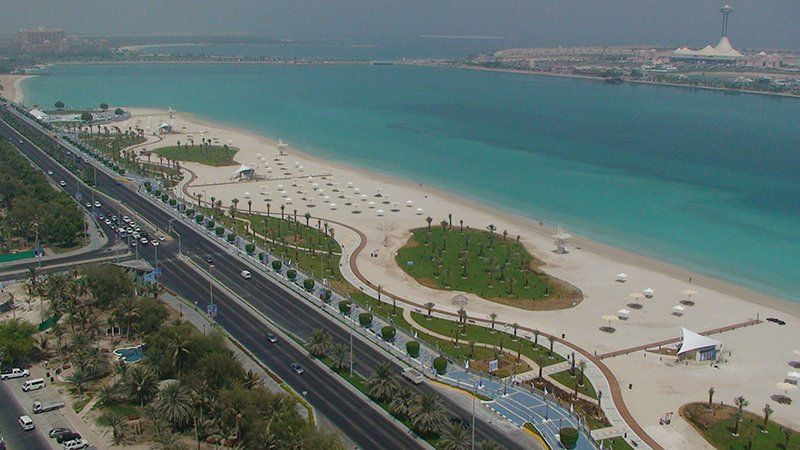
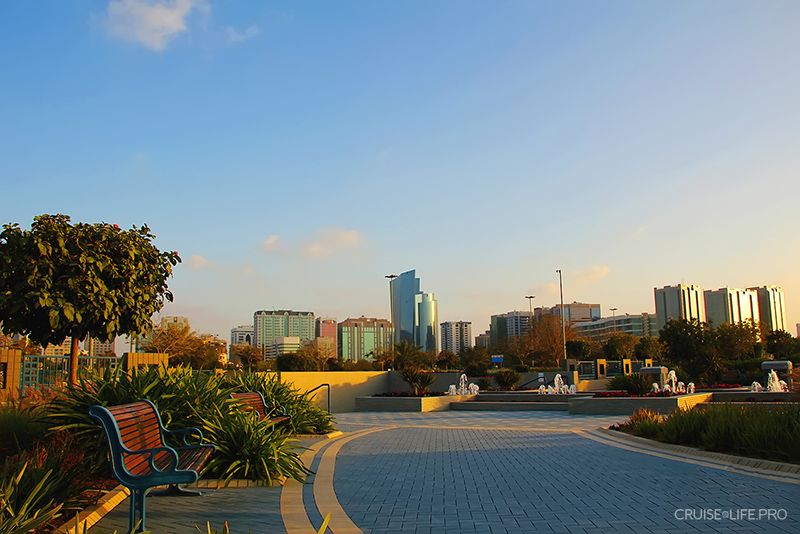
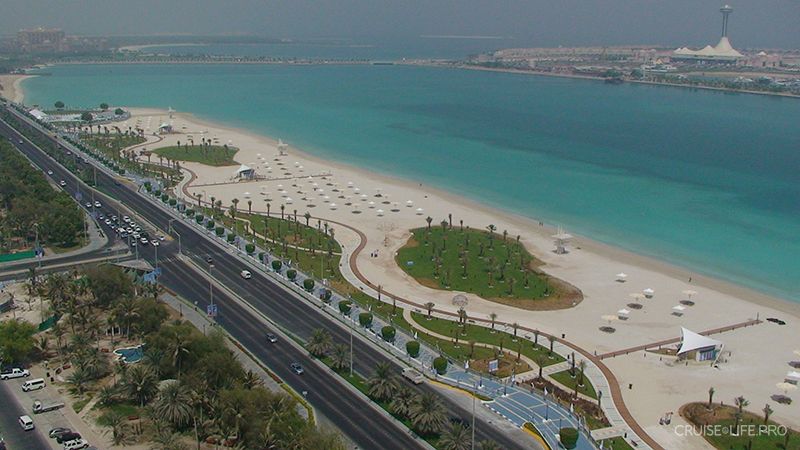
Playgrounds for children, small restaurants, clubs, cafes, fountains, parks, gardens-and then parks again-this is what the Abu Dhabi waterfront is like. The locals have “enjoyed” desert life so much that they now obsessively care about fresh grass and green foliage. They turned their ten-kilometer waterfront into a continuous park area, one of the largest in the Middle East. All the plants in the coastal parks are irrigated with desalinated water, and the city’s most famous and picturesque fountains are also located here. Along the waterfront, Abu Dhabi’s skyscrapers line the shore. In the evening, it’s great to stroll here, enjoying the cool air. You can rent bicycles and ride along, go for a run, or skate on roller skates. Or simply sit in an outdoor cafe, sipping fragrant coffee and watching the people around you.
What to see

Go shopping

Go shopping

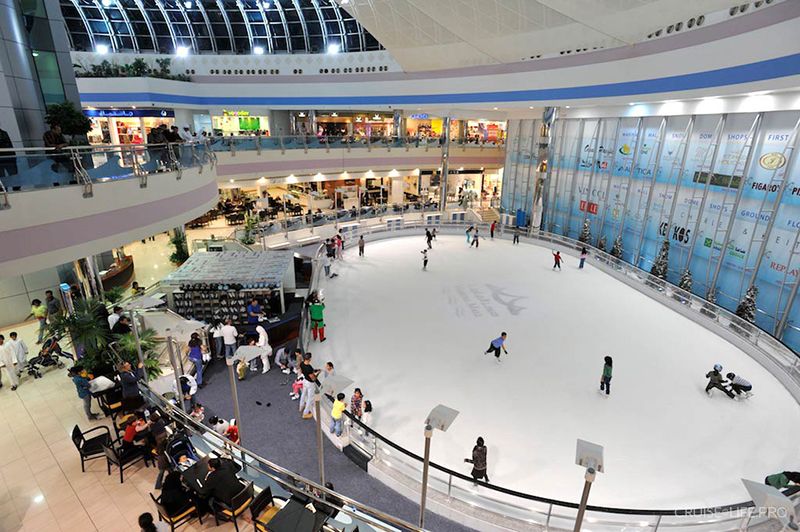
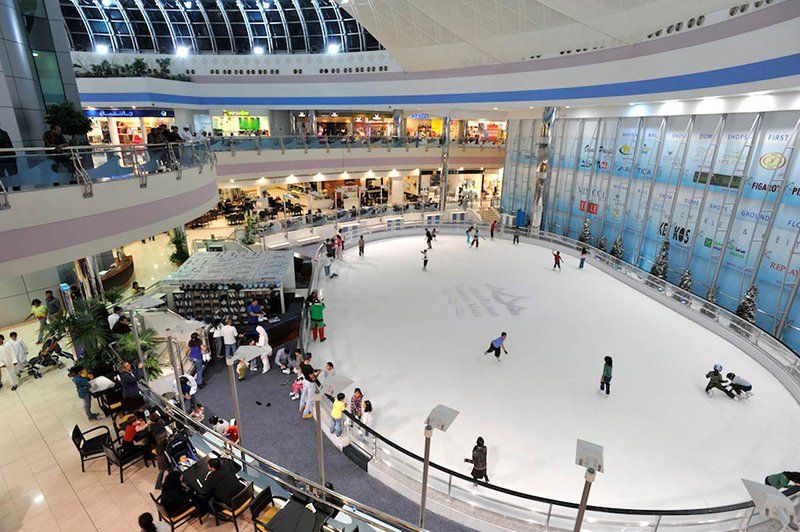
In Abu Dhabi there are a great number of shops and shopping centers where you can buy clothes and shoes from well-known brands, cosmetics, items for children, and, in general, everything your heart desires. About 400 stores are gathered at the Central Market. As souvenirs, you can purchase Arabic coffee pots, daggers, and various boxes and chests with spices. Everything can be found on An-Nasr Street. Different kinds of jewelry are sold at the State Center for Women’s Craft, where you can also watch how these pieces are made. In Abu Dhabi you’ll find great perfumes; there is also an excellent selection of fabrics. You should also buy jewelry-on the north waterfront there is a small gold market.

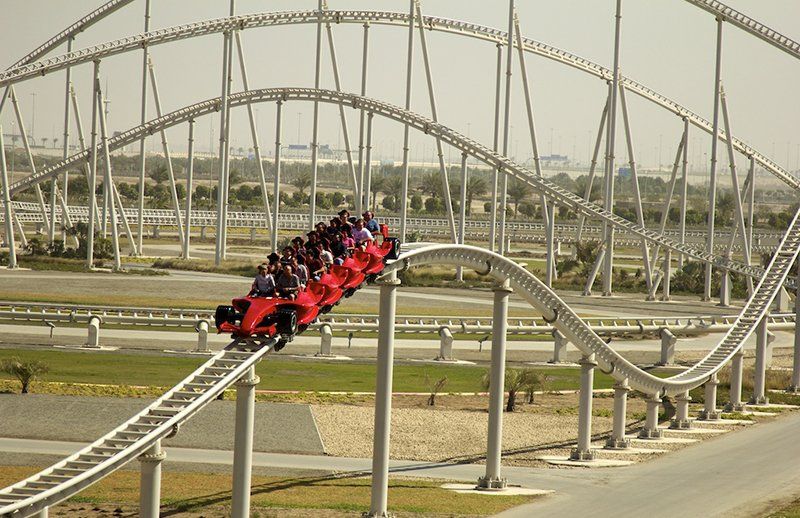
Ferrari World Park

Ferrari World Park

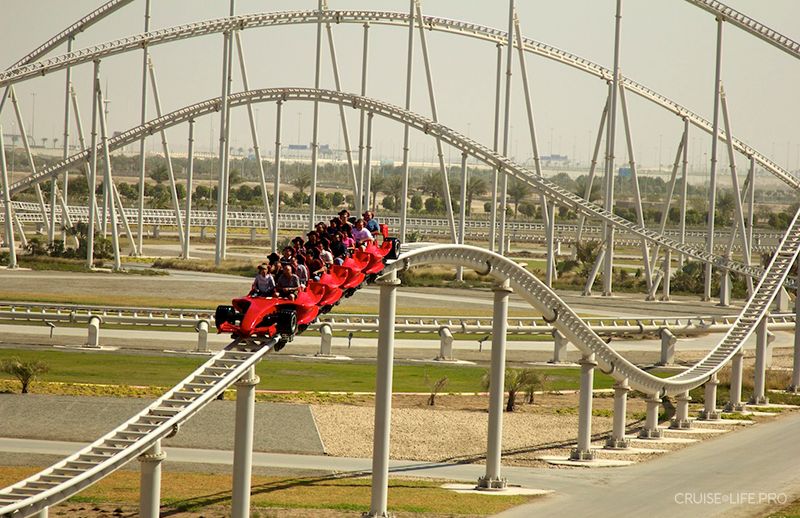
Ferrari World - the first Ferrari-themed park, the largest amusement park in the world, located indoors, opened in 2010. The park features more than 20 attractions, several hotels, lots of shops, exhibitions, and even a “Formula 1” track. All of the attractions in the park are connected with Ferrari-from the 3D “Formula 1” simulator to American races where carts shaped like “Ferrari” cars fly at speeds of 240 km/h.

Ethnographic Museum - Heritage Village town

Ethnographic Museum - Heritage Village town

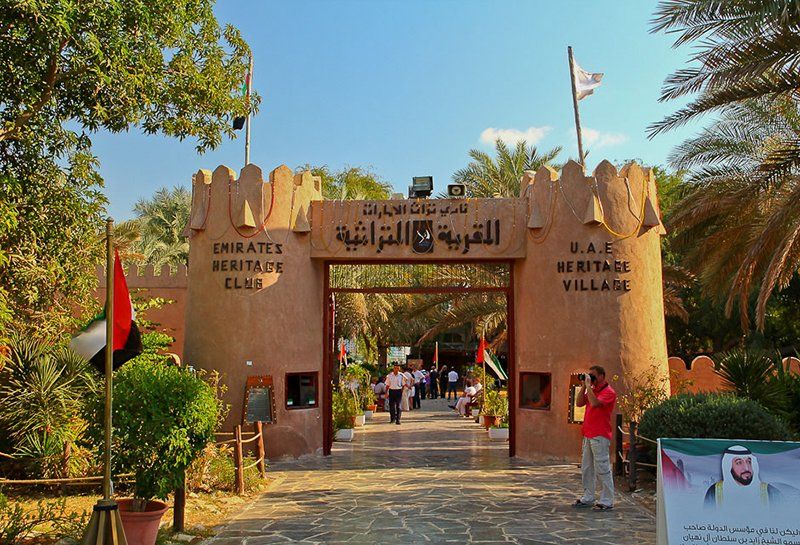
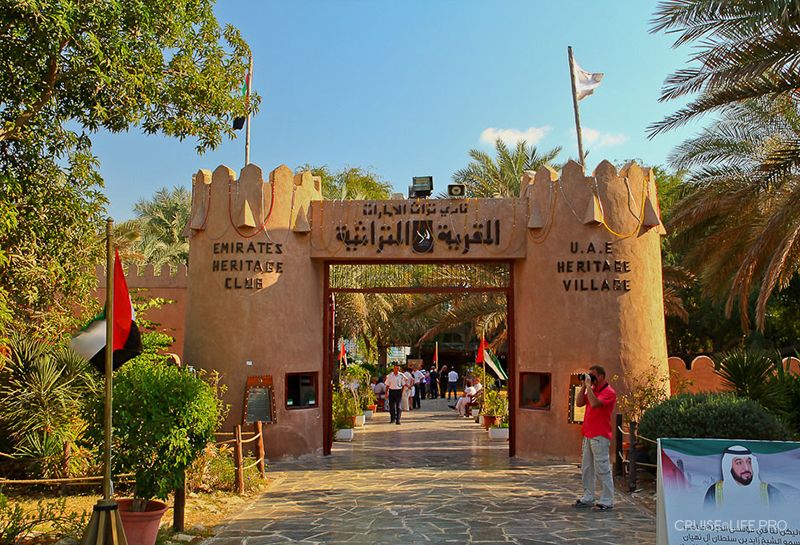
Heritage Village was conceived as a traditional Bedouin settlement-a living museum that offers a glimpse into the past. Tents made of goat wool, hearths with coffee pots, an old well and an irrigation system, homes made of mud brick, an old fishermen’s market, camels... And also-several workshops where you can watch up close as jewelry, pottery, and copper items are made. Right here-shops with oriental sweets, spices, and local products. On Fridays, the Village hosts a colorful Eastern market. On weekends and holidays, guests are entertained with folk songs and dances, and hawks are showcased. The museum village is located on a picturesque promontory not far from Marina Mall.

Visit nearby islands

Visit nearby islands

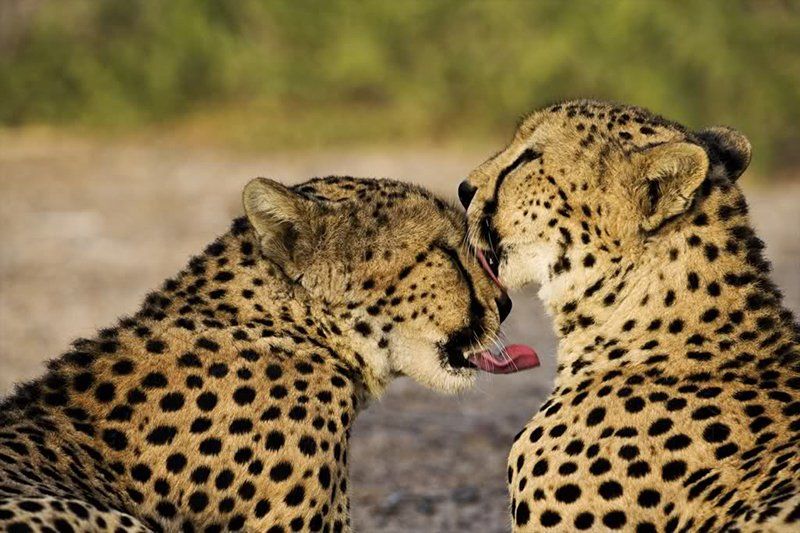
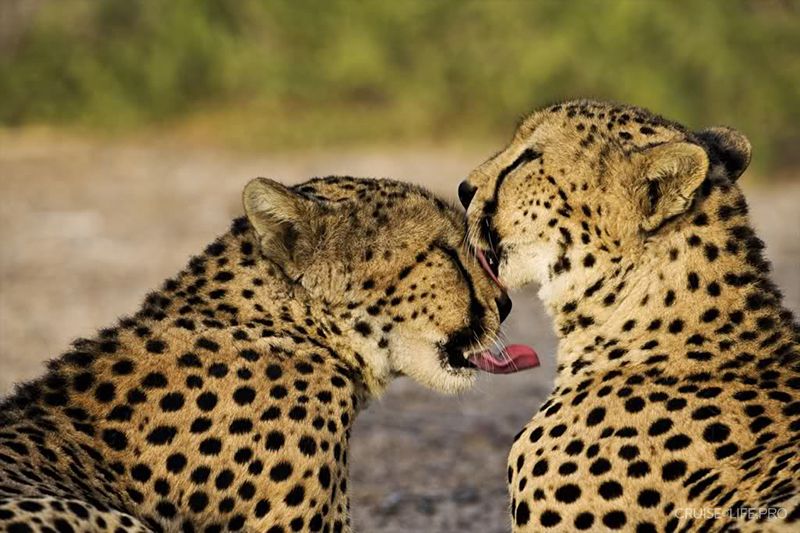
It’s also worth visiting the neighboring islands of Abu Dhabi: Al Futaisi, Sir Bani Yas and Umm Al Quwain. Al Futaisi is home to a water sports center. Ancient stone tombs can be seen in Umm Al Quwain, and on Sir Bani Yas there is a nature reserve where rare animal species live.

Relax at one of the city beaches

Relax at one of the city beaches

Beach holidays in Abu Dhabi are taking a back seat, but if you want to sunbathe and swim, head to one of the city beaches. The beaches within the hotels' premises are somewhat worse.

Recommended excursions

Abu Dhabi City Tour

Abu Dhabi City Tour

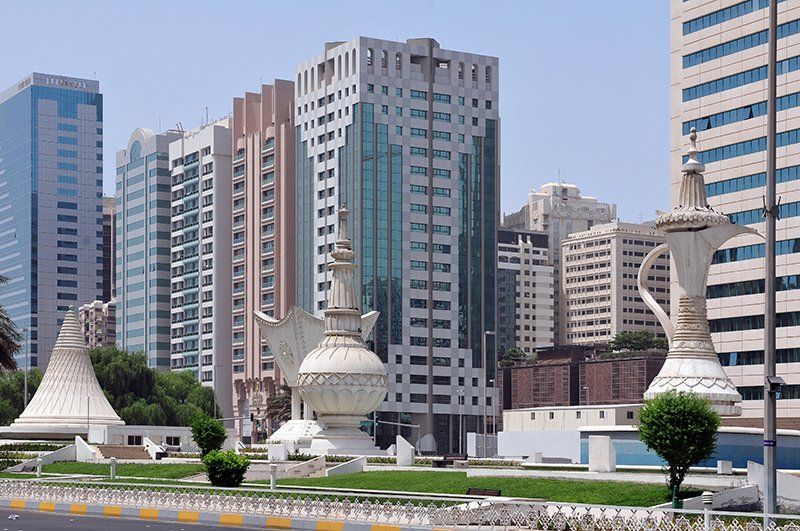
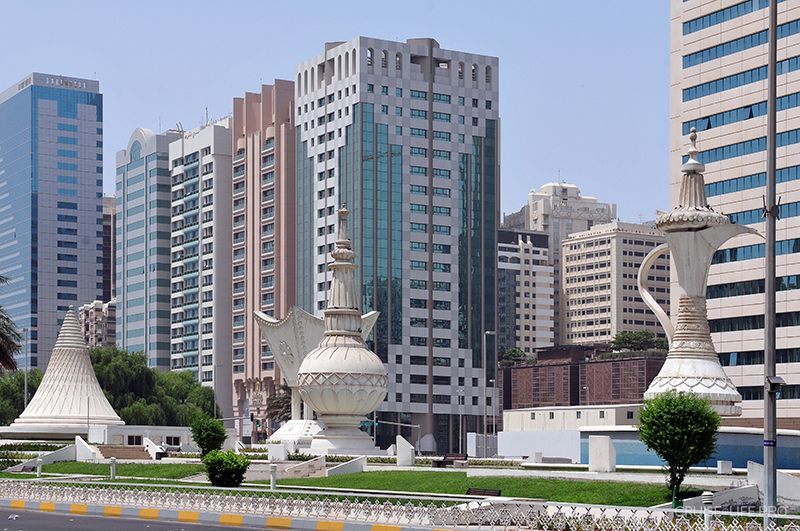
The tour to one of the youngest and most beautiful capitals in the world begins with a stop at the Sheikh Zayed Mosque. During the tour, you’ll learn why Abu Dhabi is called the “Manhattan of the Middle East” and the “Garden City”: you’ll see a beautiful waterfront and a line of skyscrapers along it, numerous parks, gardens, magnificent fountains, and beautiful sculptures at Al Ittihad Square. You’ll also visit one of the most beautiful hotel complexes in the world, rightly known as the “Emirates Palace.” You’ll feel the amazing sense of calm that is so uncharacteristic of megacities. Group 2 - 5 people - from 0.