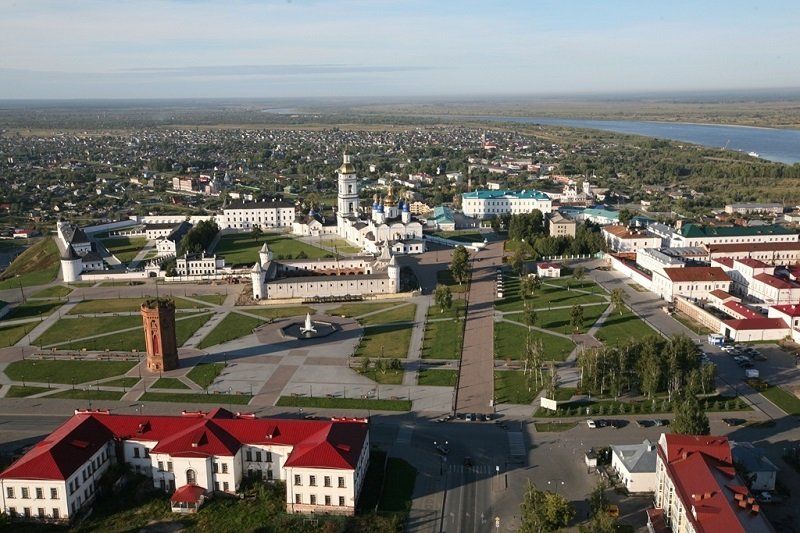
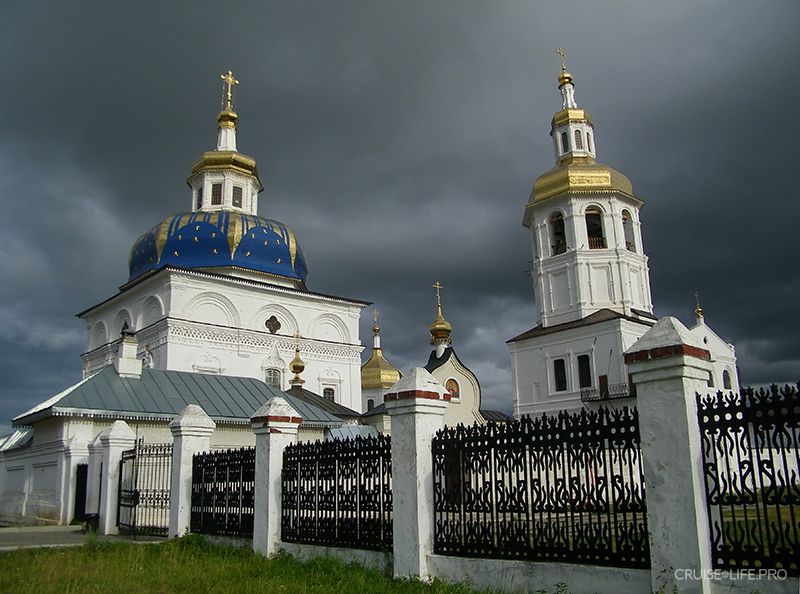
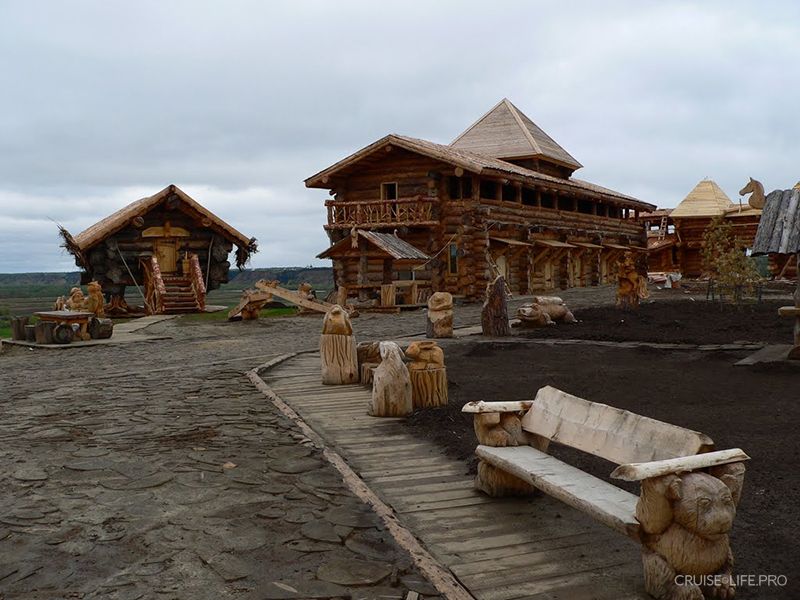
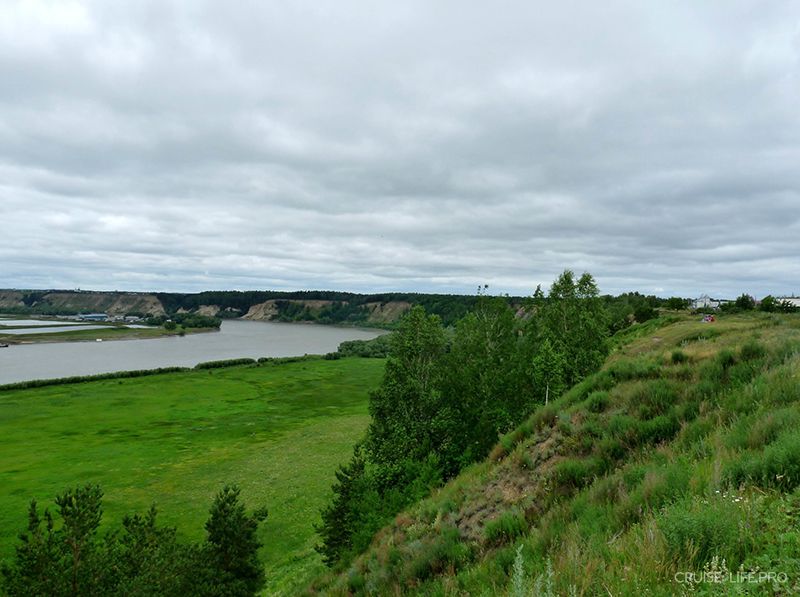
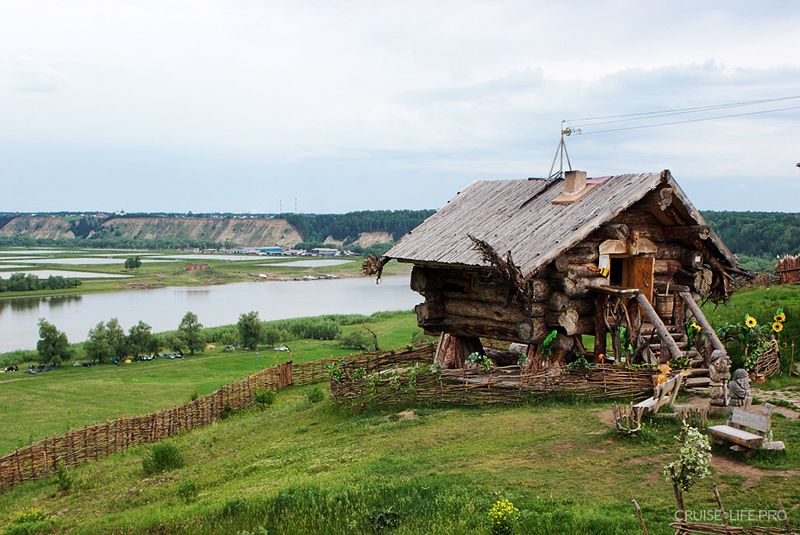
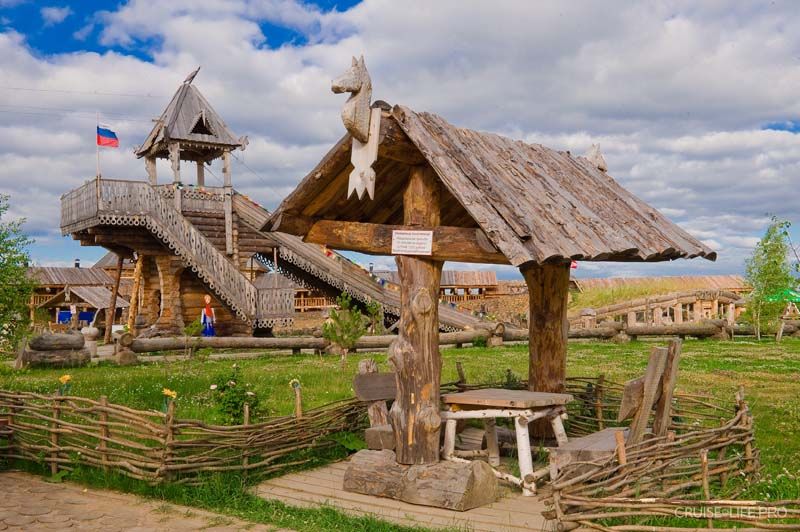
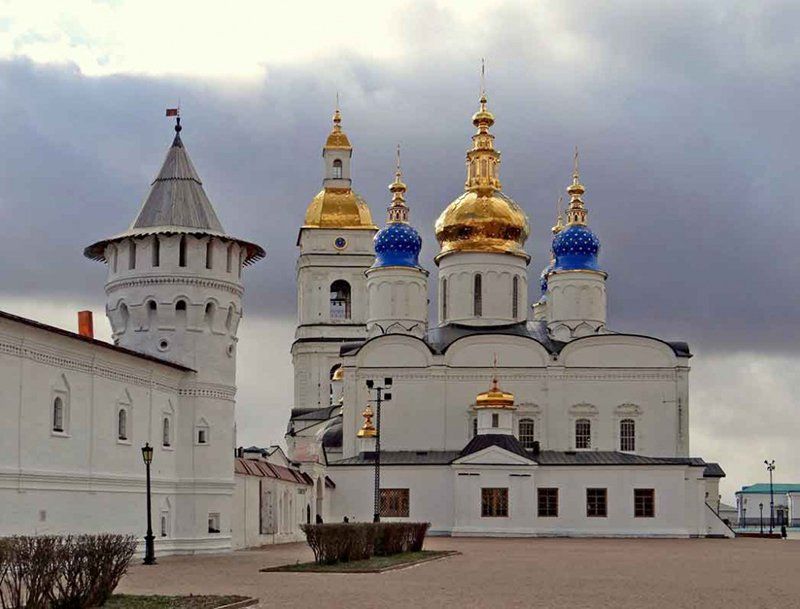
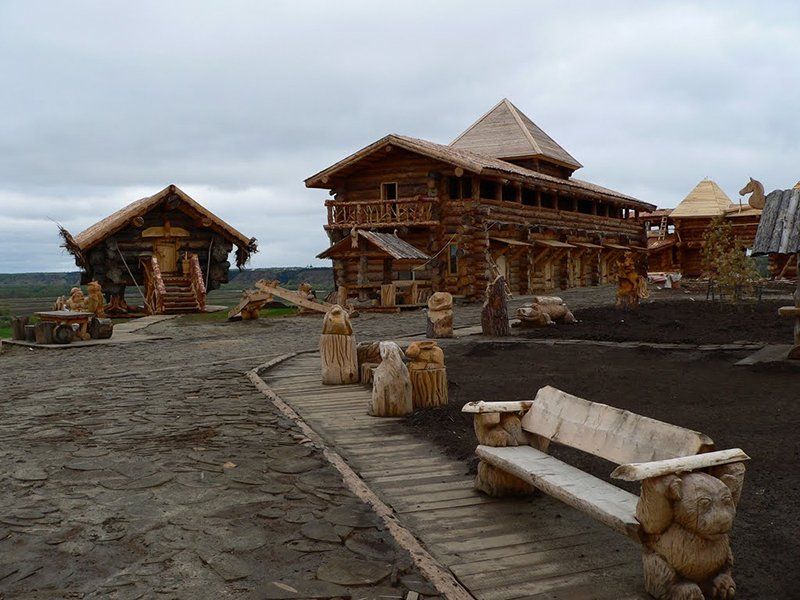
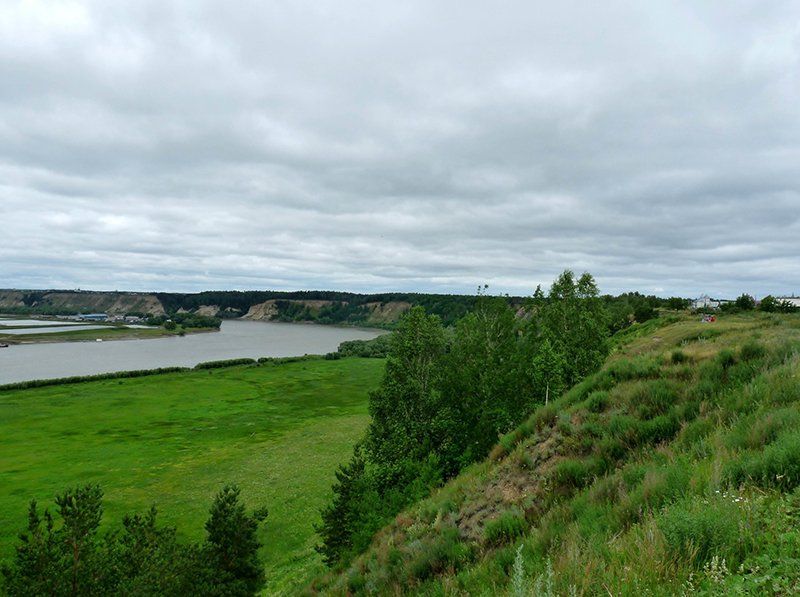
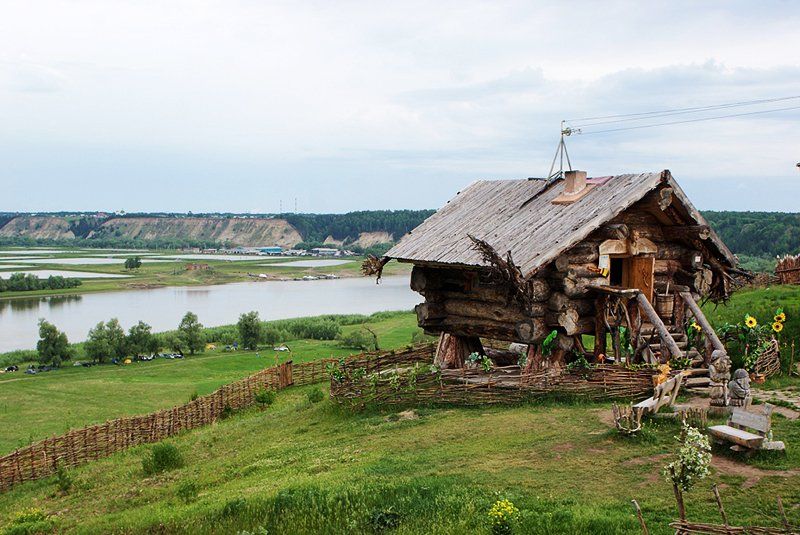
Abalak is a village in the Tobolsk District of the Tyumen Region of Russia, the administrative center of the Abalak rural settlement. The village of Abalak stands on a high bank of the Irtysh River. From here, you can enjoy a beautiful view of the river and the surrounding area.
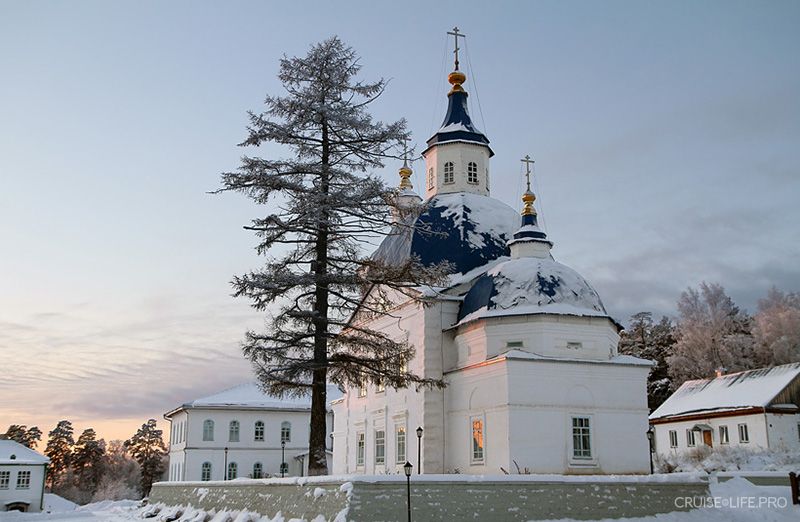
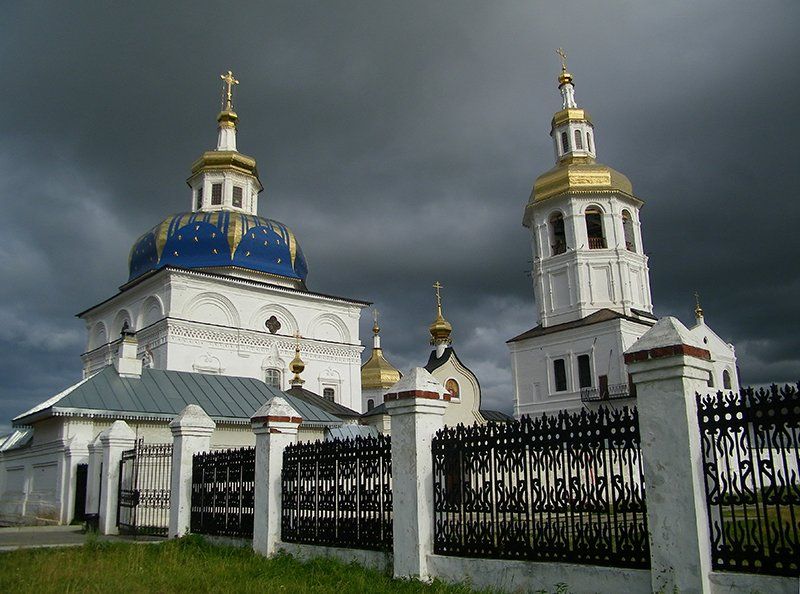
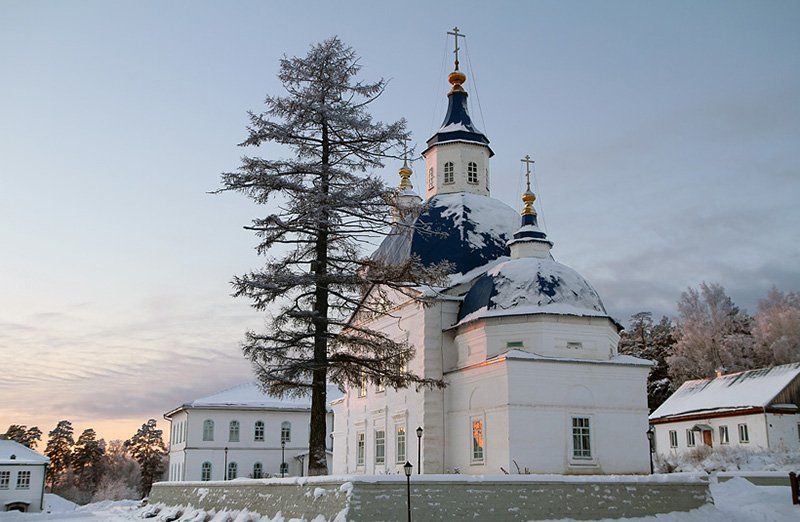
The Abalak settlement is ancient. It emerged long before the arrival of Russians. Before the conquest of Siberia, Abalak was a small Tatar town. It got its name from Abalak, the Tatar prince, the son of the Siberian Khan Mara. On December 5, 1584, a battle between Cossacks and the horde of Mametkul took place near the walls of Abalak, which opened the way for Yermak to further conquer Siberia. According to legend, in 1636 the Abalak icon of the Mother of God appeared to a local woman named Maria, after which a wooden Znamenskaya Church was built in Abalak. At the turn of the 17th-18th centuries, a whole complex of stone churches grew here. In 1783, the Holy Znamensky Men’s Monastery opened here.
ClimateThe climate of the Tyumen Region is continental. It is characterized by a harsh, long winter (32 weeks in the tundra, 21 weeks in the forest-steppe), a short and cold summer in the north and a warm one in the south, with transitional seasons (6–7 weeks) featuring late spring and early autumn frosts. The region’s flat terrain and its openness to cold air masses from the north and south contribute to the deep penetration of frigid Arctic air masses and the free transport of continental moderate, and even tropical, air masses from the south to the north.
Average air temperatures in January decrease from west to east from -20° to -27°C; across the rest of the territory, air temperatures drop from the southwest to the northeast from -17° to -27°C. In some days, almost every year the temperature at night falls to -36°…-44°C in the southern part of the region. During the coldest winters, air temperature can fall to -52°…-63°C in the north and to -47°…-51°C in the south. Along with low temperatures, high temperatures may also occur. For example, in January thaws are noted almost everywhere, with a maximum temperature of 2°…6°C, but winter thaws are rare and short-lived. The heating season lasts longer, increasing from 220 days in the southern districts of the region to 300–320 days in the northern and mountainous districts.
Winds with a northern component prevail. The average monthly temperatures of July, the warmest month of the year, range from 4°C in the north to 18°C in the south of the region. On some days in July-August, almost every year the daytime air temperature in the Arctic zone can rise to 20°C; across the rest of the territory it can reach 25°…35°C. During incursions of cold Arctic air masses, very sharp temperature drops are possible even in July-August: in the northwestern districts of the region to -5°…-6°C, and across the rest of the territory to -1°…-4°C. The frost-free period lasts from 50–60 days in the north to 127 days in the south of the region.
The main amount of precipitation falls from May to October. In the south of the Tyumen Region, precipitation totals 350–400 mm.
Within the region, the climate of the tundra and forest-tundra is distinguished-excessively humid, with a long and cold winter and a cold summer; the climate of the forest zone is humid, with a moderately harsh snowy winter and a moderately warm summer; and the climate of the forest-steppe is insufficiently humid, with a moderately harsh snowy winter and a warm summer.