


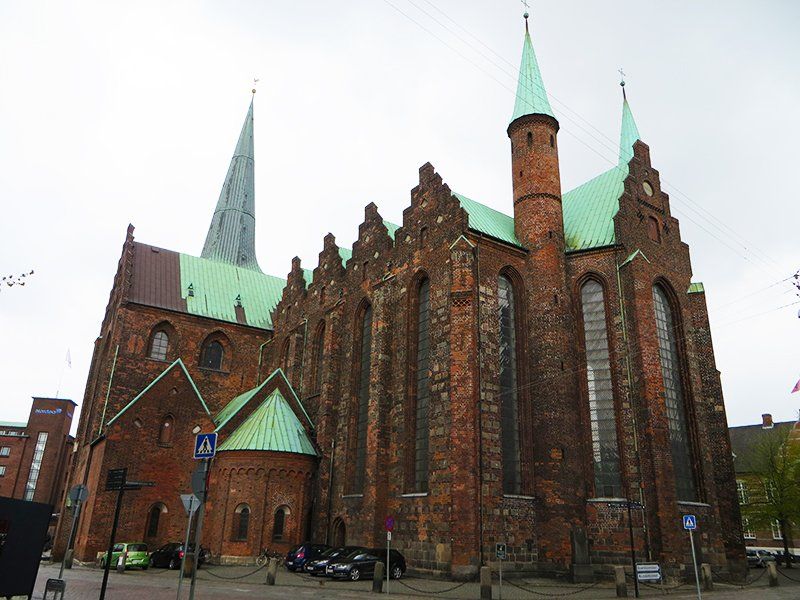
Cathedral
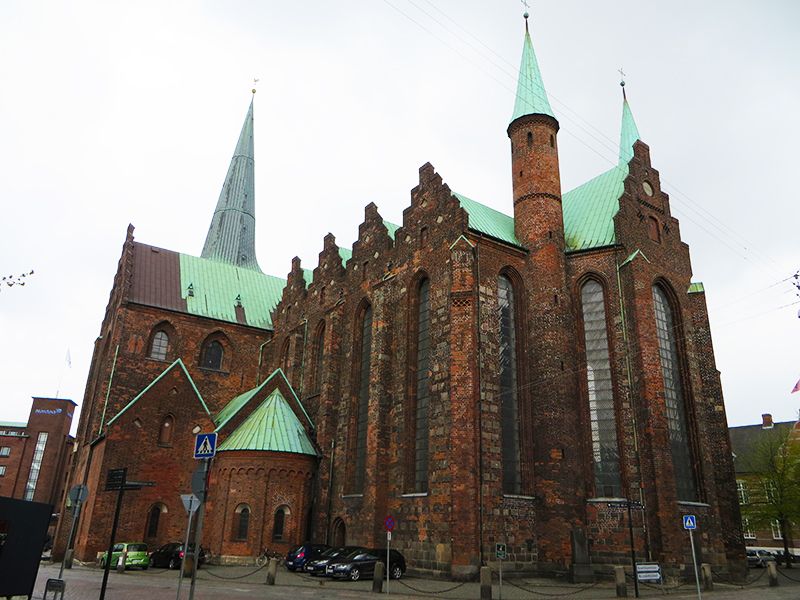
The temple was built in honor of the patron of sailors - Saint Clement. It is one of the most beautiful and largest temples in Denmark. The history of the cathedral began at the end of the 12th century. In 1300, the construction of the cathedral in the Romanesque style was completed. Thirty years later, in 1330, the Cathedral of Saint Clement burned down, and only in 1449 was the church rebuilt again, this time in the Gothic style. In the fire, most of the cathedral’s interior furnishings were destroyed; only a few frescoes have survived to this day. Among these frescoes is the oldest one - “Lazarus’ Windows,” dated 1300. Among the other treasures of the cathedral are a gilded 1479 altarpiece and the largest organ in Denmark (6,352 pipes), which was built in 1730.
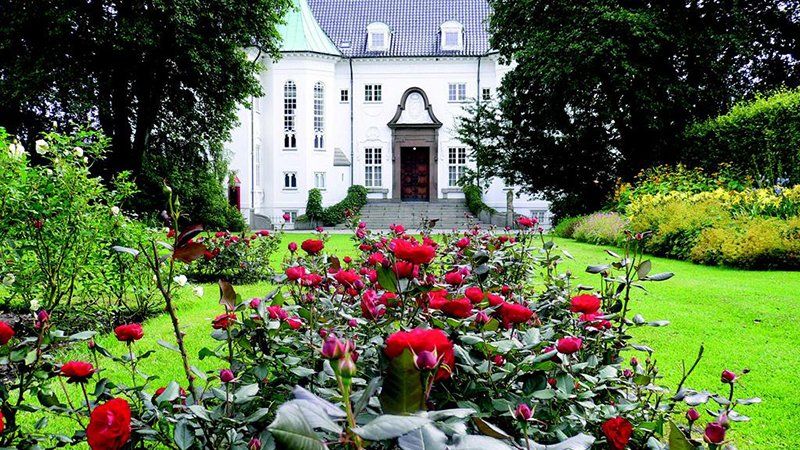
Marcelisborg Palace
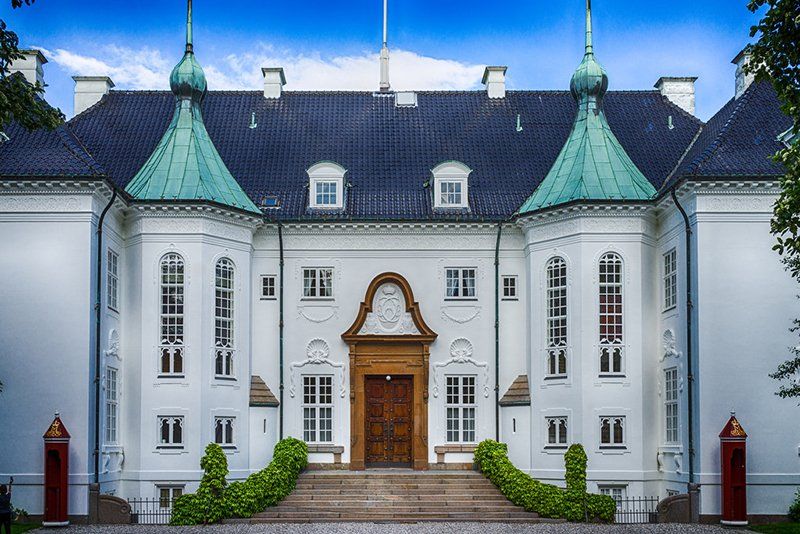
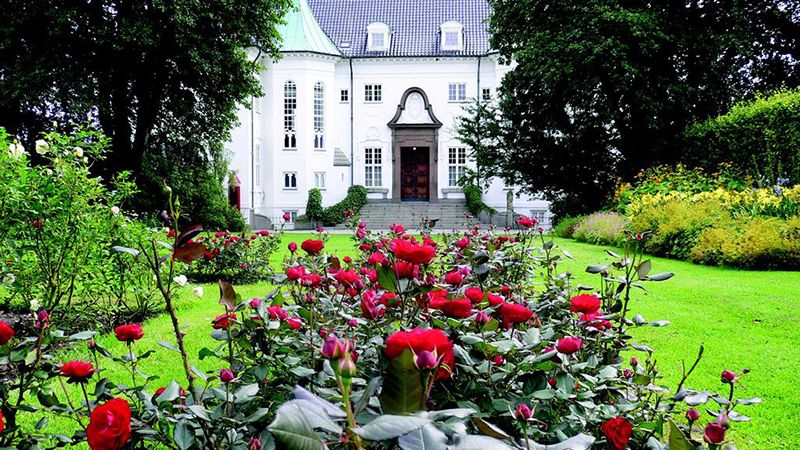
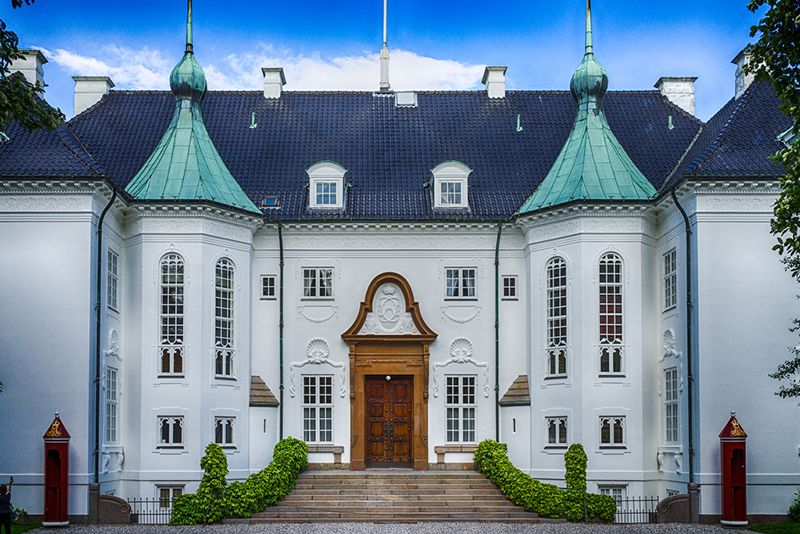
The summer royal residence of Marselisborg was built in 1661 by the Dutch merchant Gabriel Marselis. Due to the family’s difficult financial situation, the castle changed hands until the Aarhus municipality acquired the residence in 1896. The manor is set amid a beautiful blooming garden and green lawns. The approaches to the residence are adorned with statues carved from trees and stumps. In 1967, Marselisborg Manor was restored. Today, it serves as the summer royal residence. The changing of the guard at the castle takes place during the royal family’s summer holidays. Tourists, unfortunately, are not allowed into the palace, but the park is open to everyone. Today, the garden features more than 350 varieties of roses, planted in the form of a labyrinth.
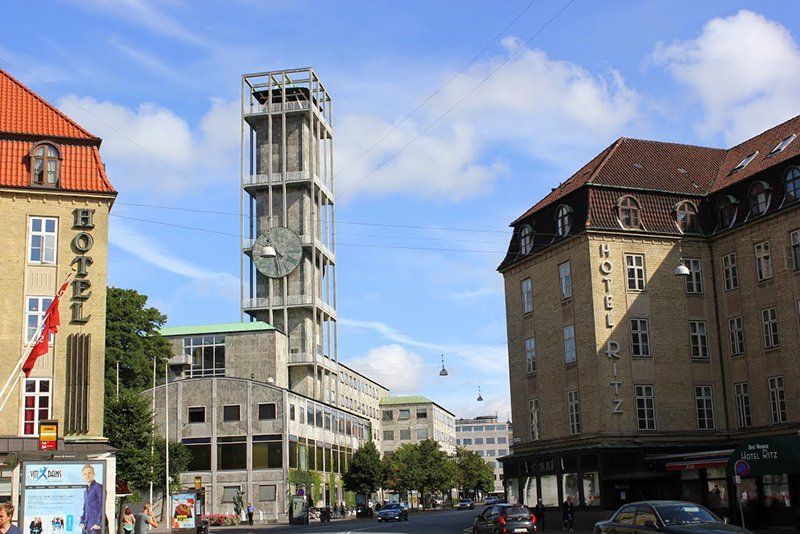
Town Hall
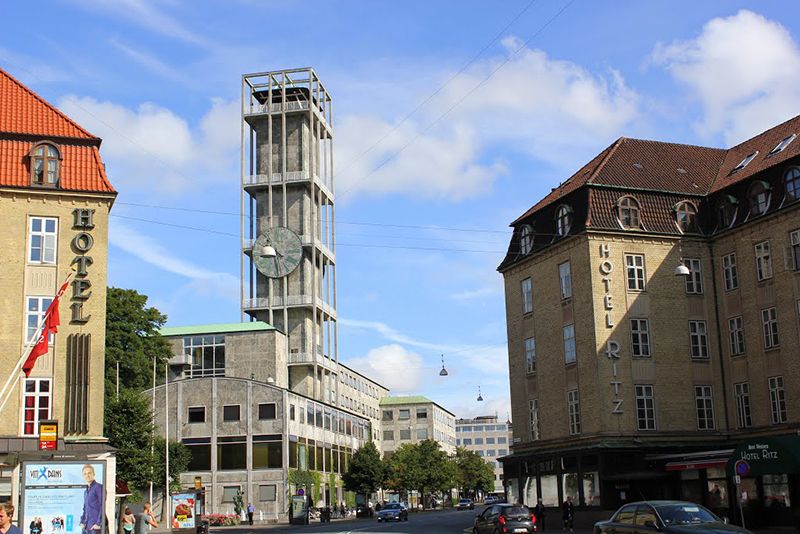
Aarhus City Hall - perhaps one of the most unusual in Europe. This structure, listed among Denmark’s national heritage sites, is nothing like the city administrative buildings you may be used to-ones built in Gothic or classical styles. No, Aarhus City Hall is something special! It is a building of grey concrete slabs, clad in Norwegian marble. The project, brought to life in 1941, was developed by architects Arne Jacobsen and Erik Møller. The interior spaces of the City Hall are decorated in warm tones, while the furniture-by the well-known Danish designer Hans Wegner-has been made from lacquered wood. Today’s City Hall is the third one in the history of Aarhus.
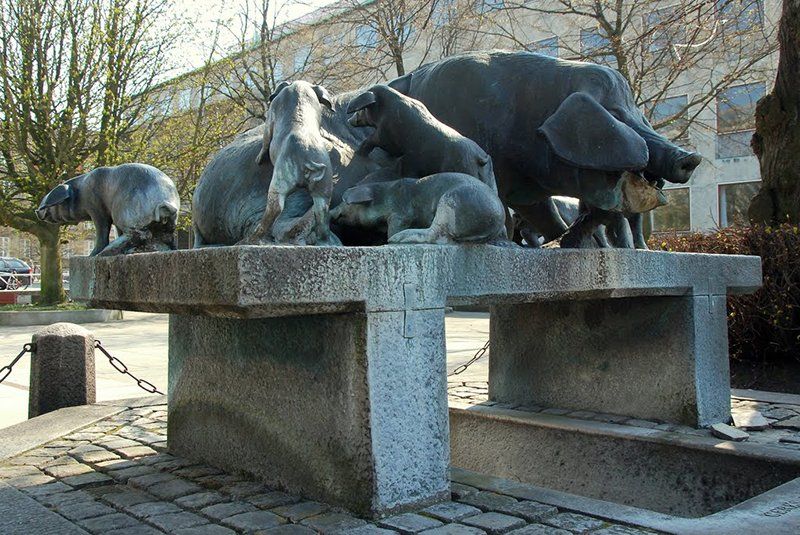
Pig Fountain
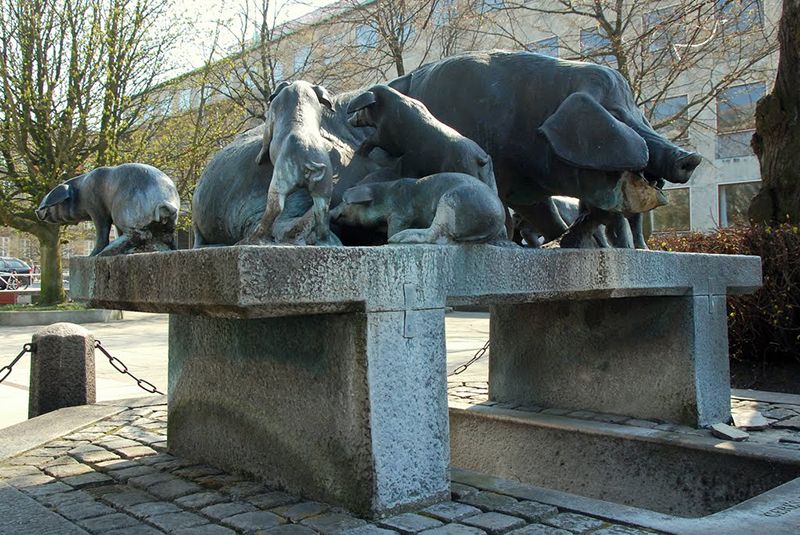
In 1941, in the Danish city of Aarhus, a pig monument appeared in the square in front of the City Hall. It is considered the oldest monument in the world that celebrates this domestic animal. A bronze pig sculpture with piglets climbing on it reminds the town’s residents of the famous Danish bacon, which people in the country love very much. The monument is not simple: it is designed so that in summer water is run through it, and then one of the piglets urinates. Because of this, residents of Aarhus call the sculptural composition “the piglet well.” On the monument there is an inscription-Ceres bronden-which, translated from Danish, means “Ceres’ well.” This is a tribute to the brewery company “Ceres,” whose money was used to create the sculpture.